
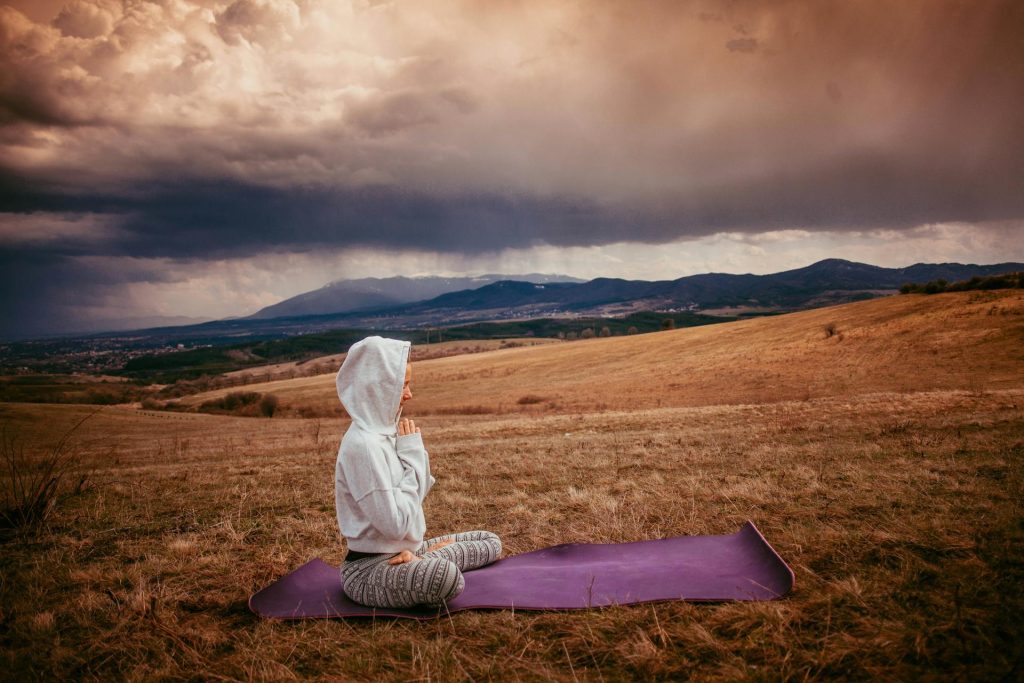
Learn the power of meditation on endings—learn how to find peace, clarity, and growth through guided mindfulness practices that help you let go and move forward.
A Meditation on Endings: Embracing Change, Closure, and New Beginnings
Overview: What You Will Learn
In this blog post, you will explore how a meditation on endings can help you:
- Navigate emotional transitions with mindfulness and grace
- Understand the natural cycles of closure and renewal
- Release attachment to people, places, and situations
- Gain insight into guided practices that bring peace during life’s shifts
- Learn how to integrate a meditation on endings into your daily routine
- Discover how Mindfulness Meditation Hub supports this emotional and spiritual process
By the end, you’ll be equipped with practical tools and perspectives to face endings, not with fear—but with acceptance, awareness, and the relief that comes with understanding that endings are part of life’s natural cycle.
Why We Struggle with Endings
Endings—whether a breakup, job loss, the end of a phase, or even death—can bring up a storm of emotions. Grief, fear, confusion, and resistance are common. But what if we could meet these transitions with presence rather than pain?
The Psychology of Endings
From a psychological standpoint, our minds are wired for attachment. Endings threaten that, making us feel unstable. However, mindfulness—particularly a meditation on endings—offers a pathway to hold space for our emotions and create a calm container.
What Is A Meditation on Endings?
A meditation on endings is a guided or self-led mindfulness practice focused on acknowledging, accepting, and integrating the emotional energy around closure. It invites you to observe your thoughts and feelings without judgment while creating room for Release and renewal.
Common Themes in This Practice:
- Letting go
- Acceptance
- Grief and gratitude
- Making peace with the past
- Creating spaciousness for what’s next
The Benefits of Practicing A Meditation on Endings
When integrated regularly, a meditation on endings can yield transformative results, inspiring a new perspective and a sense of empowerment in the face of change.
Emotional Benefits
- Helps release suppressed grief
- Reduces anxiety around change
- Promotes acceptance and emotional resilience
Mental Benefits
- Improves clarity and focus
- Reduces ruminating thoughts
- Encourages thoughtful reflection on life events
Spiritual Benefits
- Encourages connection to the natural flow of life
- Opens space for rebirth and growth
- Deepens awareness of impermanence
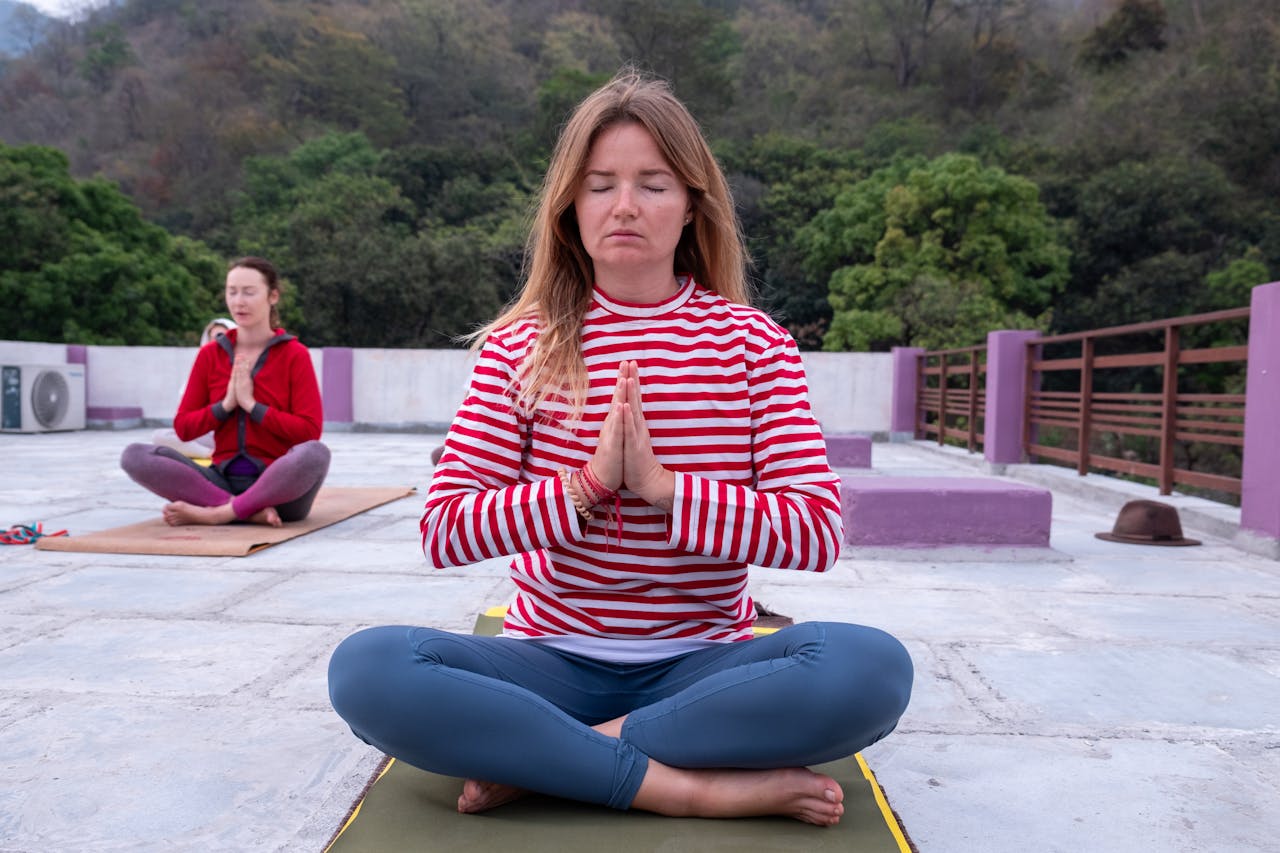
How to Practice A Meditation on Endings
1. Set the Space
Find a quiet, comfortable place. Light a candle, play gentle music, or diffuse essential oils if that feels right.
2. Center Yourself
Begin with slow, deep breaths. Focus your attention on the sensation of breathing.
3. Acknowledge What Is Ending
Name the situation. Say it aloud or silently. For example:
“I am letting go of my relationship with [name].”
“This phase of my life is closing.”
4. Allow the Feelings
Notice any sadness, relief, regret, or fear. Don’t resist them. Let them surface and pass like waves.
5. Offer Compassion
Speak words of kindness to yourself:
“It’s okay to feel this way.”
“I am honoring this transition with love and awareness.”
6. Visualize Release
Picture the ending floating away—like a leaf in a stream or a balloon into the sky.
7. Close with Intention
End your meditation with an affirmation:
“I trust the process of life.”
“From this ending, something new will emerge.”
When Should You Practice A Meditation on Endings?
This practice is potent during the following:
- Relationship breakups or divorce
- Career changes or retirements
- Moving to a new home
- Grieving the loss of a loved one
- Releasing limiting beliefs or habits
- Seasonal transitions or birthdays
Even in daily life, moments of closure are everywhere—every breath out, every night before sleep, every goodbye.
How Mindfulness Meditation Hub Can Help
At Mindfulness Meditation Hub, we offer professionally guided meditations specifically designed to support you through transitions.
What We Provide:
- Curated guided sessions on releasing, healing, and letting go
- Audio and video meditations for all levels
- Customizable meditation plans to match your unique journey
- Supportive resources and articles on processing endings and change
Our mission is to walk with you through the emotional landscapes of life—with grace, Compassion, and grounded wisdom.

Real Stories: How A Meditation on Endings Changed Lives
Sarah, 34
“After my divorce, I felt lost. Practicing a meditation on endings daily helped me reconnect with myself. I found peace in the pause.”
Daniel, 57
“When I retired, I struggled with identity loss. These meditations reminded me that I’m not what I do, I’m who I am. It changed everything.”
Elena, 28
“I didn’t realize how much I was holding onto until I learned to let go. Mindfulness turned my heartbreak into healing.”
Integrating the Practice into Your Life
You don’t need a significant life event to benefit from this practice. You can incorporate a meditation on endings into your daily or weekly schedule.
Try This:
- 5-minute evening release meditation
- Weekly journaling paired with mindfulness
- Monthly intention setting after reflecting on what you’re letting go of
Consistency builds the muscle of mindfulness—especially in the face of life’s inevitable changes.
Final Thoughts: There’s Beauty in Closure
Endings are not failures—they are transitions. Every chapter that closes makes space for something new to arise. By embracing a meditation on endings, we learn to say goodbye not with bitterness but with gratitude and grace.
Through stillness, reflection, and mindful presence, we can honor what was while making space for what’s to come.
Related Topics
- A Guided Meditation for Coming Home to Yourself
- A Guided Meditation to Reset and Let Go
- The Top 10 Guided Meditations of 2020
- Try This Self-Guided Meditation Retreat for Rest and Restoration
- A Guided Meditation Script to Help Kids Explore Feelings About Change
- A 12-Minute Meditation to Widen Your Perspective
- A 5-Minute Meditation to Shift From Overwhelm to Opportunity
- A 12-Minute Meditation to Cultivate Gratitude for Small Things
- A Guided Meditation to Set Your Intentions for the New Year
- A 3-Minute Meditation to Calm Your Mind
- This Loving-Kindness Meditation is a Radical Act of Love
- A 12-Minute Meditation for Grief and Loss
- 12 Minute Meditation
Frequently Asked Questions
Q: What is the purpose of a meditation on endings?
A: A meditation on endings helps individuals process and embrace change, letting go of past experiences, and fostering emotional closure to make way for new beginnings.
Q: How can mindfulness meditation support emotional transitions?
A: Mindfulness meditation encourages present-moment awareness, helping individuals navigate difficult emotional transitions with acceptance, calmness, and resilience.
Q: Can meditation help with grief?
A: Yes, meditation can provide comfort during grief by promoting acceptance, self-compassion, and a safe space to process painful emotions.
Q: What are the benefits of meditation for letting go of attachments?
A: Meditation helps release attachments by fostering mindfulness, allowing individuals to acknowledge their emotions and gradually detach from unhealthy bonds, leading to personal growth and freedom.
Q: How does a meditation practice foster inner peace?
A: Through regular meditation, individuals can calm their minds, reduce stress, and increase emotional stability, which ultimately promotes inner peace.
Q: What is a mindfulness practice?
A: A mindfulness practice involves focusing on the present moment without judgment. It cultivates awareness and acceptance, helping individuals manage their thoughts, emotions, and physical sensations.
Q: How can guided meditation help during difficult life transitions?
A: Guided meditation provides structure and support, helping individuals process complex emotions, find clarity, and develop resilience during significant life changes.
Q: Why is self-compassion important in meditation?
A: Self-compassion is essential because it encourages kindness and understanding towards oneself, especially during challenging times, allowing individuals to heal and grow emotionally.
Q: What role does meditation play in releasing attachment?
A: Meditation allows individuals to recognise and detach from unhealthy attachments by promoting awareness and acceptance, fostering emotional freedom.
Q: How does meditation help with stress relief?
A: Meditation activates the body’s relaxation response, reducing stress levels by calming the mind, slowing heart rate, and decreasing cortisol levels.
Q: How does meditation for change differ from other types of meditation?
A: Meditation for change focuses on fostering acceptance of transitions, providing emotional tools to let go of the past and create space for new experiences, compared to other meditation practices that may focus on relaxation or concentration.
Q: What is the role of mindfulness in emotional resilience?
A: Mindfulness strengthens emotional resilience by helping individuals become more aware of their emotions and reactions, enabling them to respond to challenges with calmness and clarity.
Q: How can meditation improve mental clarity?
A: Meditation clears the mind by encouraging focus and awareness, reducing mental clutter, and enabling individuals to make more thoughtful decisions and gain insight into their thoughts.
Q: What is the connection between spiritual growth and meditation?
A: Meditation nurtures spiritual growth by encouraging self-awareness, acceptance, and inner peace, allowing individuals to deepen their connection with themselves and their higher purpose.