
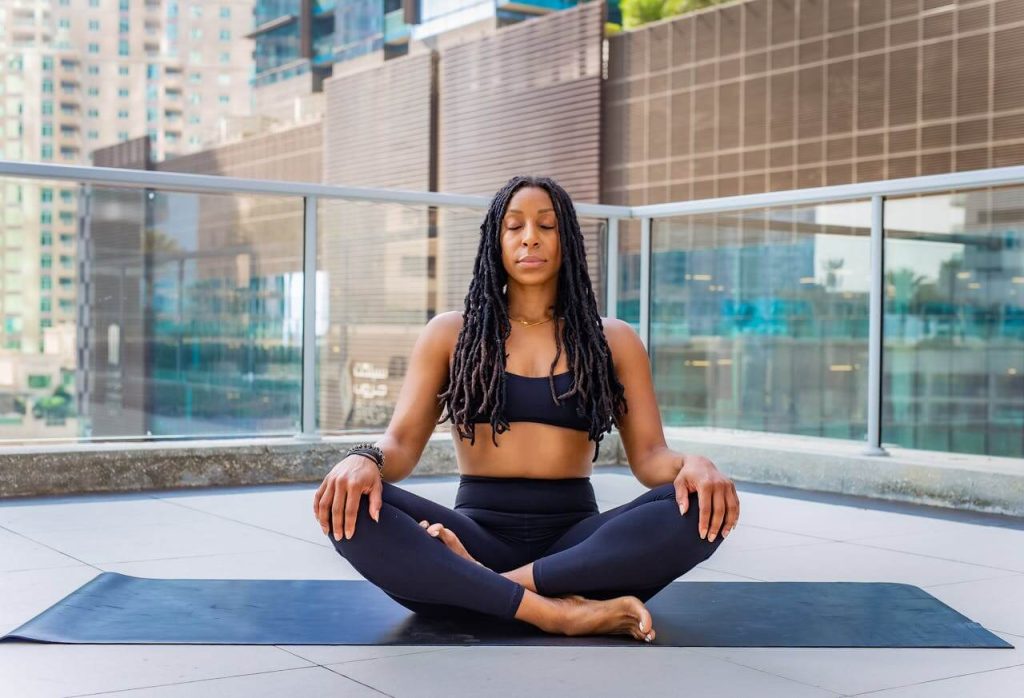
Explore informative articles on mindfulness to enhance your focus, reduce stress, and cultivate inner peace. Learn practical tips, benefits, and techniques for a mindful lifestyle.
Overview
In this blog post, readers will learn everything they need to know about mindfulness and how to incorporate it into daily life. We will explore the benefits of mindfulness, techniques to practice it effectively, and actionable tips to make it a part of your routine. This post will provide a complete guide for beginners, enthusiasts, and those seeking to deepen their meditation practice. By the end, you will understand how mindfulness can improve your mental clarity, emotional well-being, and overall quality of life.
What is Mindfulness?
Mindfulness is the practice of being fully present and aware of your thoughts, feelings, and surroundings in the current moment without judgment. It is a mental state that allows individuals to experience life with greater clarity, focus, and calm.
Key aspects of mindfulness include:
- Awareness: Paying attention to your present thoughts and actions.
- Acceptance: Acknowledging your feelings without judgment.
- Focus: Concentrating on the moment rather than dwelling on the past or worrying about the future.
By practicing mindfulness, individuals can reduce stress, increase emotional regulation, and improve overall mental health.

The Importance of Mindfulness in Today’s World
In our fast-paced modern world, stress, distractions, and information overload are constant challenges. Mindfulness offers a practical solution by helping individuals:
- Reduce anxiety and stress levels
- Improve focus and productivity
- Enhance emotional resilience
- Promote better sleep and relaxation
- Foster positive relationships
Numerous articles on mindfulness have shown that regular mindfulness practice can significantly enhance mental and physical health. By learning to stay present, individuals can experience life more fully and navigate challenges with greater ease.
Different Types of Mindfulness Practices
There are various mindfulness practices, each with unique benefits. Some of the most effective ones include
1. Mindful Breathing
Mindful breathing involves focusing your attention on your breath. It helps calm the mind, reduce stress, and improve concentration. Beginners can start with just 5-10 minutes daily.
2. Body Scan Meditation
This technique requires you to focus on different parts of your body, noticing sensations without judgment. It promotes relaxation and body awareness.
3. Mindful Eating
Mindful eating encourages you to savor each bite, focusing on taste, texture, and aroma. This practice can improve digestion, prevent overeating, and cultivate a healthy relationship with food.
4. Walking Meditation
Mindful walking involves paying attention to each step and the surrounding environment. It combines movement with mindfulness, promoting both physical and mental wellness.
5. Guided Meditation
Guided meditation uses audio or video instructions to lead practitioners through mindfulness exercises. This approach is especially helpful for beginners.
Benefits of Mindfulness Backed by Research
A growing body of research supports the numerous benefits of mindfulness, including
- Reduced Stress: Studies show mindfulness decreases cortisol levels, the hormone associated with stress.
- Improved Focus: Regular practice enhances attention span and cognitive function.
- Emotional Regulation: Mindfulness strengthens the brain’s ability to manage emotions and respond calmly in challenging situations.
- Better Physical Health: Mindfulness can lower blood pressure, boost immunity, and improve sleep quality.
For individuals seeking a happier, healthier lifestyle, articles on mindfulness are an invaluable resource for learning scientifically backed practices that deliver measurable results.
How to Start a Mindfulness Practice
Starting a mindfulness routine is simpler than most people think. Follow these steps:
- Set aside time: Begin with 5-10 minutes daily and gradually increase.
- Choose a quiet space: Find a calm environment free from distractions.
- Focus on your breath: Observe your inhalations and exhalations.
- Notice your thoughts: Acknowledge them without judgment and gently return to your breath.
- Be consistent: Make mindfulness a daily habit for long-term benefits.
Additionally, reading articles on mindfulness can provide guidance, tips, and inspiration to maintain your practice.
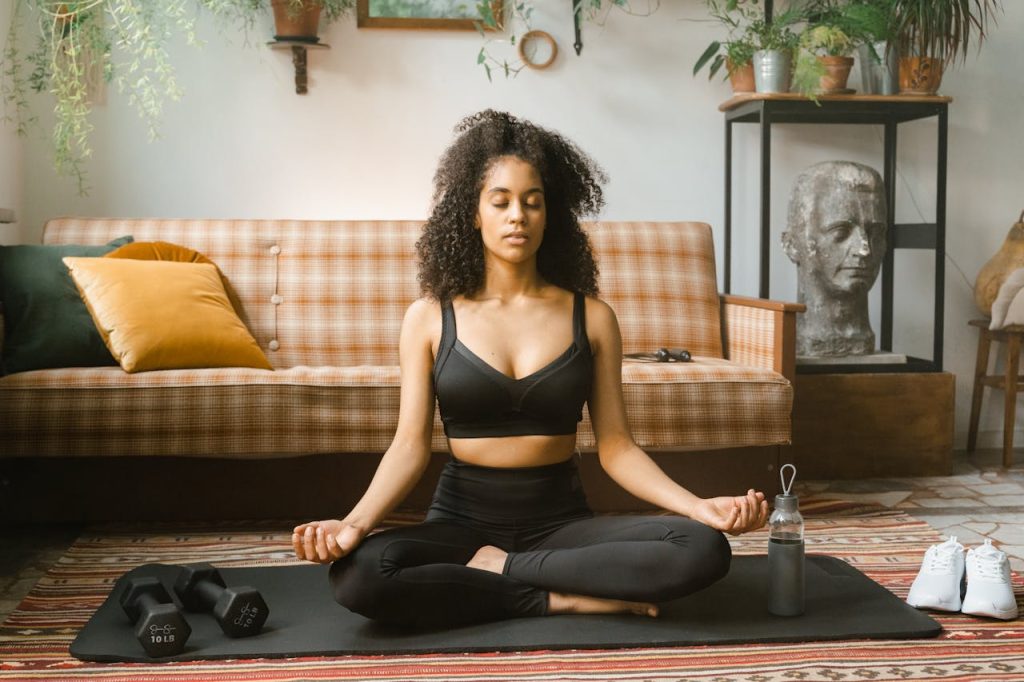
Common Myths About Mindfulness
Despite its popularity, there are misconceptions about mindfulness that can prevent people from practicing it effectively:
- Myth 1: Mindfulness is only for meditation experts.
Anyone can practice mindfulness, regardless of experience. - Myth 2: You need a lot of time.
Even 5 minutes daily can make a difference. - Myth 3: Mindfulness eliminates all negative emotions.
Mindfulness teaches acceptance, not suppression of emotions.
Understanding these myths is crucial for beginners seeking to benefit from mindfulness practices.
Practical Tips to Incorporate Mindfulness Daily
Incorporating mindfulness into daily life doesn’t require major lifestyle changes. Here are practical tips:
- Start your day mindfully: Take a few deep breaths before starting your morning routine.
- Use reminders: Set alarms or sticky notes to prompt mindful pauses during the day.
- Practice mindful listening: Focus entirely on conversations without distractions.
- Mindful breaks: Take short breaks during work to stretch, breathe, and refocus.
- Evening reflection: Spend a few minutes journaling or meditating before bed.
Consistent practice of these tips can enhance focus, emotional balance, and overall well-being.
Recommended Resources for Mindfulness
For those looking to deepen their practice, exploring articles on mindfulness can provide valuable insights and guidance. Some recommended resources include:
- Mindfulness meditation apps (e.g., Headspace, Calm)
- Online blogs and journals dedicated to mindfulness
- Guided meditation videos on platforms like YouTube
- Books on mindfulness and meditation techniques
These resources help both beginners and experienced practitioners maintain motivation and improve their mindfulness practice.
Final Thought
Mindfulness is more than just a trend—it is a powerful tool for improving mental, emotional, and physical well-being. By exploring articles on mindfulness and practicing techniques like mindful breathing, guided meditation, and mindful eating, anyone can experience the benefits of a mindful lifestyle.
Whether you are a beginner or a seasoned practitioner, incorporating mindfulness into your daily routine can reduce stress, improve focus, and foster greater emotional resilience. Start today, and take the first step toward a more present, peaceful, and fulfilled life.
15 FAQs for Articles on Mindfulness
What is mindfulness?
Mindfulness is the practice of being fully present and aware of your thoughts, feelings, and surroundings without judgment.
How can I start practicing mindfulness?
Start with simple techniques like mindful breathing, body scans, or guided meditation for 5–10 minutes daily.
What are the benefits of mindfulness?
Mindfulness reduces stress, improves focus, enhances emotional regulation, promotes better sleep, and boosts overall well-being.
How long does it take to see results from mindfulness?
Some benefits, like reduced stress, can be noticed within a few days, but consistent practice over weeks or months brings deeper changes.
Can mindfulness help with anxiety?
Yes, mindfulness helps individuals manage anxiety by promoting awareness and reducing reactive thinking patterns.
Is mindfulness only for meditation?
No, mindfulness can be practiced in daily activities such as eating, walking, or listening, not just during formal meditation.
How often should I practice mindfulness?
Even 5–10 minutes daily can be effective. Consistency is more important than duration.
Can children practice mindfulness?
Absolutely. Mindfulness exercises can be adapted for children to improve focus, emotional control, and stress management.
What is mindful breathing?
Mindful breathing is focusing on your breath, noticing inhalations and exhalations, which helps calm the mind and reduce stress.
What is the difference between mindfulness and meditation?
Meditation is a formal practice, while mindfulness is a broader approach to being aware and present in everyday life.
Are there any risks of practicing mindfulness?
Mindfulness is generally safe, but those with severe trauma or mental health conditions should consult a professional before starting intensive practices.
How can mindfulness improve focus at work?
Mindfulness trains the brain to stay present, reduces distractions, and enhances productivity by improving attention span.
Can mindfulness improve physical health?
Yes, research shows it can lower blood pressure, boost immunity, and reduce stress-related physical ailments.
What are the best resources to learn mindfulness?
Books, online articles on mindfulness, meditation apps, and guided videos are excellent resources for beginners and advanced practitioners.
How do I make mindfulness a daily habit?
Set aside a regular time, use reminders, start small, and incorporate mindfulness into daily routines like eating, walking, or working.