
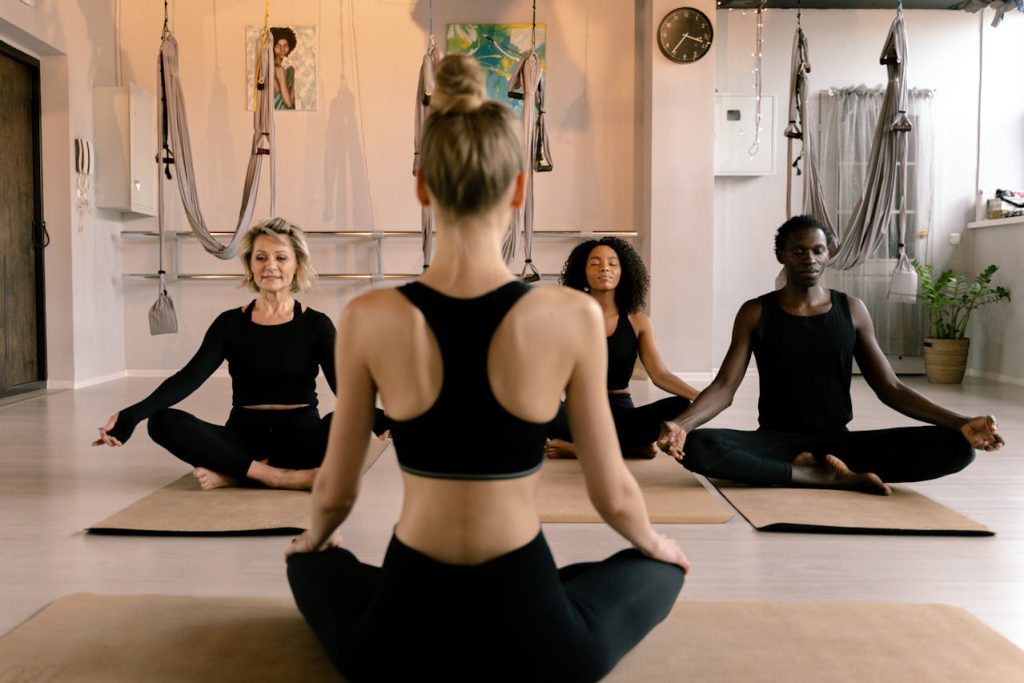
Discover the ultimate beginner meditation guide. Learn simple techniques, benefits, tips, and step-by-step instructions to start your mindfulness practice today.
Overview
If you’re new to meditation, starting can feel overwhelming. This guide will help you understand what beginner meditation is, why it’s beneficial, and how to establish a simple, effective meditation practice. By the end of this article, you’ll learn practical techniques, common challenges, and tips to make meditation a daily habit.
What is Beginner Meditation?
Beginner meditation is the practice of calming the mind, focusing your attention, and cultivating mindfulness, specifically designed for those just starting. Unlike advanced meditation practices, beginner meditation focuses on simple techniques that are easy to implement in daily life.
Key components include:
- Mindfulness – Being aware of the present moment without judgement.
- Breath Awareness – Focusing on breathing to anchor attention.
- Body Awareness – Observing sensations in the body.
- Thought Observation – Noticing thoughts without getting attached.
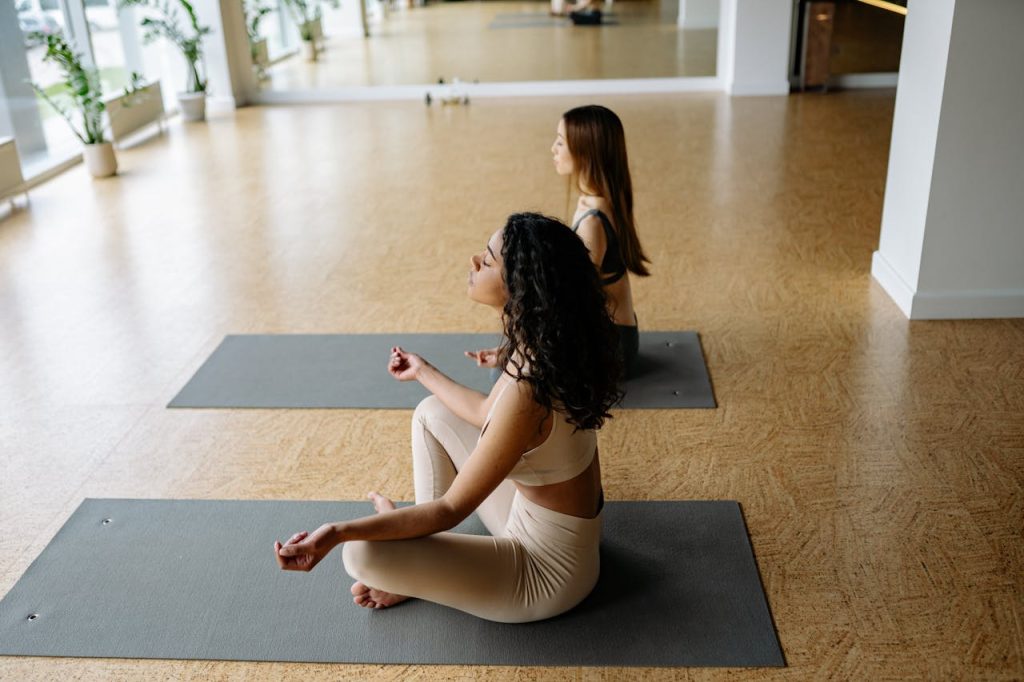
Benefits of Beginner Meditation
Starting a meditation practice as a beginner can bring profound benefits, including:
- Stress Reduction: Meditation lowers cortisol levels and promotes relaxation.
- Improved Focus: Regular practice enhances attention span and mental clarity.
- Better Emotional Health: Meditation helps manage anxiety, depression, and negative emotions.
- Enhanced Sleep: Mindfulness practices improve sleep quality and reduce insomnia.
- Physical Health Benefits: Meditation can reduce blood pressure and boost immunity.
How to Start Beginner Meditation
Starting meditation doesn’t require special equipment or extensive training. Here’s a step-by-step guide for beginners:
1. Choose a Quiet Space
Select a quiet, comfortable environment with minimal distractions. This helps beginners focus and creates a habit-friendly space.
2. Set a Time Limit
Start with 5–10 minutes per session. Gradually increase the duration as your comfort level grows.
3. Sit Comfortably
Sit on a chair or cushion with your back straight. Your hands can rest on your lap or knees. Comfort is essential to maintain focus.
4. Focus on Your Breath
- Inhale slowly through your nose.
- Exhale gently through your mouth.
- Notice the rise and fall of your chest or abdomen.
Beginner meditation often uses breathing as the anchor to the present moment.
5. Observe Your Thoughts
When your mind wanders (which it will), gently bring your focus back to your breath without judgement. This is a core principle of mindfulness.
6. End with Gratitude
After your session, take a moment to appreciate yourself for meditating. This reinforces positive feelings associated with your practice.
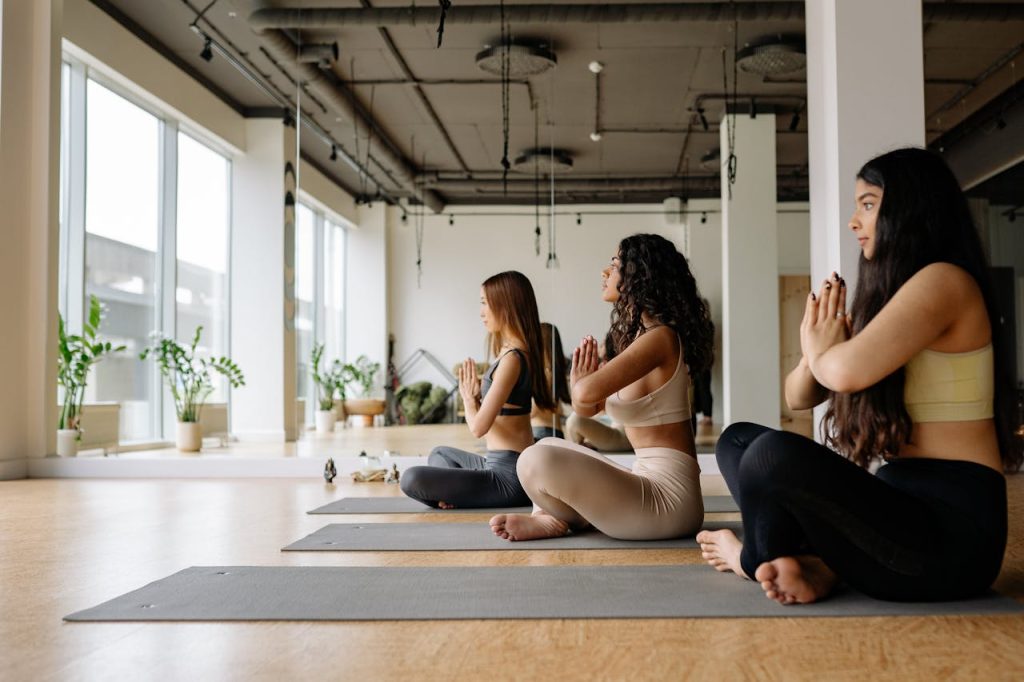
Common Beginner Meditation Techniques
There are several beginner meditation techniques suitable for starting your mindfulness journey:
1. Mindfulness Meditation
Focus on your thoughts, feelings, and sensations without judgement. Observe them as they come and go.
2. Guided Meditation
Listen to an instructor who leads you through a meditation session. This is especially helpful for beginners needing structure.
3. Body Scan Meditation
Focus attention sequentially on different parts of your body, noticing sensations and tension.
4. Loving-Kindness Meditation
Cultivate compassion for yourself and others by repeating phrases like “May I be happy, may I be healthy.”
5. Breathing Meditation
Simply focus on your breathing. Count breaths or notice the rhythm of your inhale and exhale.
Tips for Successful Beginner Meditation
To build a sustainable meditation practice, follow these tips:
- Start Small: Don’t overwhelm yourself; 5–10 minutes is enough initially.
- Consistency is Key: Meditate daily, even if only for a few minutes.
- Be Patient: Progress is gradual. Avoid judging your meditation quality.
- Use Apps or Online Resources: Beginner-friendly guided meditations can help.
- Combine with Journaling: Reflect on your experiences after each session.
- Avoid Multitasking: Focus solely on meditation during your practice.
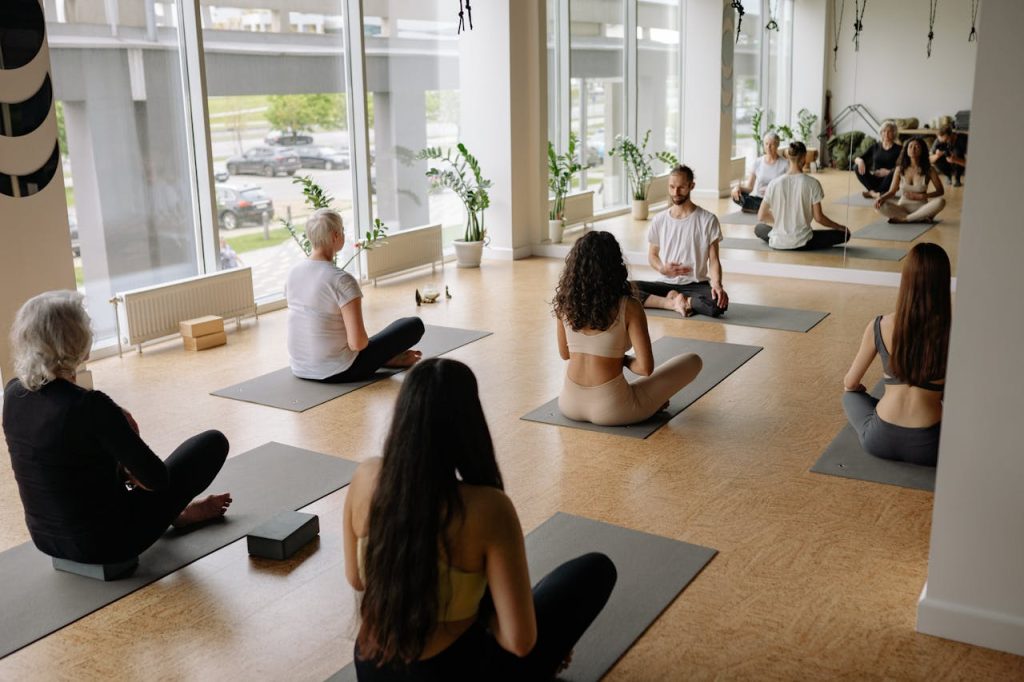
Overcoming Challenges in Beginner Meditation
Many beginners face common challenges:
- Restless Mind: Thoughts will wander. Accept it and gently return focus to your breath.
- Physical Discomfort: Adjust your posture or use cushions. Comfort improves focus.
- Impatience: Meditation benefits accumulate over time. Daily practice is more effective than long, infrequent sessions.
- Sleepiness: Meditate at times when you feel alert, such as morning or early evening.
Incorporating Meditation into Daily Life
To make beginner meditation a habit, integrate it into your daily routine:
- Morning Routine: Start the day with 5–10 minutes of meditation.
- During Breaks: Take short mindful pauses at work or home.
- Before Sleep: Calm your mind with breathing exercises.
- Mindful Activities: Practise mindfulness while walking, eating, or even washing dishes.
Tools and Resources for Beginner Meditation
- Meditation Apps: Headspace, Calm, Insight Timer.
- Online Platforms: Mindfulness Meditation Hub offers guided sessions.
- Books: The Miracle of Mindfulness by Thich Nhat Hanh, Wherever You Go, There You Are by Jon Kabat-Zinn.
- Community: Join online or local meditation groups for support.
Final Thought
Beginner meditation is a simple yet powerful tool for improving mental clarity, emotional balance, and overall well-being. By starting with short, consistent sessions and using accessible techniques, anyone can experience the benefits of mindfulness. Remember, meditation is a journey, not a destination—patience and regular practice are key.
Whether you choose guided meditations, breathing exercises, or body scans, the important step is to start today. Mindfulness Meditation Hub is here to support your meditation journey with expert resources and guided sessions tailored for beginners.