
Discover how beginning mindfulness can reduce stress, improve focus, and boost well-being. Learn simple techniques, benefits, and steps to practice mindfulness daily.
Overview
Mindfulness has become a powerful tool for mental clarity, emotional resilience, and overall well-being. Yet, many people don’t know where or how to begin. This blog post will guide you through the essentials of starting mindfulness—what it is, why it matters, and how to practice it in your everyday life.
By the end of this article, you’ll learn:
- What mindfulness truly means
- The core benefits of beginning mindfulness
- Practical techniques to start your journey
- Common challenges and how to overcome them
- How Mindfulness Meditation Hub can support your growth
What is Mindfulness?
At its core, mindfulness is the practice of being fully present in the moment—without judgment. It means noticing your thoughts, feelings, and surroundings without trying to change them immediately.
When we talk about beginning mindfulness, we mean building a habit of slowing down, paying attention, and cultivating awareness. Instead of living on “autopilot,” mindfulness helps you live with intention.
Why Beginning Mindfulness is Important
The modern world is fast-paced. Between work, family, and technology, our minds are often overstimulated. Starting a mindfulness practice can help you:
- Reduce Stress and Anxiety – Mindfulness lowers cortisol, the stress hormone.
- Improve Concentration – A mindful brain can focus better on tasks.
- Enhance Emotional Balance – Awareness helps you respond calmly instead of reacting impulsively.
- Support Physical Health – Studies link mindfulness with lower blood pressure and better sleep.
- Boost Relationships – Being present deepens connections with others.
Beginning mindfulness allows you to reclaim your attention, peace, and joy.
How to Start Practicing Mindfulness
Beginning mindfulness doesn’t require special equipment, long hours, or prior experience. You can start with just a few minutes a day.
1. Start with Your Breath
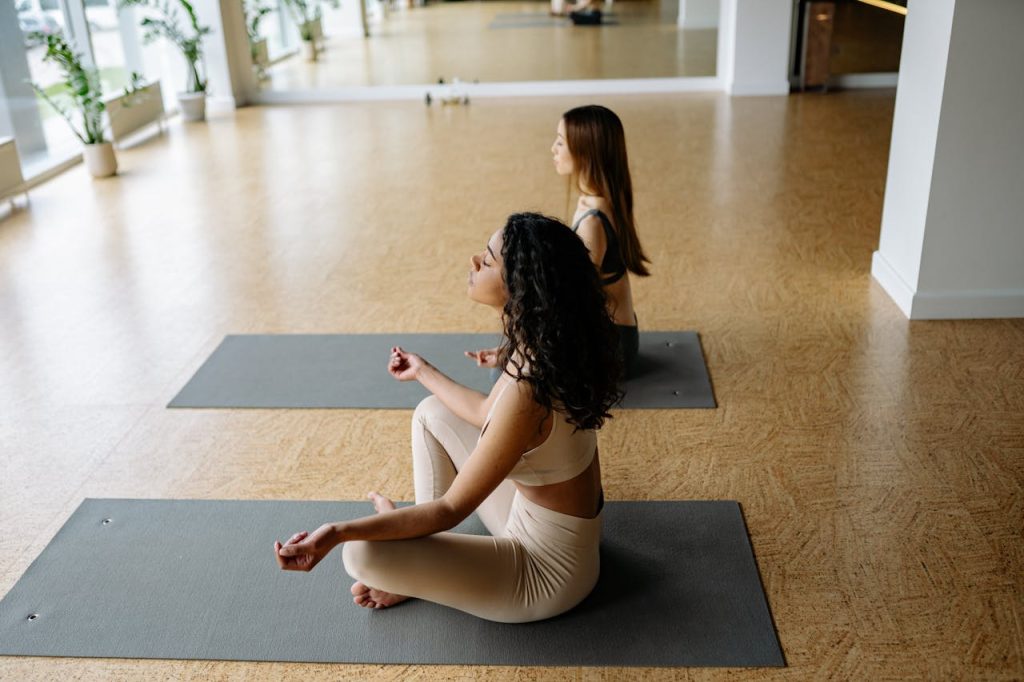
The breath is the anchor of mindfulness. Sit comfortably, close your eyes, and observe your breath. Notice the inhale, the exhale, and the pauses in between.
Tip: Even five minutes of mindful breathing can help reduce tension and bring clarity.
2. Body Scan Meditation
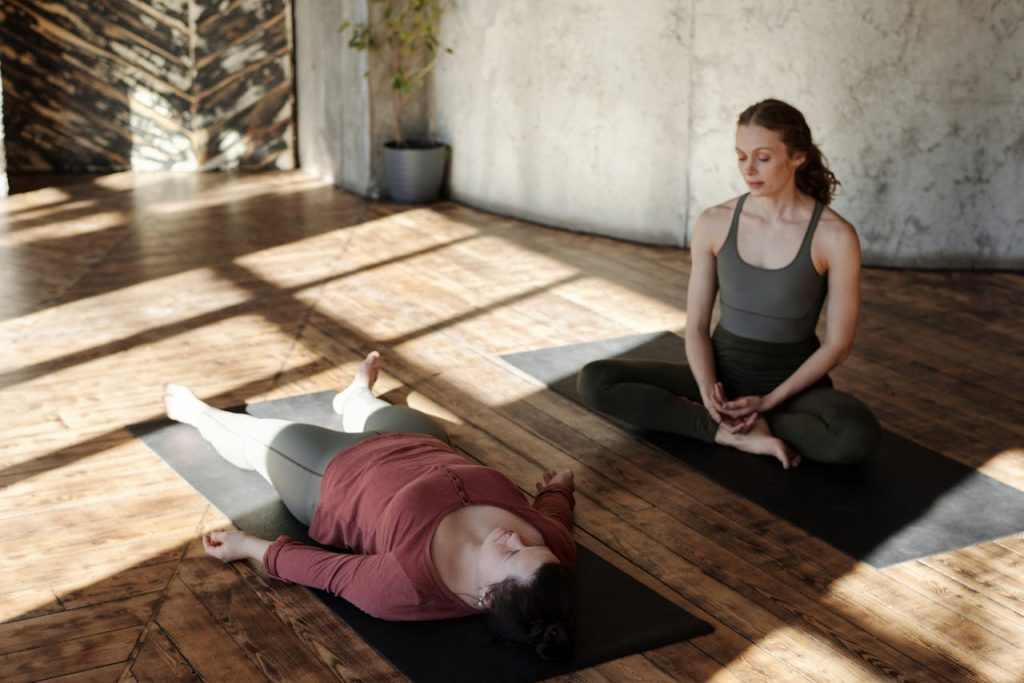
Lie down or sit comfortably. Move your awareness slowly through each part of your body—from head to toe—observing sensations, tension, or relaxation.
This technique helps beginners connect with their physical presence.
3. Mindful Eating
Choose one meal a day to practice eating without distractions. Notice the texture, taste, and smell of your food. Appreciate each bite.
Mindful eating not only improves digestion but also builds gratitude.
4. Gratitude Journaling
At the end of your day, write down three things you are grateful for. This simple practice trains your mind to focus on positivity.
5. Mindful Walking
Instead of rushing, stroll and notice how your feet touch the ground. Pay attention to the rhythm of your steps and the environment around you.

Common Challenges When Beginning Mindfulness
Starting something new can feel overwhelming. Many beginners struggle with:
- Racing Thoughts – It’s normal for the mind to wander. Gently bring your focus back to the present.
- Impatience – Results take time. Consistency matters more than perfection.
- Discomfort – Sitting still may feel strange at first, but your body will adjust.
- Doubt – Wondering “Am I doing this right?” is common. Remember: if you’re paying attention, you’re practicing mindfulness.
The key is to approach beginning mindfulness with kindness toward yourself.
Benefits of Beginning Mindfulness for Everyday Life
Once you start practicing, you’ll notice gradual but powerful changes.
- At Work – Increased focus, creativity, and productivity.
- At Home – Better communication and presence with loved ones.
- For Health – Stronger immune system, better sleep, and reduced tension.
- For Inner Peace – A more profound sense of calm, self-acceptance, and resilience.
Creating a Mindfulness Routine
Building a routine helps turn mindfulness into a habit.
- Choose a Time – Morning, lunch break, or before bed.
- Start Small – 5–10 minutes is enough for beginners.
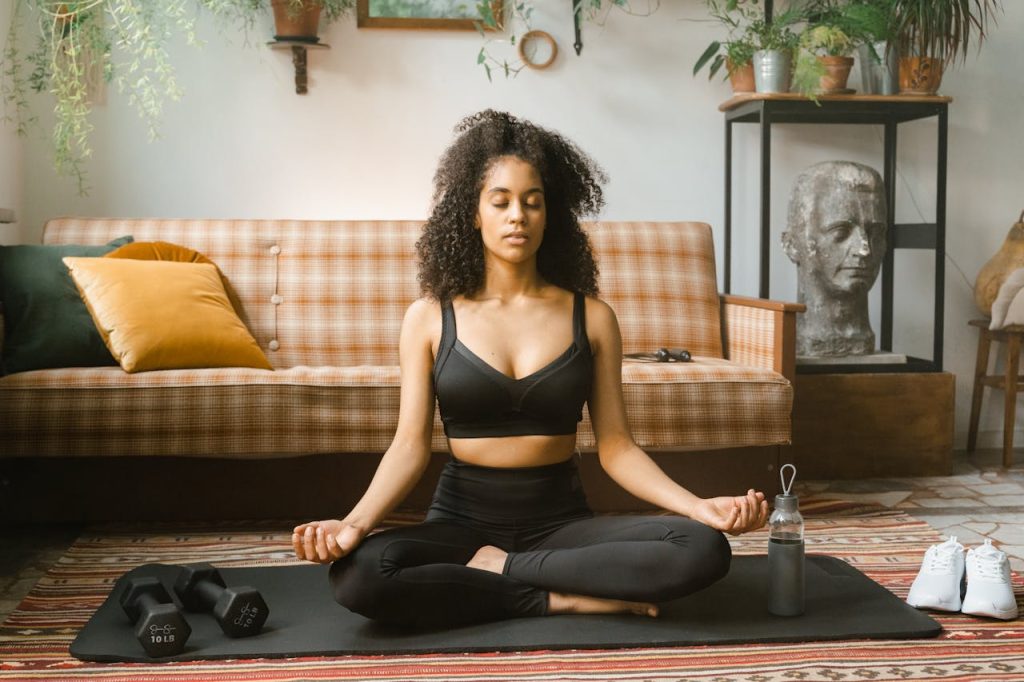
- Create a Space – A quiet corner or room dedicated to practice.
- Use Guidance – Apps, guided meditations, or our resources at Mindfulness Meditation Hub.
- Be Consistent – Practicing daily creates long-lasting benefits.
How Mindfulness Meditation Hub Can Help
At Mindfulness Meditation Hub, we specialize in helping people like you begin their mindfulness journey with ease. Our services include:
- Guided meditation sessions for beginners
- Simple breathing techniques
- Resources for stress management
- Personalized support for building daily habits
If you’re serious about beginning mindfulness, our platform provides the tools, guidance, and encouragement you need to stay consistent.
Final Thoughts
Beginning mindfulness is not about perfection—it’s about presence. By starting small and practicing consistently, you can unlock profound benefits for your mind, body, and spirit.
Whether you choose mindful breathing, meditation, or journaling, every small step brings you closer to peace and clarity.
At Mindfulness Meditation Hub, we’re here to walk this journey with you. Take the first step today and experience how mindfulness can transform your life.