
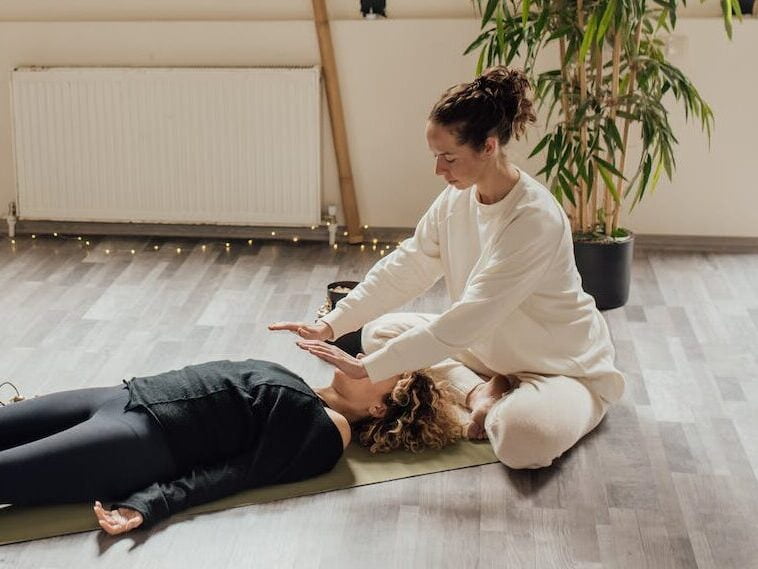
Discover the power of body scan mindfulness to reduce stress, improve focus, and enhance emotional well-being. Learn step-by-step techniques for beginners and advanced practitioners.
Overview
In this blog post, readers will learn how body scan mindfulness can enhance their mental clarity, reduce stress, and improve overall well-being. We will cover the basics of body scan meditation, step-by-step instructions, benefits, and tips for incorporating it into daily life. By the end of this guide, readers will have practical tools to practice mindfulness effectively and cultivate a deeper connection with their bodies.
What is Body Scan Mindfulness?
Body scan mindfulness is a meditation practice that focuses on systematically paying attention to different parts of the body. It encourages awareness of physical sensations, tension, and discomfort without judgment. The goal is to develop a deep sense of presence and foster relaxation.
Unlike other forms of meditation that focus on breathing or thoughts, body scan mindfulness directs attention inward, helping practitioners become more attuned to their physical and emotional state.
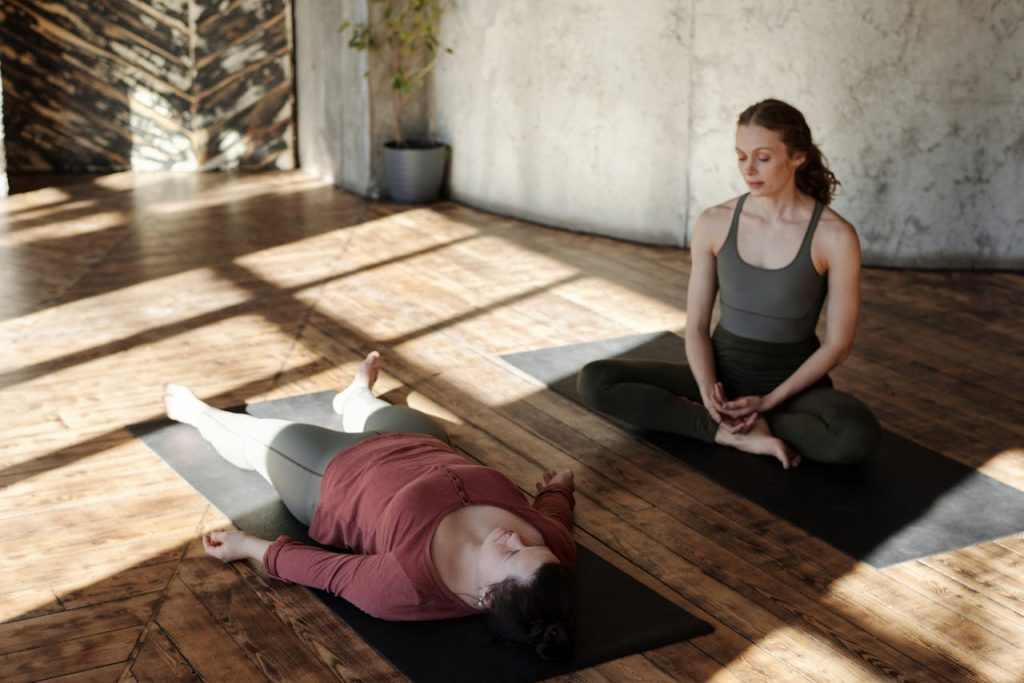
Benefits of Body Scan Mindfulness
Practicing body scan mindfulness regularly can provide a wide range of physical, emotional, and mental benefits:
- Reduces Stress and Anxiety: By focusing attention on the body, you can calm the nervous system and lower stress hormones.
- Improves Sleep Quality: Regular practice before bedtime promotes relaxation and helps manage insomnia.
- Enhances Emotional Awareness: Helps identify emotional patterns tied to physical sensations.
- Boosts Mindfulness Skills: Strengthens overall ability to stay present in daily life.
- Relieves Physical Tension: Increases awareness of muscle tightness and areas of discomfort, promoting relaxation.
- Supports Pain Management: Mindfulness can reduce the perception of chronic pain and improve coping strategies.
How to Practice Body Scan Mindfulness
Here’s a simple step-by-step guide to start your body scan mindfulness practice:
Step 1: Find a Quiet Space
Choose a calm, quiet environment where you won’t be disturbed. You can sit in a chair or lie down on a comfortable surface.
Step 2: Settle into Your Body
Close your eyes and take a few deep breaths. Notice how your body feels in the space you occupy. Allow yourself to become fully present.
Step 3: Start with the Feet
Bring attention to your feet. Notice any sensations—warmth, tingling, pressure, or discomfort. Observe without trying to change anything.
Step 4: Move Upward
Slowly move your focus up your body:
- Ankles and calves
- Knees and thighs
- Hips and lower back
- Abdomen and chest
- Hands and arms
- Shoulders and neck
- Face and head
Spend a few moments on each area, noticing sensations and letting go of tension.
Step 5: Observe, Don’t Judge
During the scan, sensations may arise, such as tension or discomfort. Instead of judging, acknowledge them and let them be.
Step 6: Finish with Full-Body Awareness
After scanning all areas, bring attention to your body as a whole. Feel the connection from head to toe and notice a sense of relaxation and presence.
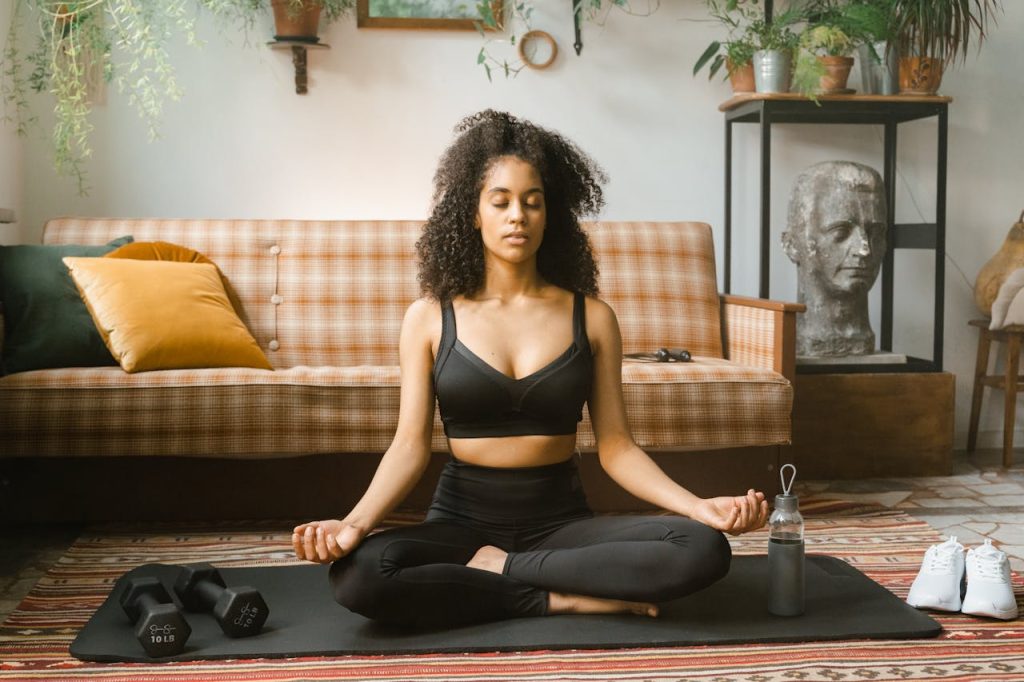
Tips for an Effective Body Scan Mindfulness Practice
- Consistency is Key: Practice daily, even for 5–10 minutes, to experience long-term benefits.
- Use Guided Meditations: Beginners may benefit from guided audio sessions to stay focused.
- Practice Mindful Breathing: Pair your scan with deep breathing to enhance relaxation.
- Be Patient: Awareness and relaxation improve gradually over time.
- Avoid Expectations: Let go of the need for a “perfect” session. Mindfulness is about observing, not achieving.
Body Scan Mindfulness for Beginners
If you are new to meditation, start with shorter sessions:
- Begin with 5–10 minutes and gradually increase to 20–30 minutes.
- Focus on one area of the body at a time to avoid feeling overwhelmed.
- Use gentle reminders to return your attention to the scan if the mind wanders.
By incorporating these beginner-friendly strategies, you can develop a sustainable body scan mindfulness routine.
Advanced Body Scan Techniques
Once you feel comfortable with basic practice, you can explore advanced techniques:
- Sensory Expansion: Notice subtle sensations like temperature changes or tingling.
- Emotional Mapping: Observe how emotions manifest in different body parts.
- Integration with Breathwork: Synchronize your awareness with slow, deep breathing.
- Movement Scans: Incorporate gentle stretches while maintaining mindful attention.
These advanced methods deepen the mind-body connection and enhance the meditative experience.
Body Scan Mindfulness in Daily Life
Body scan mindfulness doesn’t have to be limited to formal meditation sessions. You can integrate it into your daily routine:
- Take a mindful pause while sitting at your desk.
- Practice a quick scan during a break or while lying in bed.
- Use it as a tool to manage stress before meetings or public speaking.
- Combine it with mindful walking to stay grounded and aware.
By embedding mindfulness in everyday activities, you strengthen your awareness and reduce habitual stress responses.
Common Challenges and How to Overcome Them
Some people face difficulties when starting body scan mindfulness. Here’s how to handle everyday challenges:
- Restlessness or Fidgeting: Keep sessions short initially and gradually increase duration.
- Mind Wandering: Gently bring your attention back to the body without self-criticism.
- Discomfort or Pain: Focus on sensations without attempting to change them; adjust posture if necessary.
- Sleepiness: Practice at different times of day to see when your attention is most alert.
Why Choose Mindfulness Meditation Hub for Body Scan Guidance
At Mindfulness Meditation Hub, we provide expert guidance to help you master body scan mindfulness:
- Professionally crafted guided meditations for all levels
- Step-by-step instructions and tips for optimal practice
- Supportive resources for stress reduction, emotional balance, and overall well-being
- Access to community and educational materials to deepen your mindfulness journey
Our goal is to make mindfulness accessible, effective, and life-enhancing for everyone.
Final Thoughts
Body scan mindfulness is a powerful meditation technique that can improve mental, emotional, and physical health. Whether you are a beginner or an experienced practitioner, regular practice helps cultivate presence, reduce stress, and strengthen the mind-body connection.
Start today by dedicating a few minutes to scanning your body from head to toe, observing sensations without judgment, and embracing the calm and clarity that follows.
By integrating this practice into your daily life, you can experience profound benefits that extend beyond meditation sessions and enhance your overall quality of life.