
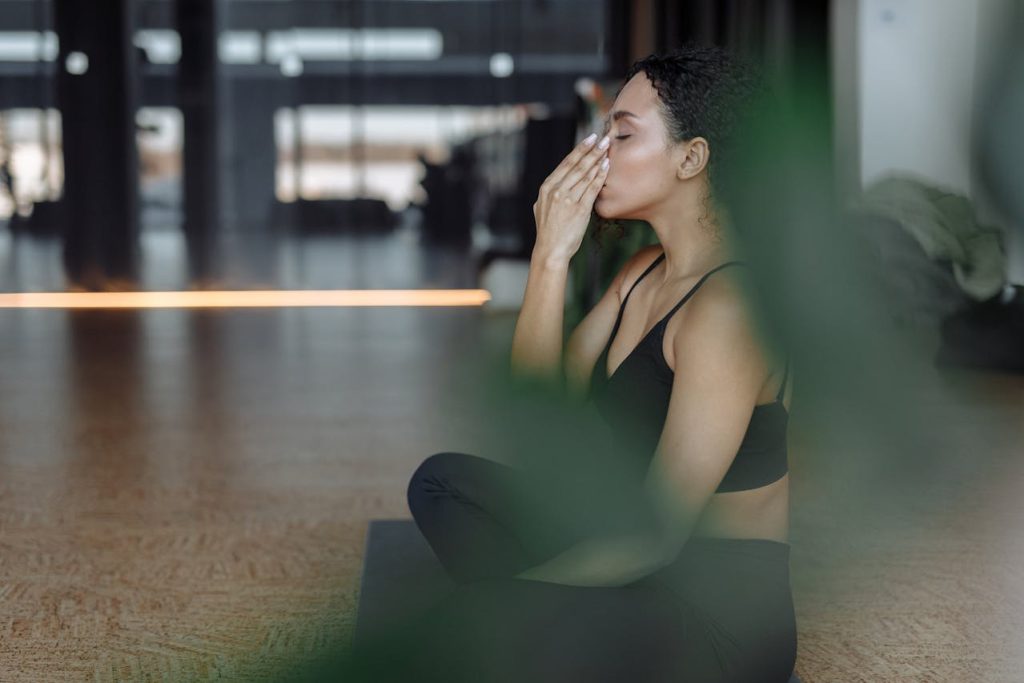
Discover the power of breath meditation to reduce stress, enhance focus, and improve well-being. Learn techniques, benefits, and tips for daily practice.
Overview
In today’s fast-paced world, finding moments of calm and clarity can be challenging. Breath meditation is a simple yet powerful mindfulness practice that helps you connect with the present moment, reduce stress, and improve overall well-being.
In this comprehensive guide, you will learn:
- What breath meditation is and why it works
- Step-by-step techniques for beginners and advanced practitioners
- The mental, emotional, and physical benefits of practicing breath meditation
- Tips to make breath meditation a daily habit
- Common challenges and how to overcome them
By the end of this article, you’ll have all the tools you need to start your breath meditation journey and integrate mindfulness into your everyday life.
What is breath meditation?
Breath meditation, also called mindful breathing, is a form of meditation where your focus is on your breath. It involves observing each inhalation and exhalation, helping you anchor your mind to the present moment. Unlike other forms of meditation, breath meditation requires no special equipment or extensive training, making it accessible to everyone.
At its core, breath meditation is about developing awareness—becoming conscious of your thoughts, emotions, and sensations without judgment. This practice allows your mind to settle naturally and fosters a state of inner calm.

How Breath Meditation Works
When you focus on your breathing, your body naturally shifts into a relaxed state. The process works through several mechanisms:
- Activation of the parasympathetic nervous system: Deep, mindful breathing signals your body to relax, reducing stress hormones like cortisol.
- Increased oxygen flow: Mindful inhalation and exhalation improve oxygen supply to the brain and body, boosting energy and focus.
- Mind-body connection: Focusing on your breath creates a strong link between your mind and body, enhancing awareness and emotional regulation.
These physiological and psychological effects make breath meditation a highly effective tool for stress management, emotional balance, and mental clarity.
Benefits of Breath Meditation
Practicing breath meditation regularly provides a wide range of benefits for your mind, body, and overall well-being.
Mental Benefits
- Reduces stress and anxiety: By calming the nervous system, breath meditation helps lower stress and anxiety levels.
- Enhances focus and concentration: Focusing on your breath strengthens attention and mental clarity.
- Improves emotional resilience: Regular practice helps regulate emotions and reduces negative thinking patterns.
Physical Benefits
- Lowers blood pressure: Mindful breathing can help maintain healthy blood pressure levels.
- Improves sleep quality: Breath meditation relaxes your mind and body, making it easier to fall asleep and enjoy restorative rest.
- Boosts energy levels: Mindful breathing increases oxygen flow, which revitalizes the body and mind.
Spiritual Benefits
- Enhances mindfulness: Breath meditation fosters present-moment awareness, which is essential for spiritual growth.
- Promotes self-awareness: Observing your breath helps you connect with your inner self and gain clarity about your thoughts and feelings.
Step-by-Step Guide to Breath Meditation
Whether you are a beginner or have prior meditation experience, these step-by-step instructions will guide you through a successful breath meditation session.
Step 1: Find a Comfortable Space
Choose a quiet and comfortable place where you won’t be disturbed. You can sit on a chair or cushion or even lie down if needed.
Step 2: Adopt a Relaxed Posture
Keep your back straight but relaxed. Place your hands on your lap or knees, and gently close your eyes.
Step 3: Focus on Your Breath
- Take a few deep breaths to settle in.
- Begin observing your natural breathing pattern—inhale through your nose and exhale through your mouth or nose.
- Notice the sensations of the breath entering and leaving your body.
Step 4: Anchor Your Mind
When thoughts arise, gently bring your attention back to your breath. Your mind may wander—that’s normal. The key is to refocus without judgment.
Step 5: Set a Time Limit
Start with 5–10 minutes daily and gradually increase to 20–30 minutes as you become more comfortable.
Step 6: Conclude Mindfully
Before ending your session, take a few moments to notice how your body and mind feel. Slowly open your eyes and transition gently back into your day.
Tips for Practicing Breath Meditation Daily
Consistency is key to reaping the benefits of breath meditation. Here are some tips to make it a daily habit:
- Start small: Begin with 5–10 minutes per day and gradually increase your practice.
- Use reminders: Set alarms or schedule your sessions at the same time each day.
- Create a peaceful environment: Use calming music, incense, or dim lighting to enhance focus.
- Combine with other mindfulness practices: Pair breath meditation with yoga, journaling, or mindful walking for holistic benefits.
- Be patient: Mindfulness is a skill that improves over time. Don’t judge yourself for wandering thoughts.
Common Challenges and How to Overcome Them
Even seasoned practitioners encounter obstacles during breath meditation. Here are common challenges and practical solutions:
- Restless mind: Accept wandering thoughts and gently redirect your focus to your breath.
- Physical discomfort: Adjust your posture, use cushions, or practice lying down if sitting is uncomfortable.
- Difficulty maintaining consistency: Start with short sessions, schedule them at a fixed time, and track your progress.
- Impatience for results: Remember that benefits increase over time with regular practice. Be patient and persistent.
Breath Meditation Techniques to Explore
To keep your practice fresh, explore different breath meditation techniques:
- Box Breathing: Inhale, hold, exhale, and pause for equal counts (e.g., 4-4-4-4).
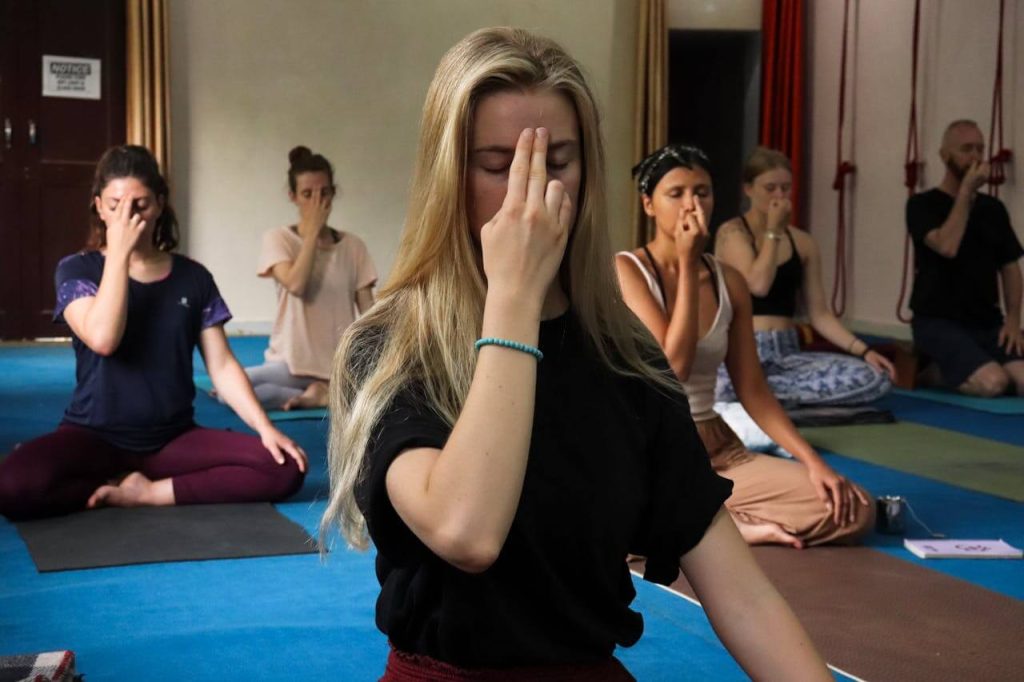
- Alternate Nostril Breathing: Inhale through one nostril, exhale through the other, and switch.
- Counting Breath: Count each breath up to 10 and repeat.
- Deep Belly Breathing: Focus on expanding your diaphragm instead of shallow chest breathing.
Experiment with these techniques to find the one that resonates with you.
How Mindfulness Meditation Hub Can Help
At Mindfulness Meditation Hub, we offer guided breath meditation sessions for all levels. Our online resources make it easy to:
- Learn proper breathing techniques
- Follow guided meditations from certified instructors
- Develop a consistent daily meditation routine
- Access video and audio resources anytime, anywhere
By practicing with guidance, you can accelerate your mindfulness journey and enjoy the full spectrum of benefits.
Final Thoughts
Breath meditation is a simple yet transformative practice that anyone can integrate into daily life. By focusing on your breath, you cultivate mindfulness, reduce stress, enhance focus, and improve overall well-being. With consistent practice, breath meditation can become a powerful tool for mental, emotional, and physical health.
Start today—take a few deep breaths, center yourself, and experience the calm that comes with mindful breathing. Your journey toward inner peace and clarity begins with a single breath.