
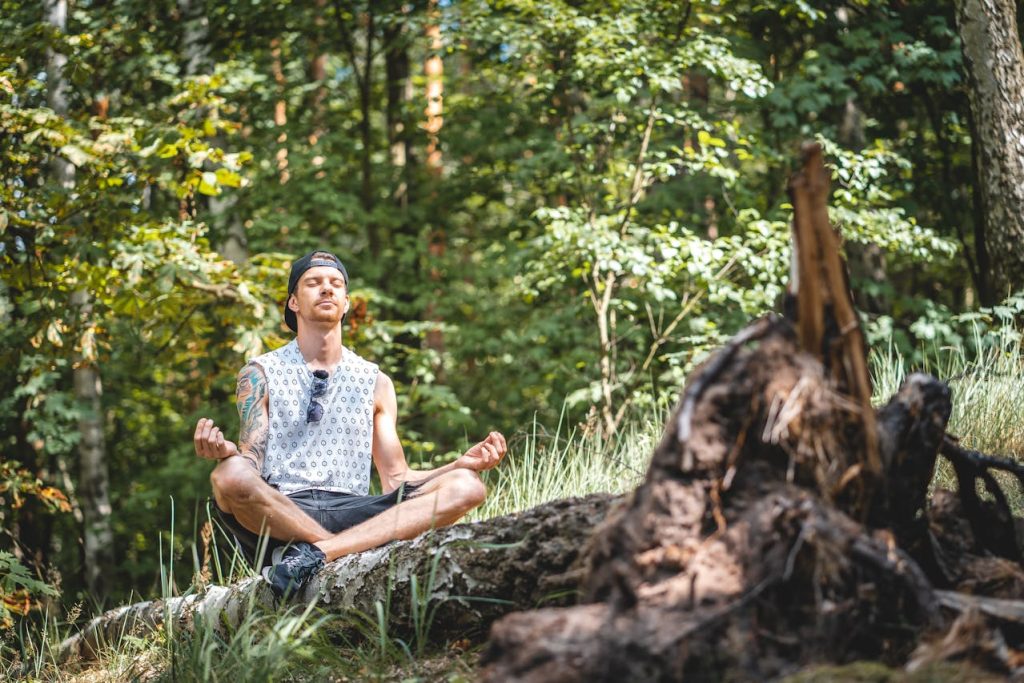
Discover how to build emotional resilience through mindfulness with practical strategies, expert tips, and guided practices. Strengthen your inner peace and manage stress more effectively today.
Overview: What You Will Learn
This post will show how mindfulness can help us grow emotionally resilient. The article explains what emotional resilience is and how it’s crucial for good mental health. It also offers insight into how mindfulness can build up your ability to remain calm, centered, and regulated in the face of life’s stressors. Readers will learn:
- Why emotional resilience matters
- Why mindfulness eases emotional reactivity
- Mindfulness One Thing Mental Health How to keep your head in the game: Resilient mindfulness practices, steps 1-2
- Scientific studies supporting this connection
- How to start today with accessible tools from the Mindfulness Meditation Hub
Build Emotional Resilience Through Mindfulness
In today’s fast-paced world, stress, anxiety, and emotional overwhelm are all too everyday. Emotional resilience—the ability to bounce back from adversity and weather life’s ebb and flow—is more than a feel-good concept; it’s a critical life skill. Fortunately, a potent, evidence-based strategy can help: cultivating emotional resilience with mindfulness.
Let’s learn how mindfulness works, why it’s essential, and how to set the stage for a more emotionally balanced and resilient life.

What Is Emotional Resilience?
Emotional resilience means that we can bounce back from emotional setbacks, survive stress, and even thrive in those circumstances. It’s not about suppressing your feelings or “toughing it out.” It’s not about expressing how regrettably angry or sad you are on some level.
Signs of Emotional Resilience:
- You adapt well to change and uncertainty.
- You manage your emotions in healthy ways.
- You bounce back quickly after challenges.
- You maintain perspective during stress.
- You don’t get stuck in negative thought loops.
Why Mindfulness Is a Key Tool for Resilience
Mindfulness is the practice of paying attention to the present moment without judgment. It involves tuning into your thoughts, emotions, and bodily sensations with curiosity and compassion. When practiced regularly, mindfulness builds emotional awareness and enhances self-regulation—both core components of emotional resilience.
Here’s how mindfulness helps build emotional resilience:
- Regulates emotional reactivity: Mindfulness helps reduce automatic responses to stress.
- Enhances awareness: You learn to identify emotional triggers and patterns.
- Promotes self-compassion: You develop kindness toward yourself in challenging moments.
- Improves focus and clarity: This helps with decision-making during adversity.
- Reduces rumination: You stop getting stuck in past regrets or future worries.
Scientific Backing: The Mindfulness-Resilience Link
“The experience of being mindful significantly improves emotional resilience.“ For example:
- A 2014 Personality and Individual Differences study found that individuals with high trait mindfulness reported higher resilience and less stress.
- A 2016 meta-analysis in the Clinical Psychology Review reported that mindfulness-based interventions significantly reduce symptoms of anxiety, depression, and emotional dysregulation.
- Neuroscientific research shows that mindfulness strengthens areas of the brain linked to emotional control, such as the prefrontal cortex and anterior cingulate cortex.
These studies clarify that you can build emotional resilience through mindfulness with real, lasting benefits.

Simple Mindfulness Practices to Build Emotional Resilience
You don’t need hours of meditation to start reaping the benefits. Below are effective, beginner-friendly techniques you can start today:
1. Mindful Breathing
Focus on your breath for just 2–5 minutes. Inhale deeply through your nose, exhale slowly through your mouth. Each time your mind wanders, gently bring it back to your breath.
Benefits: Calms the nervous system, increases focus, and reduces emotional overwhelm.
2. Body Scan Meditation
Lie down or sit comfortably. Slowly bring your attention to each body part, starting at your toes and moving upward.
Benefits: Enhances body awareness, reduces physical tension, and supports emotional grounding.
3. Labeling Emotions
Silently label the strong emotion: “I am anxious“ or “This is sadness.“ This puts a gap between you and that emotion.
“Benefits”: Promotes emotional wisdom and reduces emotional reactivity.
4. Loving-Kindness Meditation
Mentally repeat phrases like: “May I be happy. May I be safe? May I live with ease.“ Then, extend these wishes to others.
Benefits: Fosters compassion, heals emotional wounds, builds connection.
5. Gratitude Practice
Write down three things you’re grateful for.
Benefits: Shifts perspective, promotes optimism, reinforces emotional balance.

How to Start and Stick With Mindfulness Practice
Building emotional resilience through mindfulness takes consistency, not perfection. Here are some tips to keep going:
Start Small
Begin with 2–5 minutes daily and gradually increase your practice time.
Create a Routine
Set a reminder or tie your practice to an existing habit (e.g., after brushing your teeth).
Use Guided Meditations
If you’re unsure where to start, try guided meditations. Mindfulness Meditation Hub offers expert-led audio and video practices tailored for beginners and experienced meditators.
Track Your Progress
Journaling your experience helps you notice subtle mood, behavior, and perspective shifts.
Be Kind to Yourself
Some days will feel easier than others. That’s part of the journey. Every time you sit down to practice, you’re reinforcing your resilience muscle.
How Mindfulness Meditation Hub Can Help
At Mindfulness Meditation Hub, we are all about helping you create emotional resilience through the power of mindfulness. We have a team of professional meditation guides and mental wellness experts whose resources we freely make available to the public.
We offer:
- Guided meditations for emotional balance and resilience
- Step-by-step courses on mindful living
- Breathing techniques and body awareness exercises
- A supportive online community for mindfulness seekers
Whether new to meditation or looking to deepen your practice, we support your path to inner strength and clarity.
Judgment: You Can Build Emotional Resilience Through Mindfulness
Emotional resilience isn’t a quality you are born with but one you build. Integrating mindfulness into everyday life teaches your brain to remain calm, present, and empathetic despite stress or adversity.
For this reason, Mindfulness Meditation Hub is here to help you along each step of the journey. (AG) With steady practice and the proper tools, you will become more skilled at managing life’s difficulties and handling your feelings with elegance.
Related Topics
- A Guided Meditation for Coming Home to Yourself
- A Guided Meditation to Reset and Let Go
- The Top 10 Guided Meditations of 2020
- Try This Self-Guided Meditation Retreat for Rest and Restoration
- A Guided Meditation Script to Help Kids Explore Feelings About Change
- A 12-Minute Meditation to Widen Your Perspective
- A 5-Minute Meditation to Shift From Overwhelm to Opportunity
- A 12-Minute Meditation to Cultivate Gratitude for Small Things
- A Guided Meditation to Set Your Intentions for the New Year
- A 3-Minute Meditation to Calm Your Mind
- This Loving-Kindness Meditation is a Radical Act of Love
- A 12-Minute Meditation for Grief and Loss
- A Meditation on Endings