

Discover practical burnout mindfulness techniques to reduce stress, increase focus, and regain your energy. Learn expert strategies to prevent burnout and enhance your well-being.
Overview
In this blog post, readers will learn how burnout mindfulness can help manage stress, prevent emotional exhaustion, and restore mental clarity. The post will explore what burnout is, the role of mindfulness in addressing burnout, practical mindfulness exercises, and long-term strategies to maintain balance and energy. By the end, readers will have actionable techniques to incorporate mindfulness into their daily lives, supporting both personal and professional well-being.
Burnout Mindfulness: A Path to Stress Relief and Energy Renewal
In today’s fast-paced world, burnout has become an increasingly common challenge. Between demanding jobs, constant digital distractions, and personal obligations, it’s easy to feel emotionally, mentally, and physically drained. Burnout mindfulness offers a powerful approach to counter these challenges, helping individuals regain focus, resilience, and balance.
In this article, we’ll explore the concept of burnout mindfulness, its benefits, and practical strategies to integrate mindfulness into daily life.

What Is Burnout?
Burnout is a state of chronic stress that can lead to exhaustion, cynicism, and reduced productivity. It often arises from prolonged work pressure, lack of support, or imbalance between personal and professional life. Common symptoms include:
- Persistent fatigue and low energy
- Irritability and mood swings
- Reduced concentration and memory problems
- Detachment or feelings of helplessness
- Physical symptoms like headaches or insomnia
Left unaddressed, burnout can affect mental health, physical health, and overall quality of life. This is where burnout mindfulness comes into play as a preventive and restorative tool.
Understanding Burnout Mindfulness
Burnout Mindfulness combines the practice of mindfulness with strategies aimed at alleviating and preventing burnout. Mindfulness, in essence, is the ability to be fully present in the moment, aware of your thoughts and feelings without judgment.
By practicing mindfulness, individuals can:
- Reduce stress and anxiety
- Increase emotional regulation
- Improve focus and mental clarity
- Strengthen resilience to challenging situations
Burnout Mindfulness specifically targets the symptoms of burnout by helping you recognize early warning signs, pause before reacting to stress, and create healthier coping mechanisms.
The Benefits of Burnout Mindfulness
Incorporating burnout mindfulness into your routine has numerous benefits:
1. Emotional Balance
Mindfulness helps you become more aware of emotional triggers, reducing overreactions and promoting calm responses.
2. Increased Focus and Productivity
Regular mindfulness practice enhances concentration, enabling you to approach tasks with clarity and purpose.
3. Improved Physical Health
Mindfulness can reduce stress-induced physical symptoms like headaches, muscle tension, and high blood pressure.
4. Enhanced Resilience
By practicing mindfulness, you build the ability to recover more quickly from stressful experiences and prevent burnout from escalating.
5. Better Work-Life Integration
Mindfulness encourages conscious choices, helping you set boundaries and prioritize self-care effectively.

Practical Burnout Mindfulness Techniques
Here are some actionable burnout mindfulness exercises you can practice daily:
1. Mindful Breathing
Focus on your breath, observing each inhale and exhale. This simple practice can be done anywhere and helps anchor you to the present moment.
How to practice:
- Sit or stand comfortably
- Take slow, deep breaths.
- Notice the rise and fall of your chest.
- Let go of racing thoughts.
2. Body Scan Meditation
A body scan promotes relaxation and awareness of physical tension caused by stress.
Steps:
- Lie down or sit comfortably
- Slowly bring attention to each body part, starting from your toes to your head.
- Notice areas of tension and consciously release them.
3. Mindful Journaling
Writing down thoughts and feelings can help you process stress and identify patterns leading to burnout.
Tips:
- Set aside 10-15 minutes daily
- Write without judgment
- Reflect on what triggers stress and how you respond.
4. Walking Meditation
Combine movement with mindfulness by focusing on each step, your breath, and the environment around you.
Steps:
- Walk slowly and deliberately.
- Feel the ground beneath your feet
- Notice sounds, sights, and sensations.
5. Mindful Breaks
Take short breaks throughout your day to reconnect with your breath, stretch, or practice gratitude. Even 2-5 minutes can reset your stress levels.
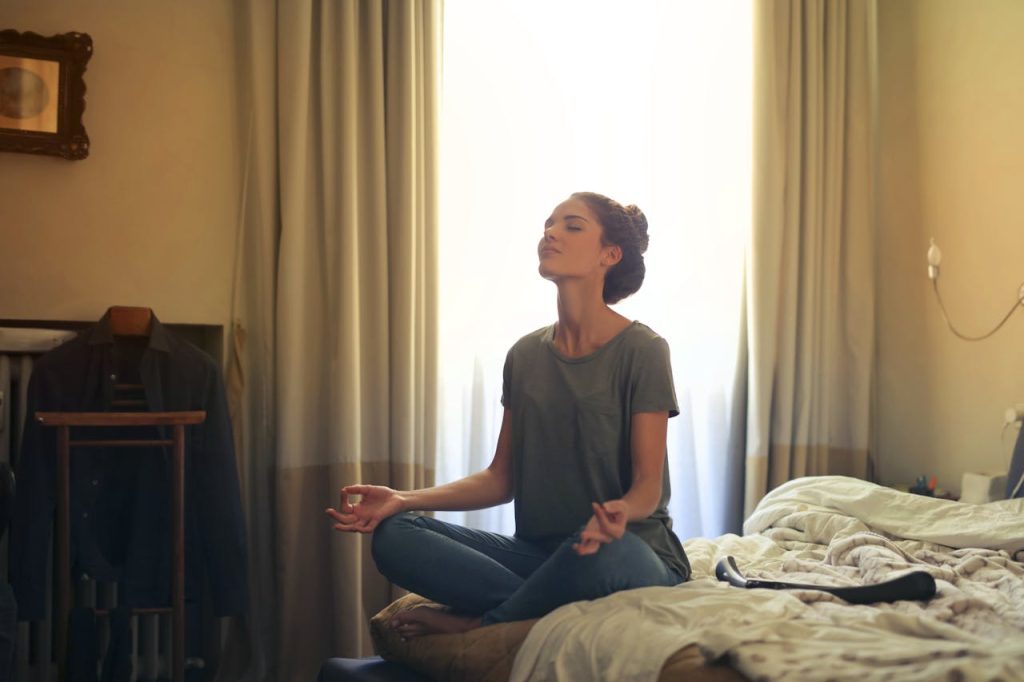
Incorporating Burnout Mindfulness into Daily Life
To make burnout mindfulness a sustainable habit, consider the following strategies:
Set a Daily Mindfulness Routine
Consistency is key. Start with 5-10 minutes per day and gradually increase.
Create Mindful Spaces
Designate areas in your home or workspace for meditation, reflection, or quiet breaks.
Use Technology Mindfully
Limit notifications, take breaks from screens, and practice digital detoxes to reduce mental clutter.
Prioritize Sleep and Nutrition
Mindfulness works best alongside healthy habits. Adequate sleep and balanced nutrition support mental clarity and energy.
Seek Support
Consider group meditation classes or mindfulness coaching for accountability and deeper learning.
How Mindfulness Helps Prevent Burnout
Burnout often develops gradually, and early intervention is critical. Burnout mindfulness helps you:
- Identify stressors before they escalate
- Respond thoughtfully rather than react impulsively
- Build emotional and physical resilience
- Maintain long-term energy and engagement in work and life
By integrating mindfulness into daily routines, you create a proactive approach to stress management, ensuring burnout doesn’t take hold.
Final Thought
Burnout is a real challenge in modern life, but it doesn’t have to control your well-being. Burnout mindfulness provides a practical, evidence-based approach to reduce stress, regain focus, and restore energy.
By practicing techniques like mindful breathing, body scans, journaling, and walking meditation, and by creating consistent daily habits, you can effectively manage stress and prevent burnout.
Mindfulness is not just a temporary solution; it’s a lifestyle choice that fosters resilience, emotional balance, and overall wellness. Start today, even with a few minutes a day, and experience the transformative benefits of burnout mindfulness in your life.