

Discover the transformative power of compassion and how mindfulness can help you cultivate kindness, reduce stress, and improve relationships. Learn practical steps to live with more compassion today.
Overview
In today’s fast-paced world, compassion often takes a backseat to stress, competition, and personal challenges. Yet, compassion is one of the most powerful forces we can nurture—for ourselves and for others. In this blog, you’ll learn what compassion truly means, why it matters for your mental and emotional well-being, and how mindfulness meditation can help you embody it in everyday life. By the end, you’ll have a clear understanding of compassion, practical exercises to strengthen it, and insights into how our services at Mindfulness Meditation Hub can guide you on this journey.
What Is Compassion?
Compassion is more than sympathy or empathy. It is the conscious act of recognizing another’s suffering and taking steps to alleviate it. Unlike pity, it comes from a place of equality and deep human connection. It also extends inward, reminding us to be kind and forgiving toward ourselves.
When practiced regularly, compassion:
- Reduces stress and anxiety
- Enhances emotional resilience
- Strengthens personal and professional relationships
- Promotes inner peace and fulfillment

The Science Behind Compassion
Research from neuroscience and psychology shows that compassion is not just a virtue but a skill we can cultivate. Studies reveal that practicing compassion increases activity in the brain regions associated with empathy and emotional regulation. This helps reduce negative emotions while boosting feelings of joy and connection.
In fact, people who practice it regularly experience:
- Lower blood pressure and reduced risk of heart disease
- Increased levels of oxytocin (the “love hormone”)
- Better immune function
- A more profound sense of life satisfaction
Compassion and Mindfulness: How They Work Together
Mindfulness is the foundation of cultivating compassion. By paying attention to the present moment without judgment, we become more aware of our own thoughts, emotions, and reactions. This awareness creates space for kindness rather than criticism.
For example, when you practice mindfulness:
- You notice stress before it overwhelms you
- You observe others’ struggles with openness instead of judgment
- You respond with calmness and understanding instead of anger
Mindfulness meditation creates fertile ground where it can naturally grow.
Self-Compassion: The First Step
Often, we are kinder to others than we are to ourselves. Self-compassion is about treating yourself with the same care you would offer a close friend. Instead of harsh self-criticism, self-compassion allows you to acknowledge mistakes, forgive yourself, and learn without guilt.
Benefits of self-compassion include:
- Improved confidence and self-esteem
- Reduced feelings of shame and perfectionism
- Greater emotional balance
- Better ability to cope with challenges
Practical Ways to Cultivate Compassion
1. Mindful Breathing for Compassion
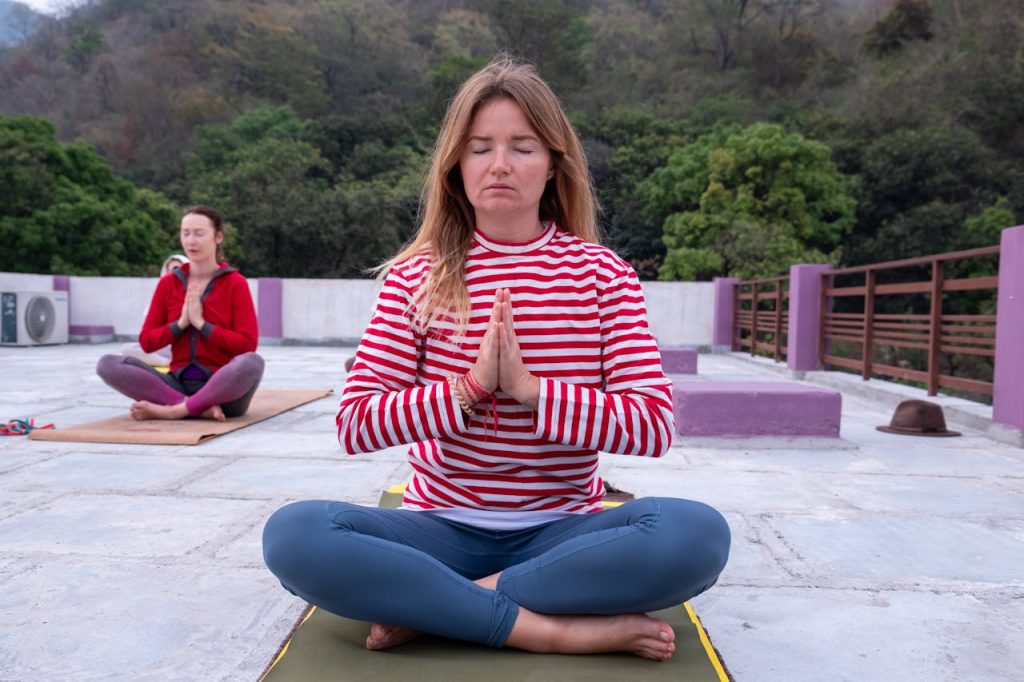
Take 5–10 minutes daily to sit quietly and focus on your breath. With each inhale, imagine filling your heart with kindness. With each exhale, release judgment or negativity.
2. Loving-Kindness Meditation (Metta)
Repeat simple phrases like:
- “May I be happy.”
- “May I be healthy.”
- “May I live with ease.”
Then extend these wishes to loved ones, strangers, and eventually, even people you find challenging.
3. Practice Active Listening
Genuine compassion means listening without judgment. When speaking with someone, focus entirely on their words, tone, and emotions without planning your response.
4. Acts of Kindness
Small gestures—like offering a smile, helping a colleague, or sending a thoughtful message—strengthen compassionate habits.
5. Journaling
Write about moments in your day where you acted with compassion or where you wished you had. Reflection builds awareness and growth.
Compassion in Daily Life
It doesn’t just belong in meditation; it belongs in every interaction. Here’s how you can integrate it:
- At work: Support colleagues, be patient in stressful situations, and acknowledge others’ efforts.
- In relationships: Show empathy, forgive mistakes, and express appreciation regularly.
- With strangers: Hold the door open, smile, or offer encouragement to someone in need.
- Toward yourself: Rest when you’re tired, forgive yourself when you stumble, and celebrate small wins.
The Role of Compassion in Healing
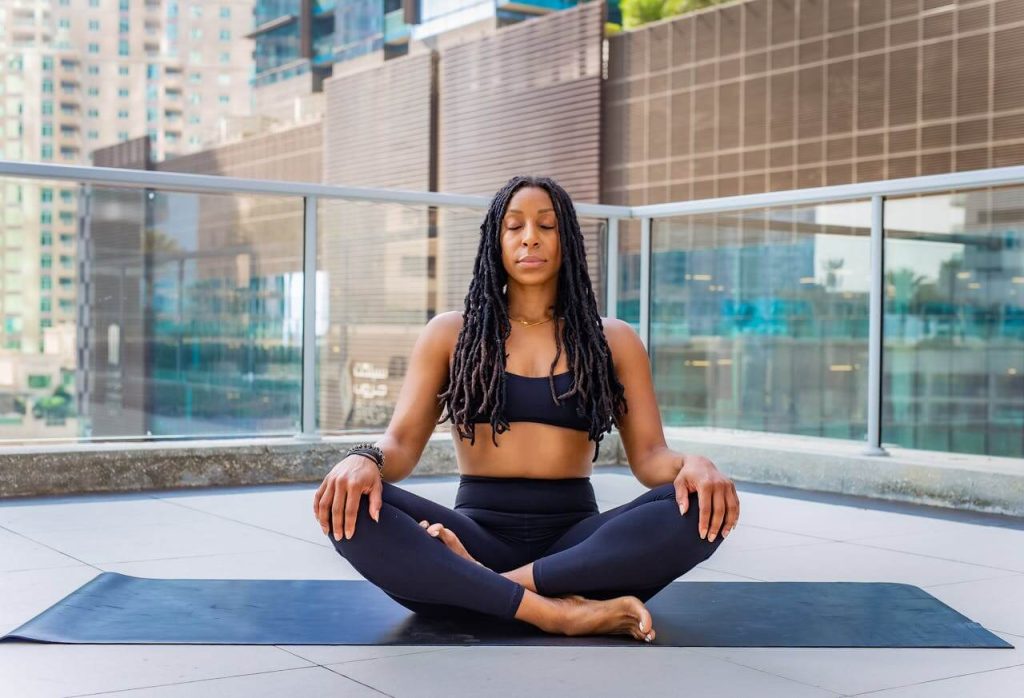
Compassion plays a vital role in healing from stress, trauma, and emotional pain. By approaching yourself and others with kindness, you create a safe emotional space where growth and transformation can occur.
At Mindfulness Meditation Hub, our guided meditations are designed to help you experience this healing process by combining mindfulness practices with compassion-focused techniques.
Why Compassion Matters Now More Than Ever
In today’s world—marked by division, stress, and uncertainty—compassion is not just a personal virtue, but a global necessity. Acts of compassion ripple outward, creating stronger communities and healthier societies. By practicing it, you contribute to collective healing and positive change.
How Mindfulness Meditation Hub Can Help
At Mindfulness Meditation Hub, we provide guided meditations, breathing practices, and mindfulness exercises that focus on it. Whether you’re a beginner or an experienced practitioner, our resources will help you:
- Build self-compassion through daily meditation
- Develop more profound empathy for others
- Reduce stress and anxiety with compassionate awareness
- Create lasting emotional resilience
Key Takeaways
- It is both an inward and outward practice that enhances well-being.
- Mindfulness is the foundation of compassion, allowing you to respond instead of react.
- Practicing compassion improves mental, emotional, and physical health.
- Simple daily habits like mindful breathing, journaling, and loving-kindness meditation can strengthen compassion.
- With regular practice, compassion improves relationships, reduces stress, and fosters inner peace.
Final Thought
It is more than a feeling—it is a practice that transforms lives. By integrating mindfulness and compassion, you can experience greater emotional balance, resilience, and fulfillment. At Mindfulness Meditation Hub, we are here to guide you in cultivating this life-changing quality. When you live with it, you don’t just heal yourself—you help heal the world.