
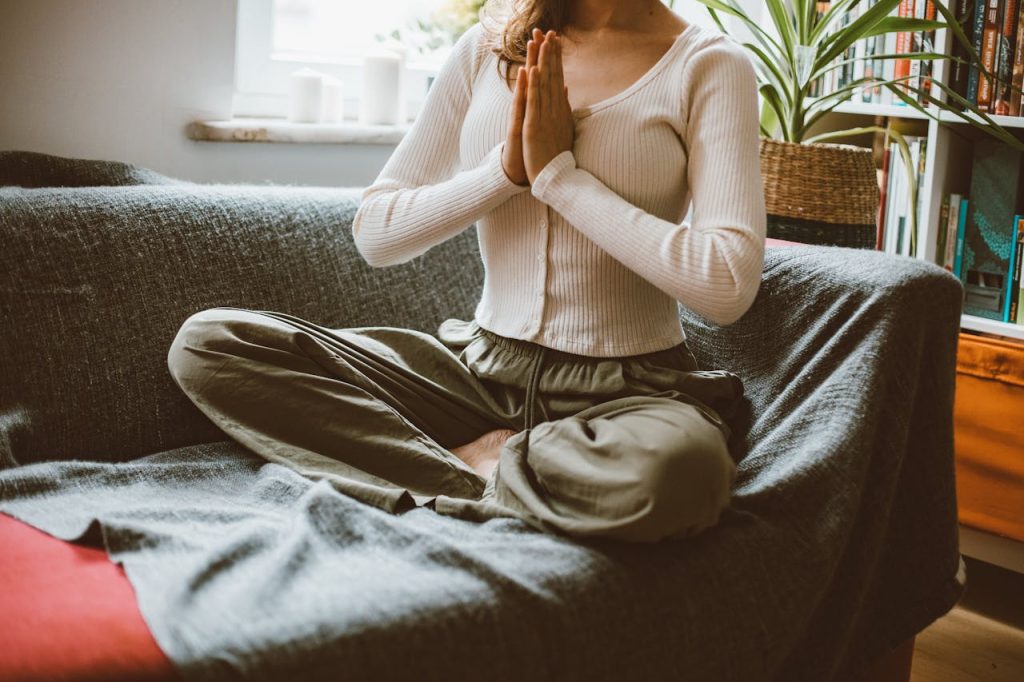
Discover how cultivating gratitude can improve mental health, reduce stress, and elevate daily happiness. Learn practical techniques and benefits, and how our guided gratitude sessions support your emotional wellness journey.
Overview
In this comprehensive guide, you’ll learn what cultivating gratitude truly means, how it impacts your mental health, why it’s one of the most researched and effective emotional-wellness practices, and how you can apply it in your everyday life.
This blog also explains why guided sessions, workshops, and mindfulness services (like the ones we offer) can accelerate your results—helping you develop a powerful gratitude mindset that lasts.
You will learn:
- What gratitude is and why it matters
- The science-backed benefits of cultivating gratitude
- How gratitude rewires your brain
- Simple techniques to practice daily
- How guided meditation and professional support amplify results
- How to overcome challenges and stay consistent
Cultivating Gratitude: A Transformative Path to Emotional Wellness
In a fast-paced world filled with constant distractions, many people feel overwhelmed, anxious, or disconnected from the present moment. That’s why cultivating gratitude has become one of the most powerful tools for restoring mental balance, emotional clarity, and inner peace. More than a trend or positive-thinking exercise, gratitude is a proven psychological practice that strengthens your inner resilience, enhances well-being, and deepens your connection with life.
As a mindfulness-based organization dedicated to emotional healing and personal growth, we offer guided practices and gratitude-focused sessions designed to help you make this life-changing habit part of your daily routine.

What Does Cultivating Gratitude Really Mean?
At its core, cultivating gratitude means intentionally noticing, appreciating, and acknowledging the good that already exists within and around you. This isn’t about ignoring challenges or pretending everything is perfect. Instead, it’s about training the mind to see what is nourishing, supportive, and meaningful—even in difficult seasons of life.
True gratitude is
- Present-focused—appreciating what is here right now
- Intentional—a conscious choice, not a passive feeling
- Reflective—acknowledging experiences, people, and moments
- Mindful—aware of the small joys and deeper blessings
When practiced regularly, gratitude becomes a natural lens through which you view the world, rather than a one-time exercise.
The Science Behind Cultivating Gratitude
Research in psychology, neuroscience, and mindfulness consistently shows that cultivating gratitude has profound effects on the brain and body. Studies from Harvard, UC Berkeley, and the Greater Good Science Center highlight remarkable benefits:
Benefits Include:
- Reduced stress and anxiety
- Increased happiness and life satisfaction
- Improved sleep quality
- Better emotional regulation
- Enhanced resilience during difficult times
- Stronger relationships and social connection
- Greater overall mental well-being
Why does this happen? Gratitude activates the brain’s reward pathways—boosting dopamine and serotonin levels—and reduces activation in the amygdala (the stress center). Over time, cultivating gratitude helps rewire your brain for positivity and calm.
Why Cultivating Gratitude Is Essential for Modern Life
In today’s overstimulated world, our minds naturally shift toward negativity—stress, comparison, and overthinking. Gratitude interrupts this cycle.
Gratitude helps you:
- Shift from scarcity to abundance
- Move from survival mode into mindful awareness
- View challenges with greater emotional resilience
- Strengthen personal and relational well-being
- Feel grounded, centered, and present
When practiced consistently, cultivating gratitude supports both mental health and spiritual growth, allowing you to reconnect with the deeper meaning of everyday experiences.
How to Start Cultivating Gratitude: Practical Techniques
Below are powerful, beginner-friendly practices you can start today. Use one or combine several—the key is consistency.
Daily Gratitude Journaling
Writing down 3–5 things you’re grateful for each day helps train your brain to notice positivity.
Try prompts such as
- “Today I am grateful for…”
- “A challenge that made me stronger is…”
- “A person who supported me today is…”
Even small things—like morning sunlight or a kind message—can shift your emotional state.
Gratitude Meditation
Our guided sessions are designed to help you enter a calm state of reflection and appreciation. During gratitude meditation, you focus on your breath, your body, and the blessings in your life. This strengthens your emotional awareness and calms the nervous system.
Benefits include:
Mindful Appreciation Throughout the Day
This technique builds the habit of noticing positive moments as they naturally occur.
Examples:
- Savor the taste of your morning drink.
- Appreciate a conversation instead of rushing
- Notice the warmth of sunlight or the softness of your clothing.
- Pause and take a breath when something good happens.
This is one of the simplest ways of cultivating gratitude without a journal.
Gratitude Affirmations
Affirmations reinforce your intentions and shift your mindset.
Try saying:
- “I am grateful for the abundance in my life.”
- “I recognize and appreciate the good around me.”
- “I welcome joy, peace, and gratitude into my heart.”
Repeat them during stressful moments or morning routines.
Expressing Gratitude to Others
Sharing appreciation strengthens relationships and builds emotional trust.
Say things like
- “I appreciate you for…”
- “Thank you for helping me with…”
- “Your presence means a lot to me.”
Small gestures create big changes.
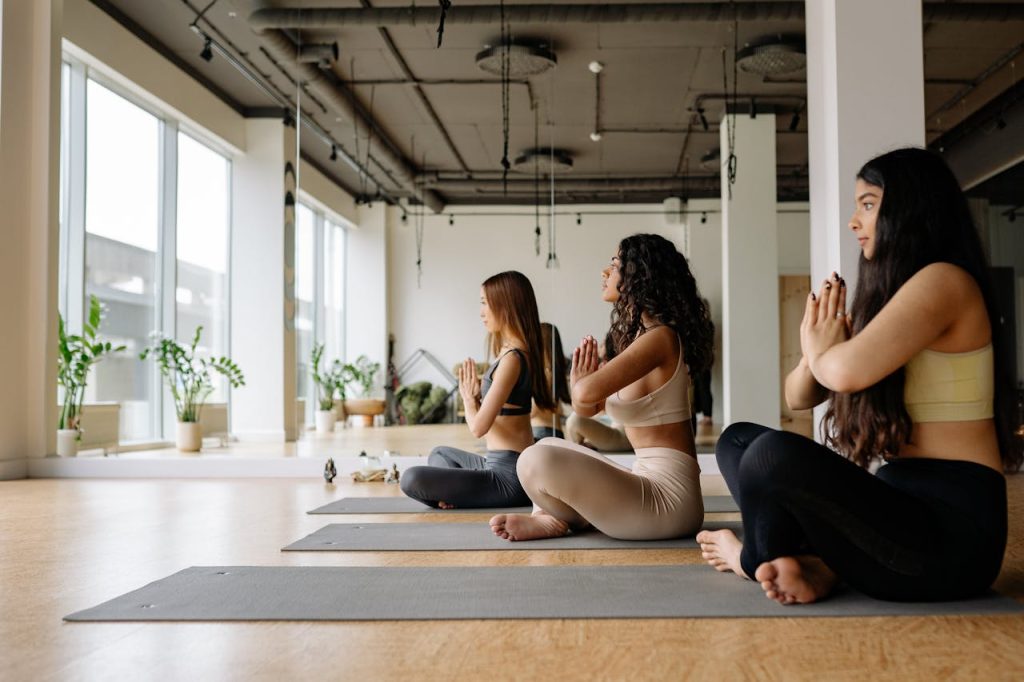
How Our Services Support You in Cultivating Gratitude
Because gratitude is a skill, many people benefit from structured support. Our mindfulness-based programs are designed to help you integrate gratitude deeply and effectively into your life.
We help you through:
- Guided gratitude meditation sessions
- Gratitude journaling workshops
- Mindfulness coaching
- Emotional-wellness programs that build long-term habits
- Personalized gratitude practices tailored to your lifestyle
Clients often experience faster transformation when working with professionals—because you receive accountability, emotional support, and expert tools that deepen your gratitude practice.
Common Challenges When Cultivating Gratitude (and How to Overcome Them)
Even with the best intentions, many people struggle to maintain consistency. Here’s how to address the most common blocks:
1. “I don’t have time.”
Start with 1–2 minutes a day. Gratitude grows even with small steps.
2. “I can’t think of anything to be grateful for.”
Begin with basics: your breath, your heartbeat, a moment of rest. Gratitude expands naturally over time.
3. “I forget to practice.”
Set reminders, use our guided sessions, or keep a journal on your nightstand.
4. “I feel stressed or overwhelmed.”
Gratitude doesn’t eliminate problems—but it gives your brain a healthier perspective to face them with clarity.
The Long-Term Impact of Cultivating Gratitude
When practiced regularly, cultivating gratitude becomes a lifelong habit that reshapes the way you experience the world. You begin to notice beauty in the ordinary, appreciate growth during challenges, and feel a deeper connection to yourself and others.
Long-term effects include:
- A more peaceful nervous system
- Stable emotional resilience
- Healthier relationships
- A grounded sense of purpose
- Greater joy in daily life
Gratitude is one of the few practices that benefits your mind, body, and spirit simultaneously.
Final Thoughts: Start Your Gratitude Journey Today
Cultivating gratitude is more than a wellness trend—it’s a path to emotional balance, inner peace, and daily fulfillment. Whether you’re beginning your journey or deepening an existing practice, small steps can lead to life-changing transformation.
Our services are designed to help you embrace gratitude with guided support, structure, and mindfulness-centered tools that make the practice natural and sustainable.
If you’re ready to elevate your well-being, improve your mindset, and cultivate inner peace, we are here to guide you every step of the way.
FAQs for Cultivating Gratitude
What does cultivating gratitude mean?
Cultivating gratitude means intentionally focusing on the positive aspects of life and appreciating the people, experiences, and moments that bring meaning and joy.
How often should I practice gratitude?
Consistency is key. Practicing gratitude daily—even for just one or two minutes—can significantly improve your emotional well-being.
Can cultivating gratitude improve my mental health?
Yes. Research shows that gratitude reduces stress, anxiety, and depression while increasing happiness and emotional resilience.
How long does it take to see results from gratitude practices?
Many people feel benefits within a few days, but deeper emotional shifts typically happen after 2–4 weeks of consistent practice.
What are some simple ways to start cultivating gratitude?
Start with journaling, gratitude meditation, mindful appreciation, affirmations, or expressing gratitude to others.
Does gratitude really rewire the brain?
Yes. Studies show that practicing gratitude strengthens neural pathways associated with positive thinking and emotional regulation.
Can gratitude help me sleep better?
Absolutely. Gratitude reduces overthinking and stress, helping your mind relax before bedtime.
What if I struggle to find things to be grateful for?
Begin with basics—your breath, your body, a supportive friend, or small moments of comfort. Gratitude grows with practice.
How is gratitude connected to mindfulness?
Gratitude is a mindfulness practice that deepens awareness, grounds you in the present moment, and increases emotional clarity.
Can guided meditation help with cultivating gratitude?
Yes. Guided gratitude meditations make it easier to focus, release stress, and connect more deeply with positive emotions.
Is gratitude helpful during difficult times?
Gratitude does not ignore challenges but helps shift perspective, build resilience, and find strength during uncomfortable seasons.
How do I stay consistent with gratitude practice?
Set reminders, keep a journal nearby, use guided sessions, or pair gratitude with your morning or nighttime routine.
Can cultivating gratitude improve relationships?
Definitely. Expressing appreciation strengthens connection, improves communication, and builds emotional trust.
Do I need to write down my gratitude, or can I think about it mentally?
Both work. However, writing often deepens the emotional impact and makes the practice more consistent.
How can your services help me cultivate gratitude more effectively?
We offer guided gratitude meditations, coaching, workshops, and personalized tools that help you develop a sustainable and transformative gratitude practice.