
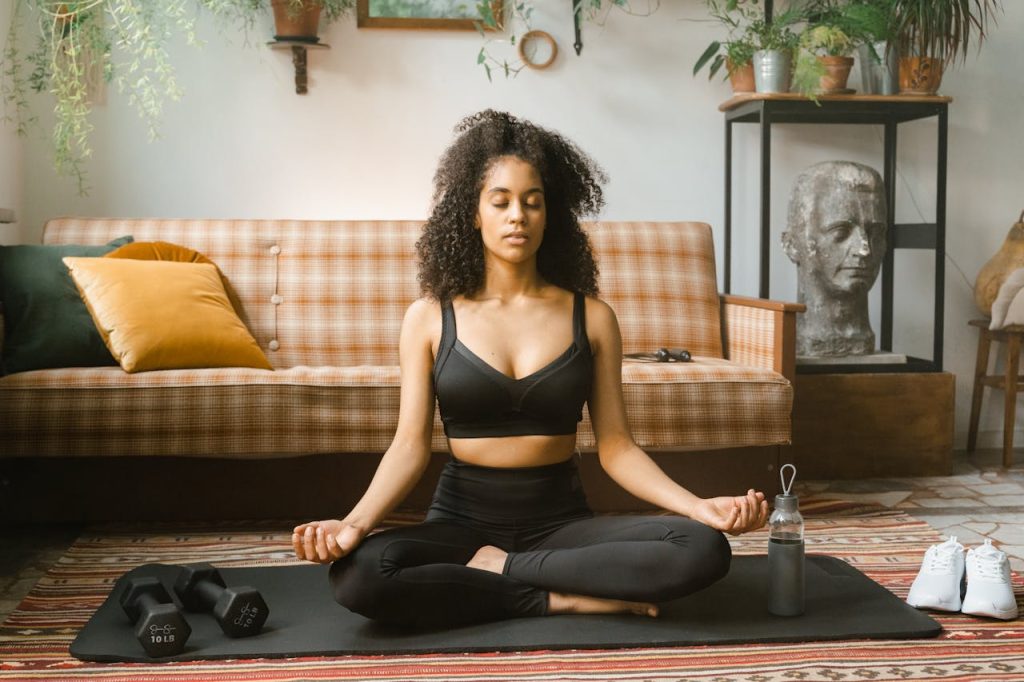
Discover daily gratitude practices that boost happiness, reduce stress, and improve overall well-being. Learn simple, actionable tips to incorporate gratitude into your everyday life.
Overview
Gratitude isn’t just a feel-good emotion—it’s a powerful tool that can reshape your mindset, enhance your mental health, and improve your relationships. In this blog post, you’ll learn practical daily gratitude practices that you can incorporate into your life. From journaling and mindfulness exercises to mindful reflection, these strategies are easy to adopt and scientifically proven to boost happiness. By the end of this guide, you’ll have actionable steps to make gratitude a consistent and life-changing habit.
Why Daily Gratitude Practices Matter
Daily gratitude practices are more than just saying “thank you” more often—they are deliberate habits that train your brain to focus on positive experiences. Research in psychology has shown that cultivating gratitude can:
- Reduce stress and anxiety
- Improve sleep quality
- Enhance emotional resilience
- Strengthen relationships
- Increase overall life satisfaction
By engaging in gratitude intentionally, you rewire your brain to notice and appreciate the good in life, which can lead to profound changes in how you feel and interact with the world.
1. Start a Gratitude Journal
One of the simplest and most effective daily gratitude practices is keeping a gratitude journal. Dedicate just five minutes each day to write down three things you are grateful for. These can be big or small, from career achievements to enjoying your morning coffee.
Tips for journaling:
- Be specific: Instead of “I’m grateful for my friends,” write “I’m grateful for my friend Lisa, who called me today and made me laugh.”
- Reflect on feelings: Describe why these things make you feel grateful.
- Keep it consistent: Choose a time of day—morning or evening—to write in your journal.
This practice encourages mindfulness and helps shift your focus from what’s lacking to what’s abundant in your life.
2. Practice Gratitude Meditation
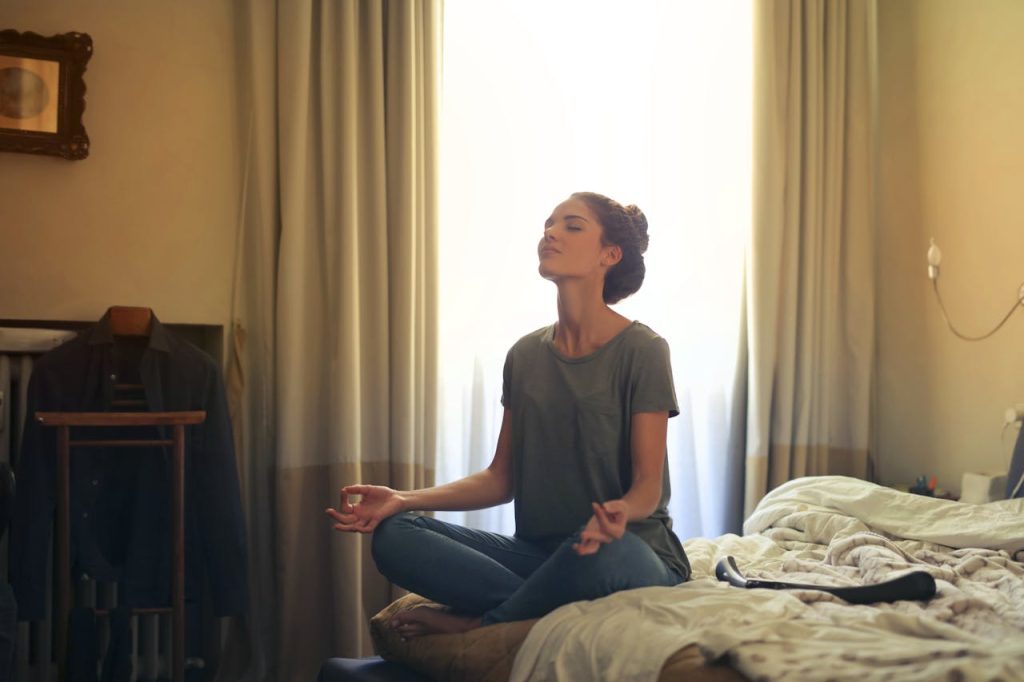
Gratitude meditation is a powerful way to integrate gratitude into your mindfulness practice. Find a quiet space, sit comfortably, and focus on the positive aspects of your life. Visualize moments or people you are thankful for and allow yourself to feel genuine appreciation.
Steps for gratitude meditation:
- Sit in a comfortable position and close your eyes.
- Take deep breaths to relax your body and mind.
- Bring to mind things you’re grateful for—people, experiences, or personal strengths.
- Focus on the feeling of gratitude in your heart and allow it to expand with each breath.
Even five minutes of daily gratitude meditation can boost your mood, reduce stress, and enhance emotional well-being.
3. Express Gratitude to Others
Another impactful daily gratitude practice is expressing appreciation to the people around you. This can be done verbally, in writing, or even with a thoughtful gesture. Expressing gratitude strengthens relationships and fosters a positive environment both personally and professionally.
Ways to express gratitude:
- Write a thank-you note or email to a colleague or friend.
- Compliment someone genuinely for their effort or kindness.
- Share positive feedback with your family, team, or community.
Not only does this practice benefit others, but it also reinforces your own feelings of gratitude.
4. Gratitude Reminders
In the hustle of daily life, it’s easy to forget to pause and acknowledge the good things. Setting up reminders can help you stay consistent with your daily gratitude practices.
Practical reminder strategies:
- Use phone alarms or calendar notifications labeled “Gratitude Moment.”
- Place sticky notes in visible spots with prompts like “What am I grateful for today?”
- Incorporate gratitude into daily routines, such as morning coffee or bedtime reflection.
These cues gently remind you to practice gratitude, making it a sustainable habit.
5. Mindful Gratitude Walks
Combining movement with mindfulness can enhance the effects of gratitude. A gratitude walk involves taking a short walk while reflecting on things you appreciate in your life.
How to do a gratitude walk:
- Choose a safe, pleasant path, whether in a park or around your neighborhood.
- Walk slowly and attentively, noticing your surroundings.
- Mentally list things you are grateful for, or silently say “thank you” for each one.
- Focus on sensations, such as the wind on your skin or the warmth of the sun, and appreciate them fully.
This practice connects gratitude with the present moment, making it a holistic experience for body and mind.
6. Incorporate Gratitude in Daily Conversations
Bringing gratitude into daily conversations is an effortless way to reinforce the habit. By acknowledging others’ contributions and achievements, you cultivate positivity in your interactions.
Tips for conversational gratitude:
- Begin meetings or gatherings with a quick gratitude round.
- Thank colleagues, family members, or friends for specific actions.
- Share small moments of joy and appreciation during casual chats.
This not only strengthens social bonds but also helps you internalize gratitude more deeply.
7. Reflect on Challenges with Gratitude
Gratitude isn’t only about celebrating the positive—it’s also about finding lessons and growth in challenges. Reflecting on difficult experiences with a grateful mindset can transform setbacks into opportunities for resilience and learning.
How to practice gratitude in adversity:
- Identify lessons learned from past struggles.
- Recognize the support systems that helped you overcome challenges.
- Focus on personal growth that emerged from difficult situations.
This approach nurtures emotional resilience and fosters a balanced perspective on life.
8. Create a Gratitude Jar
A fun and visual daily gratitude practice is using a gratitude jar. Every day, write down one thing you are grateful for on a small piece of paper and place it in the jar. Over time, you’ll build a tangible collection of positivity that you can revisit whenever you need a mood boost.
Gratitude jar tips:
- Keep it somewhere visible to remind you to add new notes daily.
- Encourage family members or colleagues to contribute.
- Read the notes monthly or at the end of the year to reflect on growth and positive experiences.
This practice makes gratitude tangible and reinforces a long-term habit.
9. Use Technology Mindfully
Modern apps can support daily gratitude practices. Many apps provide journaling prompts, reminders, or guided gratitude exercises that make it easier to maintain consistency.
Recommended app-based practices:
- Daily reminders for gratitude journaling.
- Guided gratitude meditation sessions.
- Community sharing of gratitude moments for social reinforcement.
Using technology wisely can amplify your gratitude habit without overwhelming your routine.
Final Thought: Make Gratitude a Daily Habit
Incorporating daily gratitude practices into your life doesn’t require drastic changes. By integrating simple habits like journaling, meditation, mindful walks, and expressing appreciation to others, you can cultivate a more positive, resilient, and fulfilling life. Gratitude is not just a momentary emotion—it’s a lifestyle choice that strengthens your mental health, relationships, and overall well-being.
Start small, stay consistent, and watch how these practices transform your outlook, one day at a time.
15 FAQs for Daily Gratitude Practices
What are daily gratitude practices?
Daily gratitude practices are intentional habits or exercises designed to help you focus on the positive aspects of your life, fostering happiness, mindfulness, and emotional well-being.
Why are daily gratitude practices important?
They improve mental health, reduce stress, boost relationships, enhance sleep, and cultivate a positive mindset. Practicing gratitude regularly rewires your brain to focus on abundance rather than scarcity.
How long should I spend on daily gratitude practices?
Even 5–10 minutes per day can be effective. Consistency is more important than duration, whether you’re journaling, meditating, or expressing thanks to others.
What are simple daily gratitude practices for beginners?
Starting with a gratitude journal, verbalizing appreciation, or practicing a short gratitude meditation are simple and effective ways for beginners to start.
Can daily gratitude practices reduce stress and anxiety?
Yes. Focusing on positive aspects of life activates the brain’s reward centers, lowers cortisol levels, and promotes emotional resilience.
How can I incorporate gratitude into my morning routine?
You can write in a gratitude journal, meditate for a few minutes, or set an intention for the day that highlights what you’re thankful for.
Can gratitude practices improve my relationships?
Absolutely. Expressing appreciation strengthens bonds, increases empathy, and encourages positive communication with family, friends, and colleagues.
Is journaling the best form of daily gratitude practice?
Journaling is highly effective because it allows reflection and documentation of positive experiences, but it’s not the only option. Meditation, gratitude walks, or verbal acknowledgment also work well.
Can gratitude practices help me sleep better?
Yes. Reflecting on positive experiences before bed reduces worry, promotes relaxation, and can improve sleep quality.
What is a gratitude meditation?
Gratitude meditation is a mindfulness exercise where you focus on things you’re thankful for, allowing yourself to feel appreciation deeply and mindfully.
How can I maintain consistency with daily gratitude practices?
Set reminders, incorporate gratitude into existing routines, or use apps and journals to stay consistent. Small, daily steps build lasting habits.
Can children benefit from daily gratitude practices?
Yes. Teaching children simple gratitude exercises, like sharing three things they’re thankful for each day, promotes emotional intelligence and positivity.
What is a gratitude jar, and how does it work?
A gratitude jar is a container where you place notes about things you’re grateful for each day. Over time, it creates a visual record of positivity that you can revisit.
Can gratitude practices help me handle challenges better?
Yes. Reflecting on lessons, growth, and support during difficult times cultivates resilience and helps you maintain a positive outlook.
Are there any apps for daily gratitude practices?
Yes. Many apps offer journaling prompts, guided gratitude meditations, and reminders to practice gratitude, making it easier to build consistent daily habits.