

Discover what it means to define mindfulness, how it improves mental well-being, and practical tips to practice mindfulness every day. Learn with Mindfulness Meditation Hub.
Blog Overview
In today’s fast-paced world, more people are seeking calm, clarity, and purpose. That’s where mindfulness steps in—a practice rooted in ancient wisdom but more relevant than ever. In this blog post, you’ll learn:
- How experts define mindfulness
- The core principles and benefits of mindfulness
- Simple ways to practice mindfulness in daily life
- How mindfulness helps with stress, anxiety, and focus
- Why mindfulness is essential for a balanced life
- How Mindfulness Meditation Hub can support your journey
Let’s explore the real meaning of mindfulness and how to embrace it with intention and consistency.
What Does It Mean to Define Mindfulness?
To define mindfulness is to understand it as the practice of maintaining a moment-by-moment awareness of your thoughts, feelings, bodily sensations, and environment—with openness and without judgment.
The definition of mindfulness most commonly referenced comes from Jon Kabat-Zinn, the founder of Mindfulness-Based Stress Reduction (MBSR). He defines mindfulness as:
“Paying attention in a particular way: on purpose, in the present moment, and non-judgmentally.”
In simpler terms, to define mindfulness is to be fully present—aware of where you are and what you’re doing—without being overly reactive or overwhelmed by what’s going on around you.
The Core Principles of Mindfulness
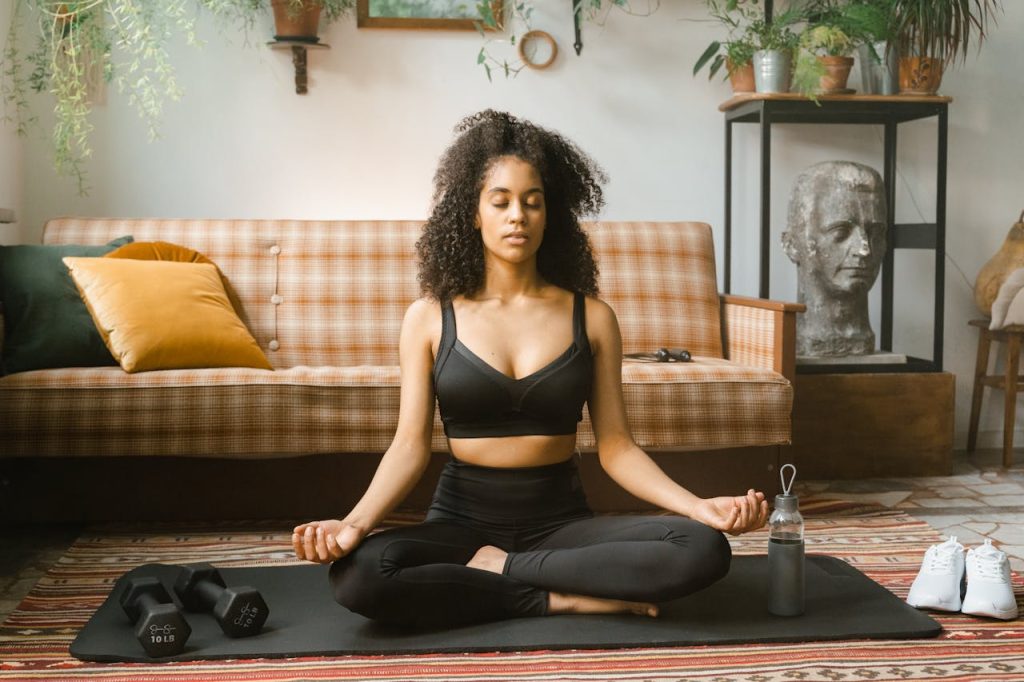
Practicing mindfulness goes beyond just sitting still or meditating. It’s about cultivating a mindset of awareness and compassion. Core principles include:
- Awareness: Observing thoughts, emotions, and physical sensations without trying to change them.
- Presence: Letting go of the past or future to fully experience the “now.”
- Non-judgment: Accepting things as they are without labeling them as good or bad.
- Curiosity: Maintaining an open mind toward every experience, even discomfort.
- Compassion: Being kind to yourself and others in thought and behavior.
These principles help define mindfulness as a life skill, not just a technique.
Why Is Mindfulness Important?
Mindfulness isn’t just a trendy concept—it’s backed by science. Studies from institutions like Harvard, UCLA, and the American Psychological Association have shown that mindfulness:
- Reduces stress
- Lowers anxiety and depression
- Improves focus and attention
- Enhances emotional regulation
- Boosts overall well-being
By understanding how to define mindfulness in practical terms, individuals can unlock its transformative power in both their personal and professional lives.
The Science Behind Mindfulness
When we define mindfulness in terms of neuroscience, it becomes even more compelling. Mindfulness practice has been shown to:
- Increase grey matter in the hippocampus (linked to learning and memory)
- Reduce activity in the amygdala (associated with fear and stress)
- Improve neuroplasticity, helping the brain adapt and grow
- Strengthen the prefrontal cortex, enhancing decision-making and emotional control
These findings confirm that mindfulness is not just a mindset but a brain-training tool that creates lasting change.
Everyday Practices to Embrace Mindfulness
Mindfulness isn’t only about meditation. There are many ways to practice and define mindfulness in daily life:
1. Mindful Breathing
- Pay attention to your breath—in and out—without trying to change it.
- Great for grounding yourself during stress.
2. Mindful Eating
- Eat slowly and savor each bite.
- Notice textures, flavors, and how your body feels.
3. Body Scan Meditation
- Focus on each part of your body, from head to toe.
- Helps release physical tension and connect with yourself.
4. Mindful Walking
- Walk slowly and notice each step, your surroundings, and your body’s movement.
5. Mindfulness Journaling
- Write about your thoughts and feelings without editing or judging.
- Brings clarity and emotional release.
How to Define Mindfulness at Work
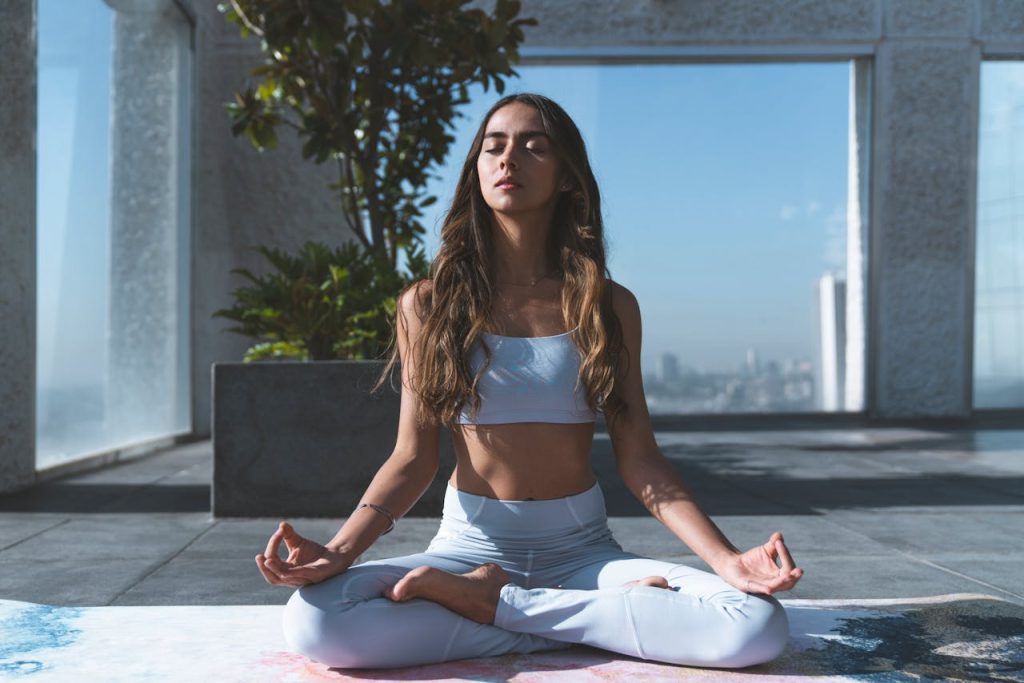
Mindfulness at work increases productivity, creativity, and team cohesion. Here’s how to integrate mindfulness into your workday:
- Start with intention: Take a mindful breath before checking emails.
- Practice deep listening: Focus fully on the person speaking.
- Take mindful breaks: Step away from your desk to reset.
- Respond, don’t react: Pause before replying to difficult messages.
Defining mindfulness in a professional setting means using it to manage time, energy, and emotions effectively.
Define Mindfulness for Children and Teens
Mindfulness can be incredibly beneficial for young people. It teaches emotional intelligence, patience, and focus.
- Use breathing games and guided meditations
- Encourage nature walks and sensory exploration
- Practice gratitude journaling before bedtime
- Introduce body awareness through yoga or stretching
At Mindfulness Meditation Hub, we offer resources tailored for all age groups, including children and teens, to help them define mindfulness in relatable ways.
Mindfulness vs. Meditation: Are They the Same?
While closely related, mindfulness and meditation are not identical.
- Mindfulness is a state of being aware and present in everyday life.
- Meditation is a formal practice that often helps develop mindfulness.
You can be mindful without meditating, and you can meditate mindlessly. The key is to combine both intentionally for the best results.
How Mindfulness Meditation Hub Can Help
At Mindfulness Meditation Hub, we provide tools to help you define mindfulness and integrate it into your daily routine. Our services include:
- Guided meditations (audio + video)
- Mindfulness challenges and routines
- Blog articles and wellness tips
- Resources for beginners, parents, and educators
- A community space to grow and share your journey
We believe everyone deserves peace of mind—and mindfulness is the path to achieving it.
Final Thoughts: Redefining Life Through Mindfulness
To define mindfulness is to embrace a way of life that promotes awareness, compassion, and peace. It’s not just about stress reduction or relaxation—it’s about truly living your life, moment by moment.
Whether you’re just getting started or deepening your practice, mindfulness offers a powerful tool to live with intention and inner clarity.