
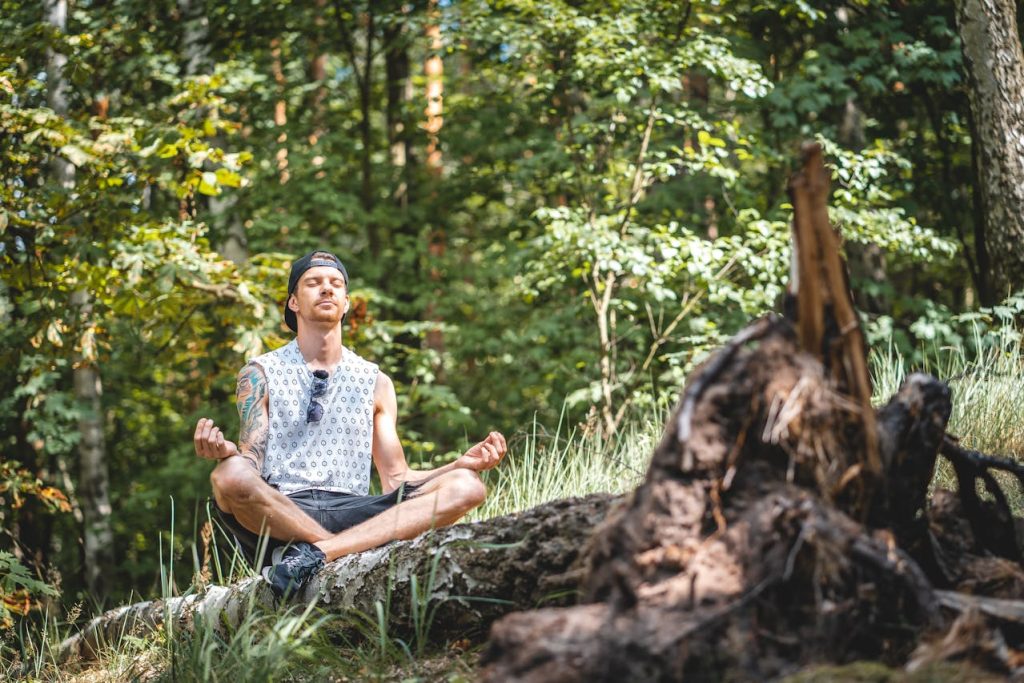
Discover what the definition of mindfulness truly means, its scientific background, and how it can improve mental clarity, focus, and emotional well-being. Learn practical ways to practice mindfulness daily with Mindfulness Meditation Hub.
Overview
In this in-depth guide, you’ll learn what the definition of mindfulness truly means, explore its origins, and understand how it impacts mental, emotional, and physical health. You’ll also discover how mindfulness is applied in modern life, from stress reduction to personal growth, and get practical tips to start your own mindfulness practice today.
By the end of this article, readers will:
- Understand the true definition of mindfulness.
- Learn about its ancient and modern roots.
- Explore the benefits of mindfulness on health and happiness.
- Discover practical steps to incorporate mindfulness into daily life.
- Find out how Mindfulness Meditation Hub can help guide their journey.
Understanding the True Definition of Mindfulness
So, what is the definition of mindfulness?
In the simplest terms, mindfulness means being fully present and engaged in the current moment—aware of your thoughts, emotions, and surroundings without judgment. It’s the practice of observing what’s happening right now rather than being lost in worries about the past or the future.
Jon Kabat-Zinn, a pioneer in bringing mindfulness to modern psychology, defines it as
“Paying attention in a particular way: on purpose, in the present moment, and nonjudgmentally.”
This definition highlights that mindfulness is not about controlling your mind but about noticing what’s happening with openness and compassion.
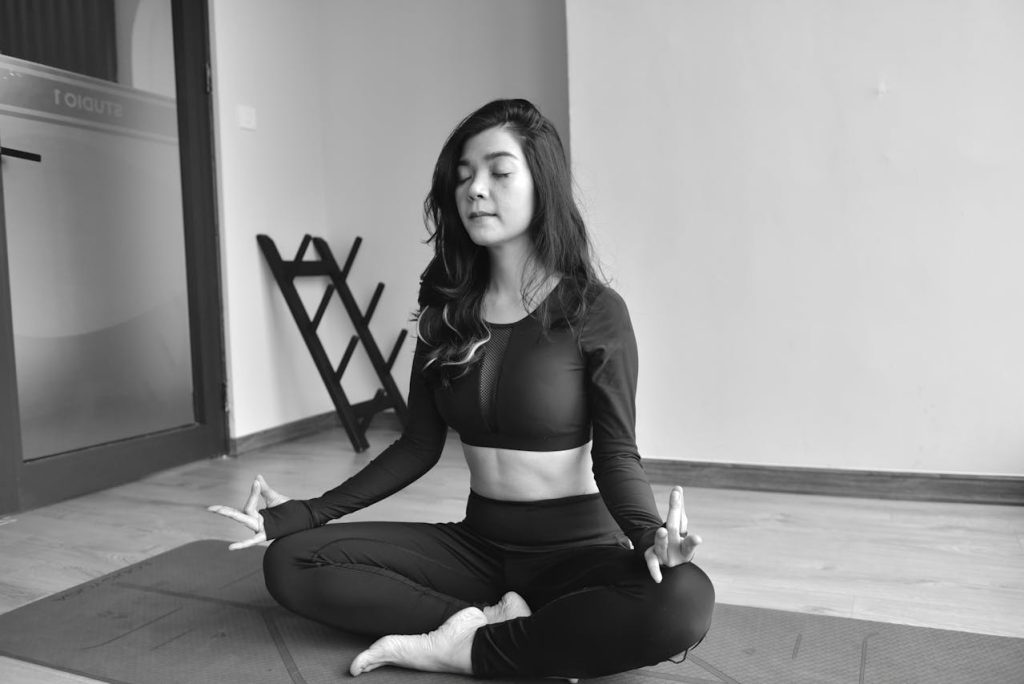
The Origins of Mindfulness
Before understanding how to practice mindfulness, it’s essential to know where it comes from.
- Ancient Roots:
The concept of mindfulness originates from Buddhist traditions, where it’s known as Sati. It was a central part of spiritual training meant to cultivate awareness, wisdom, and compassion. - Modern Adaptation:
In the late 20th century, mindfulness was adapted into Western psychology through programs like Mindfulness-Based Stress Reduction (MBSR). Today, it’s a cornerstone of mental health therapy, used to manage anxiety, depression, and stress.
Thus, the definition of mindfulness bridges both ancient wisdom and modern science, making it a universal tool for personal growth.
Why Mindfulness Matters in Everyday Life
Understanding what the definition of mindfulness is isn’t just about knowing a concept—it’s about transforming how you experience life.
Here’s why mindfulness is so important today:
1. Reduces Stress and Anxiety
Practicing mindfulness helps calm the nervous system. By staying present, you can detach from racing thoughts that fuel stress and anxiety.
2. Improves Focus and Productivity
Mindfulness strengthens attention control. When you’re mindful, distractions lose power, allowing for deeper focus and better decision-making.
3. Enhances Emotional Regulation
Instead of reacting impulsively to emotions, mindfulness helps you pause and respond with clarity and compassion.
4. Promotes Physical Health
Studies show mindfulness can lower blood pressure, boost immunity, and even reduce chronic pain symptoms.
5. Increases Self-Awareness
By noticing your thoughts and feelings without judgment, you gain a deeper understanding of yourself—a key step toward personal growth.
When you grasp the true definition of mindfulness, you start to realize it’s not just a technique—it’s a way of living with awareness, acceptance, and peace.
The Science Behind Mindfulness
Scientific research supports the benefits of mindfulness across multiple dimensions of well-being.
- Brain Function: MRI studies reveal that mindfulness enhances activity in areas responsible for attention and emotional regulation.
- Mental Health: Mindfulness-based therapies are proven to reduce symptoms of depression and anxiety.
- Cognitive Performance: Regular mindfulness practice improves working memory and decision-making.
Understanding what the definition of mindfulness means in science shows that it’s not only a spiritual practice—it’s also a powerful, evidence-based mental health tool.
How to Practice Mindfulness Daily
Knowing what the definition of mindfulness is is one thing—applying it in daily life is where the transformation happens.
Here are a few ways to start your practice:
1. Mindful Breathing
Take a few minutes each day to focus solely on your breath. Notice the air moving in and out, and gently bring your attention back when your mind wanders.
2. Mindful Eating
Instead of rushing meals, eat slowly. Notice the texture, taste, and aroma of your food. This helps cultivate gratitude and awareness.
3. Mindful Walking
As you walk, pay attention to the movement of your body and the sensations of your feet touching the ground.
4. Mindful Observation
Spend a few minutes observing nature—the sound of birds, the rustle of leaves, or the feeling of sunlight on your skin.
5. Guided Meditations
Join guided sessions from Mindfulness Meditation Hub, where our instructors lead you through gentle mindfulness and breathing exercises designed to relax the mind and balance emotions.
Mindfulness in Modern Therapy and Workplaces
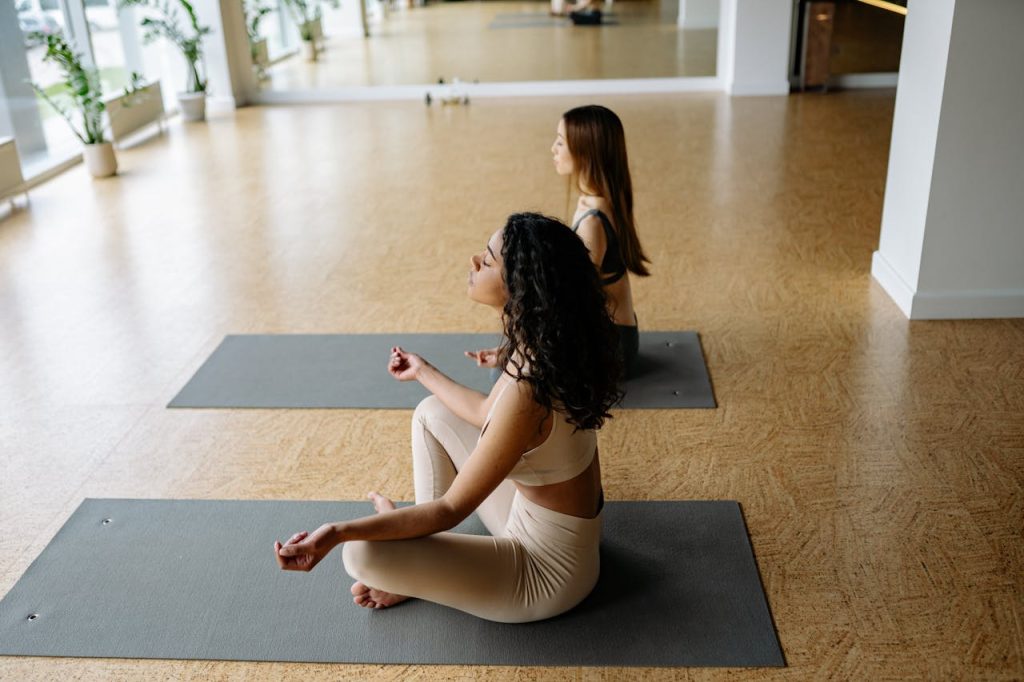
Today, mindfulness has become a crucial part of wellness programs and therapy sessions worldwide. Many companies, schools, and healthcare providers use mindfulness to:
- Reduce employee burnout
- Enhance emotional intelligence
- Support mental health recovery
- Foster empathy and teamwork
Learning what the definition of mindfulness means in this context helps you see how universal and adaptable the practice truly is.
Common Myths About Mindfulness
Even though mindfulness is simple, misconceptions can prevent people from embracing it fully. Let’s clear up a few:
- Myth 1: Mindfulness means clearing your mind.
Truth: It’s about observing your thoughts, not erasing them. - Myth 2: You need to meditate for hours.
Truth: Even 5–10 minutes a day can create meaningful change. - Myth 3: Mindfulness is only for spiritual people.
Truth: It’s a universal skill supported by science, open to everyone.
By understanding the real definition of mindfulness, you can practice it in a way that suits your lifestyle.
How Mindfulness Meditation Hub Can Help You
At Mindfulness Meditation Hub, we specialize in helping individuals learn, practice, and master mindfulness. Whether you’re a beginner or looking to deepen your practice, we offer:
- Guided meditations for stress relief and focus
- Breathing and awareness exercises
- Mindful living programs and workshops
- Personal coaching and online resources
Our mission is to make mindfulness accessible and effective for everyone seeking balance, clarity, and calm in a busy world.
Final Thought: Living Mindfully Every Day
Now that you understand what the definition of mindfulness is, you can begin to apply it in your daily life. It’s not about perfection—it’s about presence.
When you learn to pause, observe, and connect with the present moment, you gain control over your reactions, emotions, and overall well-being. Mindfulness empowers you to live consciously—and that’s where true peace begins.
FAQs for Definition of Mindfulness
What is the definition of mindfulness?
Mindfulness is the practice of being fully aware of the present moment without judgment. It involves paying attention to your thoughts, feelings, and surroundings intentionally, helping you respond calmly rather than react impulsively.
Who introduced the modern concept of mindfulness?
Dr. Jon Kabat-Zinn popularized the modern definition of mindfulness in the late 1970s. He developed the Mindfulness-Based Stress Reduction (MBSR) program, which integrates meditation and breathing exercises to promote emotional and physical well-being.
What is the main goal of mindfulness practice?
The main goal of mindfulness is to cultivate awareness and presence. By being mindful, you can reduce stress, improve focus, and experience greater peace in everyday life.
How can I start practicing mindfulness?
You can start practicing mindfulness through simple techniques such as:
- Mindful breathing
- Body scan meditation
- Mindful eating
- Observing thoughts without reacting
Consistency is key — even 5 to 10 minutes daily can make a big difference.
What are the benefits of mindfulness?
Practicing mindfulness offers several benefits, including:
- Reduced anxiety and stress
- Better emotional regulation
- Enhanced concentration and memory
- Improved sleep quality
- Greater self-awareness and compassion
How is mindfulness different from meditation?
Mindfulness is a state of awareness that can be practiced anytime, while meditation is a structured technique that often helps develop mindfulness. In short, meditation is one way to train mindfulness.
What are some common myths about mindfulness?
Common myths include:
- You must clear your mind (false — mindfulness accepts all thoughts)
- It’s religious (false — mindfulness is secular and evidence-based)
- You need lots of time (false — short daily sessions are effective)
Can mindfulness help with anxiety or depression?
Yes, mindfulness has been scientifically proven to help manage anxiety and depression. It trains the brain to observe negative thoughts without being overwhelmed by them, promoting calmness and emotional balance.
How long does it take to see results from mindfulness practice?
Most people notice benefits within a few weeks of consistent practice. However, like physical exercise, long-term benefits grow over time as mindfulness becomes a daily habit.
Can mindfulness improve focus and productivity?
Absolutely. Mindfulness strengthens attention control by reducing distractions and helping you stay present. Many professionals and students practice mindfulness to boost concentration and productivity.
Is mindfulness suitable for beginners?
Yes! Mindfulness is easy to learn and accessible to everyone. Beginners can start with guided meditations or short breathing sessions to build awareness gradually.
What are some examples of mindfulness exercises?
Some effective mindfulness exercises include:
- Focusing on your breath
- Mindful walking
- Noticing sounds and sensations around you
- Practicing gratitude journaling
These activities help train the mind to stay in the present moment.
How does mindfulness affect physical health?
Research shows mindfulness can lower blood pressure, reduce chronic pain, and boost immune function. It helps the body relax and recover from stress more efficiently.
Can mindfulness be practiced without meditation?
Yes, mindfulness can be practiced during daily activities like eating, driving, or talking. It’s about paying attention to what you’re doing, rather than doing things on autopilot.
How can Mindfulness Meditation Hub help me start mindfulness practice?
At Mindfulness Meditation Hub, we offer guided meditations, breathing exercises, and personalized mindfulness programs for all experience levels. Our mission is to make mindfulness easy, accessible, and life-changing for everyone.