

Discover the power of emotion mindfulness to recognize, understand, and manage your emotions effectively. Learn practical techniques, benefits, and tips for daily mindfulness practice.
Overview
In this blog post, readers will learn how emotion mindfulness can transform their mental and emotional well-being. We’ll explore what emotion mindfulness is, why it matters, practical techniques to practice it daily, and how it can enhance emotional regulation, reduce stress, and improve relationships. By the end of this article, readers will have actionable steps to integrate emotion mindfulness into their everyday life for a more balanced and fulfilling experience.
What is Emotion Mindfulness?
Emotion mindfulness is the practice of being fully aware of your emotions as they arise, without judgment or suppression. It allows you to observe your feelings objectively, understand their root causes, and respond rather than react impulsively.
Unlike ordinary self-awareness, emotion mindfulness emphasizes:
- Awareness of feelings: Recognizing both positive and negative emotions as they occur.
- Acceptance: Allowing emotions to exist without resistance or judgment.
- Non-reactivity: Responding thoughtfully rather than reacting impulsively.
By cultivating emotion mindfulness, individuals can create a healthier relationship with their emotions, leading to better mental clarity and emotional stability.

Why Emotion Mindfulness Matters
Practicing emotion Mindfulness is more than just a meditative exercise; it has real-life benefits that affect mental, emotional, and physical well-being. Here are some reasons it matters:
- Reduces stress and anxiety: Observing your emotions without judgment lowers the intensity of stress responses.
- Enhances emotional regulation: Being mindful of your feelings helps you respond thoughtfully rather than react impulsively.
- Improves relationships: Recognizing your emotions and understanding others’ feelings leads to healthier communication.
- Boosts self-awareness: You become more aware of patterns in your thoughts and emotional triggers.
- Supports mental health: Studies show that mindfulness practices, including emotion mindfulness, reduce symptoms of depression and anxiety.
Core Techniques to Practice Emotion Mindfulness
Integrating emotion mindfulness into your daily life involves consistent practice. Here are some effective techniques:
1. Observe Your Emotions Without Judgment
- Pause whenever you feel a strong emotion.
- Name the emotion silently (e.g., “anger,” “joy,” “anxiety”).
- Notice the physical sensations associated with the emotion, like tightness in your chest or tension in your shoulders.
- Avoid labeling emotions as “good” or “bad.”
2. Practice Mindful Breathing
Mindful breathing anchors you in the present moment:
- Inhale slowly for 4 counts.
- Hold for 2 counts.
- Exhale for 6 counts.
- Focus on the sensation of your breath to create a calm, centered state.
3. Journaling Emotions
- Dedicate 10–15 minutes daily to write down your emotions.
- Include the triggers, your thoughts, and bodily sensations.
- Reflect on patterns to understand emotional habits.
4. Body Scan Meditation
- Lie down or sit comfortably.
- Mentally scan your body from head to toe.
- Observe tension or discomfort linked to emotional states.
- Acknowledge these feelings without trying to change them.
5. Mindful Pause Before Reacting
- When faced with emotional triggers, take a mindful pause.
- Count to ten or take three deep breaths.
- Consider the most constructive response rather than reacting automatically.
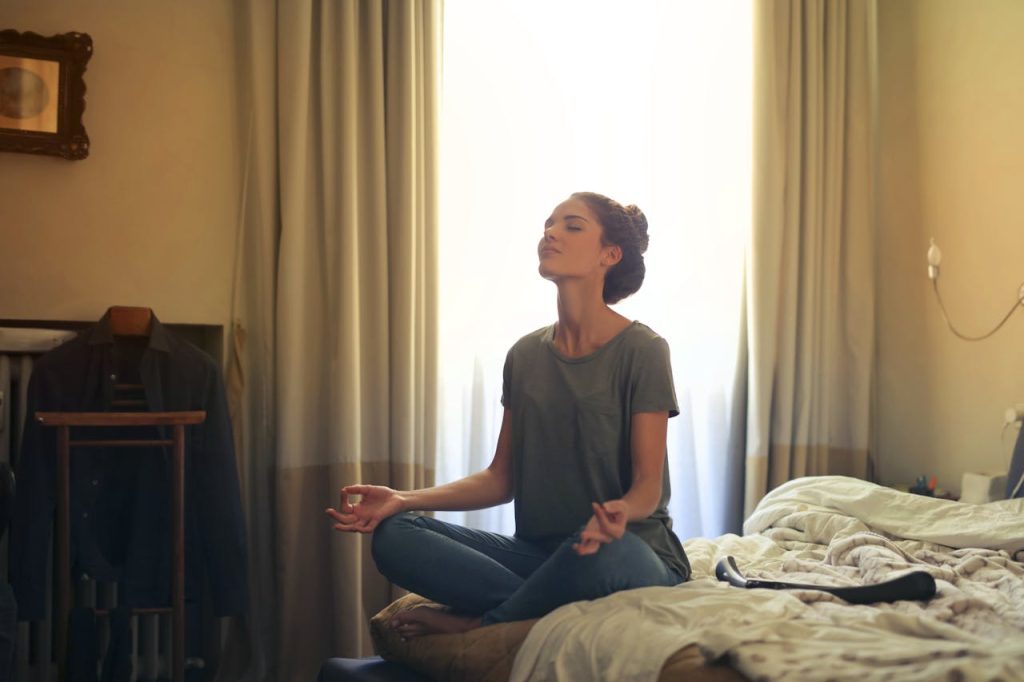
How to Integrate Emotion Mindfulness Into Daily Life
Consistency is key to mastering emotion mindfulness. Here’s how to integrate it naturally:
- Morning check-in: Start your day by noting your emotional state and setting an intention to stay mindful.
- Mindful breaks: Take 2–3 minutes during work or study to breathe and observe your emotions.
- Evening reflection: Reflect on emotional experiences of the day, journaling and noting lessons learned.
- Use reminders: Set phone alerts or sticky notes to remind yourself to pause and check in with your emotions.
Emotion Mindfulness for Different Scenarios
Practicing emotion mindfulness can be adapted to various life situations:
At Work
- Recognize stress triggers without judgment.
- Respond calmly in meetings, even under pressure.
- Avoid reactive emails or messages; pause before replying.
In Relationships
- Notice emotional reactions to loved ones without projecting blame.
- Communicate feelings clearly and compassionately.
- Practice empathetic listening, fully present without judgment.
Personal Challenges
- Observe difficult emotions like grief, frustration, or fear.
- Acknowledge them fully rather than avoiding or suppressing.
- Use mindful breathing or meditation to create emotional resilience.
Benefits of Regular Emotion Mindfulness Practice
Regularly practicing emotion Mindfulness has both immediate and long-term benefits:
- Enhanced emotional intelligence: Better understanding of your emotions and others’ feelings.
- Reduced impulsivity: Thoughtful responses replace reactive behaviors.
- Greater resilience: Ability to handle stress and adversity with composure.
- Improved focus and productivity: Mindful awareness reduces mental clutter and distraction.
- Inner peace: A calmer mind and balanced emotional state lead to greater life satisfaction.

Common Challenges and How to Overcome Them
Learning emotion mindfulness can be challenging initially. Here’s how to navigate common obstacles:
| Challenge | Solution |
|---|---|
| Difficulty observing emotions | Start with short 2–5 minute sessions and gradually increase duration. |
| Feeling overwhelmed by strong emotions | Focus on breath or body sensations to create a grounding effect. |
| Impatience or frustration | Remind yourself that mindfulness is a skill built over time. |
| Forgetting to practice | Use digital reminders or habit trackers to create consistency. |
Emotion Mindfulness Resources
Mindfulness Meditation Hub offers guided meditations, articles, and exercises to support your journey:
- Guided Emotion Mindfulness Meditations: Step-by-step audio sessions.
- Mindfulness Exercises: Practical activities for daily awareness.
- Workshops and Courses: Learn structured emotion mindfulness practices from experts.
Final Thought
Emotion mindfulness is a transformative practice that empowers you to understand and manage your emotions with clarity and compassion. By observing emotions without judgment, practicing mindful breathing, journaling, and integrating mindful pauses, you can improve emotional regulation, reduce stress, and enhance overall well-being.