
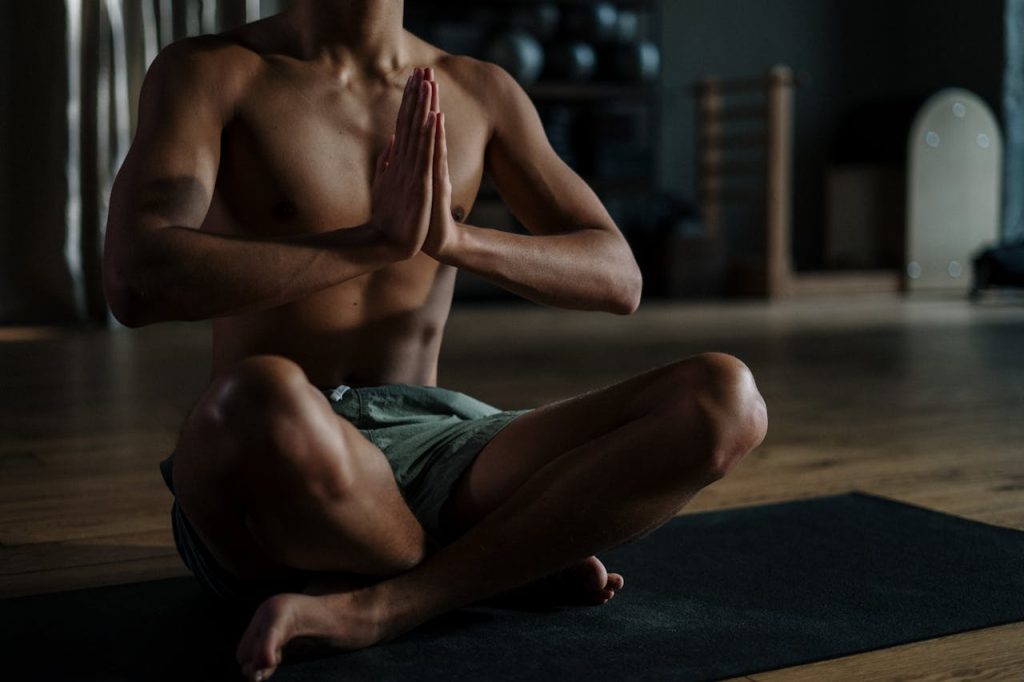
Learn how to give gratitude intentionally and daily to improve mental clarity, emotional balance, and overall well-being. Discover simple gratitude practices guided by mindfulness experts.
Overview
In this in-depth guide, you’ll learn what it truly means to give gratitude, why gratitude is a powerful mindfulness practice, and how intentionally cultivating gratitude can transform your mental, emotional, and spiritual well-being. This blog explores the science behind gratitude, real-life benefits, practical exercises, and how guided mindfulness support can help you build a sustainable gratitude practice. By the end, you’ll know exactly how to give gratitude daily—naturally, authentically, and with lasting impact.
Why It Matters to Give Gratitude
In a fast-paced world filled with distractions, stress, and constant comparison, it’s easy to overlook what’s already good in our lives. Learning to give gratitude is more than just saying “thank you”—it’s a conscious, intentional practice that reshapes how we experience the world.
At Mindfulness Meditation Hub, we believe gratitude is one of the most accessible and transformative mindfulness tools available. When you give gratitude regularly, you train your mind to shift from scarcity to abundance, from stress to presence, and from overwhelm to clarity.
Gratitude is not about denying challenges—it’s about grounding yourself in awareness, resilience, and appreciation, even during difficult times.
What Does It Mean to Give Gratitude?
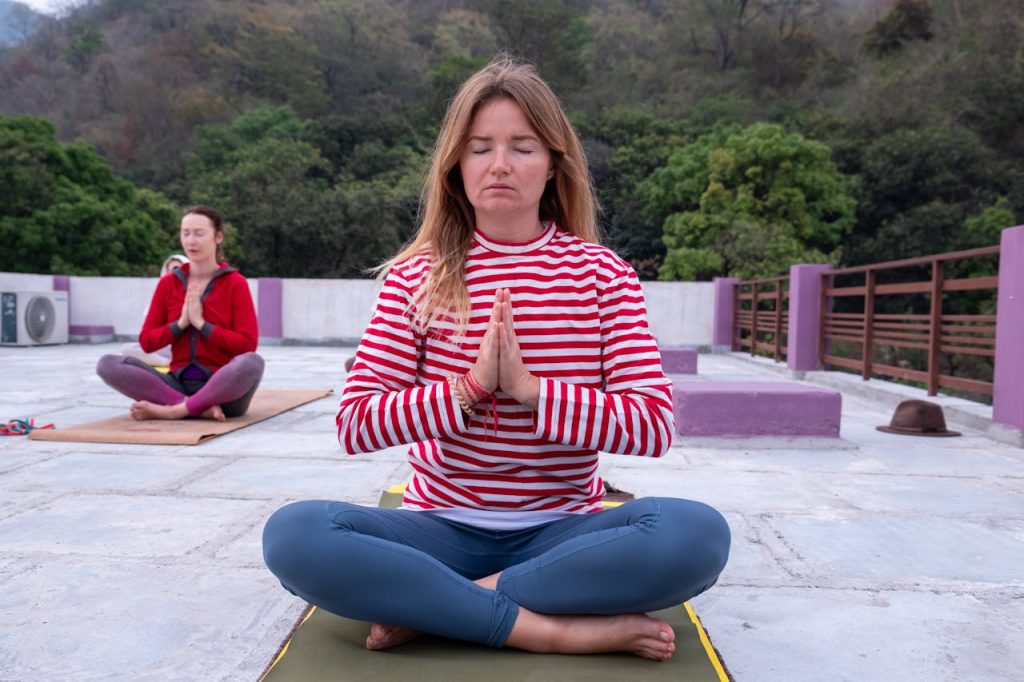
To give gratitude means to actively recognize, feel, and express appreciation for the people, experiences, and moments in your life—both big and small.
Giving gratitude involves:
- Awareness of the present moment
- Emotional acknowledgment of positive experiences
- Intentional expression (internally or externally)
- A mindset of appreciation rather than expectation
Unlike passive thankfulness, when you give gratitude consciously, it becomes a daily practice that influences your thoughts, emotions, and actions.
The Science Behind Gratitude and Mindfulness
Research in neuroscience and psychology shows that gratitude has a measurable impact on the brain and nervous system.
When you give gratitude consistently:
- Dopamine and serotonin levels increase
- Stress hormones like cortisol decrease
- Neural pathways linked to positivity strengthen
- Emotional regulation improves
Gratitude activates the parasympathetic nervous system, helping the body relax and recover. This is why gratitude is often integrated into guided meditation, breathwork, and mindfulness practices, like those offered through Mindfulness Meditation Hub.
Emotional and Mental Health Benefits of Giving Gratitude
1. Reduced Stress and Anxiety
When you give gratitude, your focus shifts away from worries and toward stability. This mental redirection calms the mind and reduces chronic stress patterns.
2. Improved Emotional Resilience
Gratitude doesn’t eliminate challenges—it helps you navigate them with greater emotional balance. Giving gratitude builds resilience during difficult seasons.
3. Enhanced Mental Clarity
A gratitude-focused mindset reduces mental clutter, allowing you to think more clearly and respond rather than react.
Physical Benefits of a Gratitude Practice
Giving gratitude doesn’t only benefit the mind—it supports physical health as well.
Studies show that people who regularly give gratitude experience:
- Better sleep quality
- Lower blood pressure
- Reduced inflammation
- Improved immune function
- Increased energy levels
Mindfulness-based gratitude meditations are especially effective at integrating mind-body awareness for holistic wellness.
Spiritual Benefits: Gratitude as a Mindfulness Practice
From a mindfulness and spiritual perspective, gratitude deepens your connection to the present moment.
When you give gratitude:
- You cultivate humility and presence.
- You strengthen self-awareness.
- You develop compassion for yourself and others.
- You align with inner peace and purpose.
At Mindfulness Meditation Hub, gratitude is often woven into guided meditations to help individuals reconnect with inner stillness and meaning.
How to Give Gratitude Daily: Simple Practices That Work
1. Gratitude Meditation
A guided gratitude meditation helps you focus intentionally on appreciation. These sessions often include breath awareness, body scanning, and reflective prompts.
Benefits include:
- Emotional grounding
- Mental relaxation
- Deeper self-connection
2. Gratitude Journaling
Writing down three things you’re grateful for each day trains the mind to seek positivity.
Tips:
- Be specific
- Include emotions
- Reflect on why each item matters
3. Gratitude Through Breathwork
Combining slow breathing with gratitude affirmations enhances nervous system regulation.
Example:
“With each inhale, I receive. With each exhale, I give gratitude.”
4. Express Gratitude to Others
Saying thank you—genuinely and intentionally—strengthens relationships and emotional bonds.
Common Barriers to Gratitude (and How to Overcome Them)
“I don’t feel grateful right now.”
Gratitude isn’t about forcing positivity. It’s about acknowledging what exists, even something as simple as breath or safety.
“My life feels overwhelming.”
This is when gratitude matters most. Even small acknowledgments help regulate emotional overload.
“It feels repetitive.”
Guided mindfulness practices refresh your gratitude experience by offering structure, reflection, and depth.
Why Guided Gratitude Practices Are More Effective
While self-practice is valuable, guided sessions help maintain consistency and depth.
At Mindfulness Meditation Hub, our gratitude-focused mindfulness offerings provide:
- Expert-led guided meditations
- Structured gratitude reflections
- Accessible sessions for beginners and advanced practitioners
- Supportive tools for emotional and mental wellness
Guidance helps you stay present, focused, and intentional as you give gratitude regularly.
How Gratitude Impacts Relationships and Daily Life
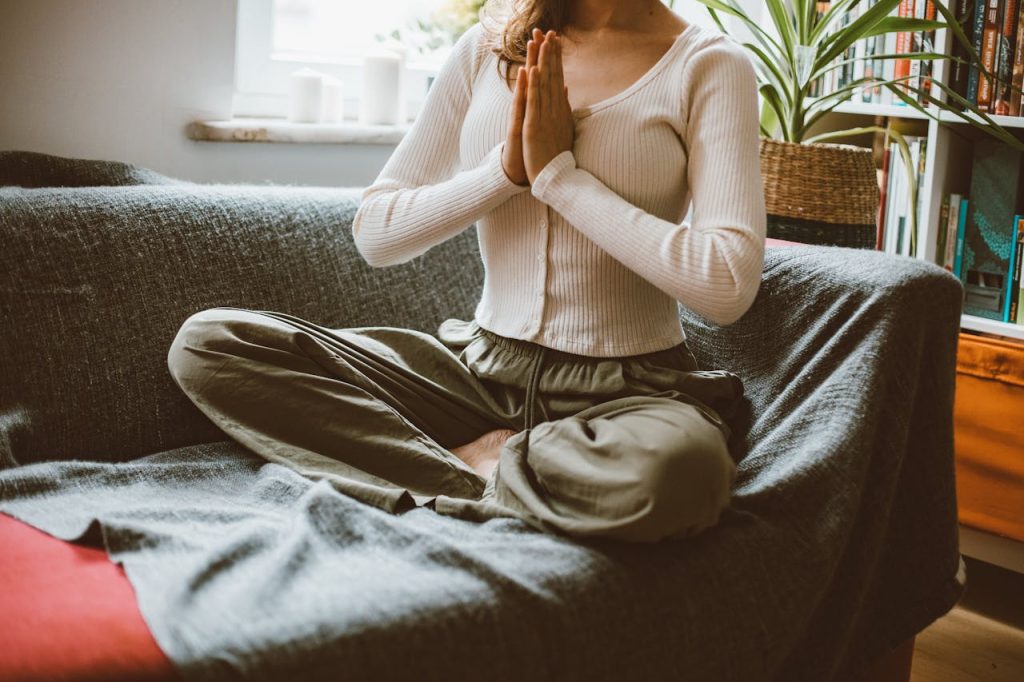
When you give gratitude consistently, it naturally extends into your interactions.
You may notice:
- Improved communication
- Deeper empathy
- Reduced conflict
- Greater appreciation for others
Gratitude transforms not just how you feel but how you relate to the world.
Gratitude as a Lifestyle, Not a Moment
True transformation occurs when gratitude becomes a way of living, not a once-in-a-while practice.
You can give gratitude:
- In the morning to set intention
- During challenges to regain balance
- At night to reflect and unwind
- Throughout the day as moments arise
This is where mindfulness and gratitude intersect most powerfully.
How Mindfulness Meditation Hub Supports Your Gratitude Journey
At Mindfulness Meditation Hub, we offer mindfulness-based tools and guided practices designed to help you give gratitude with ease and authenticity.
Our approach emphasizes:
- Accessibility for all experience levels
- Evidence-based mindfulness techniques
- Emotional and spiritual well-being
- Consistent, supportive practice
Whether you are new to mindfulness or deepening an existing practice, our gratitude-centered offerings help you integrate appreciation into daily life.
Final Thoughts: The Power of Choosing Gratitude
Learning to give gratitude is one of the simplest yet most powerful ways to transform your inner world. It doesn’t require perfection, long hours, or major lifestyle changes—only intention, presence, and practice.
When you give gratitude daily, you cultivate clarity, calm, resilience, and connection. Over time, gratitude reshapes how you think, feel, and live.
If you’re ready to deepen your gratitude practice with expert guidance, Mindfulness Meditation Hub is here to support you every step of the way.
FAQs for Give Gratitude
What does it mean to give gratitude intentionally?
To give gratitude intentionally means consciously recognizing and appreciating positive aspects of your life rather than expressing thanks automatically. It involves awareness, presence, and emotional engagement.
How often should I give gratitude to see real benefits?
Giving gratitude daily—especially through mindfulness or meditation—creates the most noticeable mental and emotional benefits over time.
Can giving gratitude really improve mental health?
Yes. Research shows that when you give gratitude consistently, it can reduce stress, ease anxiety, improve mood, and increase emotional resilience.
Is gratitude the same as positive thinking?
No. Giving gratitude doesn’t ignore challenges. Instead, it acknowledges reality while choosing to focus on appreciation and balance.
How does gratitude fit into mindfulness meditation?
Gratitude enhances mindfulness meditation by anchoring awareness in the present moment and fostering emotional openness and calm.
What is the easiest way to start a gratitude practice?
The easiest way is to give gratitude for three simple things each day—such as your breath, a supportive person, or a moment of peace.
Can guided meditations help me give gratitude more effectively?
Yes. Guided gratitude meditations provide structure, focus, and emotional depth, making it easier to stay consistent and engaged.
What if I don’t feel grateful during difficult times?
It’s normal. During challenging moments, giving gratitude for small, grounding things—like safety or breath—can gently restore balance.
Does giving gratitude improve sleep quality?
Yes. Gratitude calms the nervous system, reduces racing thoughts, and helps prepare the body and mind for restful sleep.
Can gratitude strengthen relationships?
Absolutely. When you give gratitude openly, it builds trust, emotional connection, and appreciation within relationships.
Is gratitude a spiritual practice or a mental habit?
It can be both. Giving gratitude supports mental wellness while also serving as a spiritual or mindfulness-based practice for deeper awareness.
How long does it take to feel the effects of gratitude?
Many people notice subtle benefits within a few days, while deeper emotional changes often occur after a few weeks of consistent practice.
Can children and beginners practice gratitude easily?
Yes. Gratitude is accessible to all ages and experience levels, especially when guided in a simple, supportive way.
Do I need a journal to give gratitude daily?
No. While journaling is helpful, gratitude can also be practiced through meditation, breathwork, or silent reflection.
How does Mindfulness Meditation Hub support gratitude practices?
Mindfulness Meditation Hub offers guided mindfulness and gratitude-based practices designed to help individuals give gratitude consistently and authentically.