
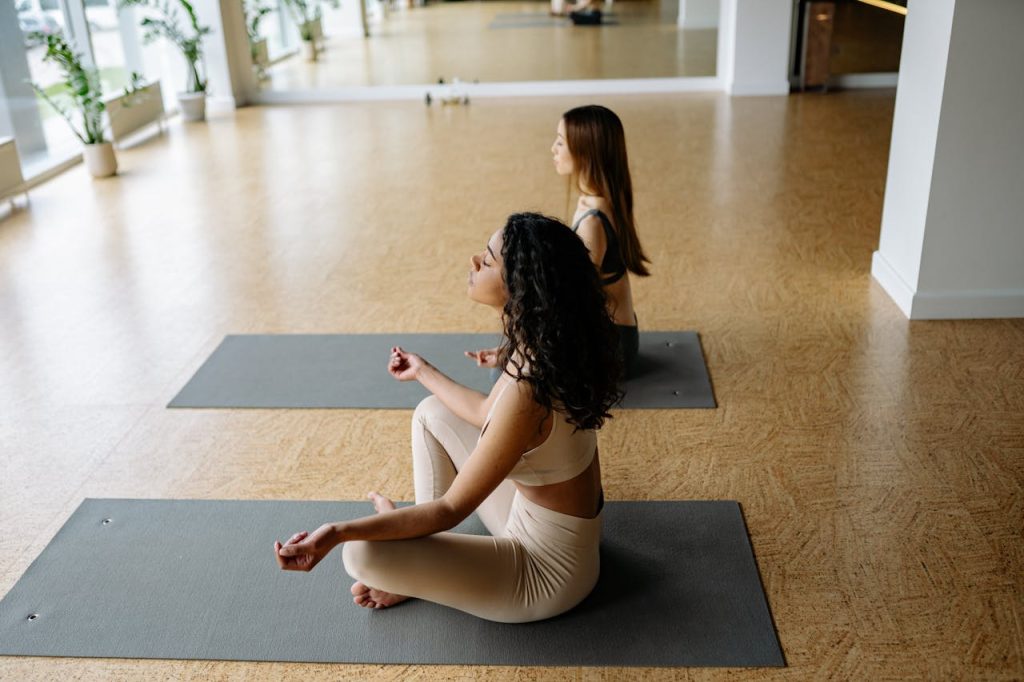
Discover the power of gratitude mindfulness. Learn practical tips and exercises to enhance your well-being, reduce stress, and cultivate a positive mindset through mindful gratitude.
Overview
In this blog post, readers will learn how gratitude mindfulness can profoundly impact their mental, emotional, and even physical well-being. We’ll explore what gratitude mindfulness is, its benefits, practical exercises, and how to incorporate it into daily life. By the end of this article, you will have actionable strategies to cultivate gratitude and live a more mindful, fulfilling life.
What is Gratitude Mindfulness?
Gratitude mindfulness is the practice of intentionally noticing and appreciating the positive aspects of your life while staying fully present in the moment. Unlike passive gratitude, which may simply involve saying “thank you,” gratitude mindfulness requires conscious awareness and reflection on the good things around you.
This practice combines two powerful concepts:
- Mindfulness: Being fully present and aware of your thoughts, emotions, and surroundings without judgment.
- Gratitude: Recognizing and appreciating the positive aspects of life, both big and small.
When combined, gratitude mindfulness enhances your awareness of the present moment while fostering a positive outlook.
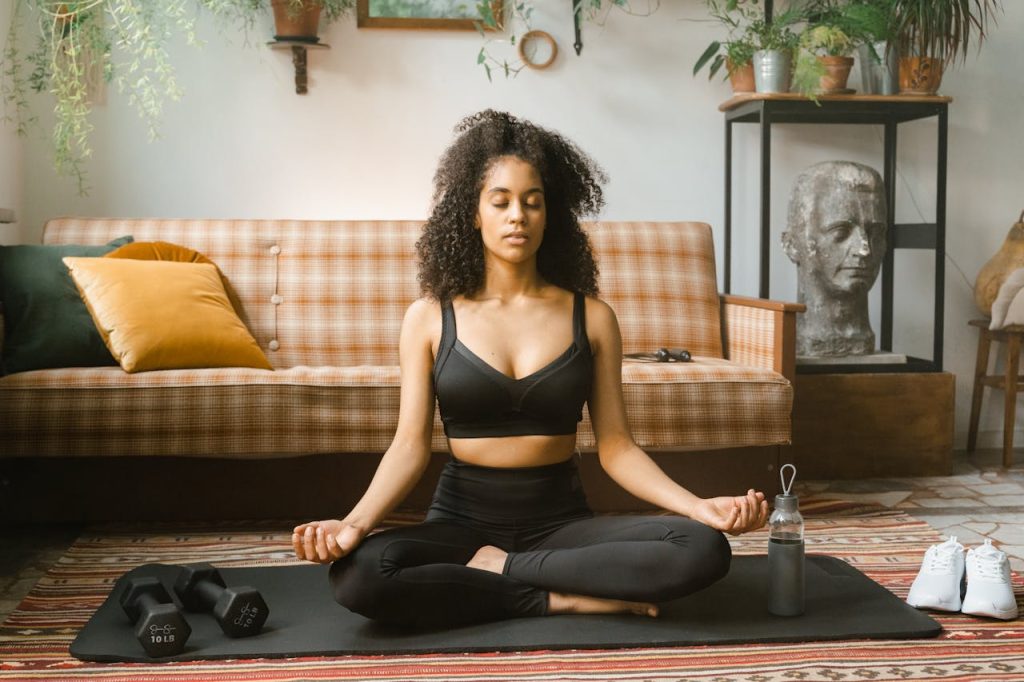
Benefits of Practicing Gratitude Mindfulness
The science behind gratitude and mindfulness shows that these practices can have a profound impact on overall well-being. Some of the key benefits include:
1. Improved Mental Health
Practicing gratitude Mindfulness regularly can reduce symptoms of anxiety and depression. By focusing on what you are thankful for, your mind shifts away from negative thoughts, helping to cultivate a sense of inner peace.
2. Increased Emotional Resilience
Gratitude mindfulness strengthens emotional resilience by helping you reframe challenges as opportunities. It allows you to find silver linings during difficult situations, making it easier to cope with stress.
3. Enhanced Relationships
Expressing gratitude mindfully toward others strengthens relationships. A simple acknowledgment of someone’s kindness or support fosters deeper connections and promotes empathy.
4. Better Physical Health
Research shows that gratitude is linked to improved physical health, including better sleep, reduced blood pressure, and a stronger immune system. Mindfulness amplifies these benefits by reducing stress and promoting relaxation.
5. Greater Life Satisfaction
People who practice gratitude mindfulness report higher levels of life satisfaction and overall happiness. By appreciating what you already have, you develop a sense of contentment and fulfillment.
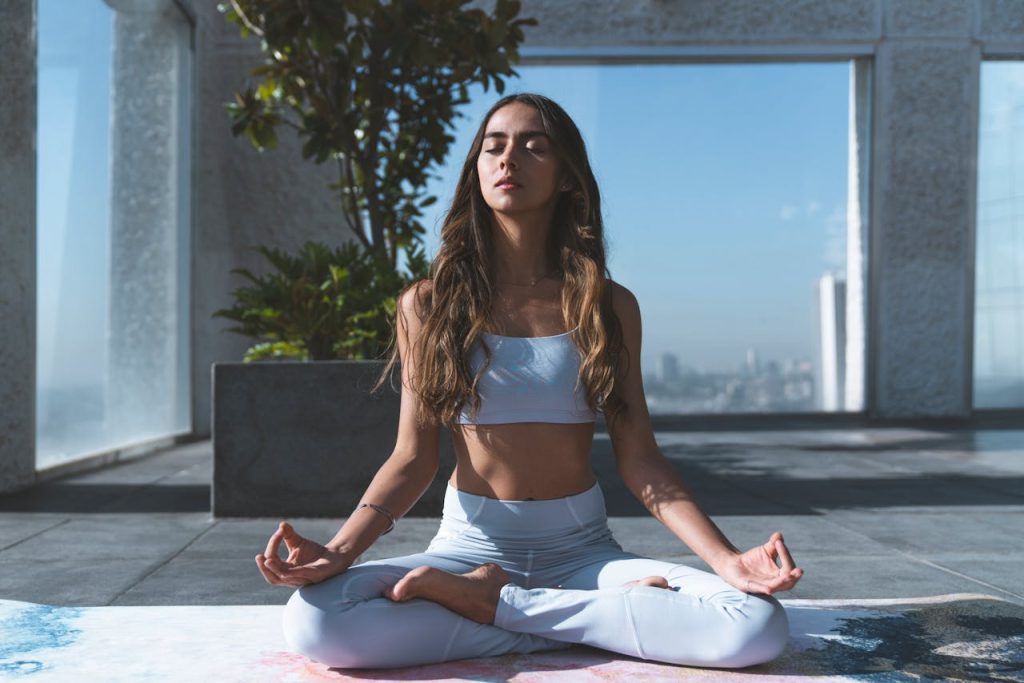
How to Practice Gratitude Mindfulness
Incorporating gratitude mindfulness into your daily life doesn’t have to be complicated. Here are some practical exercises:
1. Keep a Gratitude Journal
- Set aside 5–10 minutes daily to write down things you are grateful for.
- Include both big and small things, such as a supportive friend or a sunny day.
- Reflect on why each item makes you feel grateful.
2. Mindful Breathing with Gratitude
- Sit comfortably and close your eyes.
- Take slow, deep breaths and focus on the sensations of breathing.
- As you inhale, think of something positive in your life.
- As you exhale, silently express gratitude for that aspect.
3. Gratitude Meditation
- Find a quiet place and sit in a comfortable position.
- Focus on each part of your body, starting from your toes to your head.
- As you breathe, visualize the people, experiences, or things you are grateful for.
- Allow feelings of appreciation to fill your heart.
4. Express Gratitude to Others
- Take time to thank someone personally, via a call, text, or note.
- Be specific about what you appreciate and why it matters to you.
- Make it a regular habit to strengthen your relationships.
5. Mindful Reflection During Daily Activities
- Turn everyday activities like walking, eating, or showering into mindfulness exercises.
- Notice small details, such as the aroma of food or the warmth of sunlight.
- Recognize and appreciate these moments to cultivate gratitude.
Tips for Making Gratitude Mindfulness a Daily Habit
Consistency is key to experiencing the full benefits of gratitude mindfulness. Here are some tips to help you make it a daily practice:
- Set a regular time: Dedicate a specific time each day, such as morning or evening, for gratitude practice.
- Use reminders: Place notes, alarms, or phone reminders to prompt mindful gratitude moments.
- Start small: Begin with just 3–5 things you are grateful for daily. Gradually expand as it becomes a habit.
- Combine with other mindfulness practices: Integrate gratitude with yoga, meditation, or mindful walking to enhance your awareness.
- Reflect weekly: Review your gratitude journal weekly to recognize patterns and growth.
Gratitude Mindfulness for Stress Reduction
One of the most powerful applications of gratitude mindfulness is stress reduction. Stress often comes from worrying about the past or future. By focusing on the present and appreciating positive aspects of your life, you can:
- Lower cortisol levels, the stress hormone.
- Reduce feelings of overwhelm and anxiety.
- Cultivate a calm and balanced mindset even in challenging situations.
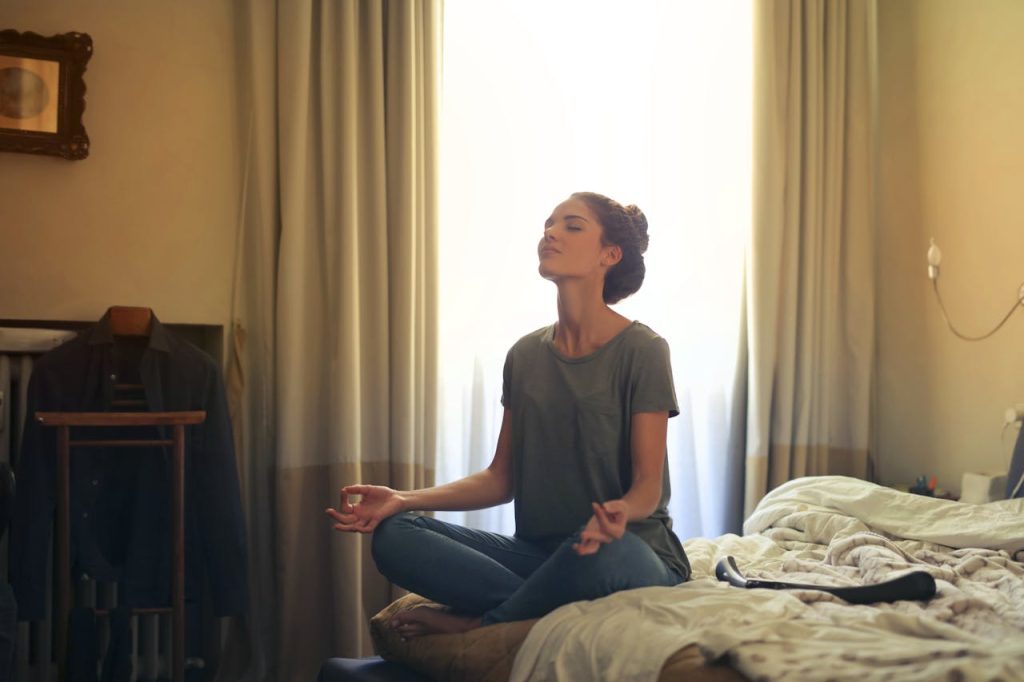
Real-Life Examples of Gratitude Mindfulness
Here are some practical ways people incorporate gratitude mindfulness in their daily lives:
- Morning gratitude ritual: Before starting the day, list three things you are grateful for.
- Gratitude walk: While walking, consciously notice and appreciate nature, surroundings, or interactions.
- Gratitude jar: Write notes of gratitude on small pieces of paper and place them in a jar to review later.
- Workplace gratitude: Acknowledge coworkers’ contributions and express thanks during meetings.
These examples show that gratitude mindfulness can be seamlessly integrated into everyday routines.
Common Misconceptions About Gratitude Mindfulness
1. “I Must Feel Grateful All the Time”
Gratitude mindfulness isn’t about forcing positive feelings. It’s about noticing what you appreciate, even amidst challenges.
2. “It’s Only for Spiritual or Mindful People”
Anyone can practice gratitude mindfulness, regardless of belief system or lifestyle. It’s a practical tool for mental and emotional well-being.
3. “It Takes Too Much Time”
Even a few minutes daily can yield significant benefits. Consistency matters more than duration.
Final Thoughts
Gratitude mindfulness is more than a trend—it’s a life-enhancing practice backed by research and real-world results. By cultivating awareness and appreciation in daily life, you can:
- Reduce stress and anxiety
- Improve relationships
- Boost emotional resilience
- Enhance overall well-being
Starting today, even small steps toward gratitude mindfulness can transform your outlook on life. Whether through journaling, meditation, or simple daily reflections, practicing gratitude mindfully allows you to live fully in the present and appreciate the richness of every moment.