
Discover practical strategies for having patience through mindfulness and meditation. Learn how to cultivate patience for better mental health, relationships, and daily life.
Overview
In this blog post, readers will explore the importance of having patience in everyday life. They will learn practical strategies to cultivate patience through mindfulness, meditation, and conscious living. The post will highlight the mental, emotional, and physical benefits of being patient and provide actionable tips to apply patience in challenging situations. By the end of this guide, readers will understand how having patience can transform their personal and professional lives.
Understanding the Importance of Having Patience
Patience is more than just waiting—it’s about maintaining composure, understanding, and mindfulness while facing life’s challenges. Many people struggle with impatience, which can lead to stress, poor decision-making, and strained relationships. Developing the ability to practice having patience is crucial for emotional well-being and mental clarity.
Why Patience Matters
- Improved Mental Health: Being patient reduces anxiety and promotes a sense of calm.
- Better Decision-Making: Patience allows for thoughtful and informed choices rather than impulsive reactions.
- Healthier Relationships: Practicing patience fosters empathy and understanding in personal and professional interactions.
- Enhanced Productivity: Patients often focus better on long-term goals without getting frustrated by short-term obstacles.
How Mindfulness Enhances Having Patience
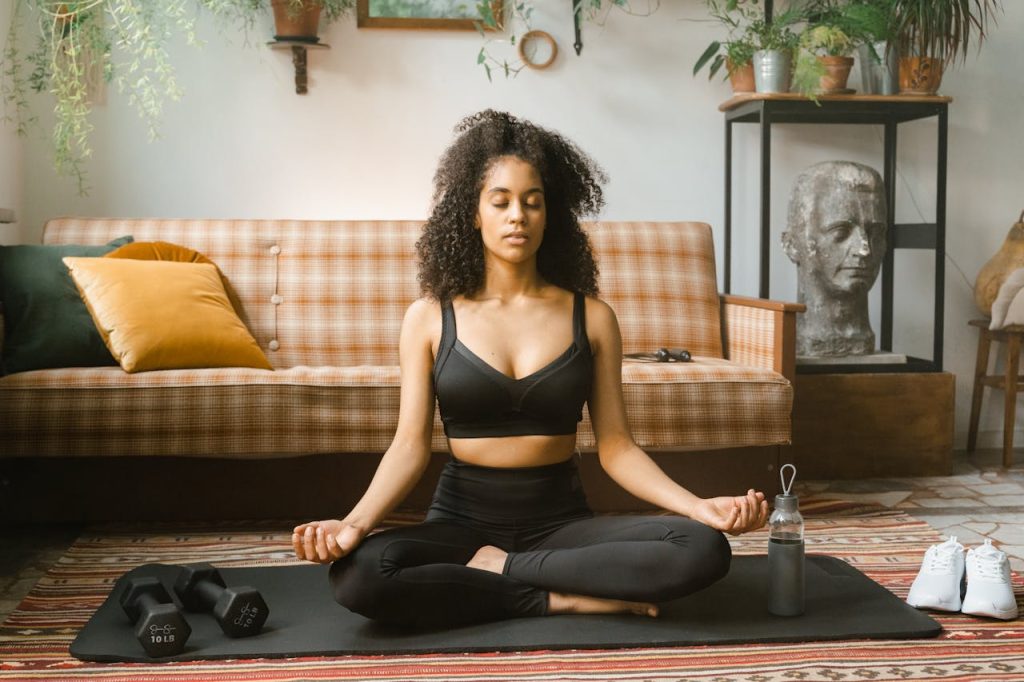
Mindfulness, the practice of being present in the moment without judgment, is a powerful tool for cultivating patience. By focusing on the present, you can reduce frustration and manage stress more effectively.
Practical Mindfulness Techniques
- Breathing Exercises: Slow, deep breathing can center your mind and help you respond calmly to challenges.
- Body Scan Meditation: Bringing awareness to physical sensations helps you stay grounded and patient.
- Observing Thoughts: Instead of reacting immediately, mindfulness teaches you to observe your thoughts and let them pass without judgment.
The Benefits of Having Patience
Developing patience provides both short-term relief and long-term advantages.
Mental Benefits
- Reduced Stress: Patience helps mitigate frustration and anxiety.
- Increased Focus: Concentrating on long-term outcomes rather than immediate gratification enhances clarity.
- Emotional Regulation: Being patient allows you to manage negative emotions more effectively.
Physical Benefits
- Lower Blood Pressure: Reducing impatience can positively affect cardiovascular health.
- Improved Sleep: A calmer mind promotes better rest and relaxation.
- Enhanced Immune System: Managing stress through patience supports overall immunity.
Social Benefits
- Stronger Relationships: Patience enables empathy and understanding.
- Better Communication: Listening carefully without interruption fosters meaningful dialogue.
- Conflict Resolution: Remaining calm in disputes prevents escalation and promotes cooperation.
Practical Tips for Developing Patience
Cultivating patience is a skill that can be learned and strengthened with consistent practice.
Daily Practices
- Set Realistic Expectations: Avoid frustration by understanding that not everything will happen instantly.
- Practice Gratitude: Focusing on what you have can reduce impatience over unmet desires.
- Pause Before Reacting: Take a moment to breathe before responding to a stressful situation.
Mindfulness Exercises
- Meditation: Spend 10–15 minutes daily in silent meditation focusing on breath or bodily sensations.
- Journaling: Reflect on moments where impatience arose and identify triggers.
- Visualization: Imagine positive outcomes to develop trust in the process.
Lifestyle Adjustments
- Limit Multitasking: Focus on one task at a time to reduce stress and impatience.
- Avoid Comparisons: Stop measuring your progress against others.
- Prioritize Self-Care: Adequate sleep, exercise, and nutrition support emotional balance.
Patience in Challenging Situations
Life is full of situations that test your patience. Whether it’s at work, in traffic, or in personal relationships, knowing how to practice patience under pressure is essential.
Handling Frustration
- Acknowledge Your Feelings: Recognize when you are impatient without judgment.
- Reframe the Situation: Focus on what you can control rather than external factors.
- Use Mindful Breathing: Slow breathing can reset your emotional response.
Managing Long-Term Goals
- Break Goals into Steps: Small, manageable tasks reduce frustration.
- Celebrate Progress: Acknowledge milestones along the way to stay motivated.
- Maintain Perspective: Remind yourself that growth takes time.
How Meditation Supports Having Patience
Meditation is a cornerstone practice for developing patience. Regular meditation trains the mind to stay calm, focus, and endure discomfort without negative reactions.
Recommended Meditation Practices
- Loving-Kindness Meditation: Cultivates empathy and patience for yourself and others.
- Guided Meditation: Use guided sessions to focus on patience-specific intentions.
- Walking Meditation: Integrates mindfulness into movement, teaching patience in action.
Teaching Children the Value of Having Patience
Instilling patience in children sets them up for long-term emotional success.
Tips for Parents
- Model Patience: Children learn from observing adults.
- Use Stories and Games: Practice patience through interactive activities.
- Positive Reinforcement: Praise children when they demonstrate patience.
The Long-Term Impact of Cultivating Patience
Practicing patience consistently can transform your life in profound ways:
- Greater Emotional Resilience: Handling setbacks with grace and composure.
- Stronger Relationships: Deeper connections with friends, family, and colleagues.
- Professional Growth: Better decision-making and leadership capabilities.
- Overall Well-Being: A calmer, more fulfilled, and mindful life.
Final Thoughts
Having patience is not an innate trait—it is a skill that can be cultivated through mindfulness, meditation, and conscious effort. By applying the practical tips and techniques shared in this post, you can navigate life with more calm, clarity, and compassion.
Remember, patience is a journey, not a destination. With regular practice, mindfulness, and self-awareness, having patience becomes a natural part of your life, improving mental health, relationships, and overall well-being.
FAQs for Having Patience
What does having patience mean?
Having patience means the ability to stay calm, composed, and tolerant in the face of delays, challenges, or frustration. It involves controlling impulsive reactions and responding thoughtfully.
Why is having patience important in daily life?
Patience reduces stress, improves decision-making, strengthens relationships, and helps maintain emotional balance. It allows you to approach life’s challenges with clarity and calm.
How can mindfulness help in having patience?
Mindfulness teaches you to focus on the present moment without judgment. By practicing mindfulness, you can reduce impulsive reactions, manage stress, and develop a more patient mindset.
Can meditation really improve patience?
Yes, meditation trains the mind to stay calm and focused. Regular meditation enhances emotional control, reduces impatience, and helps you respond to challenges more mindfully.
What are some simple techniques for developing patience?
Techniques include mindful breathing, journaling, meditation, setting realistic expectations, pausing before reacting, and practicing gratitude.
How does having patience benefit mental health?
Patience reduces anxiety and stress, improves focus, and promotes emotional resilience. It supports better overall mental well-being.
Can children learn the value of having patience?
Absolutely. Children can learn patience through modeling, interactive games, storytelling, and positive reinforcement from adults.
How does patience improve relationships?
Patience allows for empathy, better listening, and understanding. It helps resolve conflicts calmly and builds stronger, healthier connections.
Is having patience the same as being passive?
No, patience is not passivity. It’s an active skill that involves choosing thoughtful responses over impulsive reactions while staying engaged in the situation.
How long does it take to develop patience?
The time varies for each person. With consistent practice of mindfulness, meditation, and conscious habits, noticeable improvement can occur within weeks to months.
Can patience improve professional life?
Yes, patience helps in decision-making, conflict resolution, leadership, and managing stress at work. It supports long-term goal achievement and professional growth.
How can breathing exercises help with patience?
Deep, slow breathing calms the nervous system, reduces stress, and allows you to respond thoughtfully rather than react impulsively in challenging situations.
What are the signs of impatience to watch for?
Signs include frustration, irritability, rushed decision-making, emotional outbursts, and difficulty focusing on long-term goals. Recognizing these helps you practice patience consciously.
How does gratitude relate to having patience?
Practicing gratitude shifts focus from what’s lacking to what you have, reducing frustration and promoting a more patient and content mindset.
Can mindfulness and patience reduce physical health issues?
Yes, reducing stress through patience can lower blood pressure, improve sleep quality, enhance immunity, and promote overall physical well-being.