
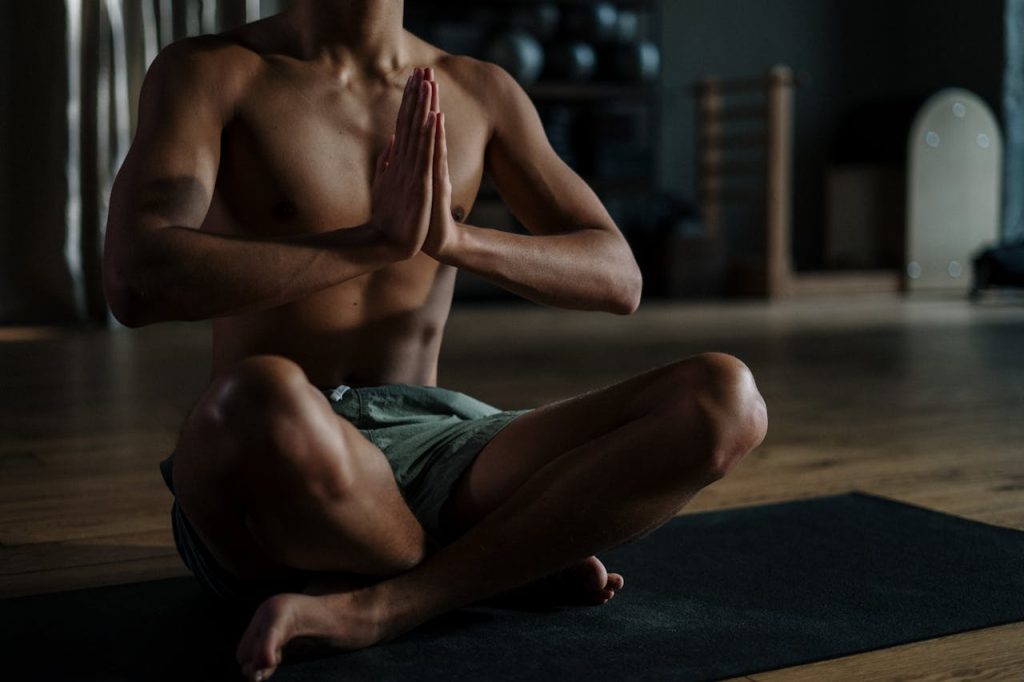
Discover how to develop gratitude with simple, science-backed practices that improve emotional wellness, reduce stress, and enhance mindful living. Learn daily habits, reflection tools, and guided exercises to build a more positive, balanced life.
Overview
In this in-depth guide, you will learn how to develop gratitude in ways that feel realistic, natural, and easy to maintain. This blog post will teach you:
- What gratitude really means and why it matters
- The science behind grateful thinking
- How gratitude affects your emotional well-being and mindset
- Daily habits that help you practice gratitude effortlessly
- Simple tools like gratitude journaling, mindful breathing, and reflection
- How guided meditation can strengthen a gratitude mindset
- How our service can support your journey toward greater appreciation and inner peace
By the end, you’ll know exactly how to develop gratitude in your daily life and create long-term emotional transformation.
How to Develop Gratitude: A Complete Guide to Strengthening Your Emotional Wellness
In a fast-paced world filled with distractions, stress, and constant comparison, learning how to develop gratitude has become more important than ever. Gratitude is more than simply saying “thank you”—it is a mindset that shapes how you experience life. When practiced consciously, gratitude can deepen emotional balance, strengthen relationships, and improve overall well-being.
At Mindfulness Meditation Hub, we help individuals cultivate gratitude through guided meditations, mindfulness practices, and transformative emotional wellness experiences. Whether you are a beginner or someone looking to deepen your spiritual and emotional growth, this guide will show you exactly how to develop gratitude in a meaningful and sustainable way.
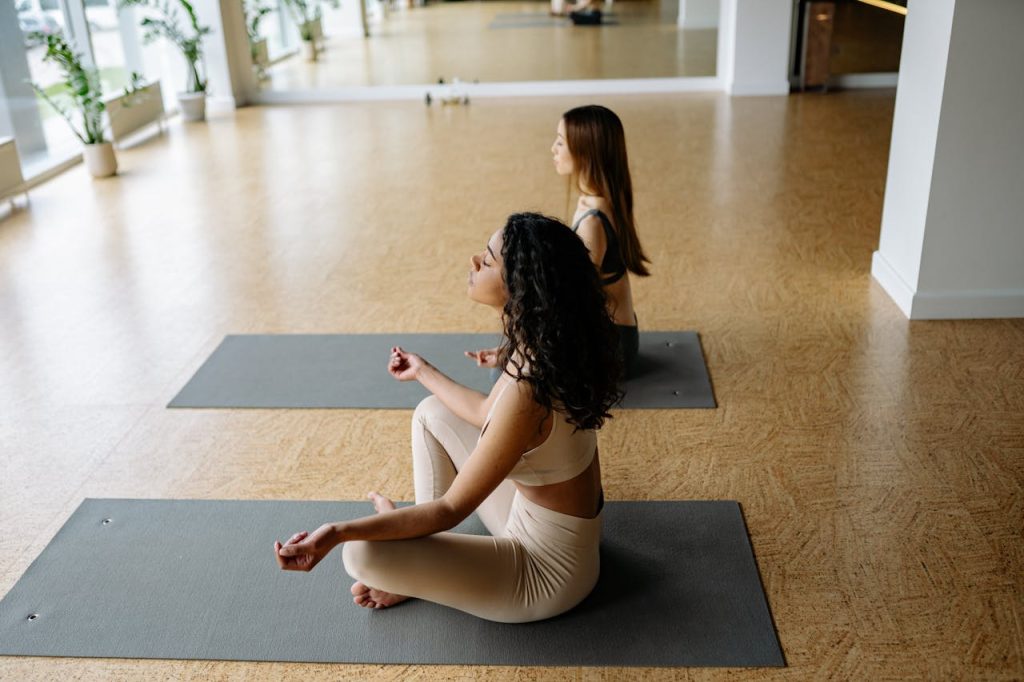
What Does Gratitude Really Mean?
Gratitude is the practice of recognizing and appreciating the positive aspects of life—both big and small. It is a shift in focus from what’s missing to what’s present. Gratitude doesn’t require perfection, wealth, or an extraordinary life. Instead, it teaches you to notice:
- Small daily joys
- Acts of kindness from others
- Your own strengths and growth
- Lessons learned from challenges
- The beauty in simple moments
When you understand how to develop gratitude, you begin to rewire your brain for positivity and presence.
The Science Behind Gratitude
Research in neuroscience and psychology has consistently shown that gratitude has powerful effects on mental and emotional wellness. Studies reveal that gratitude can:
- Reduce stress and anxiety
- Improve sleep quality
- Boost emotional resilience
- Lower symptoms of depression
- Increase feelings of connection
- Strengthen the immune system
Gratitude activates regions of the brain responsible for emotional regulation and reward. This means the more you practice gratitude, the easier it becomes to experience positive emotions naturally.
Why Learning How to Develop Gratitude Matters
Understanding how to develop gratitude is essential for anyone who wants to:
- Improve emotional balance
- Heal from past stress or trauma
- Enhance relationships
- Strengthen confidence and self-worth
- Become more mindful and present
- Reduce mental clutter and negativity
Gratitude is a skill—and like all skills, it improves with practice. As you nurture it, you begin to see life through a more compassionate and centered lens.
How to Develop Gratitude: Practical Daily Habits
Below are simple, realistic, and effective ways to develop gratitude consistently.
1. Start a Gratitude Journal
Journaling is one of the most powerful tools when learning how to develop gratitude. It helps organize your thoughts and encourages reflection.
How to Begin
- Write 3–5 things you’re grateful for daily.
- Include small details like “warm sunlight,” “a peaceful morning,” or “a delicious meal.”
- Reflect on why each item matters to you.
This practice creates a long-term record of positive experiences, which your mind learns to focus on naturally.
2. Use Mindful Gratitude Breathing
Mindful breathing is a foundational mindfulness practice. When paired with gratitude, it can shift your emotional state in minutes.
Try this simple exercise:
- Inhale slowly.
- With each exhale, say “thank you” internally.
- Visualize something or someone you appreciate.
- Continue for 1–3 minutes
This helps you stay grounded while reinforcing positive emotional energy.
3. Practice Gratitude in Real Time
One of the best ways to understand how to develop gratitude is to notice positive experiences as they happen.
Real-time gratitude moments include:
- Recognizing a kind gesture
- Noticing something beautiful in nature
- Feeling appreciation during a conversation
- Acknowledging your own effort or progress
The more you notice these moments, the more they multiply.
4. Shift Your Internal Dialogue
Negative self-talk can block gratitude, but shifting your thinking helps cultivate appreciation effortlessly.
Try reframing:
- Instead of “I have so much to do,” try “I’m grateful for the opportunities ahead.”
- Instead of “I messed up,” try “I’m grateful I’m learning.”
This technique is scientifically proven to reduce stress and increase emotional resilience.
5. Express Gratitude to Others
Telling someone you appreciate them creates instant emotional connection.
Ways to express gratitude:
- Send a thoughtful message
- Give a sincere compliment
- Write a thank-you note
- Verbally express appreciation
Expressing gratitude strengthens relationships and boosts your emotional wellness.
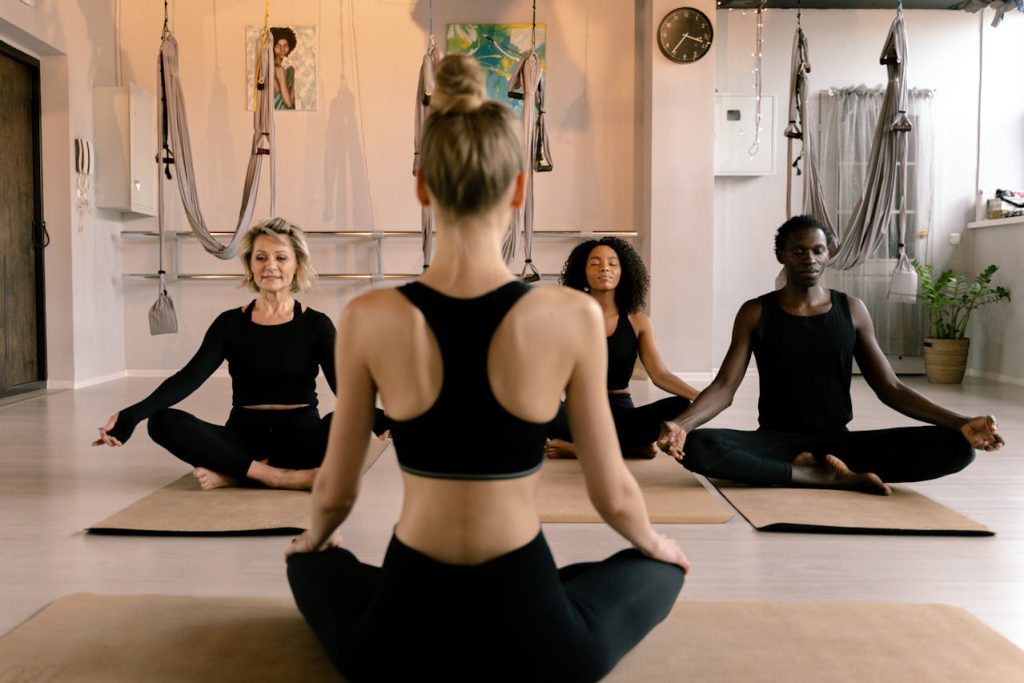
How Guided Meditation Helps You Develop Gratitude
If you’re serious about learning how to develop gratitude, guided meditation is one of the most effective tools available. Our platform offers professional, soothing, and deeply impactful gratitude meditations that help you:
- Slow down your mind.
- Increase emotional clarity
- Reconnect with your inner self
- Release stress and mental clutter
- Deepen appreciation for your body, breath, and environment
Mindfulness-based gratitude meditations help you cultivate the habit of noticing and receiving life’s blessings, even during challenging times.
How to Develop Gratitude Through Mindfulness Practices
Below are additional mindfulness-based strategies that support a consistent gratitude mindset.
1. Gratitude Walks
Take a short walk and focus on what you appreciate around you—fresh air, sounds of nature, sunlight, or peaceful silence.
2. Body Appreciation
Take a moment to acknowledge things your body does for you daily—breathing, moving, healing, and functioning.
3. Savoring
Choose a moment (like drinking tea or enjoying a meal) and fully immerse yourself in the experience.
How Our Services Support Your Gratitude Journey
At Mindfulness Meditation Hub, we offer guided meditations, mindfulness sessions, and emotional wellness programs designed to help you:
- Learn how to develop gratitude naturally
- Strengthen your emotional well-being
- Practice mindfulness consistently
- Build a healthier mindset
- Experience inner peace and balance
Whether you’re new to mindfulness or looking to deepen your practice, our tools make it easy to start today.
Final Thoughts
Learning how to develop gratitude is a powerful step toward emotional growth and mindful living. Gratitude shifts your focus, strengthens your mental well-being, and brings peace into your life. With daily practice—and support from mindful resources—you can transform your mindset and create a deeper sense of fulfillment.
FAQs for How to Develop Gratitude
How do I start developing gratitude if I’m a complete beginner?
Begin with small daily practices such as writing down three things you’re grateful for and taking mindful breaths. Consistency matters more than perfection.
How long does it take to develop gratitude as a daily habit?
Most people notice a mindset shift within 2–4 weeks of practicing gratitude regularly through journaling, meditation, or mindful reflection.
Can gratitude really improve mental health?
Yes. Research shows gratitude reduces stress, anxiety, and depression while improving emotional balance and overall well-being.
What is the easiest way to practice gratitude every day?
Writing quick notes in a gratitude journal or mentally acknowledging positive moments throughout the day is the simplest method.
How does guided meditation help with gratitude?
Guided meditation slows your mind, increases self-awareness, and helps you focus on positive emotions, making gratitude easier to cultivate.
Can gratitude practices help with sleep?
Absolutely. Focusing on gratitude before bed calms the nervous system and promotes a more restful sleep.
Is gratitude journaling more effective in the morning or at night?
Both work. Mornings create a positive start to your day, while evenings help you reflect and unwind. Choose what fits your lifestyle.
Can gratitude help during stressful or difficult times?
Yes. Gratitude doesn’t ignore challenges—it helps shift your focus to strength, support, and small positives that bring emotional balance.
How do I stay consistent with gratitude practices?
Set gentle reminders, use guided meditations, or keep your journal in a visible place to encourage daily practice.
Do I need to write long entries in a gratitude journal?
Not at all. Even one meaningful sentence per day can significantly shift your mindset.
Can children or teenagers practice gratitude too?
Yes. Gratitude is beneficial for all ages. Simple activities like “gratitude moments” or family reflections work well for younger individuals.
How is mindfulness connected to gratitude?
Mindfulness increases your awareness of the present moment, allowing you to notice and appreciate positive experiences more deeply.
Can gratitude improve relationships?
Definitely. Expressing appreciation strengthens emotional connections and fosters healthier, more supportive relationships.
What should I do if gratitude feels forced?
Start small and stay authentic. Focus on genuine moments of appreciation instead of trying to be overly positive.
How can your service help me develop gratitude?
Our guided meditations, mindfulness sessions, and emotional wellness programs provide structured support to help you build a consistent gratitude practice.