
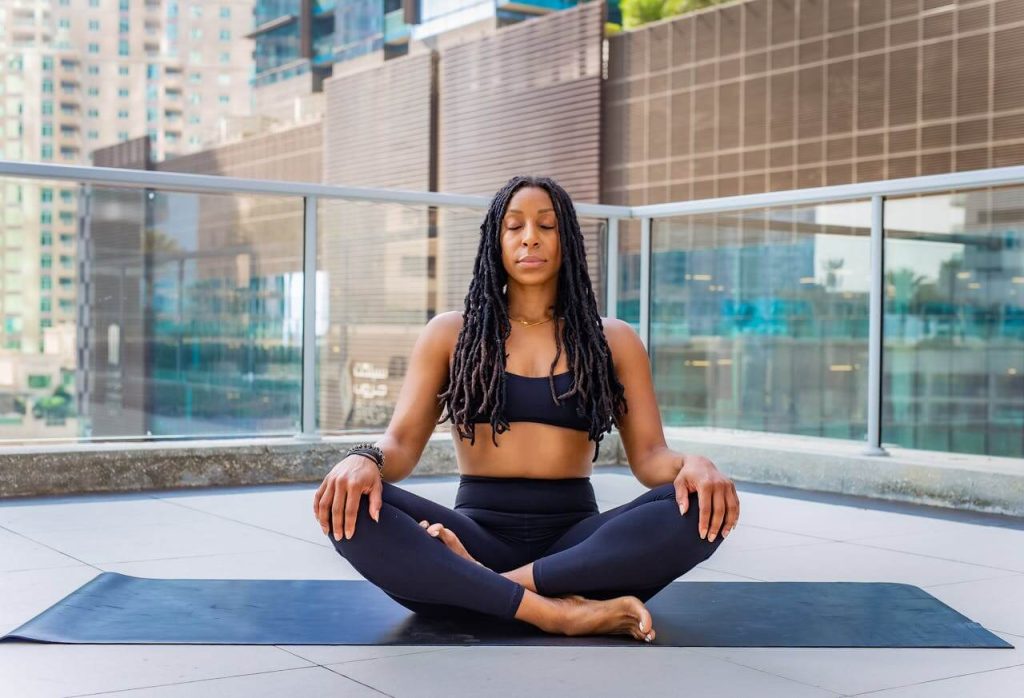
Learn how to get into meditation with simple steps, beginner-friendly techniques, and expert guidance. Discover how our meditation services help you build consistency, reduce stress, and experience clarity from day one.
Overview
In this comprehensive guide, readers will learn how to get into meditation even if they’ve struggled before or feel overwhelmed by where to begin. This post covers:
- The core purpose of meditation
- How meditation works for the mind and body
- How to prepare for successful practice
- Beginner-friendly techniques anyone can try
- How to overcome common challenges
- Tips to stay consistent
- Why guided meditation or professional support accelerates progress
By the end, readers will understand exactly how to get into meditation with confidence and how our services can support a meaningful, long-term mindfulness practice.
How to Get Into Meditation: A Complete Beginner’s Guide to Starting Your Practice
If you’ve been curious about meditation but don’t know where to start, you’re not alone. Millions of people wonder how to get into meditation, especially in a world that feels overstimulated, fast-paced, and stressful. The good news? Meditation is simple, accessible to everyone, and incredibly transformative when practiced consistently.
Whether you’re looking to reduce stress, improve mental clarity, enhance emotional balance, or create more peace in your daily life, this guide offers everything you need to begin your meditation journey—the right way.
And if you want personalized support, our professional meditation services are designed to help you learn how to get into meditation with ease and confidence.
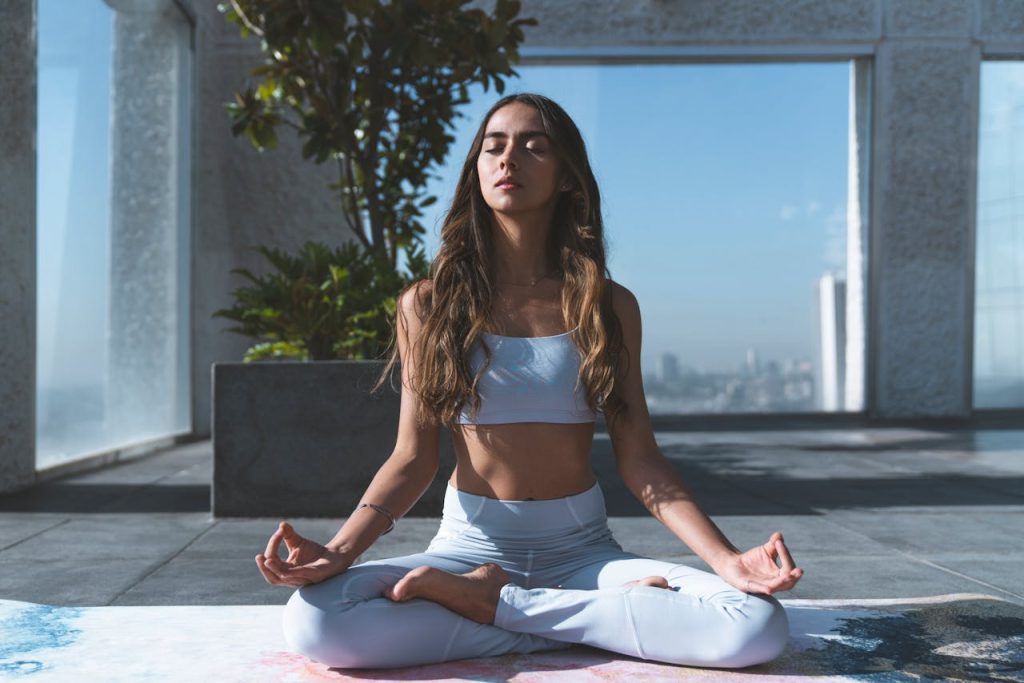
Why Meditation Matters—The Benefits That Start on Day One
Before diving into how to get into meditation, it’s important to understand why it’s worth your time. Meditation is not just for monks or wellness experts—it’s a practical life skill backed by decades of research.
Proven Benefits of Meditation
Meditation has been shown to:
- Reduce stress, anxiety, and overwhelm
- Improve focus and mental clarity
- Enhance emotional resilience
- Support better sleep
- Lower blood pressure and physical tension
- Increase self-awareness
- Strengthen your mind-body connection
You don’t need years of practice to feel results—many people notice improvements in their mood and energy within the first week.
How to Prepare Yourself Before You Start Meditating
A major part of learning how to get into meditation is setting the right foundation. You don’t need candles, perfect silence, or an hour of free time—just a few simple steps.
Choose the Right Space
Pick a space that helps you feel relaxed. It doesn’t have to be fancy. Your sofa, porch, or bedroom corner works perfectly.
Consider:
- Natural light
- Fresh air
- A comfortable place to sit
- Minimal distraction
Wear Something Comfortable
Meditation is about being present—not adjusting tight clothes or dealing with discomfort. Choose something loose, breathable, and soft.
Start with a Small Time Commitment
If you’re learning how to get into meditation, start small.
Try:
- 2 minutes for your first session
- Gradually increase to 5 minutes, then 10 minutes.
- Only extend to 15–20 minutes when you feel ready.
This reduces frustration and helps build consistency.
Beginner-Friendly Techniques to Help You Get Into Meditation
Here’s where your journey truly begins. If you want to know how to get into meditation, these simple and effective techniques will help you start immediately.
1. Breath-Focused Meditation (Best for Beginners)
Sit comfortably. Inhale slowly through your nose. Exhale gently through your mouth.
While breathing:
- Focus on the feeling of the air moving
- Notice your chest expanding
- Observe your belly rising and falling.
- Let your mind settle on the rhythm.
If your mind wanders (and it will!), gently return to your breath.
2. Body Scan Meditation
This technique brings awareness to your physical body.
Start at the top of your head and mentally scan downward:
- Forehead
- Jaw
- Neck
- Shoulders
- Arms
- Chest
- Legs
- Feet
Notice sensations without judgment.
3. Guided Meditation (Easiest Way to Start)
Guided sessions are ideal if you feel unsure about how to meditate.
A trained guide:
- Talks you through the steps
- Helps you relax
- Keeps your mind focused
- Reduces beginner frustration
We offer guided meditation services tailored for beginners to help you learn how to get into meditation with professional support.
4. Mindful Listening
Instead of focusing on silence, concentrate on the sounds around you:
- Birds
- Wind
- Distant conversations
- Soft music
This is a great technique for people who struggle with quiet meditation.
5. Walking Meditation
Perfect if sitting still is difficult.
Walk slowly and focus on:
- Your steps
- The ground beneath your feet
- The sensations in your legs
- Your breath
Walking meditation is one of the most grounding beginner practices.
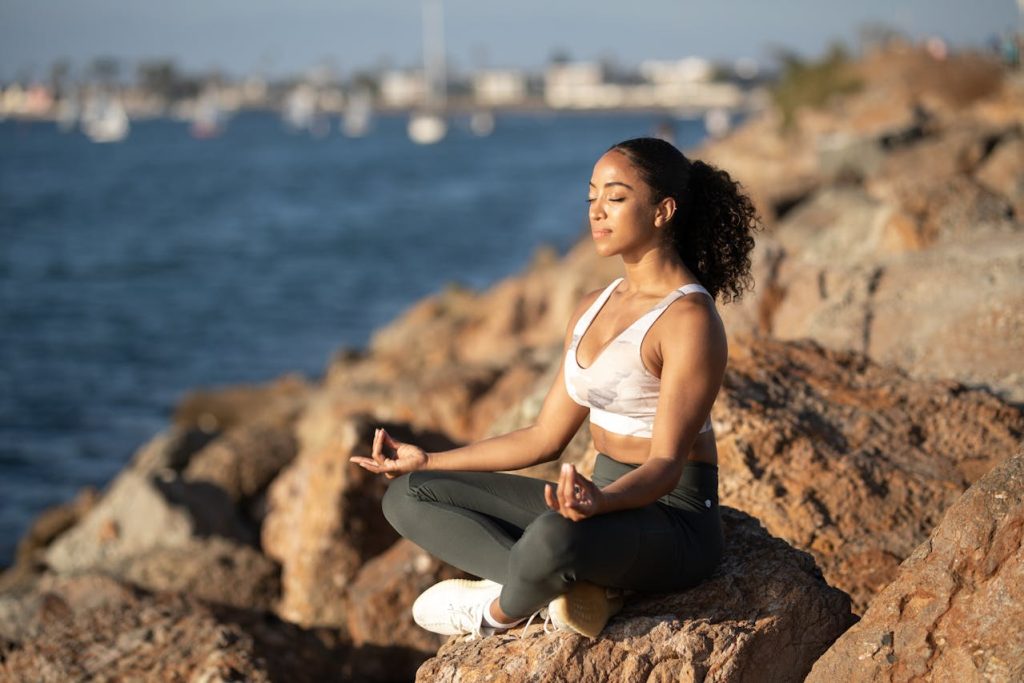
How to Get Into Meditation by Eliminating Common Obstacles
If you’ve tried meditating before and didn’t stick with it, you’re not alone. Understanding obstacles is part of learning how to get into meditation successfully.
“My Mind Won’t Stop Thinking”
This is not a problem—it’s normal. Meditation isn’t about stopping thoughts. It’s about observing them without reacting.
“I Don’t Have Time”
You only need 2 minutes to start. Meditation fits into:
- Waking up
- Bedtime
- Lunch breaks
- Before stressful meetings
- During commutes (if you’re not driving)
“I Can’t Sit Still”
Try:
- Walking meditation
- Mindful breathing
- Shorter sessions
“I Get Bored”
This usually means the mind is resisting stillness. Guided meditation helps overcome this.
Building a Consistent Meditation Practice
A major part of learning how to get into meditation is creating a rhythm that feels natural, effortless, and sustainable.
Daily Micro-Meditations
You can meditate during:
- Showers
- Work breaks
- Coffee time
- After workouts
- Before sleep
Use Meditation Apps or Professional Guidance
Apps are good—professional guidance is better. A meditation expert can help you:
- Improve your technique
- Stay consistent
- Use the right methods for your goals.
- Avoid common mistakes
- Personalize your practice
This is why our services include guided meditation sessions specifically for beginners learning how to get into meditation.
Keep a Meditation Journal
Write down:
- How long you meditated
- How you felt
- What distracted you?
- What improved your focus?
Reflecting helps deepen your practice.
Why Guided Meditation Helps You Start Faster
If you truly want to learn how to get into meditation, guided support is the most effective path.
Here’s why:
- You don’t have to figure everything out alone.
- You stay accountable.
- Sessions are structured.
- You get personalized instructions.
- You develop skills faster.
- You avoid frustration.
We offer professional guided meditation services to help beginners establish a strong, rewarding meditation practice from day one.
Final Thoughts—You Can Learn How to Get Into Meditation Today
Learning how to get into meditation is far easier than most people think. With the right approach, a peaceful mindset, and gentle guidance, anyone can start experiencing the benefits of meditation.
Whether you’re seeking clarity, emotional balance, stress relief, spiritual growth, or deeper self-awareness, meditation can transform your life—and we’re here to support your journey.
If you want step-by-step guidance, structured teachings, and expert support, our meditation services can help you start with confidence and maintain a consistent, fulfilling practice.
FAQs for How to Get Into Meditation
What is the easiest way to start meditating?
The easiest way is to start with short, guided meditation sessions of 2–5 minutes, focusing on your breath or simple body awareness.
How long should a beginner meditate?
Start with 2–5 minutes daily and gradually increase to 10–20 minutes as you become more comfortable.
Do I need a quiet place to meditate?
While a quiet place helps, meditation can be done anywhere as long as you minimize distractions and focus your attention.
Can meditation reduce stress?
Yes, consistent meditation practice has been proven to reduce stress, lower anxiety, and improve emotional balance.
What is the best time of day to meditate?
The best time is whenever you can consistently practice, but common times are in the morning, during breaks, or before bedtime.
Do I need special equipment to meditate?
No special equipment is required. A comfortable chair or cushion and a quiet space are sufficient to start.
Can I meditate if I have a busy schedule?
Absolutely! Even 2–5 minutes of meditation daily can be effective. You can integrate short sessions into your routine.
What are guided meditations and why are they helpful?
Guided meditations are led by instructors who direct your focus, making it easier for beginners to stay engaged and build a consistent practice.
How do I stop my mind from wandering during meditation?
It’s natural for your mind to wander. Gently return your focus to your breath, body sensations, or guided instructions without judgment.
Can meditation improve sleep quality?
Yes, meditation helps relax the mind and body, which can lead to better sleep patterns and deeper rest.
How do I measure progress in meditation?
Progress can be measured by increased focus, reduced stress, improved emotional regulation, and a growing sense of calm and awareness.
What types of meditation are best for beginners?
Breath-focused, body scan, guided, walking, and mindfulness listening meditations are ideal for beginners.
Can meditation help with anxiety?
Yes, meditation can reduce anxiety by promoting relaxation, awareness, and emotional resilience over time.
How often should I meditate to see benefits?
Daily practice is ideal, but even a few times a week can produce noticeable benefits if practiced consistently.
Should I join a meditation class or practice at home?
Both options work. Classes or guided services provide structure and support, while home practice offers flexibility. Combining both can be highly effective.