
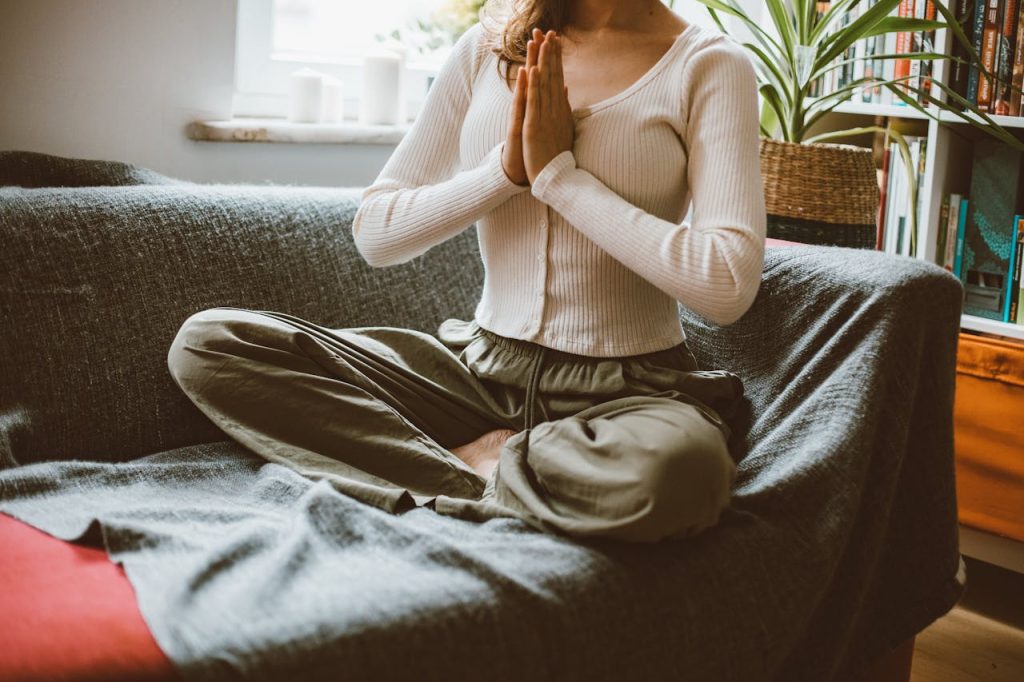
Discover practical ways to practice gratitude daily. Learn techniques to improve happiness, reduce stress, and cultivate a positive mindset.
Overview:
In this blog post, readers will learn how to practice gratitude effectively and integrate it into their daily lives. By the end, they will understand the mental and physical benefits of gratitude, discover practical exercises and strategies, and gain insights on sustaining a gratitude practice long-term. This guide is designed for beginners and experienced mindfulness practitioners alike, offering actionable tips that can improve overall well-being, happiness, and resilience.
What is Gratitude and Why It Matters
Gratitude is more than just saying “thank you.” It is a mindset that involves recognizing and appreciating the positive aspects of life. Practicing gratitude helps you focus on what you have rather than what you lack, fostering emotional resilience and a more profound sense of satisfaction.
Benefits of Practicing Gratitude
- Improved Mental Health: Regular gratitude practice reduces stress, anxiety, and depression.
- Better Relationships: Expressing gratitude strengthens personal and professional relationships.
- Increased Happiness: Grateful people report higher levels of joy and contentment.
- Enhanced Physical Health: Studies suggest that grateful individuals experience better sleep, lower blood pressure, and stronger immunity.
- Greater Mindfulness: Gratitude encourages awareness and appreciation of the present moment.
How to Practice Gratitude Daily
Practicing gratitude can be simple yet profoundly transformative. Below are practical ways to incorporate gratitude into your everyday life.
1. Keep a Gratitude Journal
Writing down things you are thankful for can reinforce positive thinking. Try noting 3–5 things each day that you appreciate, whether big or small. Examples:
- A supportive friend
- A sunny day
- A favorite cup of coffee
2. Express Gratitude to Others
Acknowledging people who make your life better strengthens connections. Send a text, write a note, or say thank you in person.
3. Practice Mindful Reflection
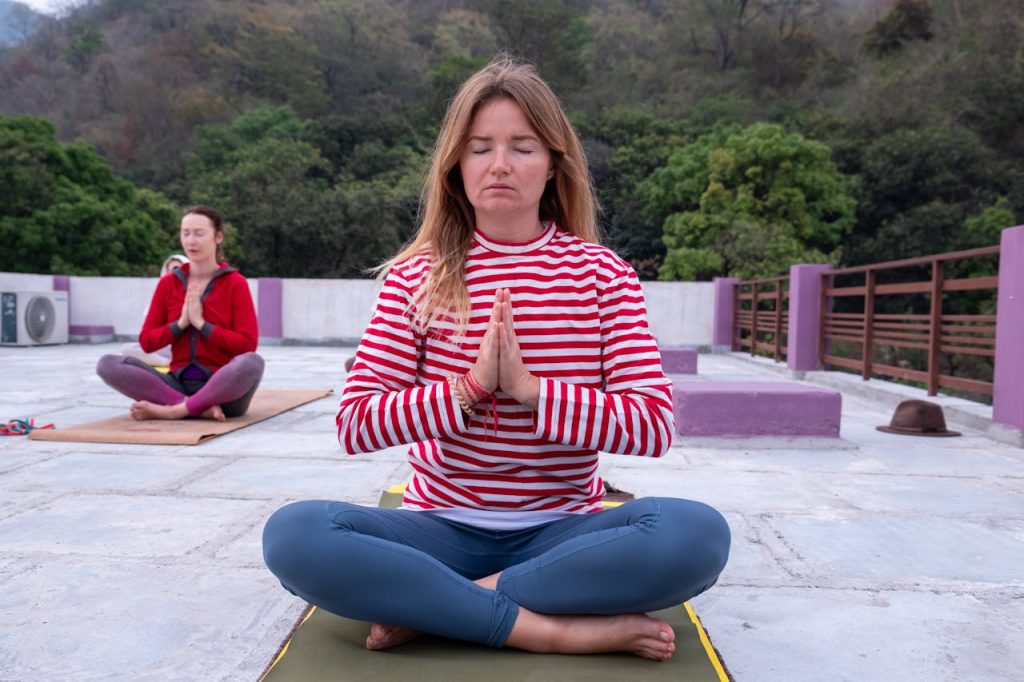
Take 5–10 minutes daily to reflect on positive experiences. Meditation or quiet contemplation can help you recognize things you might usually overlook.
4. Use Visual Reminders
Sticky notes, vision boards, or phone reminders can prompt you to pause and notice what you’re grateful for.
5. Turn Challenges into Gratitude Opportunities
Even during tough times, try to find lessons or small positives. This approach fosters resilience and emotional growth.
6. Incorporate Gratitude into Your Routine
Start or end your day with a gratitude ritual, such as listing things you are thankful for at breakfast or before bed.
How Gratitude Impacts the Brain
Scientific studies show that practicing gratitude activates regions in the brain associated with dopamine and serotonin, neurotransmitters linked to happiness and well-being. This explains why even short daily gratitude exercises can make a noticeable difference in mood and outlook over time.
Gratitude and Mindfulness: A Powerful Combination
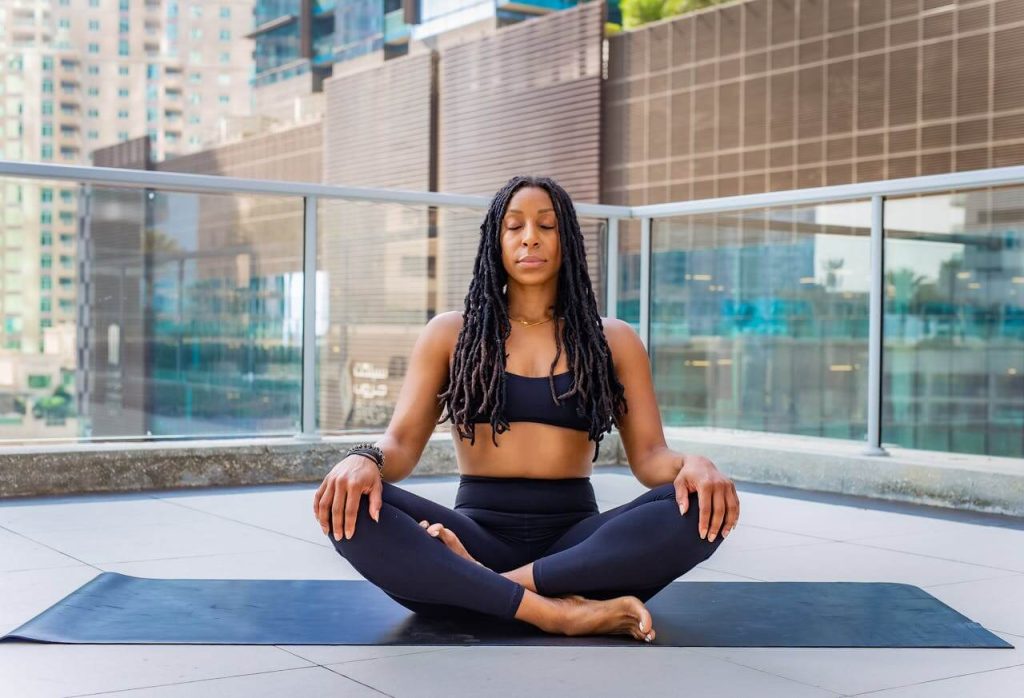
Gratitude and mindfulness go hand-in-hand. While mindfulness focuses on awareness of the present, gratitude highlights the positive aspects of your experiences. By combining both, you can:
- Reduce negative thinking
- Improve emotional regulation
- Deepen appreciation for everyday moments
Common Mistakes to Avoid When Practicing Gratitude
Even well-intentioned gratitude practices can go astray if not done mindfully. Avoid these pitfalls:
- Forcing Gratitude: It should feel genuine, not obligatory.
- Comparing Yourself to Others: Focus on your own experiences rather than envying others.
- Overlooking Small Things: Even minor positives count—don’t wait for significant achievements to be grateful.
Tips for Sustaining a Gratitude Practice
Consistency is key. Here are strategies to maintain a long-term practice:
- Make it a daily habit at a fixed time.
- Pair gratitude with other wellness routines like meditation or journaling.
- Revisit past gratitude entries to reflect on progress and growth.
- Celebrate your achievements and milestones, however small.
How to Teach Gratitude to Others
Sharing gratitude can be as powerful as practicing it yourself. Encourage family, friends, or colleagues to:
- Start a shared gratitude journal
- Express appreciation during meetings or gatherings
- Practice acts of kindness as a form of gratitude
Final Thought
Learning how to practice gratitude is a decisive step toward a more fulfilled and mindful life. By integrating simple exercises like journaling, conscious reflection, and expressing thanks to others, you can cultivate positivity, improve relationships, and enhance overall well-being. Remember, the key is consistency and authenticity—gratitude is most impactful when it becomes a natural part of your daily routine.