
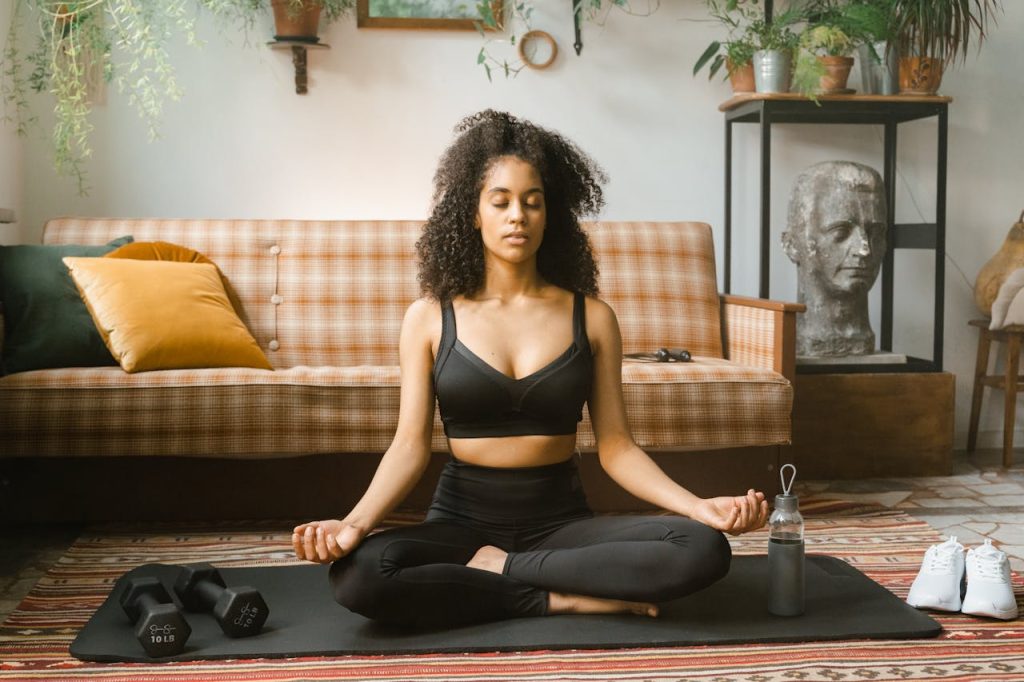
Learn how to practice meditation effectively with this complete guide. Discover techniques, tips, and routines to cultivate mindfulness, reduce stress, and improve mental clarity.
Introduction
Meditation has become increasingly popular due to its powerful benefits for mental health, emotional balance, and overall well-being. However, many people struggle with getting started or maintaining a consistent practice. Learning how to practice meditation correctly can transform your experience, making it easier to reap its full benefits.
Whether your goal is to reduce stress, improve focus, or enhance emotional resilience, meditation offers a simple yet profound solution. This guide will walk you through everything you need to know to begin and sustain a meaningful meditation practice.
Understanding Meditation
Before learning how to practice meditation, it’s important to understand what meditation truly is.
- Mindfulness Meditation: Focusing your attention on the present moment and observing your thoughts without judgment.
- Concentration Meditation: Concentrating on a single point, such as your breath, a mantra, or an object.
- Loving-Kindness Meditation: Cultivating feelings of love and compassion toward yourself and others.
- Body Scan Meditation: Bringing awareness to each part of your body to promote relaxation and reduce tension.
Understanding the type of meditation you want to practice will help you stay consistent and achieve better results.
Step-by-Step Guide: How to Practice Meditation
Here’s a practical guide to get started:
Find a Quiet Space
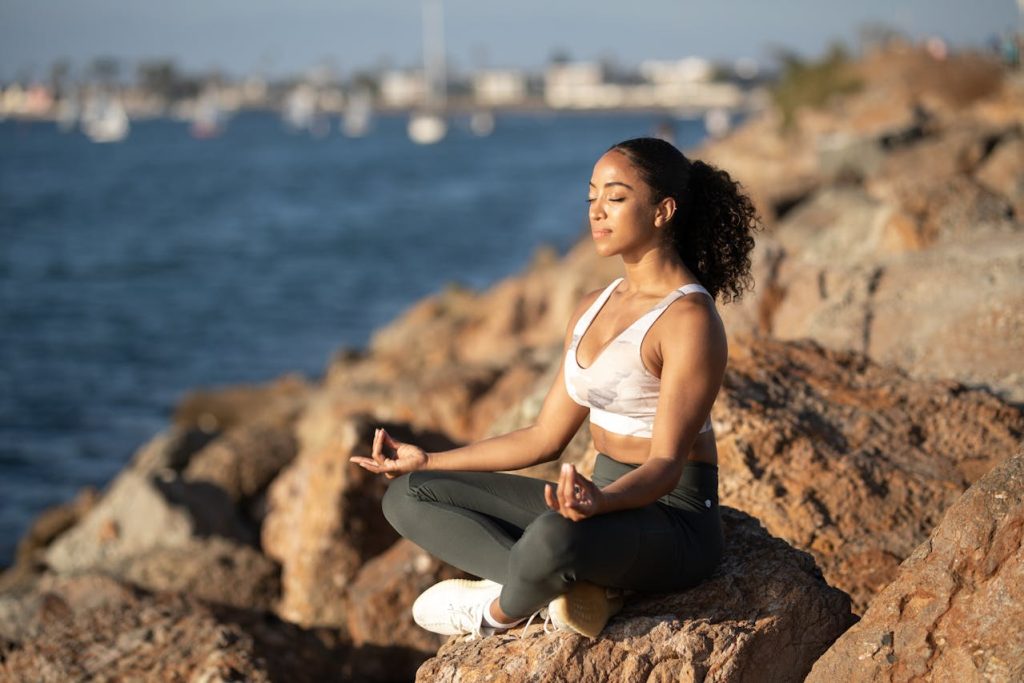
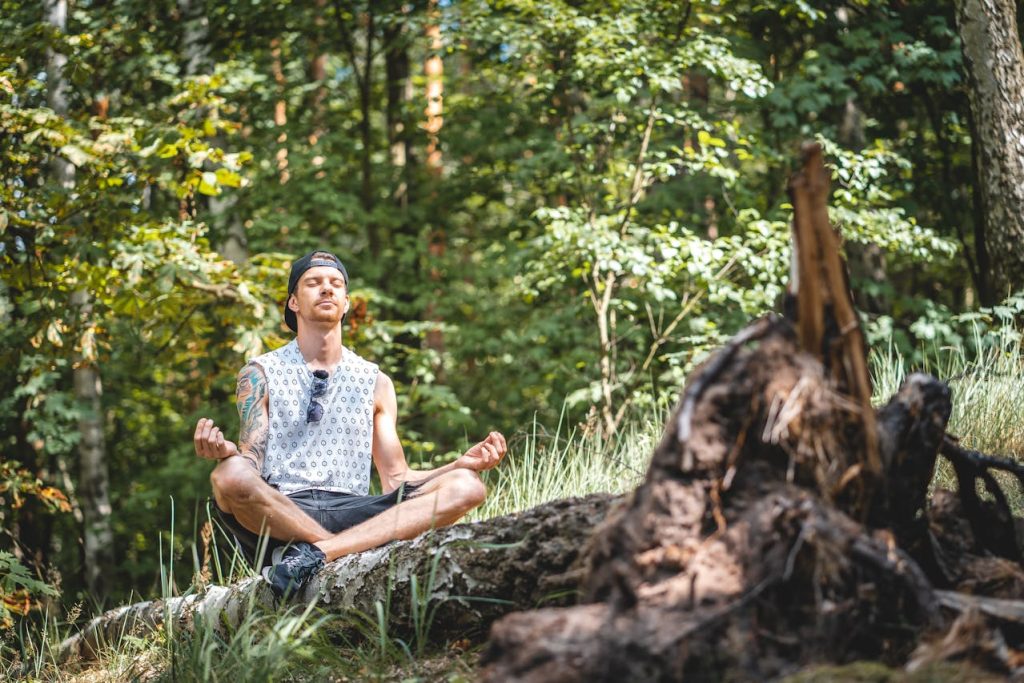
Choose a calm and quiet environment where you won’t be disturbed. This could be a dedicated meditation room, a quiet corner in your home, or even a peaceful outdoor setting. A comfortable environment helps reduce distractions and promotes relaxation.
Get Comfortable
Sit or lie down in a comfortable position. You don’t need to sit cross-legged unless it’s comfortable. The key is to maintain a posture that allows you to stay alert yet relaxed.
Focus on Your Breath
Start by paying attention to your breath. Notice the sensation of air entering and leaving your nostrils or the rise and fall of your chest. This simple act of focusing on your breath anchors you to the present moment.
Observe Your Thoughts
As you meditate, thoughts will naturally arise. Instead of trying to block them, observe them without judgment and gently bring your focus back to your breath. This practice strengthens mindfulness and mental clarity.
Set a Time Limit
Begin with short sessions of 5–10 minutes, gradually increasing to 20–30 minutes as you become more comfortable. Consistency matters more than duration, especially for beginners.
End with Gratitude
Finish your session by taking a moment to express gratitude. Reflect on the positive aspects of your day or simply appreciate the time you dedicated to your practice.
Tips to Maintain a Consistent Meditation Practice
Consistency is the key to experiencing the full benefits of meditation. Here are some tips:
- Set a Regular Schedule: Meditate at the same time every day, ideally in the morning to start your day with clarity.
- Start Small: Even 5 minutes a day is beneficial. Gradually increase the duration as you progress.
- Use Guided Meditations: Guided sessions can help you stay focused and learn different techniques.
- Create a Meditation Corner: Having a dedicated space encourages regular practice.
- Track Your Progress: Maintain a journal to reflect on your experiences and improvements.
Common Challenges and Solutions
Learning how to practice meditation may come with challenges. Here’s how to overcome them:
- Restless Mind: Focus on your breath or use a mantra to anchor your thoughts.
- Physical Discomfort: Adjust your posture or use cushions to sit comfortably.
- Time Constraints: Even a few minutes daily is effective—consistency outweighs length.
- Impatience with Results: Meditation is a gradual process; benefits accumulate over time.
Integrating Meditation Into Daily Life
Meditation doesn’t need to be confined to a sitting session. Here’s how you can incorporate it into daily activities:
- Mindful Walking: Focus on the sensation of your feet touching the ground.
- Mindful Eating: Eat slowly, savoring each bite and noticing flavors and textures.
- Breathing Breaks: Take short pauses during work to focus on your breath and reduce stress.
- Evening Reflection: Spend a few minutes before bed reflecting on your day with mindfulness.
Benefits of Meditation
Regular practice offers numerous benefits:
- Reduces Stress and Anxiety: Meditation calms the mind and lowers cortisol levels.
- Improves Focus and Concentration: Mindfulness enhances cognitive abilities and attention span.
- Enhances Emotional Well-being: Regular practice promotes a positive outlook and emotional resilience.
- Supports Physical Health: Meditation can lower blood pressure, improve sleep, and boost immunity.
Tools and Resources to Support Your Meditation Practice
- Apps: Headspace, Calm, Insight Timer
- Online Platforms: Mindfulness Meditation Hub provides guided meditations, exercises, and tips for beginners and advanced practitioners.
- Books: “The Miracle of Mindfulness” by Thich Nhat Hanh, “Wherever You Go, There You Are” by Jon Kabat-Zinn
- Courses and Workshops: Join online or local meditation classes to deepen your practice.
Final Thought
Learning how to practice meditation is a journey that can transform your mental, emotional, and physical well-being. By starting small, being consistent, and using the right techniques, meditation can become a powerful tool to enhance your life.
Remember, meditation is not about achieving perfection but about cultivating awareness, presence, and inner peace. Begin today, and with patience and practice, you’ll experience the profound benefits of this timeless practice.