
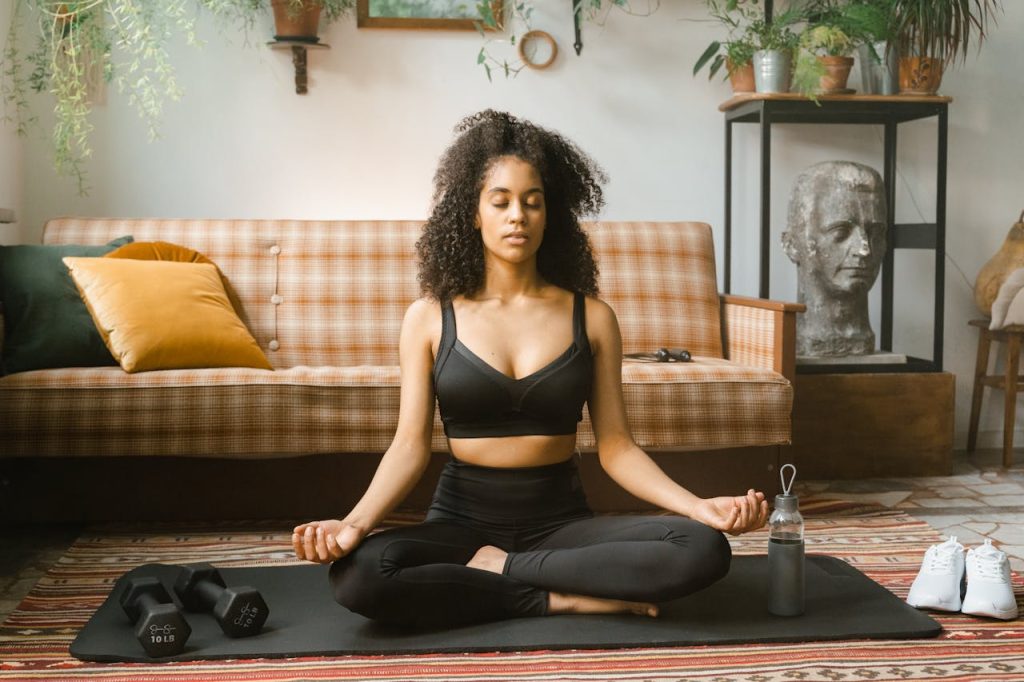
Learn how to start a meditation practice with simple, proven steps. This beginner-friendly guide helps you build consistency, reduce stress, and create a daily mindfulness habit.
Overview
Meditation is no longer just a spiritual trend—it’s a practical, science-supported way to reduce stress, improve focus, and reconnect with yourself. Yet many people feel overwhelmed when they try to begin. They ask questions like, “Am I doing this right?” How long should I meditate? Why can’t I stop my thoughts?
If you’ve ever felt that way, you’re not alone.
Learning how to start a meditation practice doesn’t require special equipment, hours of free time, or years of experience. It simply requires intention, guidance, and consistency. This guide is designed to walk you through everything you need to know—step by step—so you can start meditating with confidence.
What Is Meditation (Really)?
Meditation is the practice of training your attention to be present. It’s not about clearing your mind completely or achieving a perfect state of calm. Instead, it’s about noticing your thoughts without judgment and gently returning your focus to the present moment.
At its core, meditation helps you:
- Become more aware of your thoughts and emotions.
- Respond rather than react to stress
- Build mental clarity and emotional balance
Understanding this is the first step in learning how to start a meditation practice without unrealistic expectations.
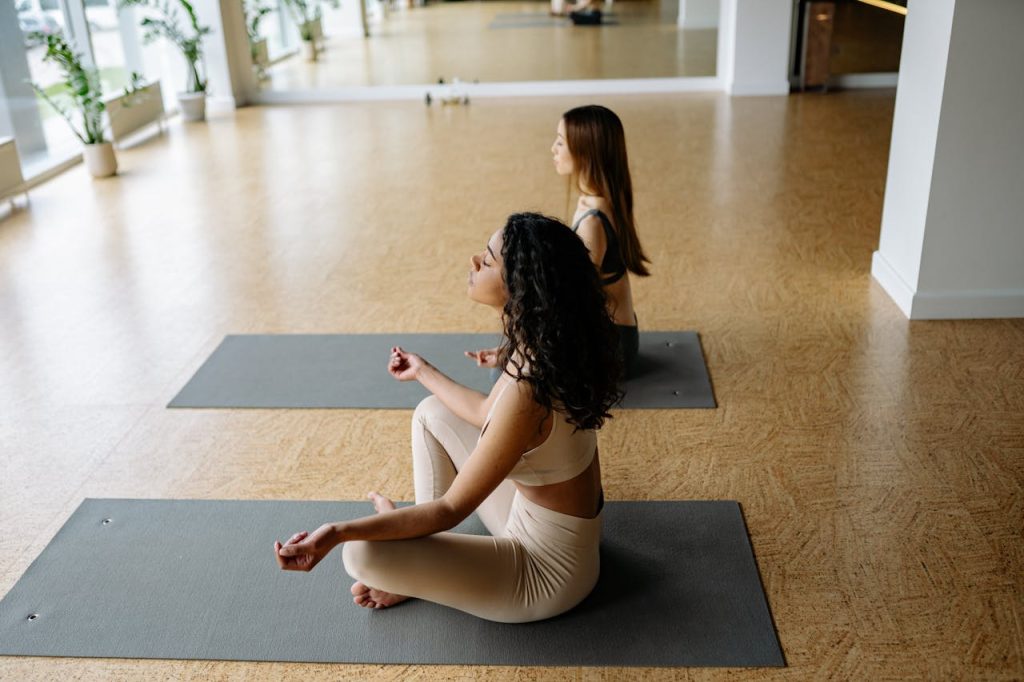
Why Start a Meditation Practice?
People begin meditation for many reasons, but the benefits are both immediate and long-term.
Key Benefits of Meditation
- Reduced stress and anxiety
- Improved focus and concentration
- Better sleep quality
- Emotional resilience
- Greater self-awareness
- Improved overall well-being
Research consistently shows that even a few minutes of daily meditation can positively impact mental and emotional health.
How to Start a Meditation Practice: Step-by-Step
Starting small and staying consistent is the secret. Here’s a simple framework you can follow.
1. Choose a Realistic Time
One of the biggest mistakes beginners make is trying to meditate for too long, too soon.
Start with:
- 5–10 minutes per day
- The same time each day (morning or evening works best)
Consistency matters far more than duration when learning how to start a meditation practice.
2. Create a Comfortable Space
You don’t need a special meditation room. Just choose a space where you can sit comfortably and remain undisturbed.
Your space should be:
- Quiet or relatively calm
- Comfortable (chair, cushion, or floor)
- Free from distractions
Over time, your brain will associate this space with calm and focus.
3. Choose a Simple Meditation Technique
Beginners often feel confused by too many techniques. Keep it simple.
Popular Beginner Meditation Styles
- Breath awareness—focusing on the inhale and exhale
- Body scan meditation—noticing sensations throughout the body
- Guided meditation—following verbal instructions from a teacher
- Loving-kindness meditation—cultivating compassion for yourself and others
For many people learning how to start a meditation practice, guided meditation is the easiest entry point.
Why Guided Meditation Is Ideal for Beginners
Guided meditation removes the guesswork. Instead of wondering what to do next, you’re gently led through the process.
Benefits of Guided Meditation
- Clear instructions reduce anxiety.
- Helps maintain focus
- Encourages consistency
- Ideal for busy schedules
- Perfect for beginners and experienced meditators alike
At Mindfulness Meditation Hub, we offer a diverse library of guided meditations led by experienced teachers—making it easier to begin and stay committed.
How Long Should You Meditate?
There is no “perfect” length.
Recommended Meditation Durations
- Beginners: 5–10 minutes
- Intermediate: 10–20 minutes
- Advanced: 20–45 minutes
The key to mastering how to start a meditation practice is showing up daily, even if it’s brief.
How Often Should You Meditate?
Daily meditation is ideal, but consistency matters more than perfection.
Aim for:
- 5–7 days per week
- Same time each day if possible
If you miss a day, simply begin again—without guilt.
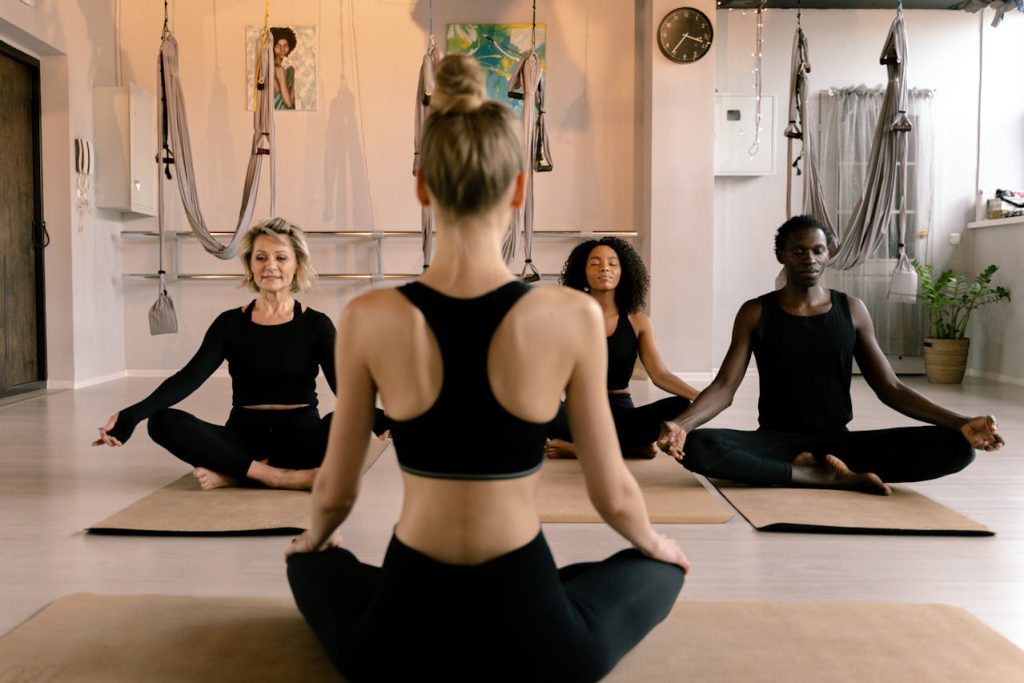
Common Beginner Mistakes (and How to Avoid Them)
Starting meditation can feel frustrating at first. Here are common pitfalls and how to move past them.
Mistake 1: Expecting Immediate Calm
Meditation is a practice, not a switch. Thoughts are normal.
Mistake 2: Trying Too Hard
Meditation isn’t about forcing focus. Gently return your attention.
Mistake 3: Being Inconsistent
Short daily sessions are better than long, irregular ones.
Mistake 4: Judging Yourself
There is no “bad” meditation. Showing up is success.
Understanding these challenges helps you stick with how to start a meditation practice long-term.
How Meditation Fits Into Daily Life
Meditation doesn’t end when the session ends. Over time, it influences how you move through your day.
You may notice:
- More patience
- Better emotional regulation
- Increased awareness of thoughts and reactions
- A calmer response to stress
This integration is what turns meditation into a lifestyle—not just a habit.
How Mindfulness Meditation Hub Supports Your Practice
At Mindfulness Meditation Hub, we make meditation accessible, practical, and human-centered.
What We Offer
- A wide range of guided meditations
- Teachers with diverse styles and approaches
- Meditations for stress, sleep, focus, and emotional balance
- Resources for beginners and experienced practitioners
Whether you’re learning how to start a meditation practice or deepening an existing one, our platform supports you at every stage.
Final Thoughts: Start Where You Are
You don’t need to change your life overnight. You only need to begin.
Meditation isn’t about doing it perfectly—it’s about showing up with curiosity and compassion. When you commit to learning how to start a meditation practice, you’re investing in clarity, balance, and long-term well-being.
Start small. Stay consistent. And let the practice support you—one breath at a time.
FAQs for How to Start a Meditation Practice
How do I start a meditation practice if I’ve never meditated before?
The best way to start a meditation practice as a beginner is to begin small. Start with 5 minutes a day, choose a quiet space, and focus on your breath or follow a guided meditation. Consistency matters more than length.
How long should beginners meditate each day?
Beginners should aim for 5 to 10 minutes per day. As your comfort and focus improve, you can gradually increase your meditation time without pressure.
What is the best type of meditation for beginners?
Guided meditation is often the best option for beginners because it provides clear instructions and structure. Breath awareness and body scan meditations are also excellent starting points.
When is the best time of day to meditate?
The best time to meditate is whenever you can stay consistent. Many people prefer mornings for clarity or evenings to unwind, but any time that fits your schedule works.
Do I need to sit on the floor to meditate?
No, you don’t need to sit on the floor. You can meditate sitting on a chair, lying down, or even standing, as long as you are comfortable and alert.
Why can’t I stop my thoughts during meditation?
Having thoughts during meditation is completely normal. Meditation is not about stopping thoughts but about noticing them and gently returning your focus to your breath or guide.
How long does it take to see results from meditation?
Some people feel calmer after just one session, while others notice changes after a few weeks of consistent practice. Regular meditation builds benefits over time.
Can meditation really reduce stress and anxiety?
Yes, meditation is scientifically proven to reduce stress and anxiety by calming the nervous system and improving emotional regulation when practiced consistently.
What should I do if I miss a day of meditation?
If you miss a day, simply start again the next day without guilt. Meditation is a practice, and consistency over time is more important than perfection.
Is guided meditation better than silent meditation?
For beginners, guided meditation is often more helpful because it keeps you focused and removes uncertainty. Silent meditation can be explored later as your practice develops.
Can meditation help with sleep problems?
Yes, meditation—especially guided sleep meditations—can help calm the mind, relax the body, and improve sleep quality when practiced regularly.
How do I stay consistent with a meditation practice?
Set a regular time, start with short sessions, and use guided meditations to stay motivated. Treat meditation like brushing your teeth—a daily habit, not a chore.
Is it okay to meditate lying down?
Yes, meditating lying down is fine, especially for relaxation or sleep-focused meditation. Just be mindful not to fall asleep unless that’s your goal.
Can meditation be practiced without spiritual beliefs?
Absolutely. Meditation is a mental and emotional wellness practice and does not require any spiritual or religious belief to be effective.
Where can I find reliable guided meditations for beginners?
You can find high-quality, beginner-friendly guided meditations at Mindfulness Meditation Hub, which offers accessible sessions led by experienced teachers for all levels.