

Learn how to cultivate inner calm with mindfulness practices, guided meditation, and daily routines. Discover techniques to reduce stress and enhance mental clarity.
Overview
In this blog post, readers will learn practical strategies to cultivate inner calm in their daily lives. We will explore the benefits of mindfulness, meditation techniques, and simple daily habits that help reduce stress, enhance focus, and promote emotional balance. By the end, readers will understand how to incorporate these practices into their lifestyle for lasting peace and mental clarity.
Understanding Inner Calm
Inner calm is the state of mental and emotional peace that allows you to remain centered despite the challenges of daily life. Achieving inner calm is not about escaping reality but rather developing resilience and mindfulness to navigate stress, anxiety, and negative emotions with clarity.
Some key aspects of inner calm include:
- Emotional stability and resilience
- Reduced stress and anxiety
- Enhanced mental clarity and focus
- Improved decision-making and patience
Cultivating inner calm is essential for overall well-being, both physically and mentally. It is a skill that can be developed with consistent practice.
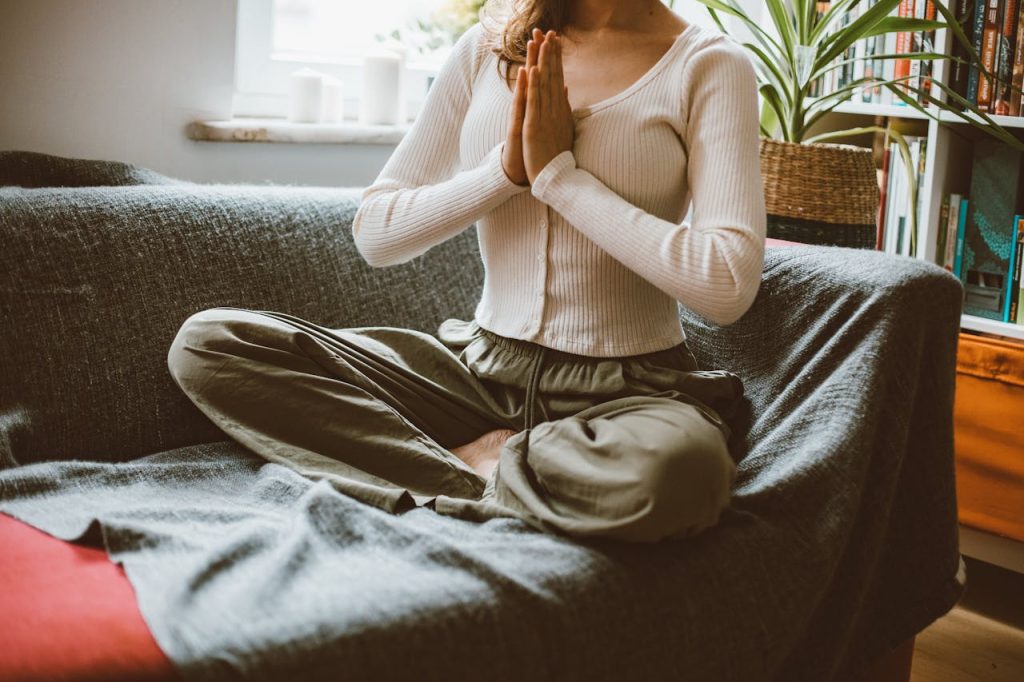
The Benefits of Inner Calm
Achieving inner calm provides numerous benefits for your mind, body, and spirit:
- Stress Reduction: Regular mindfulness and meditation practices reduce cortisol levels, helping you stay relaxed and composed.
- Improved Focus: Inner calm enhances concentration, making it easier to handle complex tasks efficiently.
- Better Relationships: Calm individuals respond thoughtfully rather than reacting impulsively, improving communication and emotional connection.
- Enhanced Creativity: A peaceful mind allows creativity and innovative thinking to flourish.
- Emotional Resilience: Inner calm helps you face challenges without being overwhelmed by emotions.
These benefits collectively contribute to a more balanced and fulfilling life.
Techniques to Cultivate Inner Calm
Achieving inner calm requires intentional practices that train your mind and body. Here are effective techniques:
1. Mindful Breathing
Breathing exercises are foundational for calming the mind. Practice mindful breathing daily:
- Inhale slowly through your nose for 4 seconds.
- Hold your breath for 4 seconds.
- Exhale gently through your mouth for 6 seconds.
Repeat for 5–10 minutes to lower stress and promote inner calm.
2. Meditation Practices
Meditation is a powerful tool to achieve it. Popular meditation techniques include:
- Guided Meditation: Follow a meditation audio or video to focus your mind.
- Body Scan Meditation: Slowly focus on each part of your body to release tension.
- Loving-Kindness Meditation: Cultivate compassion for yourself and others.
Even 10–15 minutes of daily meditation can dramatically improve your sense of it.
3. Mindful Movement
Physical activities that integrate mindfulness can enhance calmness:
- Yoga: Focused breathing and gentle stretches reduce stress and increase mental clarity.
- Tai Chi: Slow, deliberate movements help harmonize the body and mind.
- Walking Meditation: Walk slowly while paying attention to your breath and surroundings.
These practices connect your body and mind, grounding you in the present moment.
4. Journaling and Reflection
Writing down your thoughts can help release mental clutter and achieve clarity:
- Keep a daily gratitude journal to focus on positive experiences.
- Note stressful events and reflect on possible solutions
- Set intentions for calmness each morning
Journaling is a simple yet effective way to nurture inner calm.
5. Digital Detox
Modern life is filled with constant notifications and information overload. Reducing screen time can help maintain calmness:
- Limit social media usage
- Schedule breaks from emails and devices
- Practice mindful digital consumption
A mindful approach to technology reduces distractions and promotes mental clarity.
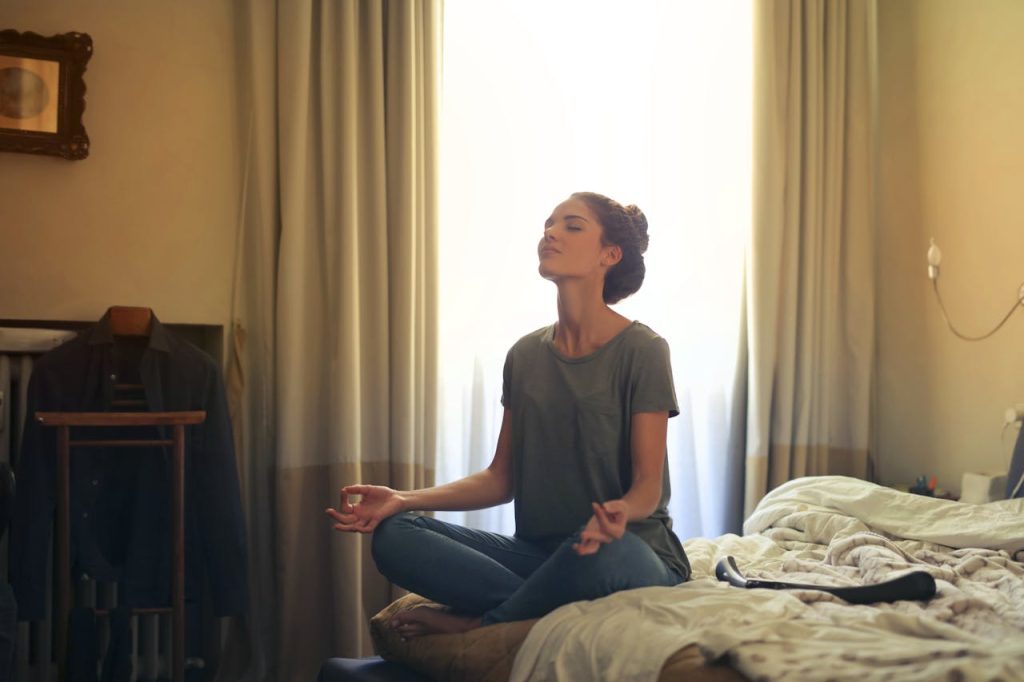
Daily Habits to Strengthen Inner Calm
Consistency is key to achieving lasting inner calm. Incorporate these habits into your daily routine:
- Morning Meditation: Start your day with a short meditation to set a calm tone.
- Nature Walks: Spend time outdoors to reduce stress and reconnect with yourself.
- Mindful Eating: Pay attention to the taste, texture, and aroma of your food.
- Positive Affirmations: Repeat calming statements such as, “I am at peace with myself.”
- Adequate Sleep: Quality sleep is essential for emotional balance and mental clarity.
These small actions, practiced consistently, contribute to profound inner calm over time.
Overcoming Challenges on the Path to Inner Calm
While cultivating inner calm is rewarding, it may come with challenges:
- Restless Mind: It’s natural for thoughts to wander during meditation. Simply return your focus gently.
- Busy Lifestyle: Start with short sessions and gradually increase duration.
- Emotional Triggers: Mindfulness helps you observe emotions without judgment.
Remember, patience and consistency are essential. Inner calm develops over time with regular practice.
How Mindfulness Meditation Hub Can Help
At Mindfulness Meditation Hub, we provide a range of resources to help you achieve inner calm:
- Guided meditation audios and videos
- Mindfulness exercises for beginners and advanced practitioners
- Articles on stress reduction, emotional resilience, and mental clarity
- Practical tips to integrate mindfulness into daily life
Our goal is to make inner calm accessible to everyone, supporting a peaceful and balanced lifestyle.
Final Thoughts
Achieving inner calm is a transformative journey that enhances your emotional, mental, and physical well-being. By integrating mindful breathing, meditation, movement, journaling, and healthy daily habits, you can cultivate lasting peace even in a busy world.
Consistency, patience, and self-compassion are key. Start with small steps today, and over time, you will notice a profound improvement in your stress levels, focus, and overall happiness.
Embrace the journey toward it and allow yourself the gift of mental clarity and emotional resilience.