
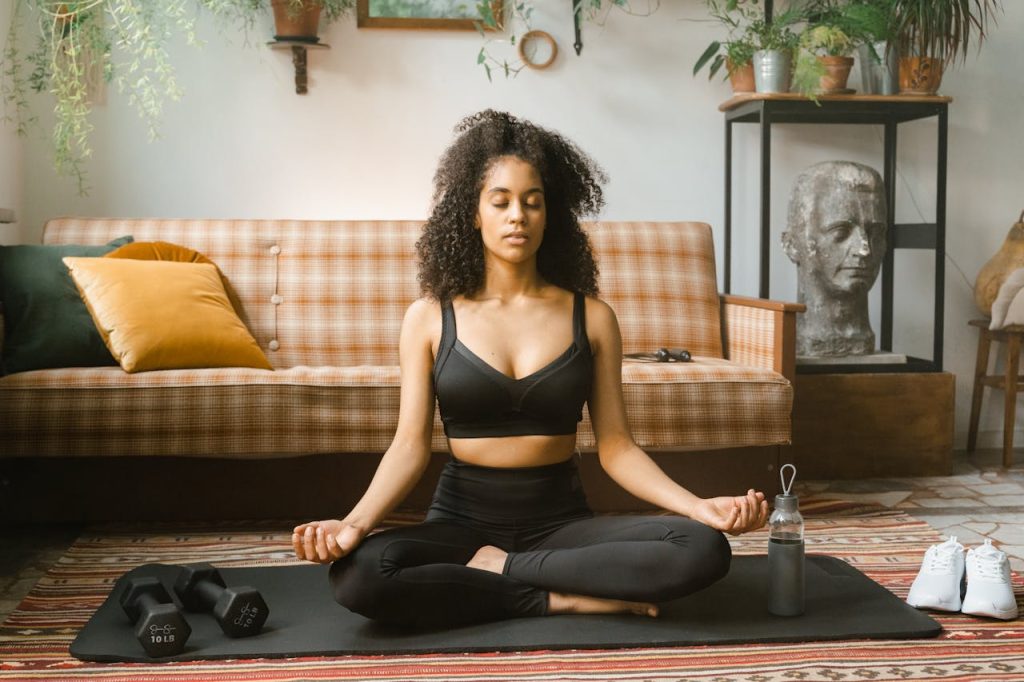
Discover the powerful benefits of loving compassion meditation. Learn how to practice it effectively, boost emotional well-being, and cultivate kindness, offered by the Mindfulness Meditation Hub.
Overview: What You’ll Learn in This Blog Post
In this article, you’ll explore the meaning and benefits of loving compassion meditation, also known as metta meditation. You’ll learn:
- What loving compassion meditation is and where it originates
- Step-by-step instructions on how to practice it
- The physical, emotional, and spiritual benefits
- Common challenges and how to overcome them
- How to incorporate this practice into your daily life
Whether you’re new to meditation or looking to deepen your mindfulness journey, this guide will provide practical insights that can support your growth and emotional resilience.
What Is Loving Compassion Meditation?
Loving compassion meditation is a type of mindfulness practice rooted in ancient Buddhist traditions, specifically Metta Bhavana, which means the development of loving-kindness. The goal is to generate genuine feelings of love, empathy, and compassion for yourself and others, including people you may struggle to connect with.
Unlike other meditation types that focus solely on breath or awareness, this technique involves directing well-wishes toward others, which makes it both healing and relational.

Why Practice Loving Compassion Meditation?
Practicing loving compassion meditation has a wide range of mental, emotional, and physical health benefits:
Emotional Benefits:
- Reduces stress and anxiety
- Increases empathy and emotional intelligence
- Helps heal trauma and emotional wounds
Physical Benefits:
Spiritual & Social Benefits:
- Cultivates a deeper sense of connection with others
- Enhances forgiveness and understanding
- Builds inner peace and compassion toward all living beings
According to scientific studies, consistent practice of loving compassion meditation has been linked to greater activation in brain regions associated with positive emotions and empathy.
How to Practice Loving-Compassion Meditation
You don’t need any special tools or background to begin this practice. All you need is a quiet space and a willingness to be present.
Step-by-Step Instructions:
Step 1: Find a Quiet, Comfortable Space
Sit in a relaxed position, either on a cushion or chair. Keep your spine upright but not stiff.
Step 2: Start with Yourself
Close your eyes. Take a few deep breaths. Begin silently repeating phrases such as:
- May I be happy.
- May I be healthy.
- May I be safe?
- May I live with ease?
Feel the warmth of these words as you direct compassion inward.
Step 3: Expand to Loved Ones
Think of someone you care about deeply. Silently send them the same wishes:
- May you be happy.
- May you be safe.
- May you be healthy.
- May you live with ease.
Step 4: Include Neutral People
Now bring to mind someone you don’t know well—perhaps a coworker or the cashier at your local store.
Step 5: Extend to Difficult People
This is often the hardest step, but also the most transformative. Picture someone you’ve had tension with. Offer them the same kind of wishes.
Step 6: Radiate Universal Compassion
Finally, extend these well-wishes to all beings everywhere:
- May all beings be happy and free.
- May all beings be safe and at peace.
This final step anchors the essence of loving compassion meditation—universal love.
Tips for Beginners
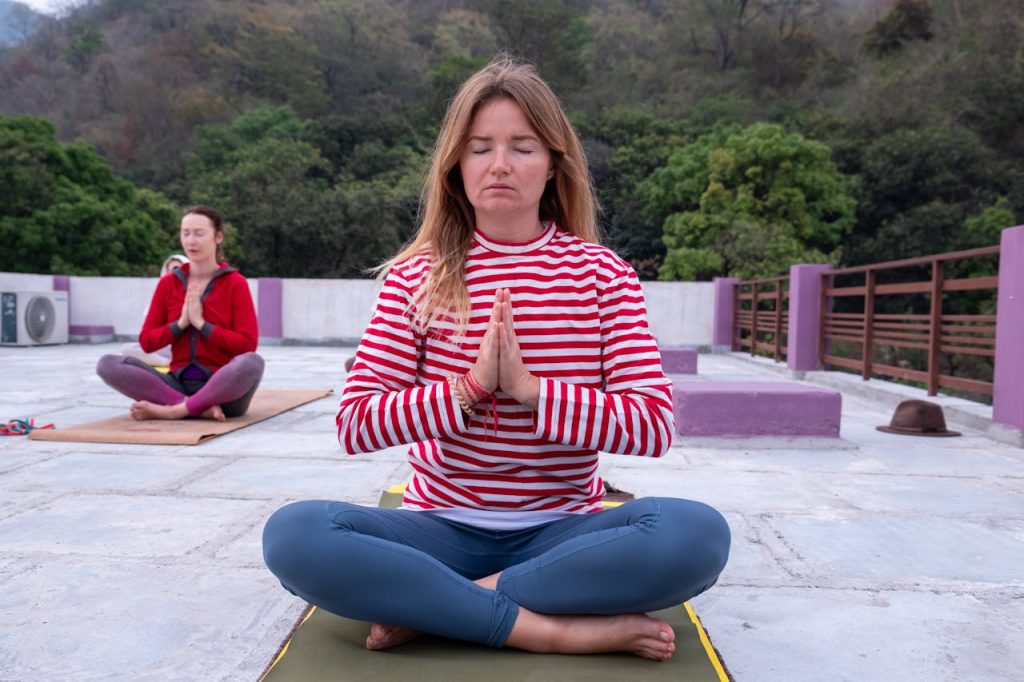
If you’re new to loving compassion meditation, here are a few helpful tips:
- Start small: Even 5 minutes a day can make a difference.
- Use guided meditations: At Mindfulness Meditation Hub, we offer beginner-friendly audio sessions.
- Don’t force feelings: It’s okay if the emotions don’t feel strong at first. The intention alone creates change.
- Be consistent: Practice daily, ideally at the same time each day.
Common Challenges and How to Overcome Them
“I can’t feel any compassion for myself or others.”
This is normal. Many people carry self-judgment or resentment. Begin by simply stating the phrases, even if they feel robotic at first. Over time, your emotional state will align with your intention.
“It’s hard to focus.”
Try shorter sessions or incorporate breathing exercises before beginning the meditation. Consistent practice builds concentration.
“Sending compassion to difficult people feels impossible.”
You don’t have to force forgiveness. Start by wishing peace to people who cause difficulty without excusing their actions. Remember, this practice is for your inner peace, not theirs.
How Loving Compassion Meditation Changes Your Brain
Recent neuroscience shows that loving compassion meditation increases activity in the brain’s empathy and emotional regulation centers, such as the anterior cingulate cortex and prefrontal cortex. These changes can:
- Make you more emotionally resilient
- Strengthen your capacity to manage conflict
- Improve your relationships
Over time, these neuroplastic changes make compassion a natural response, not just a learned behavior.
Incorporating Loving Compassion Meditation Into Your Daily Life
You don’t need to sit on a cushion every day to benefit. Here are creative ways to integrate loving compassion meditation into your routine:
- During your commute, send loving wishes to drivers around you
- Before meetings: Silently wish coworkers well
- Before bed, reflect on someone and send them compassion
- During conflicts: Take a deep breath and recall the meditation phrases
Small moments of intention throughout the day build emotional muscle and rewire your mindset toward love and kindness.
How Mindfulness Meditation Hub Can Help You Begin
At Mindfulness Meditation Hub, we offer guided loving compassion meditation sessions for individuals and groups. Our experienced instructors will help you:
- Develop a personalized practice
- Work through emotional blocks
- Stay accountable to your meditation journey
Visit our website to explore our free resources or book a live session. We’re here to support your path to deeper compassion, emotional healing, and mindful living.
Judgment: The Power of Loving Compassion Meditation
Loving compassion meditation is more than just a relaxation tool—it’s a powerful practice that transforms how you relate to yourself and the world around you. By consistently practicing, you:
- Strengthen your emotional resilience
- Build better relationships
- Experience greater inner peace
Whether you’re beginning your mindfulness journey or deepening your existing practice, this meditation is a life-changing gift you can give yourself and others.