
![{ "@context": "https://schema.org", "@graph": [ { "@type": "Article", "@id": "YOUR-BLOG-URL#article", "mainEntityOfPage": { "@type": "WebPage", "@id": "YOUR-BLOG-URL" }, "headline": "Boredom Meditation: Find Calm & Focus", "description": "Discover how boredom meditation can transform restless moments into calm, focus, and self-awareness with simple mindfulness techniques.", "image": { "@type": "ImageObject", "url": "YOUR-FEATURED-IMAGE-URL" }, "author": { "@type": "Organization", "name": "Mindfulness Meditation Hub", "url": "https://mindfulnessmeditationhub.com/" }, "publisher": { "@type": "Organization", "name": "Mindfulness Meditation Hub", "url": "https://mindfulnessmeditationhub.com/", "logo": { "@type": "ImageObject", "url": "YOUR-LOGO-URL" } }, "datePublished": "2026-08-29", "dateModified": "2026-08-29", "articleSection": "Meditation", "keywords": [ "boredom meditation", "meditation for boredom", "mindfulness meditation", "meditation for beginners", "mindfulness practice", "present moment awareness", "meditation techniques" ], "inLanguage": "en-US" }, { "@type": "FAQPage", "@id": "YOUR-BLOG-URL#faq", "mainEntity": [ { "@type": "Question", "name": "What is boredom meditation?", "acceptedAnswer": { "@type": "Answer", "text": "Boredom meditation is a mindfulness practice where you observe the experience of boredom, including thoughts, emotions, physical sensations, and urges, rather than immediately trying to distract yourself." } }, { "@type": "Question", "name": "Can meditation help with boredom?", "acceptedAnswer": { "@type": "Answer", "text": "Meditation can help you become more aware of boredom and your automatic reactions to it. Instead of immediately seeking stimulation, you can learn to observe the experience with curiosity and greater awareness." } }, { "@type": "Question", "name": "How long should I meditate when I feel bored?", "acceptedAnswer": { "@type": "Answer", "text": "Beginners can start with five to ten minutes. The goal is to practice consistently rather than meditate for a long period of time." } }, { "@type": "Question", "name": "What should I focus on during meditation?", "acceptedAnswer": { "@type": "Answer", "text": "You can focus on](https://mindfulnessmeditationhub.com/wp-content/uploads/2025/04/pexels-yankrukov-8436943-1024x682.jpg)
Discover the power of loving kindness meditation for inner peace to reduce stress, improve relationships, and cultivate compassion. Learn how to practice it with our step-by-step guide.
Blog Overview:
In this blog post, you’ll learn what loving-kindness meditation is, how it works, and why it’s one of the most powerful mindfulness tools available. You’ll explore its origins, the science-backed benefits, and how to integrate it into your daily routine. Whether you’re new to meditation or a seasoned practitioner, this guide will provide you with the insights and tools necessary to enhance your emotional well-being through the practice of loving-kindness.
What Is Loving Kindness Meditation?
Loving-kindness meditation, also known as Metta Bhavana, is a type of mindfulness practice that focuses on cultivating love and compassion toward yourself and others. Unlike other meditations that may focus on breath or body sensations, loving-kindness meditation employs a series of well-wishes or affirmations to cultivate feelings of goodwill.
At Mindfulness Meditation Hub, we believe in providing practical, heart-centered tools that promote mental and emotional wellness. Loving-kindness meditation is one of the most effective ways to cultivate this quality.
The Origins of Loving Kindness Meditation
The roots of loving-kindness meditation can be traced back to ancient Buddhist traditions. The word “Metta” in Pali means benevolence, friendliness, or loving-kindness. Initially taught by the Buddha as a means to overcome anger and ill will, the practice has found its place in modern mindfulness and psychology programs worldwide.
How Does Loving Kindness Meditation Work?
This type of meditation involves silently repeating phrases of goodwill and kindness. Typically, the practice is directed in the following order:
- Toward Yourself
- Toward a Loved One
- Toward a Neutral Person
- Toward a Difficult Person
- Toward All Beings Everywhere
You repeat simple phrases like:
- “May I be happy?”
- “May you be healthy.”
- “May all beings live with ease.”
These affirmations may seem small, but they create a decisive shift in emotional tone and outlook when practiced regularly.

Science-Backed Benefits of Loving Kindness Meditation
Loving-kindness meditation is not just spiritually beneficial—it’s also supported by modern research. Here’s what studies have shown:
Emotional Benefits
- Reduces stress and anxiety
- Increases positive emotions like joy, gratitude, and hope
- Enhances empathy and compassion toward others
- Improves emotional regulation
Physical Benefits
Mental Health Benefits
- Reduces symptoms of depression
- Increases self-acceptance
- Lowers levels of chronic anger or resentment
At Mindfulness Meditation Hub, we integrate loving kindness meditation into our guided sessions for these very reasons—because it works.
Step-by-Step Guide to Practicing Loving Kindness Meditation
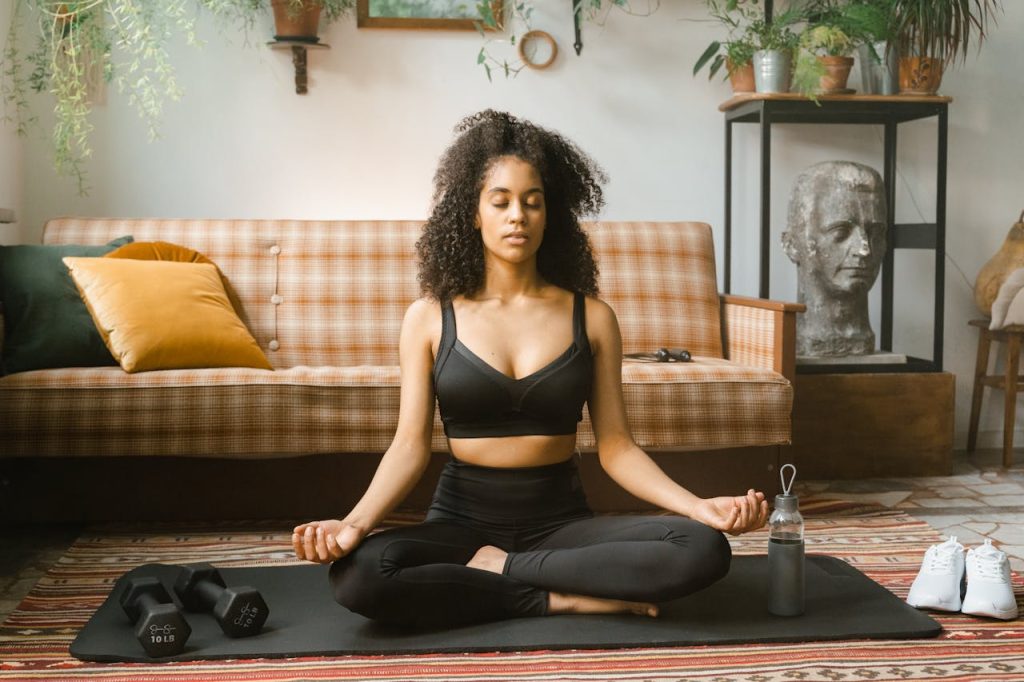
You can begin your practice in as little as 10 minutes a day. Follow these steps:
1. Find a Comfortable Seat
Sit quietly in a calm space. Close your eyes and take a few deep breaths.
2. Focus on Yourself First
Begin by offering loving kindness to yourself. Say silently:
- “May I be happy?”
- “May I be safe?”
- “May I be healthy?”
- “May I live with ease?”
3. Think of Someone You Love
Picture someone who brings you joy. Send them the same well-wishes.
4. Move to a Neutral Person
Visualize someone you don’t know well, like a cashier or delivery person.
5. Send Kindness to a Difficult Person
This may be hard, but it’s where transformation begins. I wish them well, too.
6. Expand to All Beings
Finally, offer kindness to all beings everywhere—human and animal alike.
Tip: You can follow along with our free audio guides on Mindfulness Meditation Hub’s YouTube Channel.
Who Should Practice Loving Kindness Meditation?
Everyone. But especially if you:
- Struggle with self-criticism
- Experience anxiety or depression
- Want to improve your relationships
- Feel disconnected from others
- Seek a greater sense of purpose and peace
Whether you’re a busy parent, a college student, or a retiree, loving-kindness meditation can gently reshape how you interact with yourself and the world.
Real-Life Examples of Loving Kindness Meditation in Action
Many of our community members at Mindfulness Meditation Hub report profound transformations:
- Jennifer, 42: “Practicing loving kindness meditation helped me forgive someone I thought I never could.”
- Amit, 29: “I started feeling less anxious about the future. I began sleeping better.”
- Maria, 35: “It improved my relationship with my teenage daughter.”
Tips to Deepen Your Practice
To get the most out of your loving kindness meditation practice:
- Be consistent – 10–15 minutes daily is enough.
- Use guided meditations – Start with our beginner-friendly audio.
- Don’t rush – It’s okay if feelings don’t come easily at first.
- Keep a journal – Write down your feelings after each session.
Loving Kindness Meditation vs. Other Types of Meditation
| Type of Meditation | Focus | Emotional Outcome |
|---|---|---|
| Loving Kindness | Compassion & connection | Empathy, love, forgiveness |
| Mindfulness (Vipassana) | Breath/body sensations | Clarity, awareness, presence |
| Transcendental Meditation | Repetition of a mantra | Deep relaxation, transcendent calm |
| Body Scan | Physical sensations | Stress release, pain management |
Loving kindness meditation is especially effective for those looking to soften emotional pain, let go of grudges, or build stronger social connections.
Where to Start: Our Offerings at Mindfulness Meditation Hub
We offer:
- Guided Loving Kindness Meditation Audios
- Free YouTube Videos with Visual Prompts
- Mindfulness Courses Featuring Metta Practices
- Weekly Live Sessions & Virtual Workshops
Visit MindfulnessMeditationHub.com to explore all our resources.
Final Thoughts: A Path Toward Compassion
In a world often marked by stress, conflict, and disconnection, It offers a path to healing. It’s a simple yet profound way to bring more love, peace, and presence into your life.
By incorporating this practice into your routine—even just for a few minutes daily—you can open your heart, reduce inner turmoil, and radiate compassion into the world.