
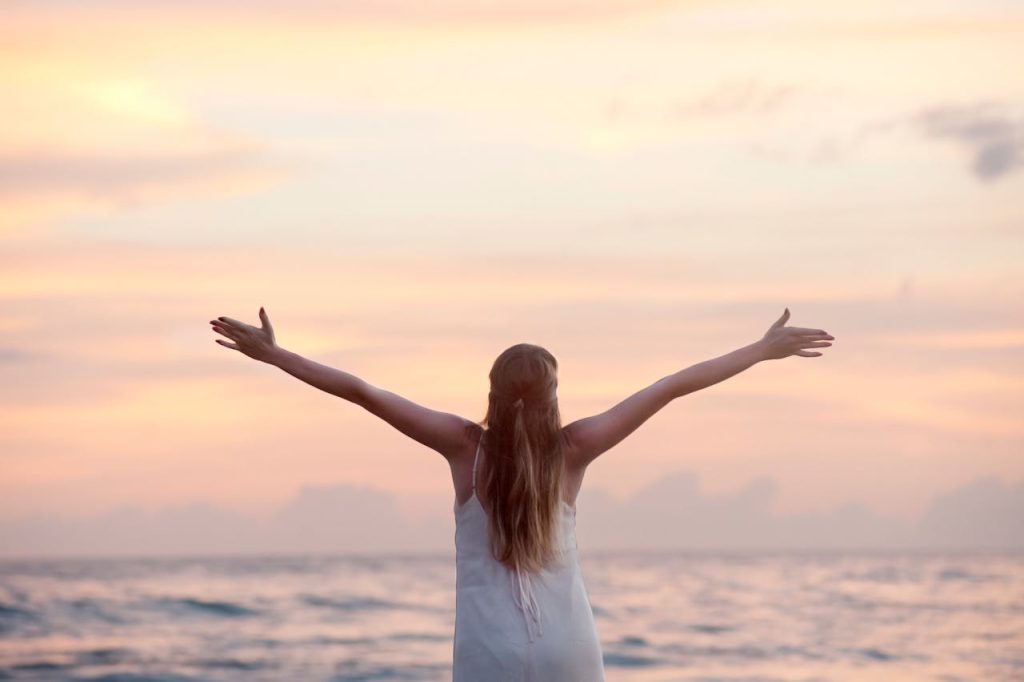
Discover the transformative benefits of combining meditation and walking. Learn how this practice reduces stress, improves focus, and supports emotional and physical well-being.
Overview: What Will the Reader Learn?
In this blog post, readers will explore the powerful synergy between meditation and walking, and how this ancient, accessible practice can significantly improve mental clarity, emotional balance, and physical health. Whether you’re new to mindfulness or looking to deepen your meditation journey, this article explains the benefits, techniques, and science behind walking meditation—plus practical tips for incorporating it into your daily routine. By the end, readers will understand why Mindfulness Meditation Hub recommends this simple yet profound practice and how to begin their mindful walking journey.
Walking and Meditation: A Harmonious Blend for the Mind and Body
In today’s fast-paced world, finding time for both exercise and mental well-being can be a challenge. What if you could nurture both simultaneously? That’s where the practice of meditation and walking comes in.
Often called “walking meditation,” this practice blends mindful awareness with the natural movement of walking. It’s not only accessible and easy to learn—it also offers scientifically supported benefits for stress relief, emotional regulation, and cognitive function.
Let’s explore why this practice is gaining popularity and how you can start experiencing its benefits.
What is Walking Meditation?
Walking meditation is a form of active mindfulness where you focus your attention on the physical experience of walking—your breath, your steps, and your surroundings. Unlike sitting meditation, which emphasizes stillness, this practice uses movement as the anchor for awareness.
It’s a centuries-old technique rooted in Buddhist traditions, particularly those taught by Zen and Theravāda monks. In modern times, wellness experts and mental health practitioners now recommend meditation and walking to help people become more grounded and present.
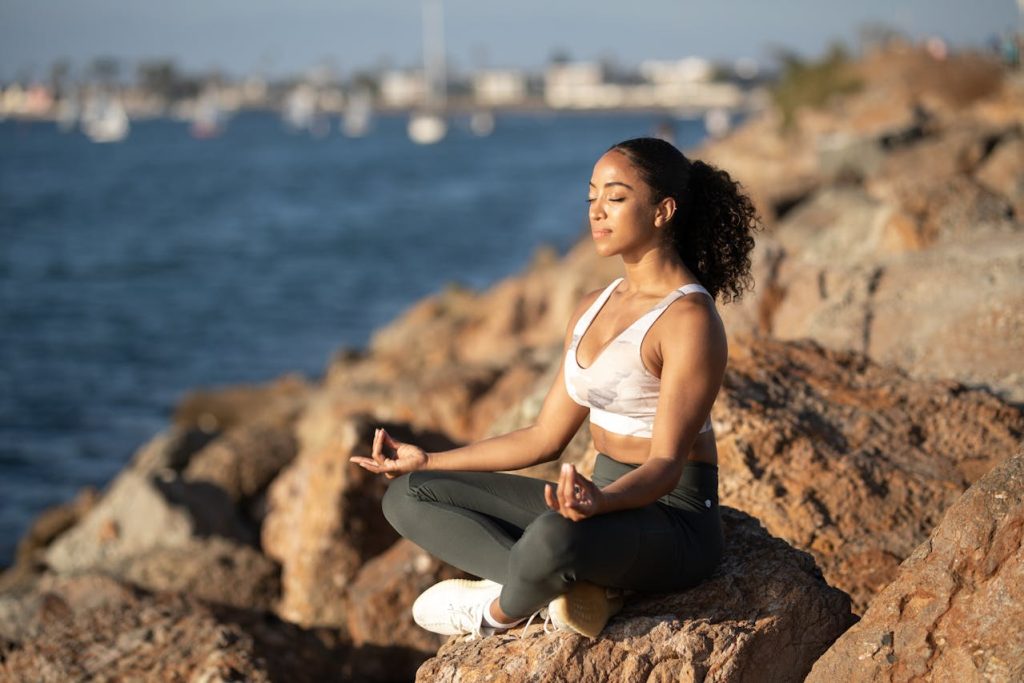
The Benefits of Meditation and Walking
Combining meditation and walking offers a wide range of physical, emotional, and cognitive benefits:
Mental and Emotional Benefits
- Reduces stress and anxiety
- Mindful walking lowers cortisol levels and soothes the nervous system, especially in natural environments.
- Improves mood and emotional regulation
- Practicing walking meditation can boost serotonin and dopamine, enhancing your overall sense of well-being.
- Enhances concentration and focus
- By tuning into each step and breath, you train your brain to stay in the present moment.
- Fosters self-awareness
- Walking in silence with awareness fosters introspection and emotional clarity.
Physical Health Benefits
- Increases cardiovascular health
- A brisk 20-minute mindful walk daily can lower blood pressure and improve circulation.
- Supports joint flexibility and posture
- Moving with intention increases body alignment and reduces physical tension.
- Boosts energy and metabolism
- Walking naturally stimulates endorphins and reduces fatigue.
Spiritual and Mindful Growth
- Deepens your connection with nature
- Practicing meditation and walking in green spaces fosters a sense of unity and presence.
- Cultivates gratitude and peace
- Being aware of each step creates a sense of simplicity and appreciation for the moment.
How to Practice Walking Meditation
Walking meditation doesn’t require a special location or hours of free time. Here’s a simple step-by-step guide to help you get started:
Step-by-Step Instructions
- Choose a quiet path
- A garden, park, or quiet indoor space works well. Aim for a path at least 10-20 feet long.
- Stand still and center yourself
- Begin by standing still, taking a few deep breaths, and setting the intention to be mindful.
- Begin walking slowly and mindfully
- Focus on the sensations in your feet and legs. Notice how each foot lifts, moves, and touches the ground.
- Incorporate breath awareness
- Sync your breathing with your steps, or simply observe your natural breath without changing it.
- Observe your surroundings
- Engage your senses—notice colors, textures, smells, and sounds without labeling or judging them.
- Gently return when the mind wanders
- It’s natural for the mind to drift. When it does, kindly bring your attention back to the walking experience.
- End with stillness and reflection
- Pause for a moment at the end of your walk to observe how your body and mind feel.
Walking Meditation vs. Traditional Sitting Meditation
While both practices aim to cultivate mindfulness, they offer different experiences:
| Sitting Meditation | Walking Meditation |
|---|---|
| Stillness of body | Movement and flow |
| Often practiced indoors | Can be practiced outdoors |
| Focus on breath or mantra | Focus on steps, breath, and body |
| Encourages deep inner stillness | Encourages present-moment awareness in action |
Some people find it easier to begin their mindfulness journey with meditation and walking, especially if they struggle with sitting still.
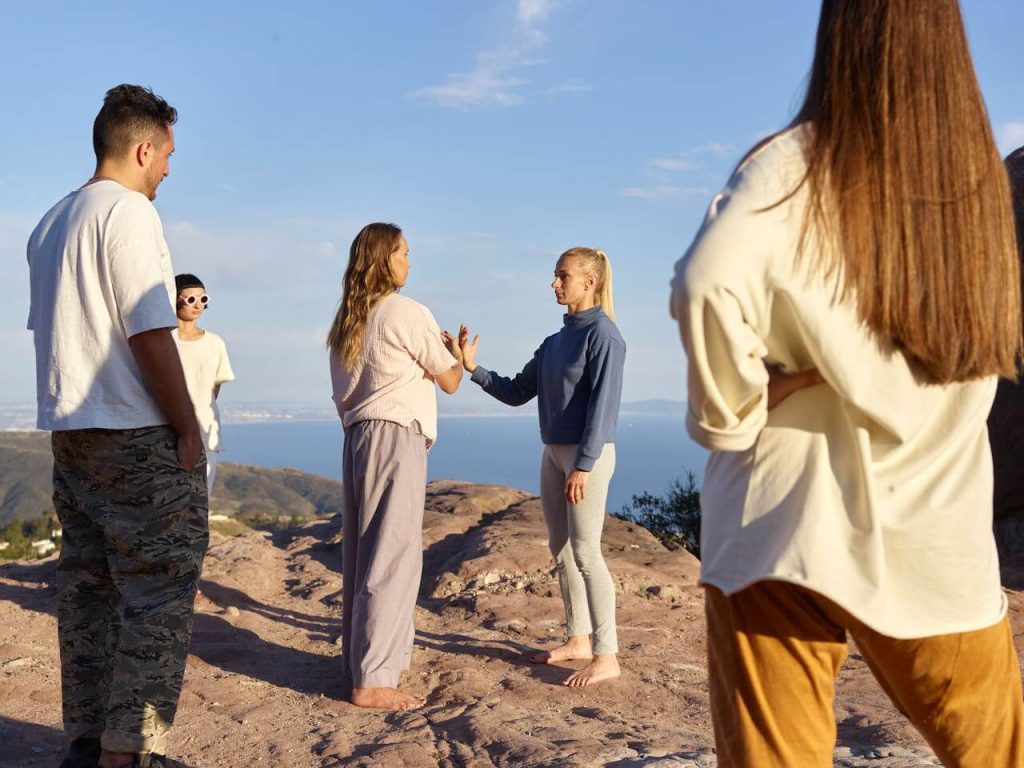
Best Times and Places for Walking Meditation
To maximize the benefits, try to practice walking meditation during:
- Early mornings – when the world is quiet and the air is fresh
- Lunch breaks – a great way to reset during a busy workday
- Sunset walks – combining mindfulness with natural beauty
- Nature trails and parks – where you can be surrounded by trees and birdsong
The Science Behind Meditation and Walking
Studies show that meditation and walking:
- Reduce symptoms of depression and anxiety (Journal of Psychiatric Research)
- Improve cognitive function in older adults (Harvard Health)
- Decrease rumination and negative thought patterns (Frontiers in Psychology)
- Improve mindfulness scores and emotional resilience (Mindfulness Journal)
Walking meditation uniquely engages both hemispheres of the brain, leading to improved memory and creativity. It’s a full-body practice for your brain.
How Mindfulness Meditation Hub Can Help
At Mindfulness Meditation Hub, we offer guided walking meditation sessions tailored for individuals, families, and groups. Our services are perfect for:
- Beginners looking for structured guidance
- Busy professionals seeking stress relief
- Individuals healing from anxiety or trauma
- Wellness retreats or corporate wellness programs
We offer both virtual and in-person sessions, along with audio guides you can download and take on your mindful walks.
Visit mindfulnessmeditationhub.com to explore our programs and start your journey with meditation and walking today.
Final Thoughts: Why You Should Try Meditation and Walking Today
If you’re looking for a simple, effective way to reconnect with yourself and reduce daily stress, meditation and walking might be precisely what you need. It’s free, adaptable, and scientifically backed—and can be done anywhere, anytime.
By practicing regularly, you’ll likely notice:
- More mental clarity
- Better emotional control
- Enhanced physical well-being
- A deeper appreciation for the present moment
Whether you’re just starting or looking to expand your mindfulness practice, Mindfulness Meditation Hub is here to support your path toward holistic well-being.