
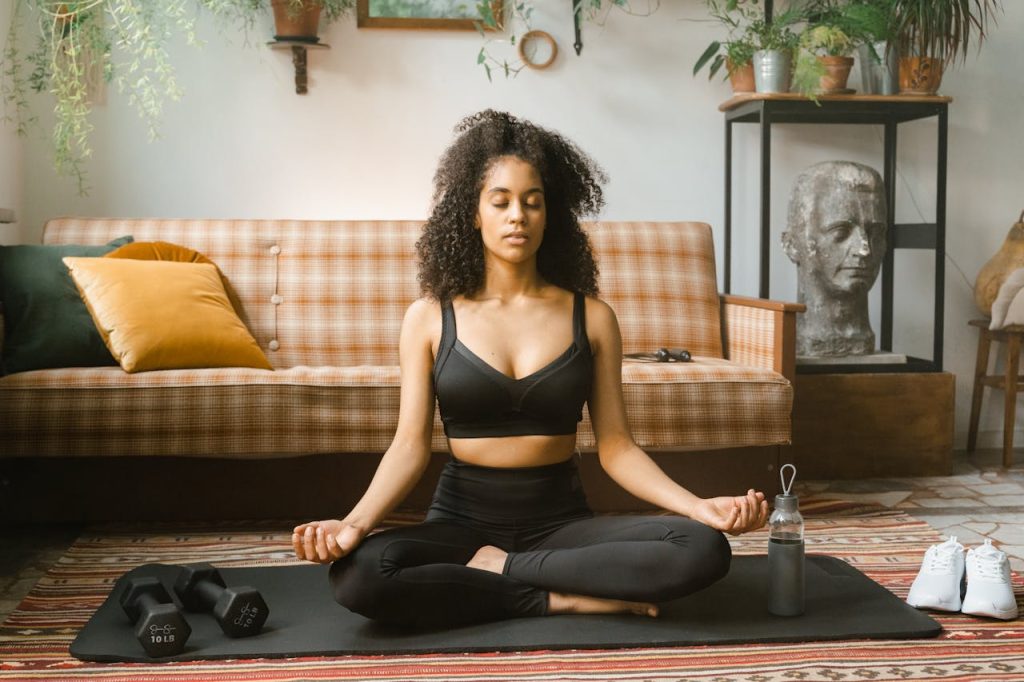
Discover how meditation for sleeplessness can naturally improve your sleep quality. Discover proven techniques and guided meditations from the Mindfulness Meditation Hub.
Blog Overview
In this comprehensive guide, readers will learn how meditation for sleeplessness can serve as a natural, non-pharmaceutical remedy for chronic insomnia and restless nights. The blog explores how meditation works, the science behind it, various types of meditation for sleep, and practical steps to integrate them into daily life. You’ll also discover how the Mindfulness Meditation Hub can support your journey with expert-led guided sessions.
Understanding Sleeplessness and Its Impact
Sleeplessness, also known as insomnia or sleep difficulty, affects millions of people in the United States. According to the CDC, one in three adults does not get enough sleep regularly. Whether caused by stress, anxiety, or lifestyle habits, persistent sleeplessness can lead to:
- Decreased cognitive function
- Weakened immune system
- Mood disorders such as depression or anxiety
- Increased risk of chronic diseases (e.g., heart disease, diabetes)
The good news? You don’t need to rely solely on medications. Meditation for sleeplessness has emerged as a powerful, science-backed solution to improving sleep quality naturally.
How Meditation Helps with Sleeplessness
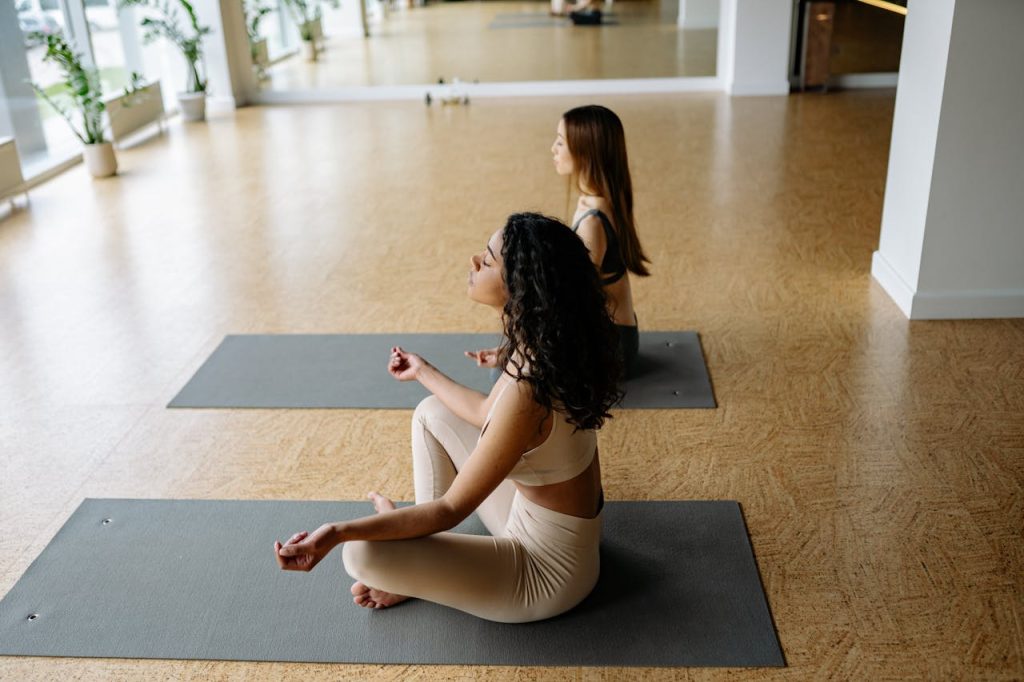
Meditation is more than just “clearing your mind.” It’s a practice that engages the brain, slows down the nervous system, and promotes deep relaxation. Here’s how it helps:
1. Reduces Stress Hormones
Meditation lowers cortisol levels, helping your body move from a state of “fight or flight” to “rest and digest.”
2. Activates the Parasympathetic Nervous System
This is the body’s natural sleep-inducing system. Regular meditation before bed can train your nervous system to shift gears.
3. Calms the Monkey Mind
Many people can’t sleep because their thoughts won’t stop racing. Meditation increases awareness and gently guides you back to the present moment.
4. Increases Melatonin Production
Certain types of meditation boost melatonin—a hormone essential for deep, restful sleep.
Scientific Backing: Meditation and Sleep
A study published in JAMA Internal Medicine found that mindfulness meditation significantly improved sleep quality among older adults with moderate sleep disturbances. Participants who practiced meditation for sleeplessness reported:
- Falling asleep faster
- Fewer awakenings during the night
- Feeling more rested upon waking
Other studies have shown that mindfulness meditation increases alpha brainwaves, which are associated with deep relaxation and sleep readiness.
Types of Meditation for Sleeplessness
There’s no one-size-fits-all approach. At Mindfulness Meditation Hub, we offer various types of meditation designed to address sleep issues:
1. Guided Sleep Meditation
These are audio sessions that gently lead you into a relaxed state. A soothing voice helps release tension from your body and mind.
2. Body Scan Meditation
You’re guided to focus on different parts of your body, releasing physical tension and promoting relaxation.
3. Breath Awareness Meditation
By focusing on your breath, you disengage from the constant mental chatter that prevents sleep.
4. Yoga Nidra (Yogic Sleep)
This is a deep relaxation technique that brings the body into a state of deep relaxation while keeping the mind alert and focused.
5. Loving-Kindness Meditation
Ideal for individuals whose sleeplessness is caused by emotional tension. It cultivates compassion and emotional release.
How to Get Started with Meditation for Sleeplessness
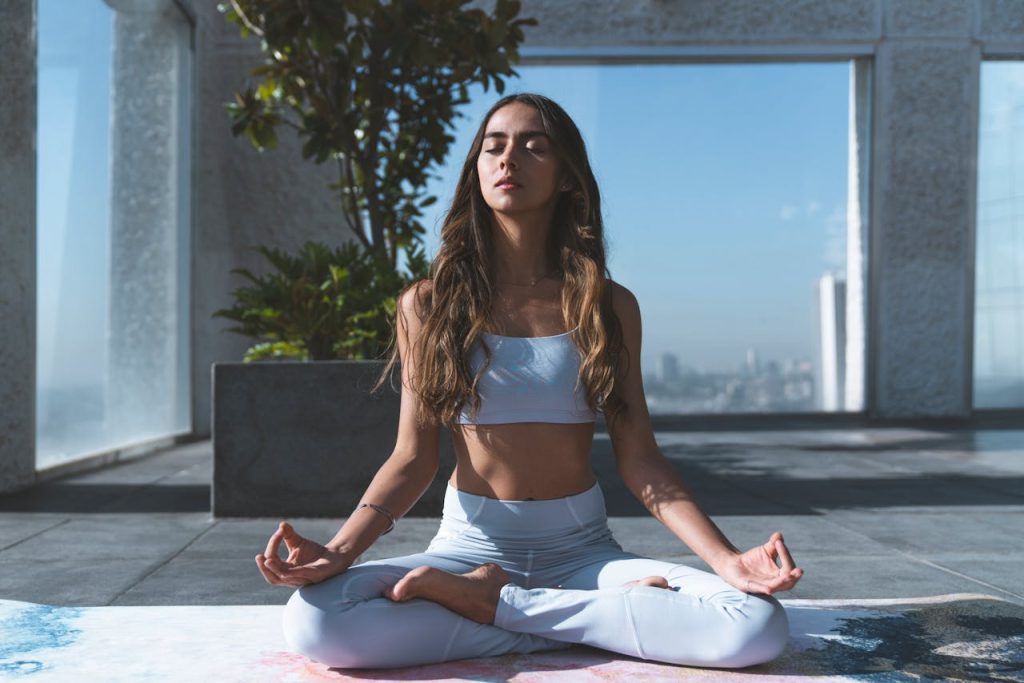
Incorporating meditation into your nightly routine doesn’t need to be overwhelming. Here are a few simple steps:
Step-by-Step Guide:
- Create a Sleep-Friendly Space
- Dim the lights
- Use calming scents like lavender or chamomile
- Eliminate noise or use white noise
- Pick a Meditation Style
- Try a guided meditation for sleeplessness from our collection on Mindfulness Meditation Hub.
- Stick to a Schedule
- Consistency is key. Meditate at the same time every night.
- Limit Technology Use
- Shut off screens 30–60 minutes before meditating to reduce blue light exposure.
- Start Small
- Even 5-10 minutes per night can make a significant difference.
Real-Life Testimonial
“I had been struggling with sleep for over a year due to anxiety. A friend recommended guided meditation for sleeplessness from Mindfulness Meditation Hub. After just one week, I began sleeping through the night. It’s been a game-changer!”
— Lindsey M., San Diego, CA
Why Choose Mindfulness Meditation Hub
At Mindfulness Meditation Hub, we provide more than just content—we offer a community and a proven path to inner peace and better sleep. Here’s what sets us apart:
- Professionally recorded guided sleep meditations
- Beginner-friendly audio and video sessions
- Sleep-focused meditation playlists curated by experts
- Mobile and desktop access for meditation anytime, anywhere
- A supportive community to keep you accountable
We understand that meditation for sleeplessness isn’t just about falling asleep—it’s about reclaiming your health, your mind, and your life.
Tips to Maximize Results
If you’re just starting, here are a few extra tips to support your practice:
- Keep a Sleep Journal – Track your meditation and sleep patterns to see what works best for you.
- Avoid Caffeine Late in the Day – Meditation is powerful, but your lifestyle habits matter too.
- Try Progressive Muscle Relaxation – Combine with meditation to enhance body awareness.
- Stay Patient and Consistent – Like any habit, it takes time to see lasting results.
Final Thoughts
In our always-on world, restful sleep has become a luxury. But it doesn’t have to be. By practicing meditation to alleviate sleeplessness, you can regain control and establish a peaceful nighttime routine that truly restores your body and mind.
If you’re ready to experience better sleep naturally, visit Mindfulness Meditation Hub and explore our guided sleep meditations. Your best night’s sleep could be just a few deep breaths away.