
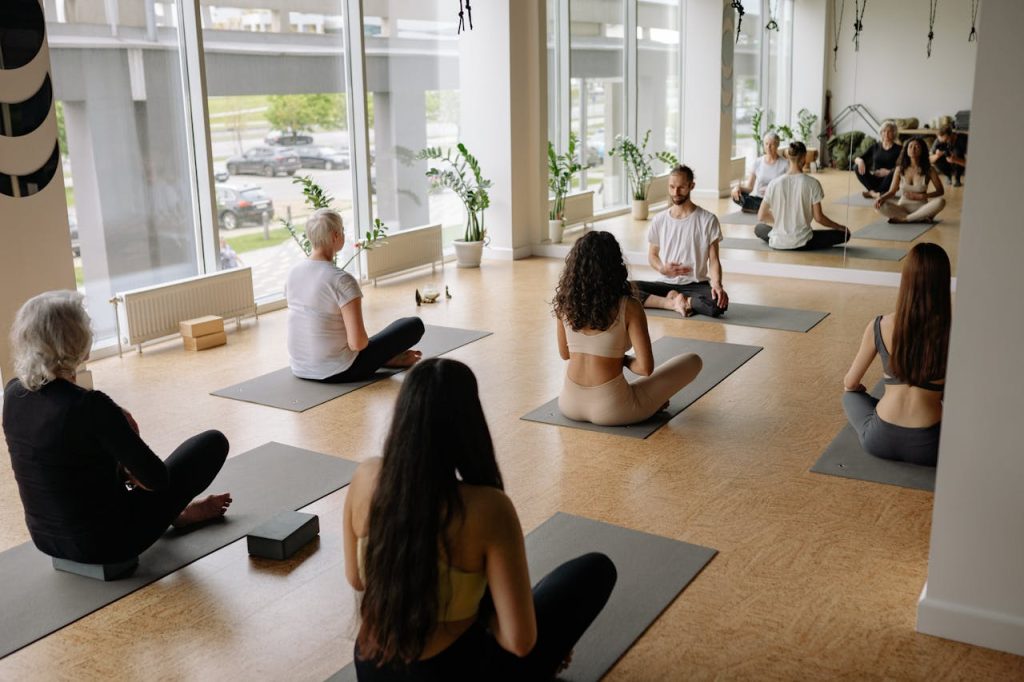
Discover simple and effective meditation methods for beginners. Learn how to start your mindfulness journey with guided techniques, breathing exercises, and focus practices designed for inner peace and clarity.
Overview
If you’ve ever felt overwhelmed by daily stress, anxiety, or lack of focus, meditation could be your gateway to peace and balance. This guide is designed to introduce meditation methods for beginners—explaining how to start, what techniques work best, and how to make mindfulness a consistent part of your lifestyle.
By the end of this post, you’ll learn:
- What meditation truly means and how it benefits your mind and body
- The best meditation methods for beginners to start practicing today
- How to overcome common challenges like distractions and restlessness
- Practical tips to build a daily meditation routine
- Why joining a guided meditation program (like ours at Mindfulness Meditation Hub) can accelerate your progress
What Is Meditation, and Why Is It Important?
Meditation is the practice of training your mind to focus and redirect your thoughts. It’s more than just sitting quietly—it’s an intentional act of awareness that helps you connect with the present moment.
Whether you’re looking to manage stress, improve emotional well-being, or simply find more inner calm, meditation offers a wealth of scientifically proven benefits.
Key Benefits of Meditation:
- Reduces stress and anxiety
- Improves focus and concentration
- Boosts emotional health
- Enhances self-awareness
- Promotes better sleep and relaxation
- Encourages mindfulness in everyday life
Starting your journey with simple meditation methods for beginners allows you to experience these benefits even with just a few minutes a day.
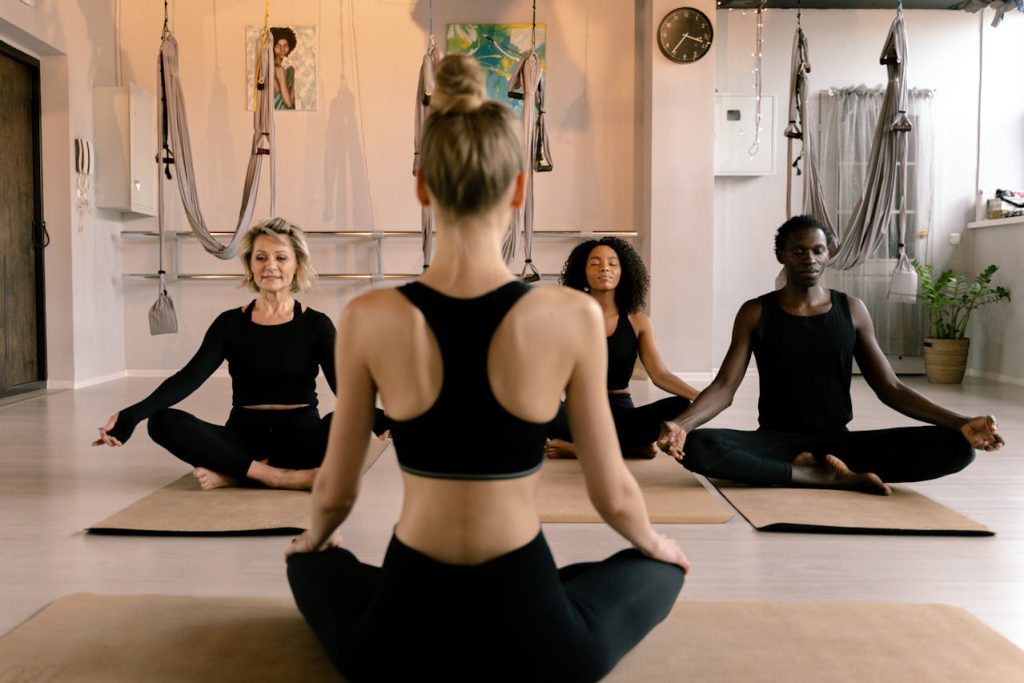
Best Meditation Methods for Beginners
There are many different approaches to meditation, but the best way to begin is to start simple. Below are some beginner-friendly methods that can easily fit into your daily routine.
1. Mindfulness Meditation
This is one of the most popular meditation methods for beginners. It focuses on observing your thoughts, emotions, and sensations without judgment.
How to Practice:
- Sit comfortably in a quiet space.
- Close your eyes and focus on your breath.
- Notice any thoughts that arise—then gently bring your attention back to your breathing.
Why It Works:
Mindfulness meditation helps you become aware of your present moment, reducing stress and overthinking.
2. Guided Meditation
Guided meditation involves listening to a teacher or audio recording that leads you through the practice. It’s an ideal method for those new to meditation or those who struggle with staying focused.
How to Practice:
- Find a reliable platform (like Mindfulness Meditation Hub) offering guided sessions.
- Choose a short, beginner-friendly meditation (5–10 minutes).
- Follow the voice as it directs your focus and breathing.
Why It Works:
It takes the guesswork out of meditation and helps build consistency through structure and support.
3. Breathing Meditation
Breath-focused meditation is one of the simplest and most effective meditation methods for beginners. It trains your mind to anchor itself in the rhythm of your breath.
How to Practice:
- Sit in a relaxed position.
- Inhale deeply for 4 seconds, hold for 4 seconds, and exhale for 4 seconds.
- Repeat for several minutes.
Why It Works:
Deep breathing activates your body’s relaxation response, helping calm your mind and reduce anxiety.
4. Body Scan Meditation
This technique helps you connect with your body by slowly focusing on each part, releasing tension, and fostering awareness.
How to Practice:
- Lie down comfortably.
- Start from your toes and slowly move up to your head, noticing any sensations.
- Relax each muscle group as you move through your body.
Why It Works:
This method promotes physical relaxation and mind-body connection—especially useful for managing stress or improving sleep.
5. Loving-Kindness Meditation (Metta)
This form of meditation cultivates compassion, love, and empathy toward yourself and others.
How to Practice:
- Sit comfortably and close your eyes.
- Silently repeat phrases like “May I be happy, may I be healthy, may I live with ease.”
- Extend these thoughts to others: “May all beings be happy.”
Why It Works:
It helps dissolve negative emotions like anger and resentment while nurturing emotional resilience.
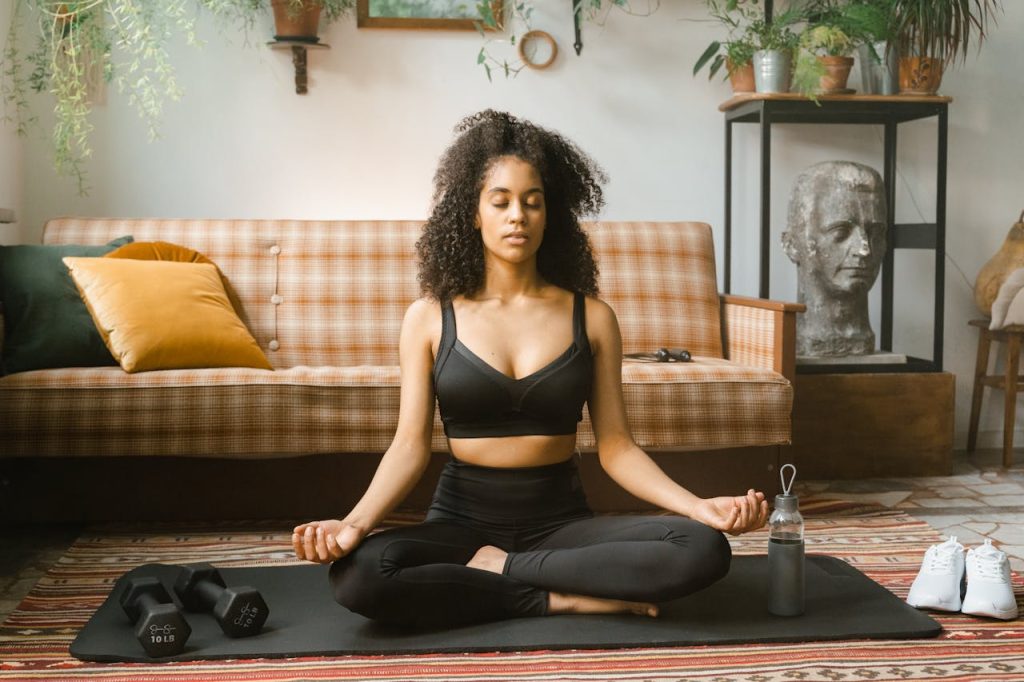
Tips for Building a Consistent Meditation Routine
Even with the best meditation methods for beginners, consistency is key. Here’s how to make meditation a lasting habit:
- Start small: Begin with 5–10 minutes daily and gradually increase.
- Set a specific time: Early morning or before bed often works best.
- Create a calm environment: Light a candle, play soft music, or find a quiet corner.
- Use guided sessions: If you struggle with focus, guided meditations can help keep your attention anchored.
- Be patient with yourself: It’s normal for your mind to wander—just gently bring it back.
Common Challenges Beginners Face (and How to Overcome Them)
- Distractions: External noises or wandering thoughts are normal. Acknowledge them and refocus.
- Restlessness: Try shorter sessions and gradually extend them.
- Doubt: Trust the process—benefits grow with consistent practice.
- Sleepiness: Sit upright instead of lying down to stay alert.
Remember: Every meditator was once a beginner. Progress comes with patience and persistence.
Why Choose Guided Meditation with Mindfulness Meditation Hub?
At Mindfulness Meditation Hub, we specialize in helping beginners build strong meditation foundations. Our guided programs and tutorials are crafted by experienced instructors who simplify complex practices into easy, calming sessions.
When you join our community, you’ll receive:
- Professionally recorded guided meditations
- Personalized mindfulness routines
- Breathing and focus training sessions
- Supportive resources for emotional balance and stress relief
We make meditation methods for beginners approachable, enjoyable, and effective.
Final Thoughts
Meditation isn’t about perfection—it’s about presence. With the right meditation methods for beginners, you can transform your mental, emotional, and physical health over time.
By committing just a few minutes daily, you’ll experience more peace, clarity, and control over your thoughts.
If you’re ready to start, explore our beginner-friendly guided meditations at Mindfulness Meditation Hub—your journey toward mindfulness begins today.
15 FAQs for Meditation Methods for Beginners
What is meditation?
Meditation is the practice of focusing your mind and attention to achieve mental clarity, emotional calm, and self-awareness. It can involve focusing on your breath, thoughts, sensations, or guided prompts.
Why should beginners practice meditation?
Beginners can benefit from meditation by reducing stress, improving focus, enhancing emotional well-being, and fostering mindfulness in daily life. Even a few minutes a day can make a difference.
How long should a beginner meditate?
Start with 5–10 minutes daily. As you get comfortable, gradually increase the duration to 20–30 minutes or more for deeper benefits.
What are the easiest meditation methods for beginners?
Simple methods include mindfulness meditation, guided meditation, breathing exercises, body scan meditation, and loving-kindness (Metta) meditation.
Do I need a quiet space to meditate?
While a quiet space helps, it’s not mandatory. You can meditate anywhere, even in noisy environments, by focusing on your breath or using guided meditations with headphones.
How can I stay focused during meditation?
Start with short sessions, use guided meditation, focus on your breath, and gently bring your mind back when it wanders. Patience is key.
What is guided meditation?
Guided meditation is led by an instructor or audio recording, helping you focus on your practice through voice instructions, visualization, and relaxation techniques.
Can meditation reduce anxiety?
Yes. Regular meditation calms the nervous system, lowers stress hormones, and promotes a sense of emotional balance, which helps reduce anxiety over time.
How often should I meditate as a beginner?
Daily meditation is recommended, even if only for a few minutes. Consistency is more important than duration at the beginning.
Is it normal for my mind to wander during meditation?
Absolutely. Wandering thoughts are normal. The key is to notice them without judgment and gently return your focus to your chosen point, such as your breath.
Can I meditate lying down?
Yes, but beginners may find it easier to sit upright to stay alert. Lying down can lead to drowsiness or sleep, which is fine if relaxation is your goal.
What are the health benefits of meditation?
Meditation can reduce stress, improve concentration, enhance emotional well-being, lower blood pressure, boost immunity, and improve sleep quality.
Do I need any special equipment to meditate?
No special equipment is needed. A comfortable chair or cushion and a quiet space are enough. Optional tools include meditation apps, timers, or guided meditation recordings.
Can children meditate?
Yes. Children can benefit from short, guided meditations to improve focus, emotional regulation, and mindfulness from an early age.
How do I choose the right meditation method for me?
Experiment with different methods like mindfulness, guided meditation, or breathing exercises. Choose one that feels natural, enjoyable, and fits your lifestyle for long-term consistency.