
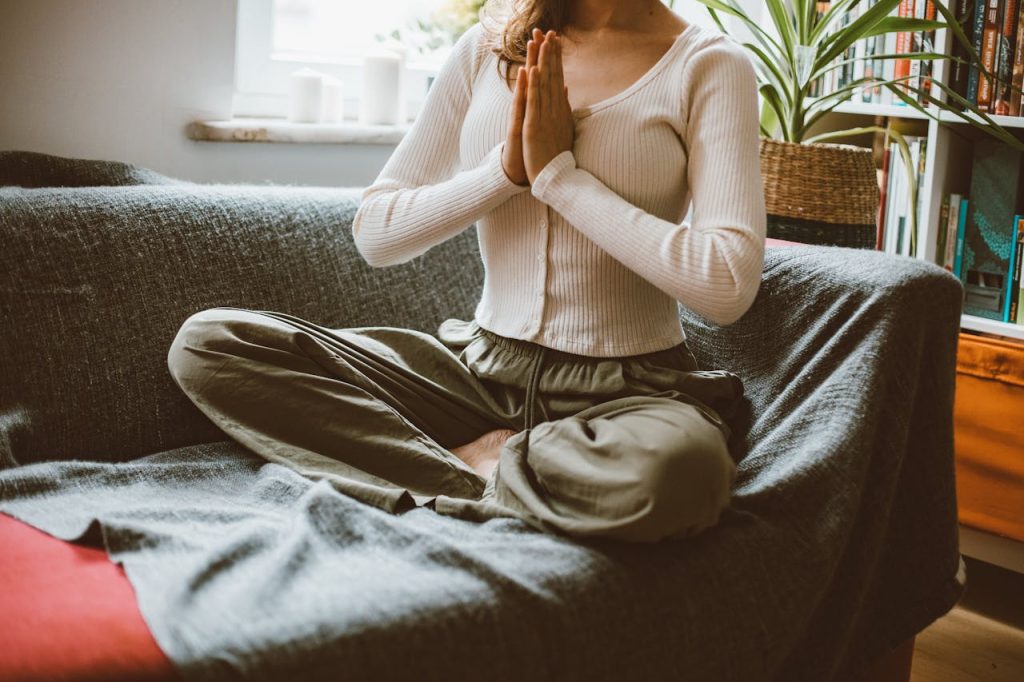
Discover the transformative power of meditation on thankfulness. Learn practical techniques to cultivate gratitude, reduce stress, and enhance emotional well-being in your daily life.
Overview:
In this blog post, readers will learn how meditation on thankfulness can transform their mental, emotional, and spiritual well-being. We will explore the benefits of gratitude meditation, practical techniques for incorporating it into daily life, and tips for sustaining a thankful mindset even during challenging times. By the end of this post, readers will have actionable insights and guided practices to help them experience more profound joy, reduce stress, and strengthen their connection with the present moment.
What is Meditation on Thankfulness?
Meditation on thankfulness, also known as gratitude meditation, is a mindfulness practice that focuses your attention on the things you are grateful for. This form of meditation helps shift your mind from a state of scarcity or negativity to one of abundance and appreciation.
Unlike traditional meditation, which may focus solely on breathing or awareness, meditation on thankfulness actively engages your heart and mind in recognizing positive experiences, relationships, and moments in your life.
Benefits of Practicing Meditation on Thankfulness
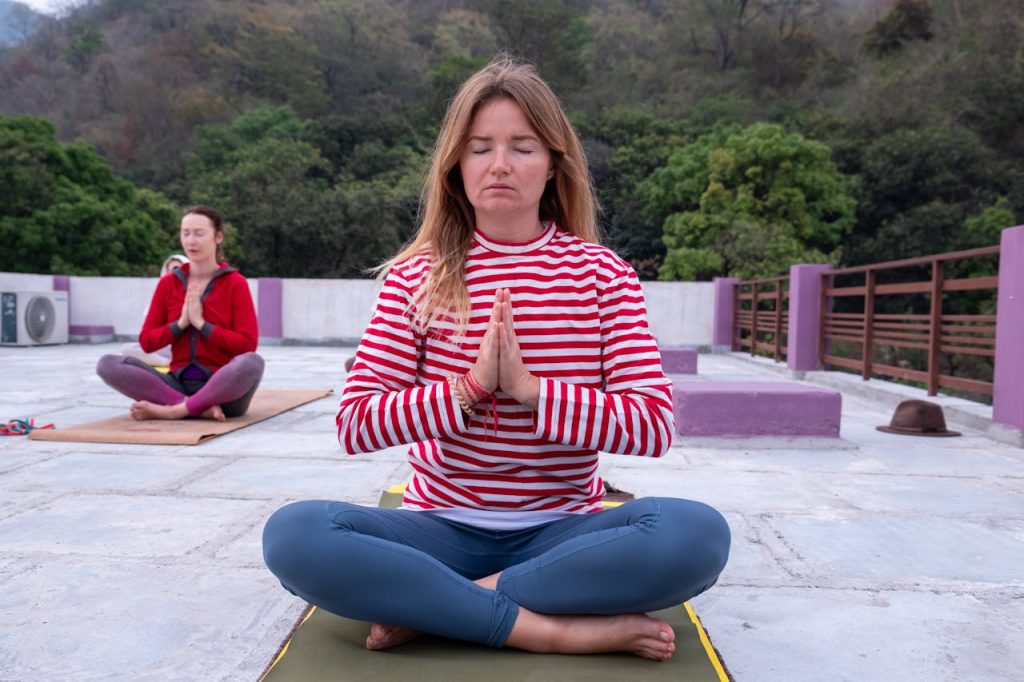
Engaging in meditation on thankfulness consistently can have profound benefits for your mental, emotional, and even physical health:
- Reduces Stress and Anxiety: Gratitude meditation helps calm the mind and lowers levels of the stress hormone.
- Enhances Emotional Well-being: Focusing on positive aspects of life increases happiness and life satisfaction.
- Improves Sleep Quality: Practicing thankfulness before bedtime can reduce negative thoughts and promote restful sleep.
- Strengthens Relationships: Gratitude enhances empathy and fosters stronger, more meaningful connections with others.
- Boosts Resilience: Recognizing blessings even during difficult times helps build emotional resilience.
How to Start Meditation on Thankfulness
Starting a meditation on thankfulness practice does not require any special equipment or prior experience. Here’s a simple step-by-step guide:
1. Find a Quiet Space
Choose a calm environment where you won’t be disturbed. Sit comfortably, either on a chair or a cushion, with your back straight but relaxed.
2. Focus on Your Breath
Begin with slow, deep breaths. Inhale for a count of four, hold for a count of four, and exhale for a count of six. Focusing on your breath helps anchor your mind in the present moment.
3. Reflect on Gratitude
Bring to mind things you are thankful for. Start with simple things like:
- A supportive friend or family member
- A warm meal or clean water
- A moment of joy in nature
- Gradually, move to more profound reflections such as personal growth, overcoming challenges, or meaningful experiences.
4. Engage Your Senses
Notice the feelings gratitude brings. Feel it in your heart, visualize it in your mind, and allow it to expand with each breath.
5. Close with Intention
End the session by silently setting an intention to carry gratitude throughout your day. You can take 5–10 minutes for this meditation initially and gradually extend the duration.

Tips for a Consistent Practice
Consistency is key to experiencing the full benefits of meditation on thankfulness. Here are some tips:
- Set a Daily Reminder: Choose a fixed time, such as morning or before bed, to meditate.
- Use a Gratitude Journal: Write down 3–5 things you’re thankful for each day. This reinforces your meditation practice.
- Start Small: Even 5 minutes daily can make a difference.
- Combine with Mindfulness: Notice small moments of joy and gratitude throughout your day.
- Practice Self-Compassion: Be gentle with yourself if your mind wanders. Gratitude meditation is a practice, not a perfection test.
Guided Meditation on Thankfulness
Here’s a simple guided meditation you can try:
- Sit comfortably and close your eyes.
- Take three deep breaths, inhaling positivity and exhaling tension.
- Bring to mind a person, experience, or moment you are grateful for.
- Silently repeat a phrase such as: “I am grateful for this blessing in my life.”
- Allow yourself to feel the gratitude deeply. Let it spread from your heart to your entire body.
- If your mind wanders, gently return to your focus on thankfulness.
- End the meditation by taking a deep breath and opening your eyes slowly.
Incorporating Gratitude into Daily Life
Meditation alone can be powerful, but combining it with practical habits amplifies its effect:
- Say Thank You Often: Express appreciation to friends, family, or colleagues.
- Mindful Eating: Notice the flavors, textures, and nourishment in your meals.
- Appreciate Nature: Spend a few minutes outside, noticing the beauty around you.
- Positive Reflection: End each day reflecting on one positive experience.
By integrating these habits, meditation on thankfulness becomes more than a practice—it transforms into a lifestyle.
Common Challenges and How to Overcome Them
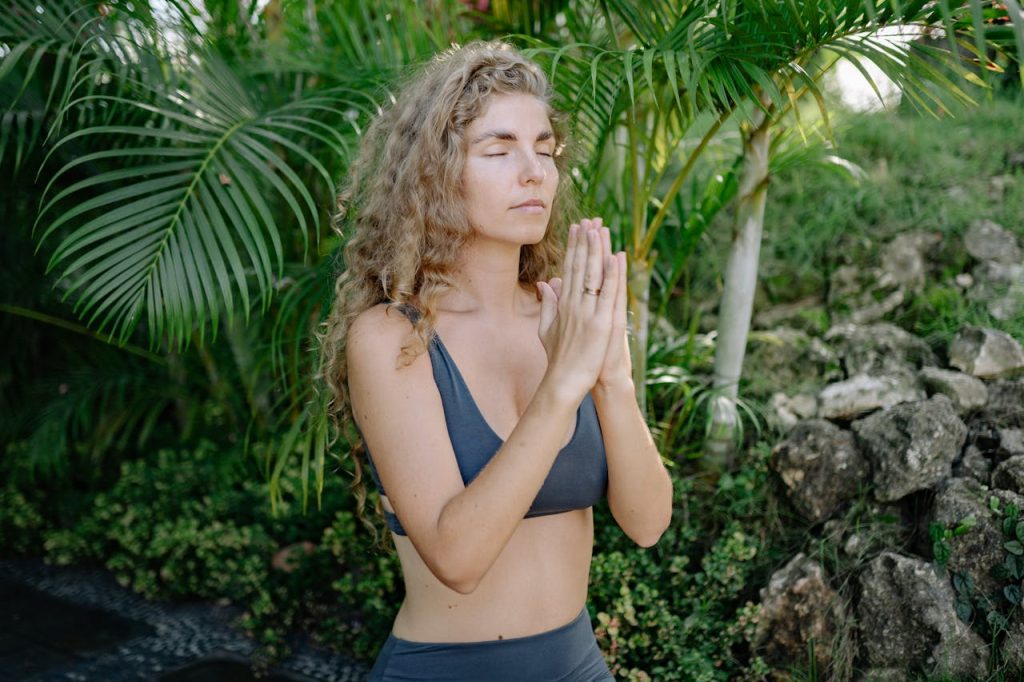
Even with good intentions, some challenges may arise:
- Busy Mind: Gently guide your focus back to gratitude without judgment.
- Difficulty Finding Things to Be Grateful For: Start with small, simple blessings like a warm shower or a sunny day.
- Inconsistent Practice: Set reminders, schedule meditation, or join a mindfulness community for accountability.
Remember, gratitude grows over time, and even brief, regular sessions can be practical.
Why Mindfulness Meditation Hub Offers Meditation on Thankfulness
At Mindfulness Meditation Hub, we provide expert guidance and resources for cultivating gratitude through meditation. Our offerings include:
- Guided meditation videos for all levels
- Step-by-step instructions for gratitude practice
- Tips for integrating mindfulness into daily routines
- Supportive community for sharing experiences and growth
Our mission is to help individuals harness the power of meditation on thankfulness to improve mental clarity, emotional balance, and overall well-being.
Final Thoughts
Meditation on thankfulness is more than a simple practice—it is a transformative tool that can enrich your life in profound ways. By taking just a few minutes daily to reflect on gratitude, you can reduce stress, enhance emotional health, strengthen relationships, and cultivate a more profound sense of inner peace.
Whether you are a beginner or an experienced meditator, integrating gratitude into your mindfulness routine can lead to lasting joy and fulfillment. Start today, and watch how your perspective and well-being flourish with consistent practice.