
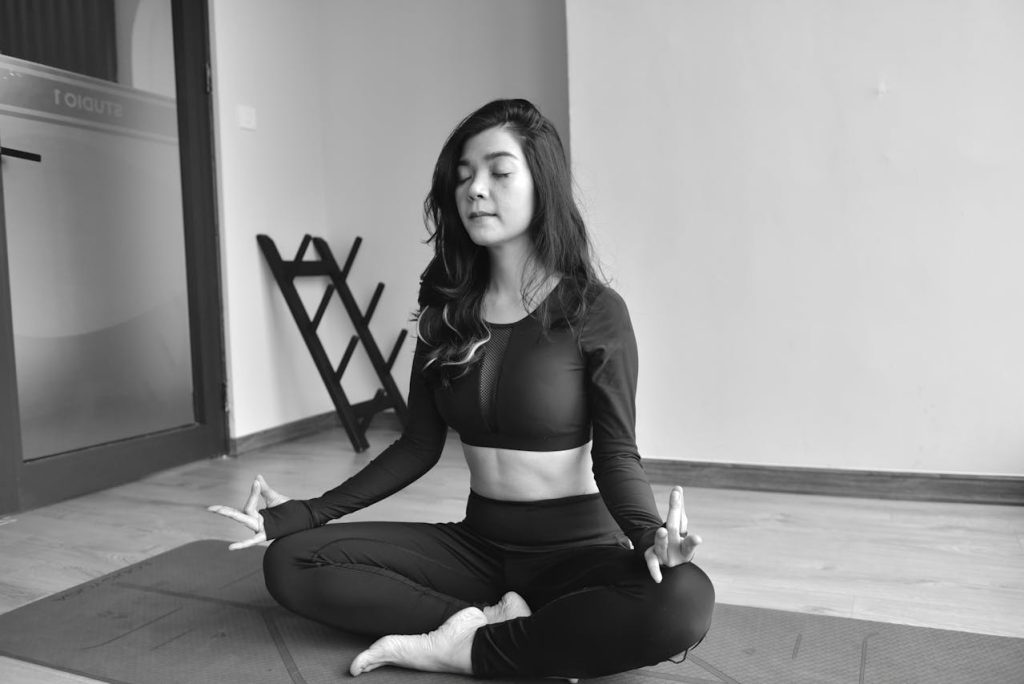
Discover the best meditation practices for anxiety to calm your mind, reduce stress, and improve mental clarity. Learn easy techniques suitable for beginners and experienced meditators.
Overview
Anxiety affects millions of people worldwide, making daily life overwhelming and stressful. Meditation practices for anxiety provide a natural, effective way to manage stress, calm your mind, and improve overall mental health. In this blog, you will learn the best meditation techniques for anxiety, how to incorporate them into your daily routine, and the benefits you can expect. By the end, you’ll have actionable tools to reduce anxiety naturally.
Understanding Anxiety and How Meditation Helps
Anxiety is a natural response to stress, but when persistent, it can interfere with your well-being. Common symptoms include:
- Racing thoughts and constant worry
- Rapid heartbeat or breathing
- Difficulty focusing
- Irritability and restlessness
Meditation practices for anxiety focus on mindfulness, breathing, and awareness, helping to regulate the nervous system and calm the mind. Scientific studies show that regular meditation can reduce cortisol levels, improve focus, and enhance emotional regulation.
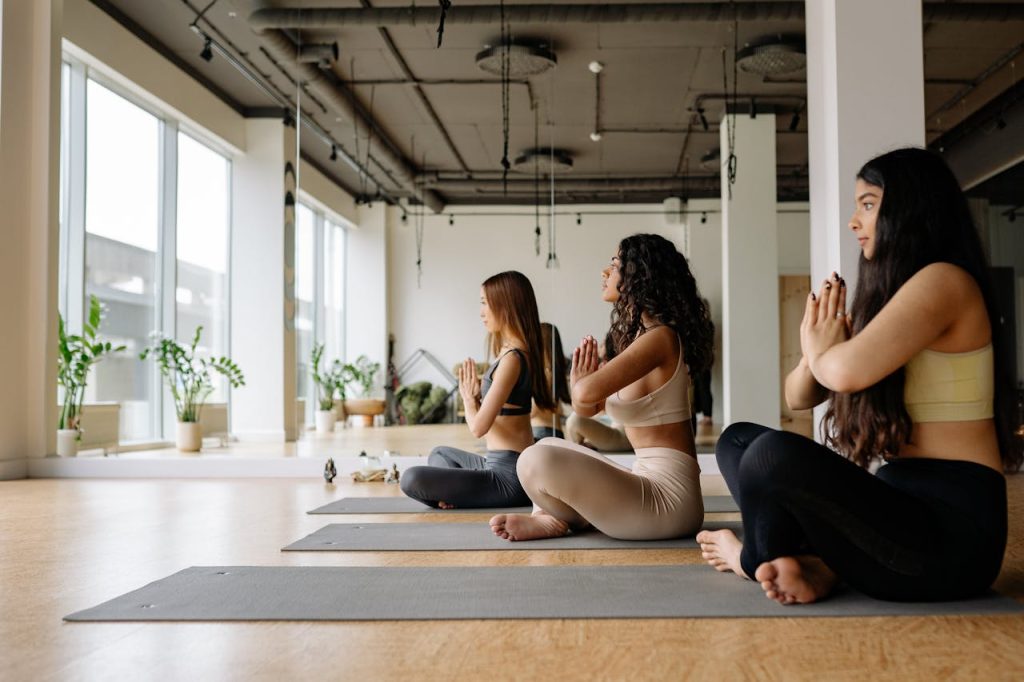
Benefits of Meditation Practices for Anxiety
Incorporating meditation into your daily routine can provide:
- Reduced Stress: Meditation lowers cortisol and promotes relaxation.
- Improved Emotional Health: Mindfulness enhances self-awareness and emotional balance.
- Better Sleep: Relaxation techniques support deeper, more restorative sleep.
- Enhanced Focus and Clarity: Meditation trains the mind to focus on the present moment.
- Long-Term Anxiety Relief: Consistent practice reduces the frequency and intensity of anxious thoughts.
Types of Meditation Practices for Anxiety
There are several meditation practices for anxiety, each catering to different preferences and lifestyles:
1. Mindfulness Meditation
Mindfulness meditation involves focusing on the present moment without judgment. This practice helps you observe anxious thoughts without reacting to them.
How to practice:
- Sit in a quiet, comfortable space.
- Close your eyes and take deep breaths.
- Focus on your breath or bodily sensations.
- Gently bring your mind back if it wanders.
Tip: Start with 5–10 minutes daily and gradually increase the duration.
2. Guided Meditation
Guided meditation uses a recorded voice or instructor to lead you through relaxation exercises. This approach is perfect for beginners or those who struggle with self-guided meditation.
Benefits:
- Reduces overthinking
- Provides structured relaxation
- Encourages visualization techniques for calm
You can find guided meditation sessions on our platform, specifically designed to ease anxiety and stress.
3. Breath-Focused Meditation
Breathing techniques are essential for calming the nervous system. Controlled breathing slows heart rate and reduces tension.
Simple technique:
- Inhale deeply for 4 counts
- Hold for 4 counts
- Exhale slowly for 6–8 counts
Practicing this daily can significantly reduce anxiety symptoms over time.
4. Body Scan Meditation
Body scan meditation helps you identify areas of tension and release stress stored in your muscles.
Steps:
- Lie down comfortably.
- Focus attention on your feet, noticing sensations.
- Gradually move attention upward through your body.
- Release tension consciously from each area.
This technique promotes relaxation and heightens body awareness, essential for anxiety management.
5. Loving-Kindness Meditation
Loving-kindness Meditation focuses on cultivating compassion and positive feelings toward yourself and others.
Benefits:
- Reduces negative thought patterns
- Encourages self-acceptance
- Improves mood and resilience against anxiety
How to practice:
- Sit comfortably and close your eyes.
- Repeat phrases like “May I be safe, may I be happy, may I be at peace.”
- Extend these wishes to loved ones and eventually all beings.
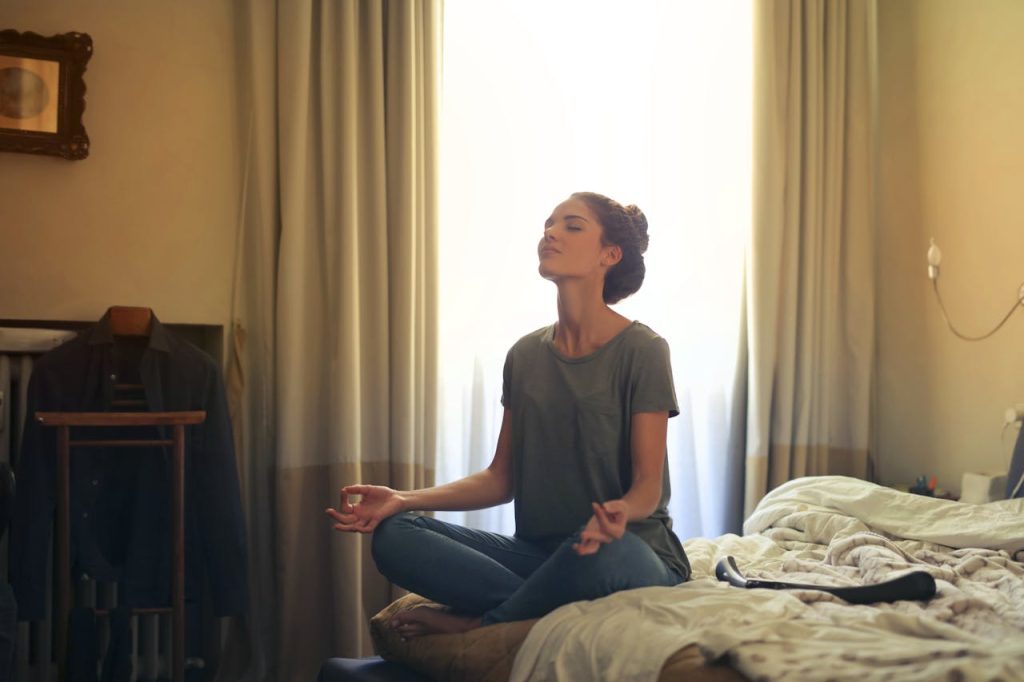
How to Create a Daily Meditation Routine for Anxiety
Consistency is key for reducing anxiety through meditation. Here’s a simple routine:
- Morning: 5–10 minutes of breath-focused meditation to start the day calm.
- Afternoon: Quick 2–5 minute mindfulness check-ins during work breaks.
- Evening: 10–15 minutes of guided or body scan meditation to release tension.
Tips for success:
- Find a quiet, comfortable space free of distractions.
- Use meditation apps or online resources for guidance.
- Set reminders to practice consistently.
- Keep a journal to track your anxiety levels and progress.
Combining Meditation with Other Anxiety Management Techniques
Meditation is highly effective when combined with:
- Regular Exercise: Physical activity naturally reduces anxiety hormones.
- Healthy Sleep Habits: Consistent sleep enhances the benefits of meditation.
- Mindful Journaling: Recording your thoughts helps process emotions.
- Professional Support: Therapists can guide meditation practices as part of therapy.
Common Mistakes to Avoid
Even experienced meditators sometimes struggle. Avoid these pitfalls:
- Expecting Instant Results: Anxiety reduction takes consistent practice.
- Overcomplicating Techniques: Simple breathing or mindfulness is often more effective than complex methods.
- Judging Yourself: Let thoughts pass without self-criticism.
Final Thought: Meditation Practices for Anxiety Are Your Path to Calm
Meditation practices for anxiety offer a natural, sustainable way to manage stress and improve mental health. By exploring techniques like mindfulness, guided meditation, body scan, and loving-kindness meditation, you can find the methods that resonate most with you.
Start small, stay consistent, and gradually incorporate meditation into your daily life. Over time, you’ll notice reduced anxiety, improved focus, and a more peaceful state of mind.
At Mindfulness Meditation Hub, we provide guided meditations, resources, and support to help you integrate these practices seamlessly into your routine. Begin your journey toward calm and clarity today.