
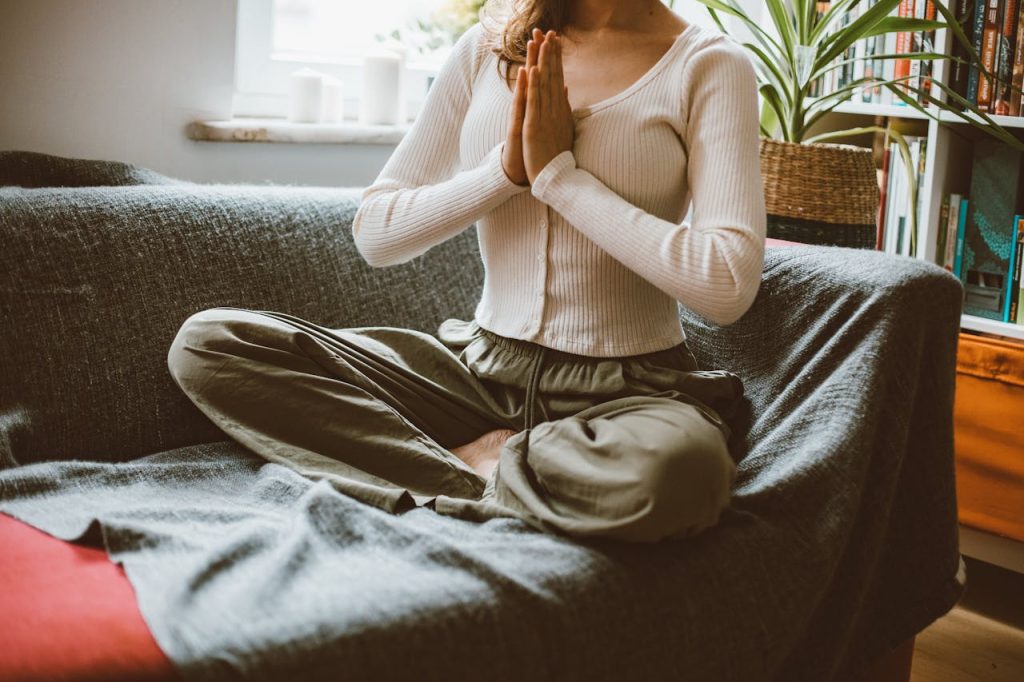
Discover the most effective meditation techniques for anxiety. Learn how mindfulness, breathing, and guided meditations can help you find calm and balance. Start your journey toward peace today with Mindfulness Meditation Hub.
Blog Overview
In this comprehensive guide, you’ll discover practical meditation techniques for anxiety that can help you calm your mind, relax your body, and manage daily stress more effectively. Whether you’re struggling with constant worry, panic attacks, or restlessness, this post will walk you through proven practices—like mindfulness, deep breathing, and guided meditations—that support emotional balance and peace of mind.
By the end of this post, you’ll learn:
- How meditation impacts anxiety and stress levels
- Simple, effective meditation techniques you can try today
- How to integrate mindfulness into your everyday life
- Why consistent meditation practice can transform your mental health
At Mindfulness Meditation Hub, we’re dedicated to guiding you through every step of your mindfulness journey.
Understanding Anxiety and the Power of Meditation
Anxiety is a natural human emotion—but when it becomes overwhelming or constant, it can interfere with your ability to live freely. From racing thoughts to muscle tension and insomnia, chronic anxiety takes a toll on both mind and body.
Meditation offers a gentle yet powerful way to restore calm and balance. By focusing your attention and becoming more aware of your thoughts, you train your mind to respond to stress rather than react impulsively. Over time, consistent meditation practice can reduce anxiety symptoms and help you feel more grounded.
According to research from Harvard Medical School, mindfulness-based meditation can lower cortisol levels (the stress hormone) and improve overall emotional well-being. This makes meditation techniques for anxiety an accessible and natural tool for managing stress.
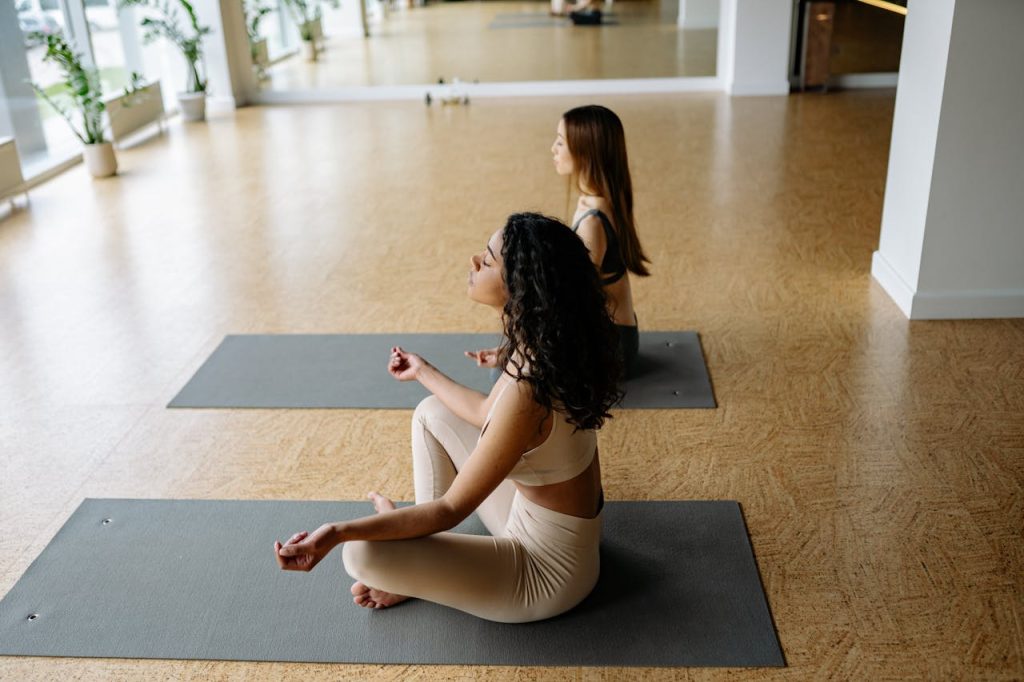
Top Meditation Techniques for Anxiety Relief
Below are several proven meditation techniques for anxiety that can help you regain control of your mind and emotions.
1. Mindful Breathing Meditation
One of the simplest yet most effective ways to reduce anxiety is through mindful breathing. This technique helps you anchor your attention to the present moment.
How to Practice:
- Sit or lie comfortably.
- Close your eyes and focus on your breath.
- Inhale slowly through your nose for 4 seconds.
- Exhale gently through your mouth for 4 seconds.
- Repeat for 5–10 minutes, noticing each breath without judgment.
Benefits:
Practicing mindful breathing daily helps regulate your nervous system and decreases anxiety over time.
2. Body Scan Meditation
The body scan meditation technique for anxiety is designed to release built-up stress and increase awareness of physical sensations.
Steps:
- Lie on your back or sit upright in a quiet space.
- Slowly bring your attention to different parts of your body—from your toes up to your head.
- Notice any areas of tension or discomfort and allow them to relax with each exhale.
This meditation helps you reconnect with your body and reduce the physical effects of anxiety, such as muscle tightness and restlessness.
3. Guided Meditation for Anxiety
If you find it difficult to meditate on your own, guided meditation is an excellent choice. Listening to a calming voice or soft background music can make it easier to relax and focus.
At Mindfulness Meditation Hub, we offer free guided meditation techniques for anxiety designed to help you release worry and cultivate peace. You can listen to our sessions anytime through our website or YouTube channel.
Guided meditation benefits:
- Provides structure for beginners
- Encourages consistent practice
- Helps manage racing thoughts effectively
4. Loving-Kindness Meditation (Metta)
This powerful practice involves cultivating compassion and love for yourself and others—an antidote to fear and anxiety.
Steps:
- Sit quietly and take a few deep breaths.
- Silently repeat phrases like
- “May I be safe.”
- “May I be calm.”
- “May I be at peace.”
- Extend these wishes to others—friends, family, and even strangers.
Loving-kindness Meditation transforms negative emotions into empathy and gratitude, promoting emotional resilience.
5. Visualization Meditation
Visualization is another effective meditation technique for anxiety that uses mental imagery to create a sense of calm.
How to Practice:
- Find a comfortable position and close your eyes.
- Picture a peaceful setting—like a quiet beach, forest, or mountain.
- Engage all your senses: hear the waves, feel the breeze, smell the fresh air.
This method helps redirect anxious thoughts and train your mind to focus on positive imagery instead of fear.
6. Mindfulness in Daily Life
Meditation isn’t just for quiet moments—it can be woven into your daily routine. Practicing mindfulness throughout the day helps prevent anxiety before it starts.
Examples of everyday mindfulness:
- Pay full attention while eating or walking.
- Take mindful breaks during work
- Notice your breath during stressful situations.
These micro-moments of awareness accumulate, leading to long-term emotional stability.
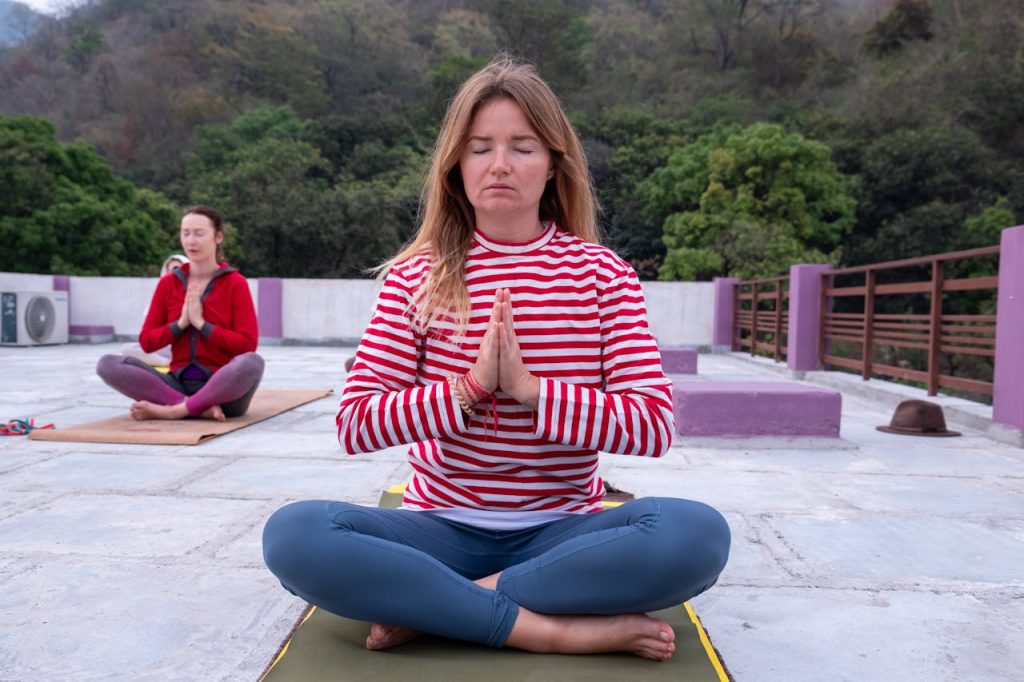
How Meditation Helps Reduce Anxiety
Here’s how regular meditation techniques for anxiety work on a scientific and emotional level:
- Regulates the nervous system: Meditation activates the parasympathetic (rest-and-digest) response, counteracting the stress response.
- Reduces negative thought loops: Mindfulness interrupts cycles of worry by grounding you in the present.
- Improves emotional awareness: You become more conscious of triggers and can respond more calmly.
- Enhances sleep quality: Regular meditation reduces insomnia and promotes relaxation.
- Boosts serotonin and dopamine: These “feel-good” neurotransmitters increase happiness and reduce anxiety.
Tips to Build a Consistent Meditation Practice
Creating a meditation habit is key to experiencing its full benefits.
Helpful tips:
- Start small—just 5 minutes a day.
- Meditate at the same time daily.
- Use a calm space with minimal distractions.
- Try different meditation techniques for anxiety to find what works best for you.
- Track your progress with a journal or app.
Remember, progress comes with consistency, not perfection.
When to Seek Professional Guidance
While meditation is highly beneficial, severe anxiety may require professional support. If your symptoms include panic attacks, chronic fear, or insomnia, consider reaching out to a mental health expert.
At Mindfulness Meditation Hub, we offer guided sessions and mindfulness coaching to help you manage anxiety in a safe, supportive environment.
Final Thoughts
In a fast-paced world, taking a few moments each day to breathe, reflect, and center yourself can make all the difference. These meditation techniques for anxiety are not just relaxation tools—they’re lifelong skills that cultivate balance, peace, and emotional strength.
By integrating mindfulness into your daily routine, you empower yourself to live with clarity and confidence.
Take the first step toward calm today—explore our guided meditations and mindfulness programs at Mindfulness Meditation Hub.