
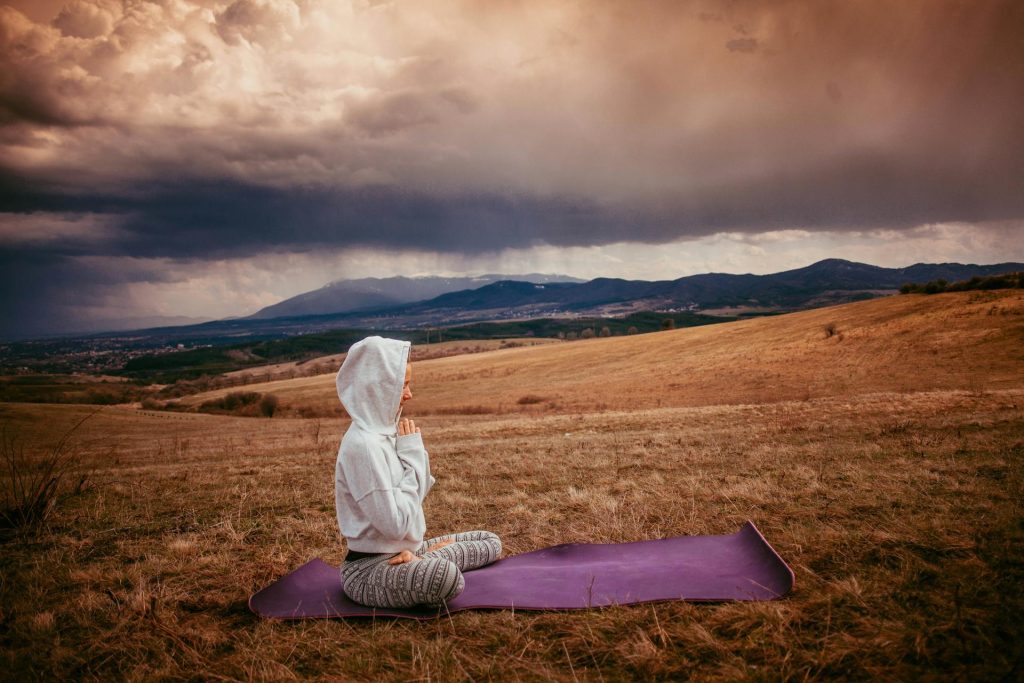
Discover how mindful movement helps you tune into your body, reduce stress, and boost well-being. Learn practical steps to incorporate it into your daily life.
Overview
In today’s fast-paced world, many people feel disconnected from their bodies—rushing through the day with little awareness of how they move, feel, or breathe. Mindful movement bridges that gap, offering a powerful way to tune into your body, calm your mind, and reclaim balance.
In this blog post, you’ll learn:
- What mindful movement means
- The science-backed benefits of mindful movement
- How to get started, even if you’re a beginner
- Daily mindful movement practices to reconnect with your body
- Why this practice matters for stress reduction and emotional regulation
Whether exploring mindfulness for the first time or deepening your current practice, this guide will help you experience the transformative power of tuning into your body—something we proudly support at Mindfulness Meditation Hub.
What Is Mindful Movement?
Mindful movement refers to any physical activity performed with complete awareness. Unlike routine exercise that may focus solely on fitness, mindful movement encourages you to stay mentally present, observe sensations, and connect with your breath and body as you move.
Key Characteristics of Mindful Movement:
- Intention over intensity
- Awareness of posture and alignment
- Conscious breathing
- Non-judgmental observation of thoughts or sensations
Mindful movement can be found in yoga, tai chi, walking meditation, stretching, and even slow, intentional dancing.

Why It’s Important to Tune Into Your Body
Incorporating mindful movement to tune into your body can be life-changing. When we listen to our body’s signals, we develop a deeper connection to ourselves—physically, mentally, and emotionally.
The body speaks. Are you listening?
- Do you experience chronic tension or stress?
- Are you feeling emotionally reactive or mentally foggy?
- Do you push your body without checking in with its needs?
Tuning into your body through mindful movement allows you to:
- Detect early signs of stress or fatigue
- Prevent injury from overexertion
- Improve emotional regulation and sleep quality
- Create space for calm, grounded decision-making
Science-Backed Benefits of Mindful Movement
Many scientific studies support the advantages of mindful movement. Here’s what research shows:
Proven Benefits:
- Reduces stress: Regular mindful movement lowers cortisol levels and increases serotonin and endorphins.
- Enhances focus: Moving with intention improves cognitive performance and concentration.
- Improves flexibility and balance: This is especially helpful for older adults and those recovering from injury.
- It lowers blood pressure and improves heart health
- Boosts emotional well-being: Mindful practices foster emotional resilience and reduce anxiety and depression.
By practicing mindful movement to tune into your body, you’re not only exercising muscles—you’re rewiring your nervous system to operate from a place of balance.
Getting Started with Mindful Movement
You don’t need to be an athlete or yogi to begin mindful movement. It is for everyone, regardless of fitness level, age, or flexibility.
Steps to Begin:
- Start slow: Choose a simple practice like stretching or walking.
- Set an intention: Before starting, ask yourself, “How does my body feel right now?”
- Focus on your breath: Match movements with inhales and exhales.
- Stay present: If your mind wanders, gently bring it back to the body.
- Reflect afterward: How do you feel physically, mentally, and emotionally?
Popular Forms of Mindful Movement
Here are a few beginner-friendly options that we offer guidance on at Mindfulness Meditation Hub:
Walking Meditation
Slow, deliberate walking while paying attention to each step and breath. Perfect for grounding and relieving tension.
Yoga (Slow Flow or Restorative)
Connects breath with movement. It is excellent for improving flexibility and releasing stress stored in the body.
Qi Gong or Tai Chi
Ancient Eastern practices used slow, flowing movements. Excellent for energy alignment and mental clarity.
Gentle Stretching
Spending just 10 minutes stretching while consciously breathing helps to tune into sore or tight areas.
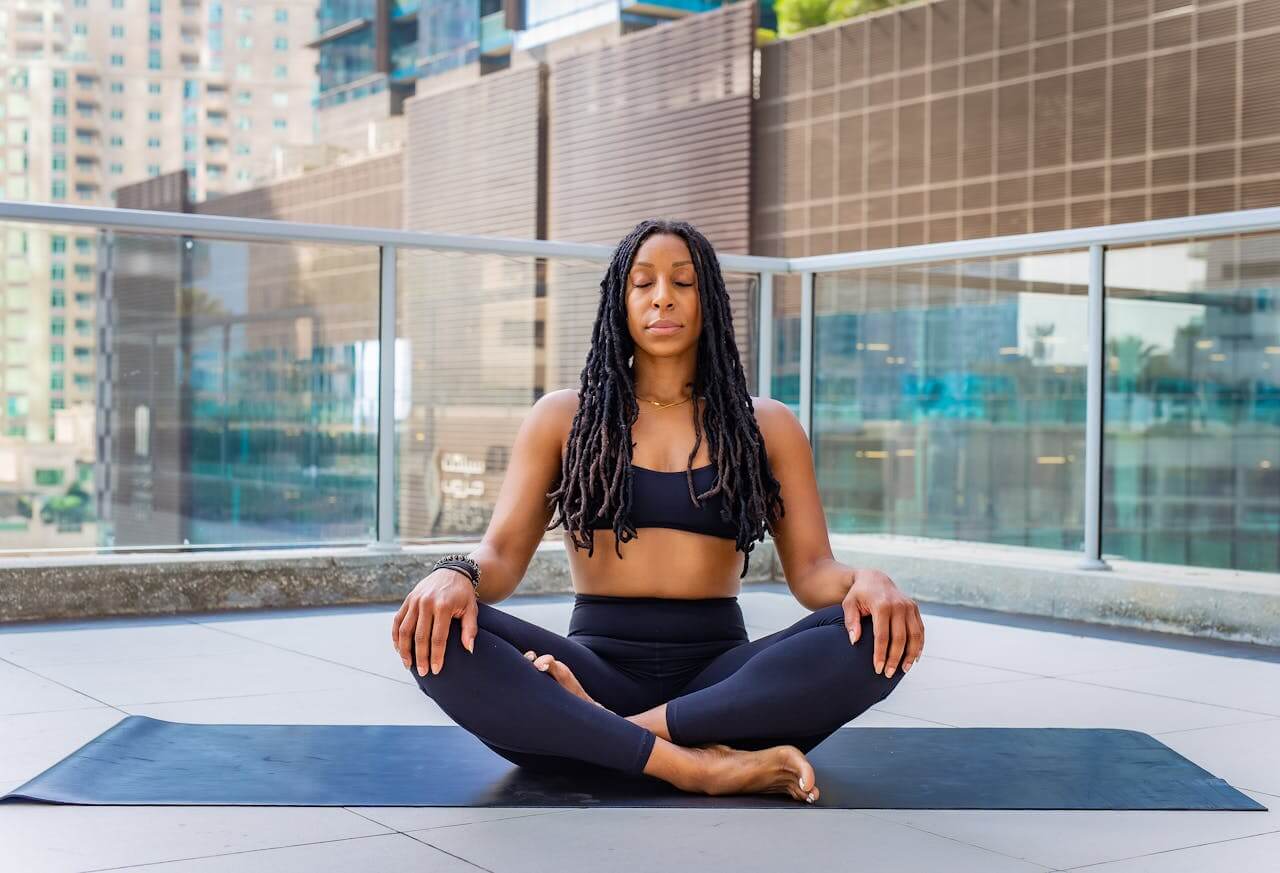
How to Tune Into Your Body Through Movement
Let’s explore how actually to feel more connected to your body in practice:
Listen
Pause throughout the day and notice areas of tension, fatigue, or comfort. Don’t rush to “fix” anything—observe.
Breathe With Awareness
Breath acts as a bridge between the mind and body. Syncing your breath with movement deepens bodily awareness.
Observe Without Judgment
Your body may feel stiff, tired, or even emotional. This is normal. It encourages acceptance of the present state.
Create a Sacred Space
Move in a quiet, clutter-free area. Add calming music, incense, or soft lighting to encourage presence.
Incorporating Mindful Movement Into Daily Life
Even if you don’t have time for a full practice, you can still bring it into your routine:
- Morning Stretch: Begin the day with 5 minutes of breath-led stretching.
- Desk Breaks: Stand, roll your shoulders, or stroll between meetings for 3–5 minutes.
- Cooking or Cleaning: Move mindfully, noticing the rhythm of your body.
- Evening Wind Down: Gentle yoga or body scans before bed help release tension.
How Mindfulness Meditation Hub Can Support You
At Mindfulness Meditation Hub, mindful movement to tune into your body is vital to mental, emotional, and spiritual wellness. That’s why we offer:
- Guided mindful movement videos
- Live virtual sessions for yoga and movement meditation
- Mindfulness articles and free resources
- Breath and movement challenges for beginners
Our mission is to help you create space where your body and mind are aligned, centered, and strong.
Final Thoughts: Reclaim Your Inner Awareness
Practicing mindful movement to tune into your body is one of the most effective ways to reconnect with your true self in today’s distracted world. Moving with intention opens the door to self-discovery, healing, and profound inner peace.
You don’t have to master any special technique to begin. Take a breath, bring your awareness to your body, and start moving—mindfully.
Related Topics
- A Guided Meditation for Coming Home to Yourself
- A Guided Meditation to Reset and Let Go
- The Top 10 Guided Meditations of 2020
- Try This Self-Guided Meditation Retreat for Rest and Restoration
- A Guided Meditation Script to Help Kids Explore Feelings About Change
- A 12-Minute Meditation to Widen Your Perspective
- A 5-Minute Meditation to Shift From Overwhelm to Opportunity
- A 12-Minute Meditation to Cultivate Gratitude for Small Things
- A Guided Meditation to Set Your Intentions for the New Year
- A 3-Minute Meditation to Calm Your Mind
- This Loving-Kindness Meditation is a Radical Act of Love
- A 12-Minute Meditation for Grief and Loss
- A Meditation on Endings