

Discover the power of mindful movements to improve your physical and mental health. Learn how practicing mindful movements can reduce stress, increase flexibility, and boost overall wellness.
Overview:
In this blog post, readers will learn what mindful movements are, why they are important, and how incorporating them into daily life can enhance both physical and mental well-being. We will explore practical examples of mindful movement exercises, their benefits, and tips for getting started. Whether you’re new to mindfulness or looking to deepen your practice, this guide will provide valuable insights and actionable steps.
What Are Mindful Movements?
Mindful movements are gentle, intentional physical activities performed with full awareness and focus on the present moment. Unlike automatic or rushed movements, mindful movements involve tuning into your body’s sensations, breath, and environment to create a deeper connection between mind and body.
This practice encourages slowing down and noticing how each movement feels, which can help reduce stress and improve physical function.
Why Practice Mindful Movements?
Practicing mindful movements has become increasingly popular as a way to combat the fast pace and stress of modern life. Here are some key reasons why mindful movements matter:
- Stress Reduction: Moving mindfully activates the parasympathetic nervous system, helping your body relax and reduce anxiety.
- Improved Flexibility and Balance: Paying attention to body alignment and movement patterns enhances mobility and reduces the risk of injury.
- Enhanced Body Awareness: Mindful movements help you notice tension or discomfort early, allowing for better self-care.
- Better Mental Clarity: Focusing on the present moment through movement improves concentration and emotional resilience.
- Pain Management: People with chronic pain or injuries often find relief through mindful movement practices that promote gentle, controlled motions.
Examples of Mindful Movements You Can Try
Here are some accessible mindful movement exercises to integrate into your daily routine:
1. Mindful Walking
Take a slow walk focusing entirely on the sensation of your feet touching the ground, the rhythm of your breath, and the sounds around you. Notice the temperature of the air and the movement of your body.
2. Yoga and Stretching
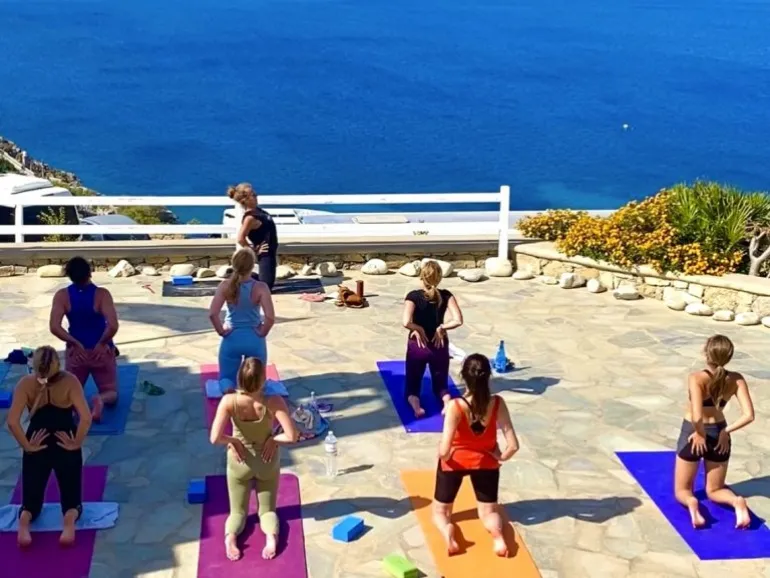
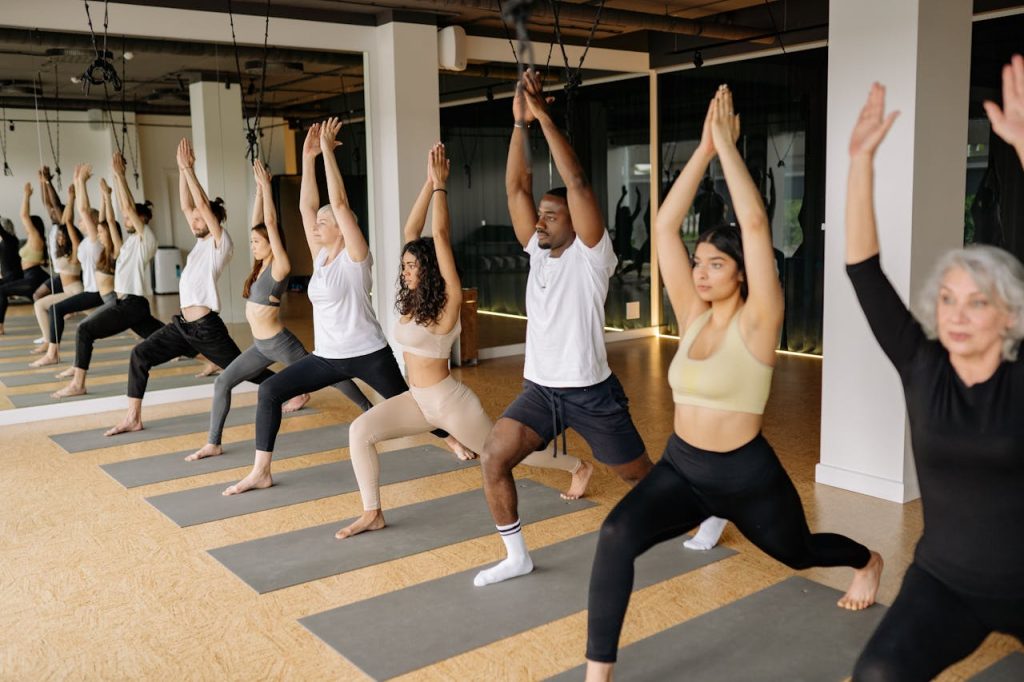
Perform simple yoga poses or stretches with full attention to breath and muscle sensations. Avoid rushing through the poses and instead savor the feeling of each stretch.
3. Tai Chi or Qigong
These ancient martial arts combine slow, deliberate movements with breath control and mental focus, making them excellent examples of mindful movement.
4. Body Scan Movement
While standing or sitting, slowly move different parts of your body from head to toe, observing sensations and releasing tension consciously.
How to Get Started with Mindful Movements
Starting a mindful movement practice doesn’t require special equipment or a gym membership. Follow these tips:
- Set Aside Time: Dedicate 10-15 minutes daily to mindful movement exercises.
- Create a Calm Environment: Choose a quiet space where you won’t be disturbed.
- Focus on Breath: Use your breath as an anchor to stay present.
- Move Slowly: Resist the urge to rush; move with intention.
- Listen to Your Body: Honor your limits and adjust movements to your comfort.
- Practice Consistently: Regular practice helps deepen the benefits.
Benefits of Mindful Movements
Incorporating mindful movements into your routine can bring a wide range of benefits:
- Reduced Anxiety and Depression: Mindful movements promote relaxation and reduce symptoms of mental health challenges.
- Increased Strength and Flexibility: Gentle movements help maintain muscle tone and joint health.
- Improved Posture: Mindfulness of body alignment encourages better posture habits.
- Enhanced Sleep Quality: Relaxation through mindful movements can improve sleep patterns.
- Greater Mind-Body Connection: Mindful movements cultivate a harmonious relationship between your physical and mental states.
Why Choose Mindfulness Meditation Hub for Mindful Movement Practices?
At Mindfulness Meditation Hub, we offer guided mindful movement sessions designed for all skill levels. Our expert instructors help you cultivate body awareness, reduce stress, and enhance your overall wellness through personalized and easy-to-follow programs.
- Accessible Anytime, Anywhere: Practice at your own pace from home.
- Professional Guidance: Learn safe and effective mindful movement techniques.
- Holistic Approach: Combine mindfulness meditation and movement for maximum benefits.
Final Thoughts
Incorporating mindful movements into your daily routine is a powerful way to nurture your body and mind. By moving with intention and awareness, you can reduce stress, increase physical health, and cultivate a deeper connection with yourself.
At Mindfulness Meditation Hub, we are dedicated to helping you explore and embrace mindful movements as part of your wellness journey. Start today and experience the transformative power of moving mindfully.