
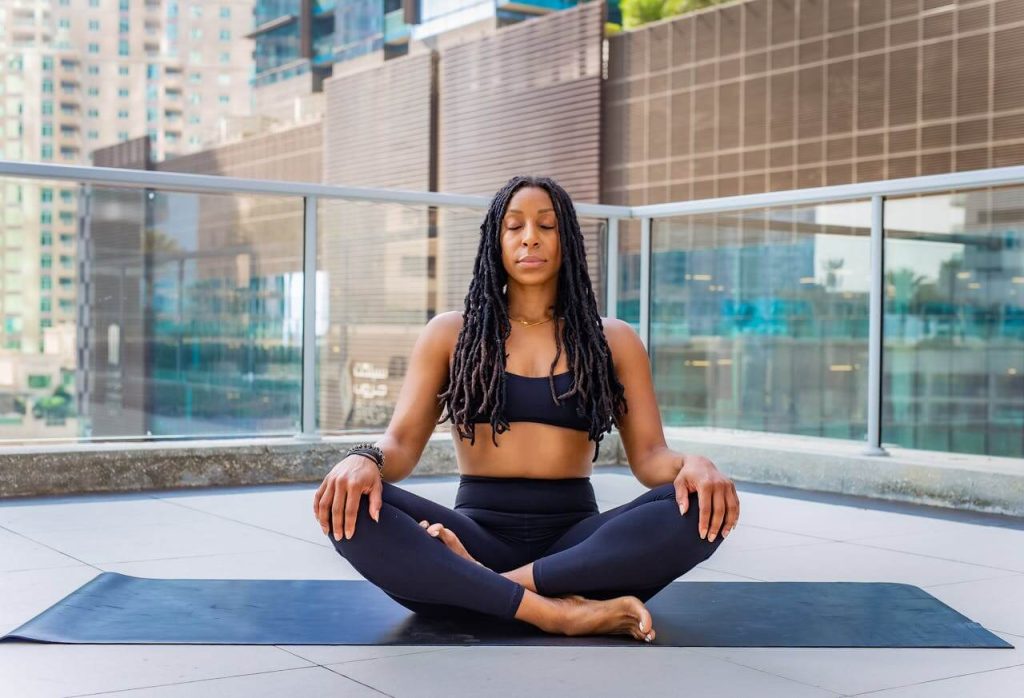
Learn how to be mindful of emotions with practical mindfulness techniques. Discover strategies to recognize, understand, and manage your emotions for improved mental well-being.
Overview
In this blog post, readers will learn how to cultivate emotional awareness and become mindful of emotions in everyday life. You will discover practical strategies for recognizing your emotions, understanding their triggers, and managing them effectively. By the end, readers will have actionable tools to improve mental clarity, reduce stress, and enhance emotional resilience through mindfulness practices.
How to Be Mindful of Emotions: A Complete Guide
Emotions are an integral part of the human experience. They influence our thoughts, behaviors, and decisions. Yet, many people struggle to understand or manage their emotional responses effectively. Being mindful of emotions means paying attention to your emotional state without judgment, understanding what triggers these feelings, and learning to respond rather than react.
Mindfulness is a powerful tool that allows you to cultivate awareness and balance. By being mindful of emotions, you can navigate life’s challenges more calmly, improve relationships, and increase overall well-being.

What Does It Mean to Be Mindful of Emotions?
Being mindful of emotions involves:
- Awareness: Recognizing your emotional state in the present moment.
- Acceptance: Observing emotions without labeling them as “good” or “bad.”
- Non-reactivity: Responding thoughtfully rather than impulsively.
When you are mindful of emotions, you can identify patterns in your feelings, understand their sources, and make conscious choices instead of letting emotions control your actions.
Benefits of Being Mindful of Emotions
Practicing mindfulness of emotions offers numerous mental and physical health benefits:
- Reduced Stress: Mindfulness helps you process emotions without becoming overwhelmed.
- Improved Emotional Regulation: You learn to respond calmly rather than react impulsively.
- Better Relationships: Understanding your emotions improves empathy and communication.
- Increased Self-Awareness: You become aware of emotional triggers and patterns.
- Enhanced Mental Clarity: Mindfulness reduces mental clutter, allowing better decision-making.
Being mindful of emotions is not about suppressing feelings—it’s about understanding and embracing them fully.
How to Cultivate Mindfulness of Emotions
1. Observe Without Judgment
The first step in being mindful of emotions is noticing them without judgment. When you feel an emotion, pause and ask yourself:
- What am I feeling right now?
- Where do I feel this emotion in my body?
- What triggered this emotion?
Labeling emotions can help you detach from them. For example, saying “I feel anxious” instead of “I am anxious” creates a space between you and the emotion, allowing observation rather than reaction.
2. Practice Mindful Breathing
Mindful breathing is a cornerstone of emotional awareness. Focusing on your breath can anchor you in the present and reduce emotional intensity.
Try this exercise:
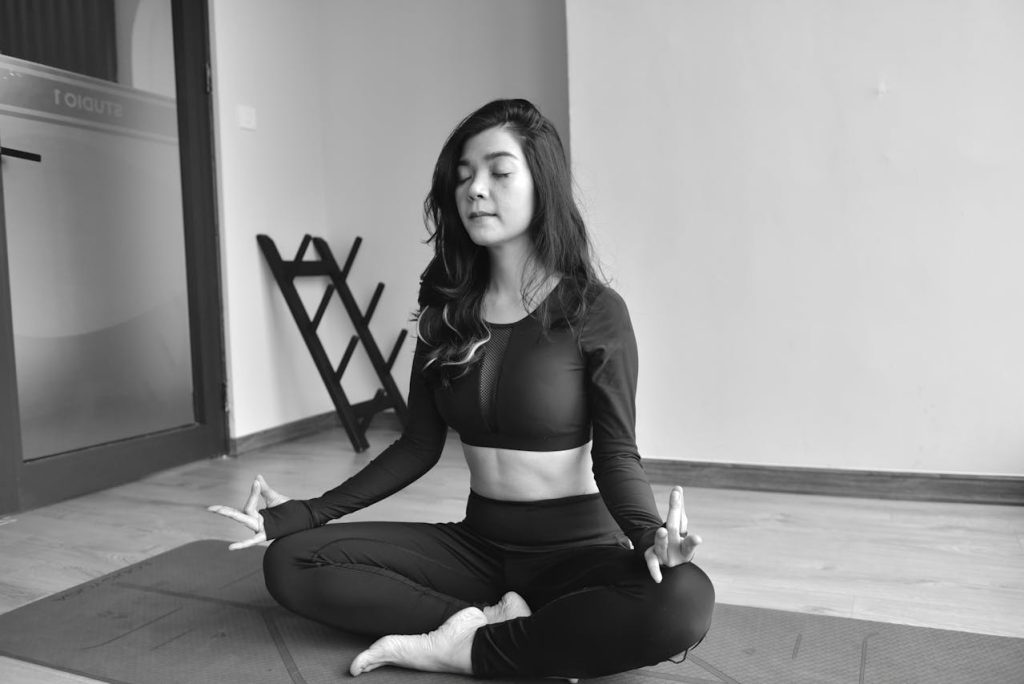
- Sit comfortably and close your eyes.
- Take a deep breath in through your nose for a count of four.
- Hold your breath for a count of four.
- Exhale slowly for a count of six.
- Repeat for 5–10 minutes while noticing your emotional state.
This simple practice allows you to remain present and observe emotions as they arise without judgment.
3. Maintain an Emotional Journal
Journaling can be a powerful tool to become more mindful of emotions. Write down:
- Daily emotional experiences
- Triggers and patterns
- Reactions and outcomes
Reviewing your journal over time can reveal recurring patterns and help you understand the root causes of your emotions.
4. Body Scan Meditation
Emotions often manifest physically in the body. Body scan meditation can increase awareness of these sensations:
- Lie down or sit comfortably.
- Close your eyes and bring attention to your feet.
- Slowly move your attention upward, noticing sensations in each part of your body.
- Observe any tension, tightness, or discomfort.
- Connect these sensations to your emotional state.
This practice strengthens the mind-body connection, making you more mindful of emotions as they arise.
5. Practice Self-Compassion
Being mindful of emotions also means treating yourself with kindness. Avoid criticizing yourself for feeling a certain way. Use phrases like
- “It’s okay to feel this.”
- “I accept my emotions as they are.”
- “I am learning to understand myself better.”
Self-compassion reduces the emotional burden and fosters emotional resilience.
Common Challenges in Being Mindful of Emotions
While mindfulness is powerful, there are challenges:
- Difficulty Staying Present: The mind often drifts into past regrets or future worries.
- Strong Emotional Reactions: Intense emotions can make observation difficult.
- Impatience: Some expect immediate results from mindfulness.
Tips to Overcome Challenges:
- Start small: Practice 5–10 minutes daily.
- Use guided meditations to stay focused.
- Remind yourself that mindfulness is a skill, not a destination.
Mindfulness Techniques to Enhance Emotional Awareness
Guided Meditations
Listening to guided meditations focused on emotions can help you stay present and aware.
Visualization
Visualize emotions as passing clouds in the sky—acknowledge them without attachment.
Mindful Walking
Focus on your steps, breath, and bodily sensations while walking. Notice how your emotions shift during the practice.
Mindful Observation
Observe your surroundings with full attention and notice any emotional responses triggered by external stimuli.
Applying Mindfulness of Emotions in Daily Life
Being mindful of emotions is not limited to meditation. You can integrate mindfulness into daily activities:
- During conversations, notice emotional reactions before responding.
- At work, take a moment to identify emotions before making decisions.
- In relationships, practice empathetic listening and emotional validation.
- While facing challenges, pause to reflect on your emotional response before acting.
Final Thoughts
Learning to be mindful of emotions is a lifelong journey that can profoundly impact your mental well-being, relationships, and decision-making. Through observation, breathing exercises, journaling, and meditation, you can cultivate emotional awareness and resilience.
At Mindfulness Meditation Hub, we offer guided resources, meditation practices, and tips to help you become more mindful of emotions, leading to a balanced and fulfilling life. Start your journey today and experience the power of emotional mindfulness.