

Discover practical strategies to prevent and overcome mindfulness burnout. Learn how to maintain a sustainable meditation practice and boost your mental clarity and emotional balance.
Overview
In today’s fast-paced world, mindfulness has become a popular tool to reduce stress, improve focus, and promote emotional well-being. However, even a practice designed to nurture the mind can become overwhelming if approached incorrectly. This phenomenon, known as mindfulness burnout, affects many practitioners who push themselves too hard or neglect balance in their routines.
In this blog post, you will learn:
- What mindfulness burnout is and why it happens
- Common signs and symptoms
- Practical strategies to prevent burnout
- Tips to sustain a mindful practice without stress
- How to reframe mindfulness for long-term mental and emotional health
By the end, you’ll have actionable tools to continue your mindfulness journey without feeling overwhelmed or exhausted.
What is Mindfulness Burnout?
Mindfulness burnout occurs when meditation or mindfulness practices, instead of providing relief, start to feel like an additional source of stress. Ironically, a practice intended to enhance mental clarity and calmness can lead to fatigue, frustration, or even emotional overwhelm when overdone or approached with unrealistic expectations.
Some common causes include:
- Over-scheduling meditation sessions beyond your capacity
- Pressuring yourself to “achieve” mindfulness instead of enjoying the process
- Ignoring emotional reactions that surface during meditation
- Comparing your progress to others or online standards
Understanding that mindfulness burnout is a natural response can help practitioners approach their practice with compassion rather than self-criticism.

Signs and Symptoms of Mindfulness Burnout
Recognizing burnout early is crucial to prevent it from derailing your practice. Here are the common signs:
1. Mental Fatigue
Feeling mentally exhausted, foggy, or distracted even after meditation sessions.
2. Emotional Overwhelm
Heightened irritability, frustration, or sadness that seems unrelated to daily events.
3. Avoidance or Resistance
Feeling reluctant to meditate or skipping sessions because it feels like a chore.
4. Physical Tension
Headaches, muscle tightness, or fatigue that arises during or after practice.
5. Diminished Benefits
When meditation no longer brings calm, clarity, or joy, it may be a sign of burnout.
If you notice these signs, it’s essential to pause, reflect, and adjust your approach.
Why Mindfulness Burnout Happens
Several factors contribute to burnout, and understanding them is the first step toward prevention.
1. Unrealistic Expectations
Believing mindfulness will instantly solve stress or anxiety can lead to disappointment.
2. Overcommitment
Trying to meditate for hours daily without considering energy levels or lifestyle constraints.
3. Neglecting Self-Compassion
Pushing through negative emotions without acknowledging them can intensify mental strain.
4. Misguided Techniques
Following advanced techniques before mastering basics can be overwhelming.
Mindfulness should enhance your life, not become an added burden.

Practical Strategies to Prevent Mindfulness Burnout
Preventing burnout is easier than recovering from it. Here are actionable strategies:
1. Start Small and Build Gradually
- Begin with 5–10 minutes daily
- Increase duration gradually as comfort grows
- Focus on quality rather than quantity
2. Embrace Flexibility
- Allow yourself to skip sessions when necessary.
- Adjust practice based on energy and mood
3. Prioritize Self-Compassion
- Treat mindfulness as a supportive tool, not a performance metric.
- Avoid self-criticism if progress feels slow.
4. Diversify Mindfulness Practices
- Include walking meditation, mindful eating, or journaling
- Variety keeps practice engaging and prevents monotony.
5. Set Realistic Goals
- Focus on awareness and presence, not perfection
- Avoid rigid schedules that create stress.
6. Reflect on Your Intentions
- Ask why you meditate: stress reduction, emotional balance, spiritual growth
- Align your practice with personal goals, not social trends.
7. Seek Guidance
- Work with experienced meditation instructors
- Join mindfulness communities for support and accountability
Overcoming Mindfulness Burnout
If you’re already experiencing burnout, it’s important to reset your approach.
1: Take a Break
- Step back from formal meditation
- Engage in light mindfulness activities like deep breathing or nature walks
2: Reassess Your Routine
- Reduce session length
- Avoid multi-technique overload
3: Focus on Self-Care
- Prioritize sleep, nutrition, and physical activity.
- Incorporate enjoyable activities that reduce stress
4: Reintroduce Mindfulness Gradually
- Start with short, gentle sessions.
- Celebrate small wins instead of seeking immediate transformation
5: Journal Your Experience
- Track emotions, energy levels, and insights
- Helps identify patterns and triggers
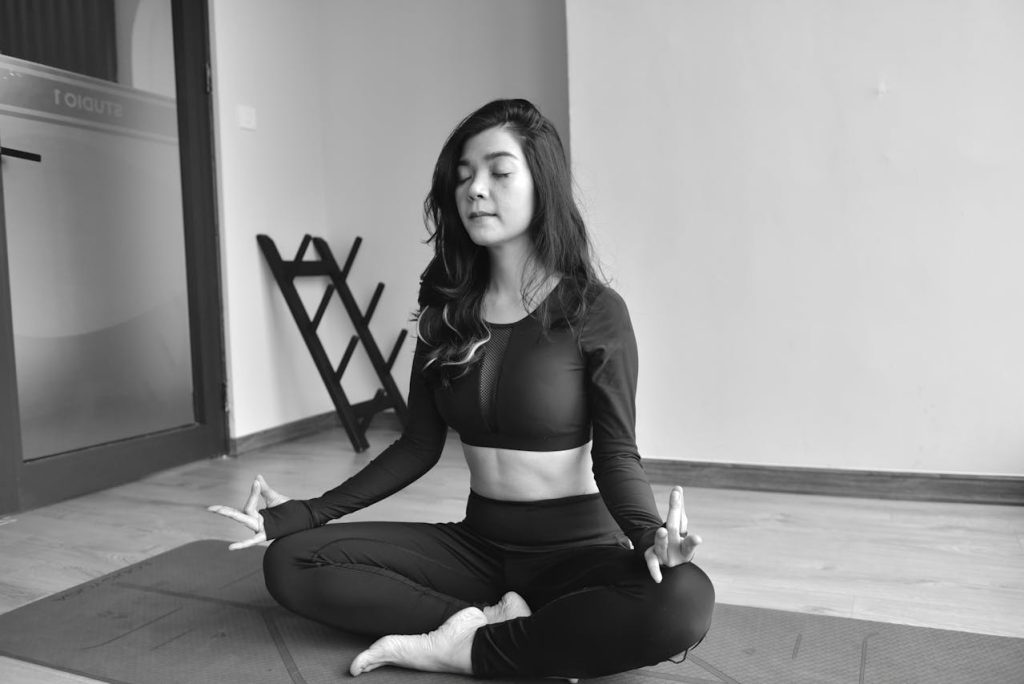
Mindfulness for Sustainable Well-Being
The goal of mindfulness is long-term mental clarity, emotional balance, and well-being—not stress or exhaustion. Here’s how to make mindfulness sustainable:
- Consistency Over Intensity: Small, daily practices are more effective than sporadic marathon sessions.
- Integration Into Daily Life: Mindfulness is not limited to meditation—practice awareness while eating, walking, or working.
- Community Support: Share your journey with others to reduce pressure and gain insights.
- Patience and Compassion: Progress may be slow, but each step strengthens mental resilience.
The Benefits of Mindfulness When Done Right
Mindfulness, when practiced sustainably, offers remarkable benefits:
- Reduces stress and anxiety
- Enhances emotional regulation
- Boosts focus and productivity
- Improves sleep quality
- Fosters compassion and self-awareness
Avoiding burnout ensures these benefits are long-lasting.
Mindfulness Burnout Is Normal—You’re Not Alone
Many practitioners encounter burnout at some point. Understanding that it’s a normal part of the journey can reduce self-criticism and help you refocus. By following the strategies outlined above, mindfulness can remain a supportive, enriching practice instead of a source of stress.
Remember: mindfulness is about presence, compassion, and self-care—not perfection. Adjust your practice to your needs, honor your limitations, and enjoy the journey toward mental clarity and emotional balance.
Final Thought
Mindfulness burnout may feel discouraging, but it’s an opportunity to reassess and strengthen your practice. By embracing self-compassion, realistic expectations, and flexible routines, you can prevent burnout and continue reaping the benefits of mindfulness.
Take control of your mindfulness journey today, and transform it into a sustainable, enriching, and joyful practice.