
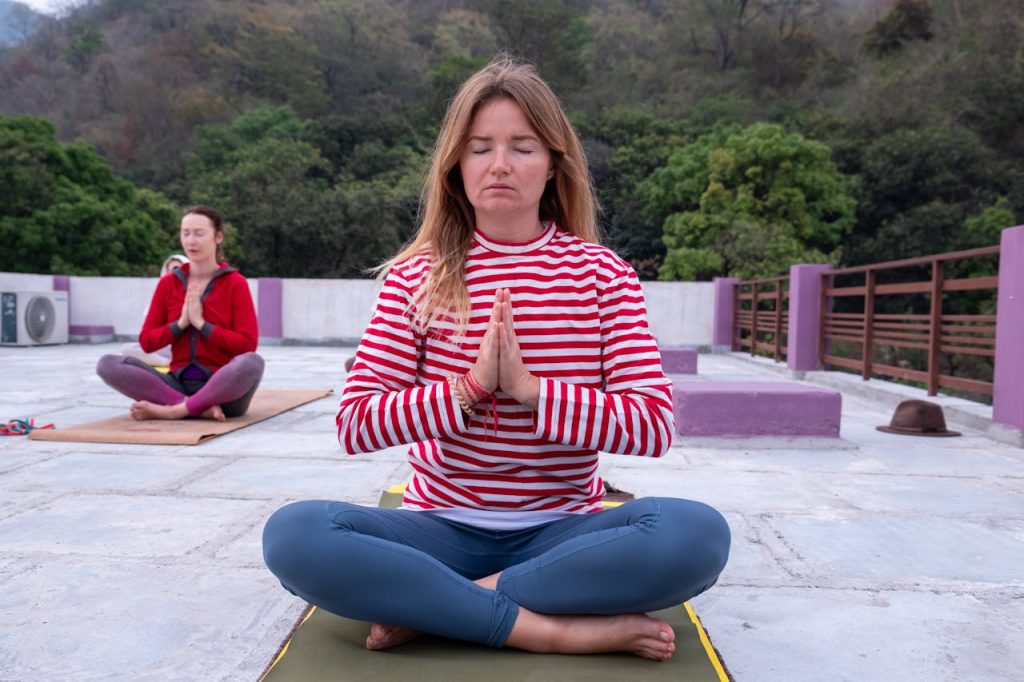
Ready to embrace inner peace? Follow these simple steps to begin your practice today. Discover how mindfulness can improve your well-being for beginners.
Mindfulness for Beginners: Simple Steps to Start
Overview
Stress and distractions are everywhere in our fast-paced world today. But there’s a movement toward emotional peace, mental clarity, and balance in life—and that’s where mindfulness fits in. If you’ve ever wondered how to start a mindfulness practice, this beginner-friendly guide is for you.
This blog post will teach you:
- What mindfulness is and why it matters
- Simple, actionable steps to begin your practice
- Practical techniques you can use every day
- How mindfulness benefits your mind and body
- Mistakes beginners often make—and how to avoid them
Whether you’re brand new or looking to refresh your routine, this post will help you cultivate mindfulness and begin living more intentionally.
What Is Mindfulness?
Mindfulness is the practice of paying attention to the present moment without judgment. It’s about being fully aware of what you’re doing, thinking, and feeling in real time—whether you’re eating, walking, working, or breathing.
For beginners, it’s important to remember that mindfulness is not about stopping your thoughts or achieving perfection overnight. Instead, it’s about gently training your awareness to stay present, which takes time and patience.
Why Is Mindfulness Important?
Studies through academic institutions, including Harvard and UCLA, reveal that mindfulness can:
Reduce stress and anxiety
- Enhance focus and cognitive function
- Support emotional regulation
- Enhance sleep quality
- Enhance mental well-being in general
However , learning such fundamentals can deliver noticeable benefits within a few weeks, even for beginners.

Mindfulness for Beginners: Simple Steps to Start
Let’s dive into some simple, actionable ways to incorporate mindfulness into your daily life. These steps are designed for beginners and can be practiced at home, work, or anywhere.
1. Start with Just 5 Minutes a Day
There is no need to stress yourself out with a full hour-long meditation. Start small. A timer for 5 minutes and a quiet room. Focus on your breath. Every time your mind wanders (and it will), gently bring it back to the breath.
Tip: Use a guided meditation from the Mindfulness Meditation Hub to help you stay focused.
2. Focus on Your Breath
Breathing is the anchor of mindfulness. Try this:
- Breathe in slowly through your nose for a count of 4
- Hold for a count of 4
- Exhale through your mouth for a count of 4
- Repeat this cycle for a few minutes
This technique helps bring your attention to the present and calms your nervous system.
3. Practice Mindful Eating
Interrupt your screen time and be mindful. Look at your food. Smell it. When you are ready to eat, take your time and eat slowly. You’ll eat with more pleasure and be more attuned to your body’s hunger and fullness signals.
4. Use Body Scan Meditation
A body scan brings awareness to different body parts, starting from your toes and moving up to your head. It helps you notice where you hold tension and promotes physical and emotional relaxation.
5. Incorporate Mindfulness into Daily Activities
You don’t need to sit in silence to be mindful. Try being present while:
- Washing dishes
- Taking a shower
- Walking the dog
- Drinking tea
These are perfect moments to check in with your breath, body, and surroundings.
How to Stay Consistent with Your Practice
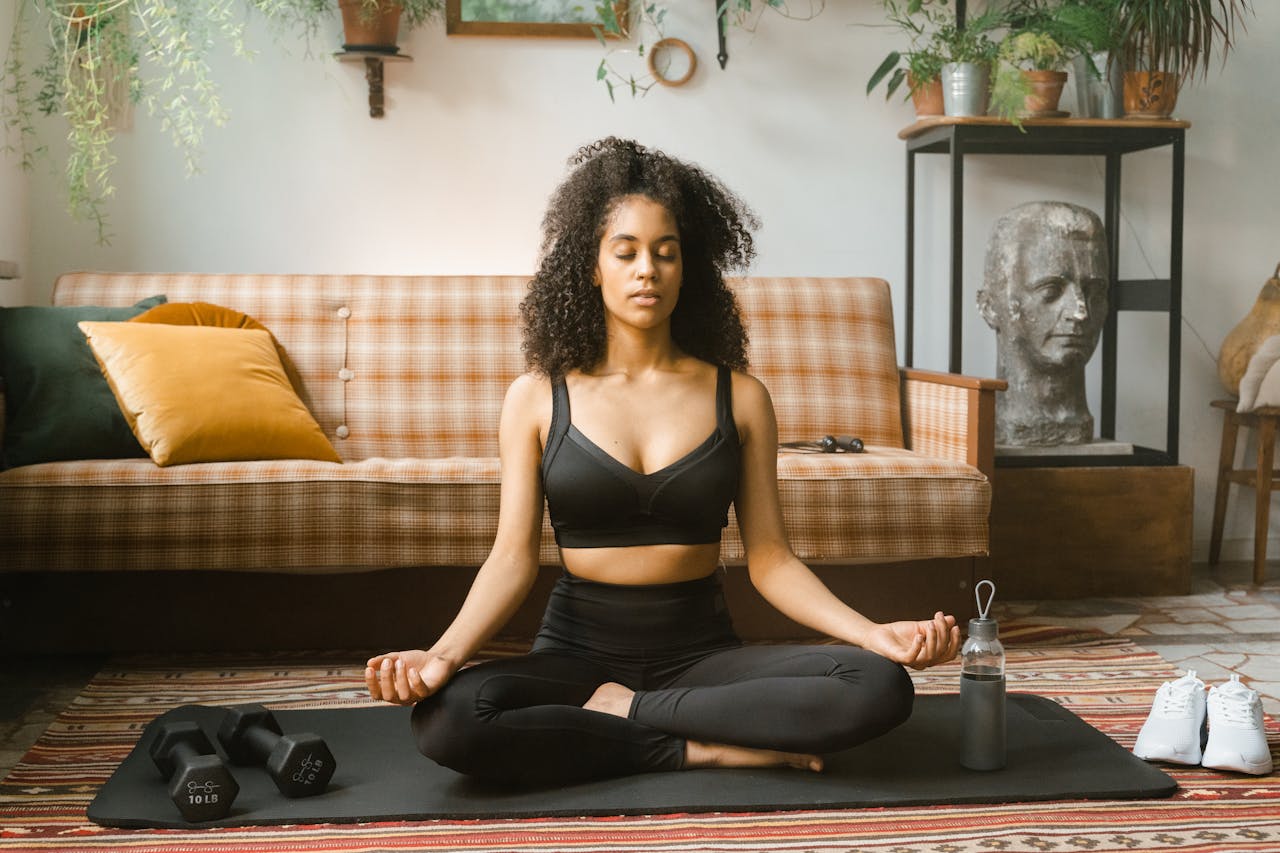
Staying consistent is one of the biggest challenges when it comes to mindfulness for beginners. Here are some strategies that work:
- Set a reminder – Use a phone alert or Post-it note
- Pick the same time daily – Morning or bedtime works well
- Create a sacred space – A quiet corner with a cushion or candle
- Track your progress – Use a journal or an app
Remember: consistency beats intensity. A few minutes daily is better than an hour once a week.
Common Mistakes Beginners Make
Mindfulness is simple—but not always easy. Watch out for these common mistakes:
- Expecting instant results
- Trying to stop all thoughts
- Judging your practice as “good” or “bad”
- Giving up after a few days
Instead, stay curious and kind toward yourself. Like any skill, mindfulness takes time and patience to grow.
How Mindfulness Supports Mental Health
Mindfulness is a powerful tool for managing anxiety, depression, and emotional overwhelm. When practiced regularly, it:
- Increases emotional resilience
- Decreases cortisol (stress hormone) levels
- Boosts serotonin (mood-stabilizing hormone)
- Enhances self-awareness
Many therapists, counselors, and wellness experts recommend mindfulness as part of a holistic mental health approach.
Working with a Guide Can Help
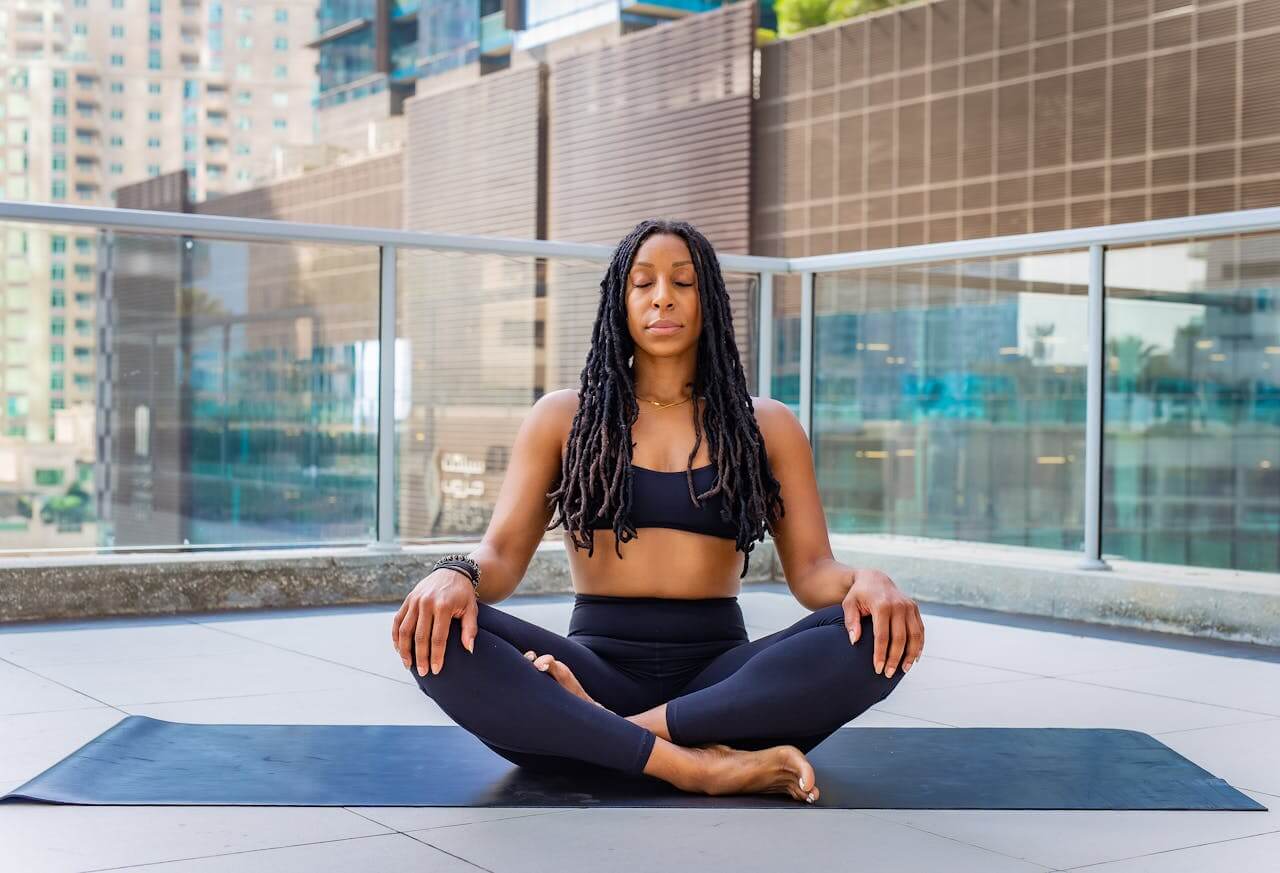
While you can undoubtedly begin independently, many beginners find working with a guide or structured program helpful. At Mindfulness Meditation Hub, we offer:
- Guided meditations
- Breathing techniques
- Mindfulness programs for adults and children
- Tools to build a daily mindfulness habit
These services support your growth, no matter where you are on your mindfulness journey.
Final Thoughts: Start Where You Are
You don’t need fancy cushions, incense, or hours of free time to begin. The wonderful thing about mindfulness is that it is accessible wherever you are, whenever you are—right now.
You may not be willing to accept mindfulness for beginners. Simple habits like deep breathing, mindfulness, and practicing presence can powerfully awaken your mental and emotional state. Begin right now with a single breath.
Related Topics
- A Guided Meditation for Coming Home to Yourself
- A Guided Meditation to Reset and Let Go
- The Top 10 Guided Meditations of 2020
- Try This Self-Guided Meditation Retreat for Rest and Restoration
- A Guided Meditation Script to Help Kids Explore Feelings About Change
- A 12-Minute Meditation to Widen Your Perspective
- A 5-Minute Meditation to Shift From Overwhelm to Opportunity
- A 12-Minute Meditation to Cultivate Gratitude for Small Things
- A Guided Meditation to Set Your Intentions for the New Year
- A 3-Minute Meditation to Calm Your Mind
- This Loving-Kindness Meditation is a Radical Act of Love
- A 12-Minute Meditation for Grief and Loss
- A Meditation on Endings