
Discover how mindfulness for emotions can help you manage stress, enhance emotional awareness, and cultivate inner balance. Learn practical techniques to improve your emotional well-being today.
Overview
Emotions play a significant role in our daily lives, influencing our thoughts, decisions, and relationships. This blog post will guide readers on how to use mindfulness to understand, manage, and cultivate healthy emotional responses. By the end, readers will learn practical mindfulness techniques, understand the benefits of emotional awareness, and explore strategies to maintain emotional balance in challenging situations.
Understanding Mindfulness for Emotions
Mindfulness is the practice of intentionally paying attention to the present moment without judgment. When applied to emotions, mindfulness helps individuals recognize feelings as they arise, allowing for thoughtful responses rather than impulsive reactions.
Practicing mindfulness for emotions involves:
- Observing emotions without labeling them as “good” or “bad.”
- Acknowledging feelings without suppressing them.
- Creating space between the emotional trigger and your reaction.
This practice can drastically improve emotional regulation, reduce stress, and enhance overall mental well-being.

The Importance of Emotional Awareness
Being mindful of your emotions allows you to:
- Understand triggers: Identify situations that provoke strong emotional reactions.
- Improve relationships: Respond thoughtfully rather than reacting impulsively.
- Enhance self-awareness: Gain clarity on your emotional patterns and tendencies.
- Reduce stress: Mindfulness decreases the intensity of negative emotions over time.
Without mindfulness, emotions can dominate behavior, leading to regret, misunderstanding, or unnecessary conflict.
How Mindfulness Affects Emotional Health
Research shows that regular mindfulness practice can:
- Lower levels of anxiety and depression
- Improve resilience during stressful situations
- Promote better decision-making
- Increase empathy and emotional intelligence
When you integrate mindfulness for emotions into your daily life, it fosters a more balanced, calm, and centered approach to challenges.
Practical Mindfulness Techniques for Emotional Awareness
Here are some practical ways to incorporate mindfulness for emotions into daily life:
1. Mindful Breathing
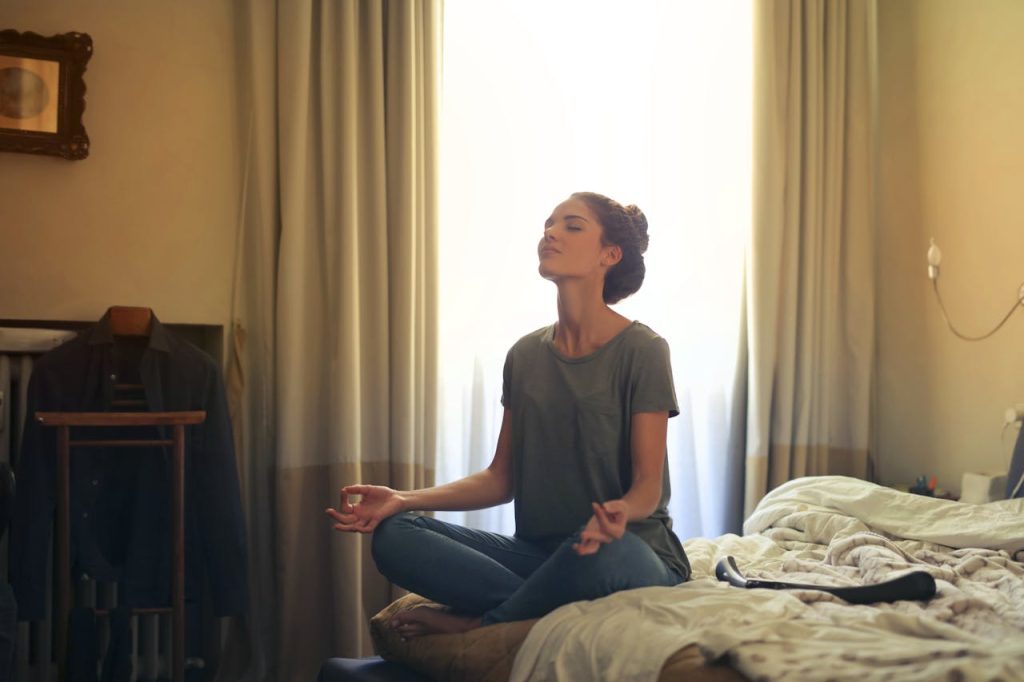
- Sit in a comfortable position and close your eyes.
- Focus on your breath, noticing the inhale and exhale.
- When an emotion arises, observe it without judgment, and return your focus to your breath.
2. Body Scan Meditation
- Lie down or sit comfortably.
- Slowly bring attention to each part of your body, noticing tension or discomfort.
- Connect physical sensations to your emotional state, understanding where emotions manifest in your body.
3. Labeling Emotions
- When you notice an emotion, give it a name: “I feel anxious.” “I feel joyful.”
- Labeling helps create distance between you and the emotion, making it easier to manage.
4. Mindful Journaling
- Write down your emotions and the situations that trigger them.
- Reflect on patterns, and explore how mindfulness techniques can improve your responses.
5. Guided Mindfulness Meditation
- Follow guided meditations specifically designed to help you process emotions.
- Use resources like Mindfulness Meditation Hub’s guided sessions to cultivate emotional awareness and resilience.
Integrating Mindfulness into Daily Life
Practicing mindfulness for emotions doesn’t require hours of meditation. Simple daily routines can make a big difference:
- Take a few minutes each morning to set an intention for emotional balance.
- Pause before reacting to stressful situations, taking three mindful breaths.
- Notice emotional responses while walking, eating, or commuting.
- Practice gratitude to shift focus from negative to positive emotions.
Consistency is key. Over time, these small practices create a noticeable improvement in emotional regulation.
Common Challenges and How to Overcome Them
Many people face obstacles when beginning mindfulness for emotions. Here’s how to address them:
- Difficulty focusing: Start with 3–5 minutes daily and gradually increase the time.
- Feeling overwhelmed by emotions: Use guided meditations or journaling to process feelings safely.
- Impatience with results: Emotional awareness is a skill developed over time. Celebrate small improvements.
Remember, mindfulness is about practice, not perfection.
The Benefits of Mindfulness for Emotions
Incorporating mindfulness into your emotional life provides numerous benefits:
- Reduced stress and anxiety: Mindfulness decreases emotional reactivity.
- Improved emotional intelligence: Better understanding of your feelings enhances relationships.
- Greater resilience: Mindfulness helps cope with challenges calmly and effectively.
- Enhanced self-awareness: Learn patterns, triggers, and habitual responses.
- Better decision-making: Awareness allows for thoughtful choices instead of impulsive reactions.
How Mindfulness Meditation Hub Can Help
At Mindfulness Meditation Hub, we offer a variety of guided sessions and resources to help you practice mindfulness for emotions effectively. Our programs are designed for beginners and experienced meditators, focusing on:
- Guided meditations for emotional balance
- Breathing exercises to calm the mind
- Mindful journaling prompts
- Stress management and emotional awareness strategies
By using our resources, you can cultivate a deeper understanding of your emotions and develop the tools to respond to life’s challenges with clarity and calmness.
Final Thought
Mindfulness for emotions is more than just a meditation practice—it’s a life skill. By observing, acknowledging, and understanding your emotions without judgment, you can transform your emotional experiences, reduce stress, and build stronger relationships.
Integrating mindfulness into daily life, even in small ways, fosters emotional resilience and self-awareness. With consistent practice and the support of resources like Mindfulness Meditation Hub, emotional balance and inner peace are achievable for everyone.