

Learn the true meaning of mindfulness and how it can transform your life. Discover practical tips, benefits, and the science behind mindfulness at Mindfulness Meditation Hub.
Overview: What You Will Learn
In this blog post, you will explore the meaning of mindfulness, its historical and scientific background, the difference between mindfulness and meditation, and how to apply it to your everyday life. You’ll also learn about the many benefits of mindfulness, from stress relief to emotional healing. This post is ideal for beginners and those already on a wellness journey who want clarity and actionable insights into this powerful mental practice.
What is the True Meaning of Mindfulness?
Mindfulness’s meaning goes beyond a simple buzzword—it’s a way of life. At its core, mindfulness is the practice of being fully present in the moment, aware of your thoughts, feelings, bodily sensations, and surrounding environment, without judgment.
The term originates from the ancient Pali word “sati,” which means awareness, attention, and remembering. While mindfulness has roots in Buddhist traditions, it has evolved into a mainstream mental wellness tool embraced by psychologists, therapists, and wellness coaches around the world.
Mindfulness Meaning in Simple Terms:
Being aware of what you’re doing while you’re doing it, without being overly reactive or overwhelmed by what’s going on around you.

The Difference Between Mindfulness and Meditation
Many people confuse mindfulness with meditation, but they are not the same.
Mindfulness:
- Can be practiced anytime, anywhere
- It is a state of awareness
- Involves living in the present moment during daily activities
Meditation:
- It is a formal practice
- Usually done sitting quietly, focusing on breath or body
- Helps cultivate mindfulness
In short, meditation is a tool, and mindfulness is the result. You can be mindful without meditating, and meditation can deepen your ability to be mindful.
Why is Mindfulness Important?
Practicing mindfulness can positively influence every aspect of your life. From reducing stress to improving your relationships and overall mental health, mindfulness is a powerful tool.
Key Benefits of Mindfulness:
- Reduces anxiety and stress
- Improves focus and concentration
- Enhances emotional intelligence
- Boosts immune system health
- Encourages self-compassion and empathy
- Supports better decision-making
These benefits are supported by various clinical studies, making mindfulness more than just a wellness trend—it’s a scientifically backed lifestyle enhancement.
Scientific Insights: What Research Says About Mindfulness
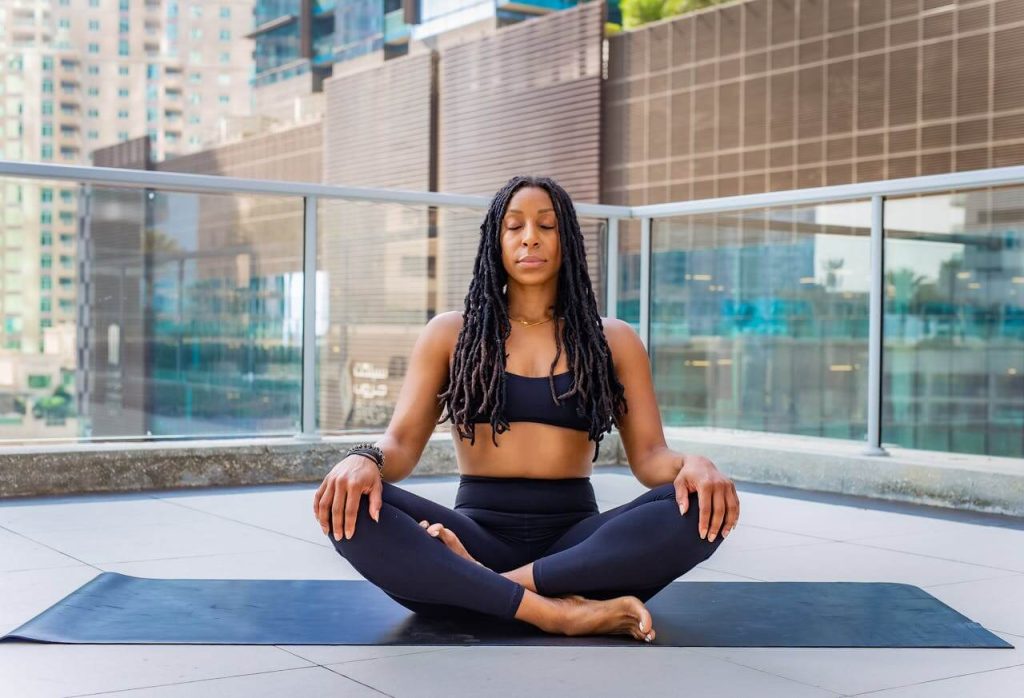
Over the past few decades, mindfulness has been extensively studied by psychologists, neuroscientists, and medical professionals. According to Harvard Medical School, mindfulness improves the function of the brain areas responsible for memory, emotion regulation, and self-awareness.
Brain Benefits:
- Increases gray matter in the hippocampus (linked to learning and memory)
- Reduces activity in the amygdala (linked to fear and stress)
- Strengthens neural connections responsible for empathy and compassion
Mindfulness isn’t just a feel-good activity—it literally rewires the brain.
How to Practice Mindfulness in Daily Life
Simple Techniques to Start Practicing Mindfulness:
- Mindful Breathing
- Take a few minutes to focus solely on your breath.
- Inhale deeply, exhale slowly, and observe without controlling it.
- Body Scan
- Sit or lie down and mentally scan your body from head to toe.
- Notice sensations, tension, or relaxation in each part.
- Mindful Eating
- Eat slowly, savor every bite, and focus on the texture, taste, and smell of food.
- Mindful Walking
- Pay attention to your steps, the feeling of the ground under your feet, and the rhythm of your walk.
- Mindful Listening
- When someone talks to you, fully listen without interrupting or thinking of your response.
Incorporating Mindfulness into Your Routine
Tips for a Mindful Day:
- Start your morning with 5 minutes of mindful breathing.
- Take a mindful walk during lunch.
- Practice gratitude journaling before bedtime.
- Set reminders on your phone to pause and take a mindful breath.
Even a few moments of mindfulness throughout the day can have a profound effect.
The Role of Mindfulness in Emotional Healing
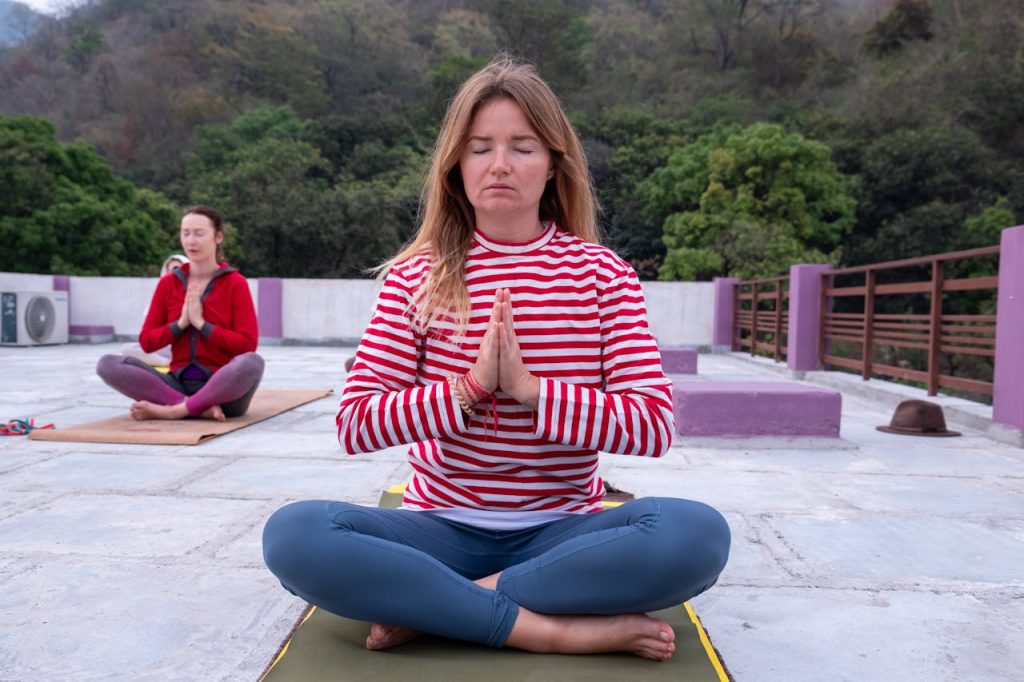
Many people come to mindfulness during a time of emotional distress, trauma, or grief. The practice allows you to sit with your emotions, observe them without judgment, and respond with kindness and clarity.
At Mindfulness Meditation Hub, we understand the importance of mindfulness for emotional healing. That’s why we offer guided meditations, resources, and tools to help you on your journey to inner peace.
How Mindfulness Supports Mental Health
Mindfulness has been shown to support those struggling with:
- Depression
- Anxiety
- PTSD
- Chronic pain
- Addiction recovery
Mindfulness-Based Stress Reduction (MBSR) and Mindfulness-Based Cognitive Therapy (MBCT) are widely used therapeutic approaches that incorporate mindfulness meaningfully into clinical practice.
Why Mindfulness Isn’t Just a Trend
Unlike many wellness fads, mindfulness stands the test of time. It’s accessible to everyone, requires no special tools, and can be practiced anytime, anywhere.
Whether you’re at work, home, or in traffic, you can return to the present moment and find calm amid the chaos.
Why Choose Mindfulness Meditation Hub?
At Mindfulness Meditation Hub, we don’t just talk about mindfulness—we live it. Our services are designed to help you:
- Understand mindfulness meaning
- Learn how to apply mindfulness daily
- Access high-quality guided meditations
- Get expert tips to cultivate lifelong awareness
We offer everything you need to begin and sustain your mindfulness journey.
Final Thoughts
Understanding the true meaning of mindfulness is the first step in transforming your life. It’s not about escaping reality—it’s about engaging with it more fully. Whether you’re looking to reduce stress, improve mental clarity, or heal emotionally, mindfulness is a proven, powerful practice.
With the support of Mindfulness Meditation Hub, you’re never alone on this path. Start small, stay consistent, and embrace each moment with intention.