
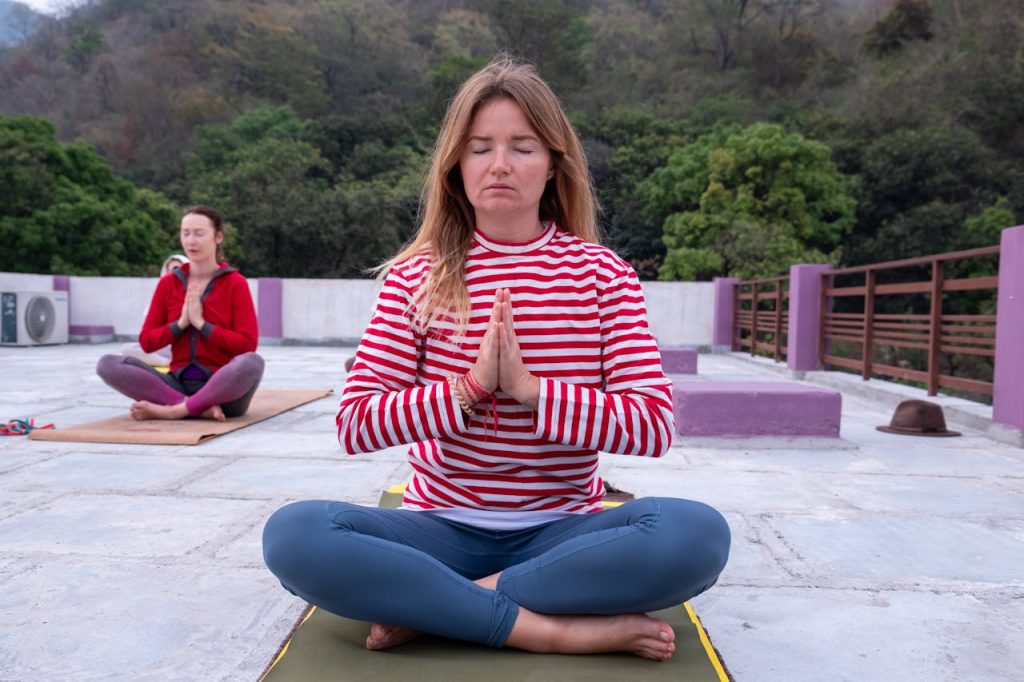
Discover the power of mindfulness meditation and how it can reduce stress, improve focus, and boost emotional well-being. Learn techniques and benefits from the experts at Mindfulness Meditation Hub.
Overview: What You Will Learn
In this blog post, you’ll discover the science-backed benefits of mindfulness meditation, learn how to practice it step-by-step, and understand why it’s essential for mental clarity and emotional resilience. Whether you’re new to mindfulness or looking to deepen your practice, this guide will walk you through:
- What mindfulness meditation is
- How it works on the brain and body
- Step-by-step instructions to get started
- Common challenges and how to overcome them
- The long-term benefits of a consistent practice
Let’s dive into the world of calm, awareness, and transformation.
What Is Mindfulness Meditation?
Mindfulness meditation is a mental practice that involves focusing your awareness on the present moment, acknowledging your thoughts, emotions, and bodily sensations without judgment. Rooted in ancient Buddhist traditions, it has gained widespread popularity in the West due to its powerful mental health benefits.
At Mindfulness Meditation Hub, we define mindfulness meditation as the intentional act of observing your moment-to-moment experience with compassion and clarity.
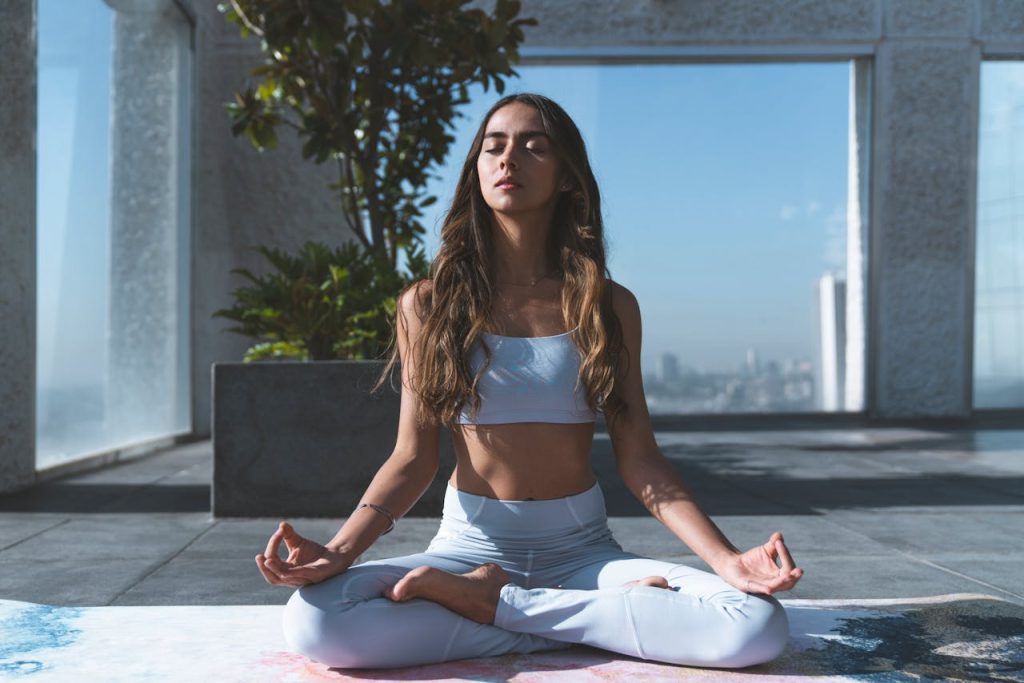
The Science Behind Mindfulness Meditation
Extensive research has shown that mindfulness meditation creates positive changes in brain structure and function. Some scientifically proven benefits include:
- Reduced activation in the amygdala (stress response center)
- Increased gray matter in the prefrontal cortex (responsible for decision-making and emotional regulation)
- Improved connectivity in default mode networks (linked to self-awareness)
Clinical Studies Support the Practice
- A Harvard study showed participants who meditated for 8 weeks had measurable increases in brain regions associated with memory, empathy, and stress regulation.
- Another 2018 meta-analysis found that mindfulness meditation significantly reduced anxiety and depression symptoms across over 142 clinical trials.
How to Practice Mindfulness Meditation
Here’s a simple beginner-friendly guide to starting your mindfulness meditation practice.
Step 1: Find a Quiet Space
Choose a comfortable, quiet environment where you won’t be disturbed for at least 5–10 minutes.
Step 2: Sit Comfortably
Sit in a relaxed but upright position—either on a chair or cushion. Keep your spine straight.
Step 3: Focus on Your Breath
Gently close your eyes and bring your attention to your breath. Feel the inhale and exhale without controlling them.
Step 4: Acknowledge Distractions
Thoughts will arise—that’s normal. Instead of judging them, gently return your attention to the breath.
Step 5: End with Gratitude
After your session, take a moment to feel gratitude for showing up and taking care of your mental well-being.
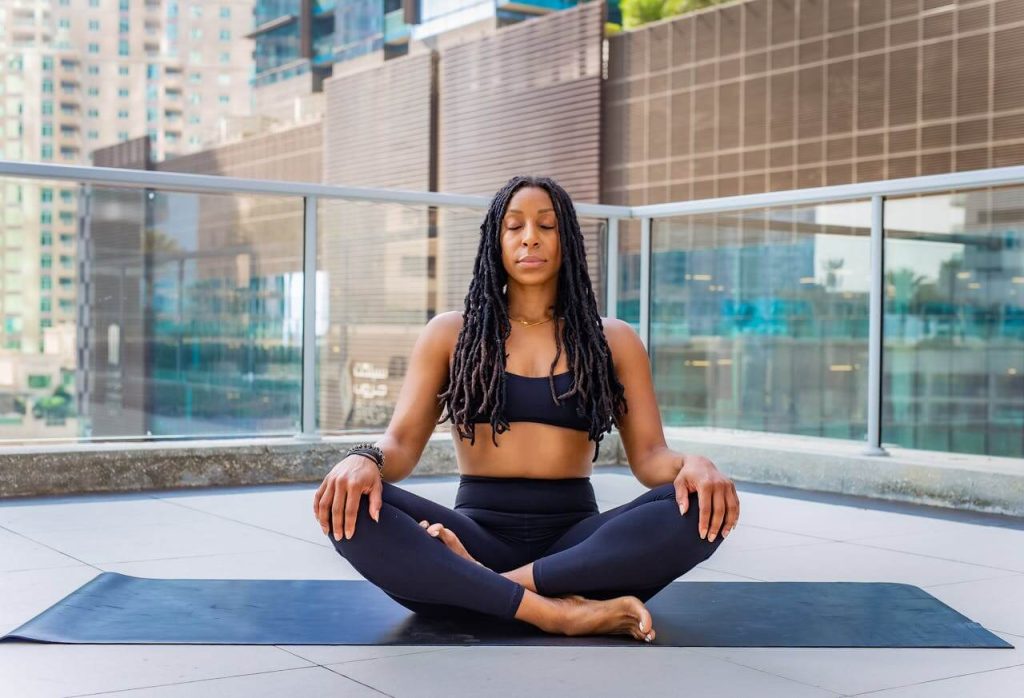
Tips to Build a Mindfulness Meditation Habit
- Start small: Begin with just 5 minutes a day.
- Be consistent: Set a daily reminder.
- Use guided meditations: Visit Mindfulness Meditation Hub for free guided sessions.
- Journal your experience: Reflecting on your sessions can deepen your understanding.
- Join a community: Practicing with others increases accountability and motivation.
Benefits of Mindfulness Meditation
Practicing mindfulness meditation regularly can bring transformative benefits to your daily life.
Mental Health Benefits
- Reduces symptoms of anxiety, depression, and PTSD
- Improves emotional regulation and resilience
- Increases self-awareness and compassion
Physical Health Benefits
Cognitive Benefits
- Boosts focus and concentration
- Improves memory and decision-making
- Reduces rumination and mental fatigue
Common Myths About Mindfulness Meditation
Let’s debunk some popular misconceptions:
- “I have to empty my mind.”
- Not true! Mindfulness is about observing your thoughts, not eliminating them.
- “I need hours to meditate.”
- Even 5–10 minutes of mindfulness meditation can be effective.
- “It’s only for spiritual people.”
- Mindfulness is secular and beneficial for everyone, regardless of beliefs.
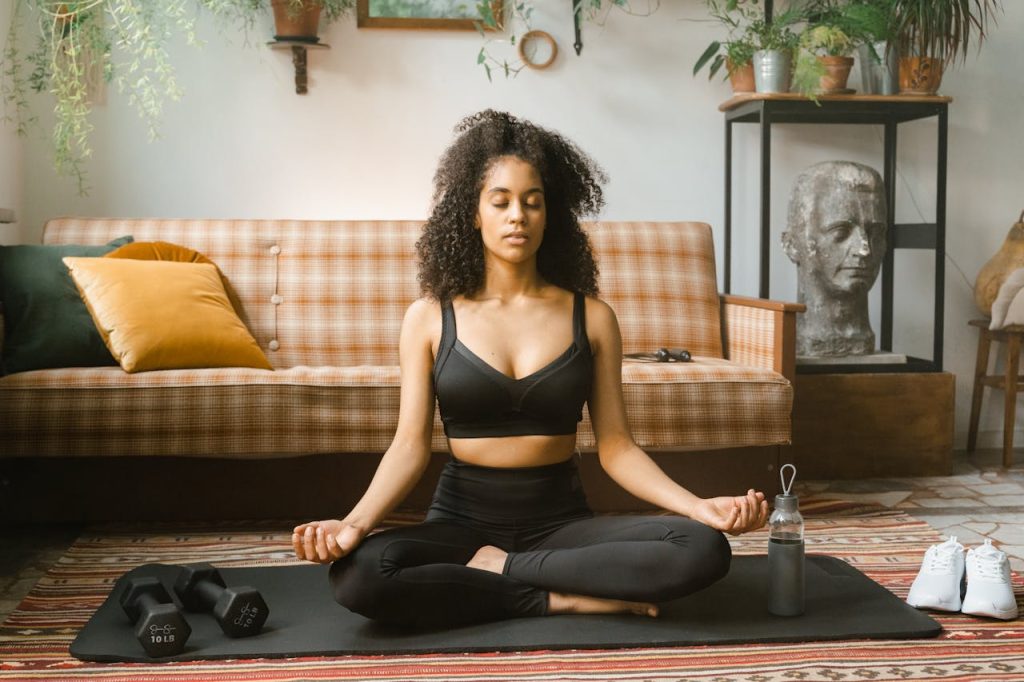
Common Challenges—and How to Overcome Them
“My mind won’t stop wandering.”
Solution: That’s completely normal. Every time you notice it, gently bring your focus back. This act is the practice itself.
“I don’t have time.”
Solution: Use micro-moments. Practice mindfulness during tasks like brushing your teeth or waiting in line.
“I’m not doing it right.”
Solution: There’s no perfect way. Consistency matters more than perfection.
Why Choose Mindfulness Meditation Hub?
At Mindfulness Meditation Hub, we’re passionate about helping you build a sustainable and personalized practice. Here’s what sets us apart:
- Professionally guided sessions for all levels
- Evidence-based techniques
- Accessible tools via our website and YouTube
- A supportive community to keep you motivated
- Resources that evolve with your progress
Whether you’re seeking stress relief, inner peace, or personal growth, we’re here to support your journey.
Final Thoughts
It is not just a wellness trend—it’s a life-changing practice with proven benefits for your mind, body, and soul. As you integrate mindfulness into your daily routine, you’ll discover a more peaceful, focused, and emotionally balanced version of yourself.
Start today by exploring our free guided meditations at Mindfulness Meditation Hub. Let this be the first step toward a calmer and more conscious life.