
Mindfulness Meditation FAQ
Note to Our Visitors
Explore our comprehensive Mindfulness Meditation FAQ to learn about the power of meditation, its benefits, and how it can improve mental clarity, reduce stress, and enhance overall well-being.
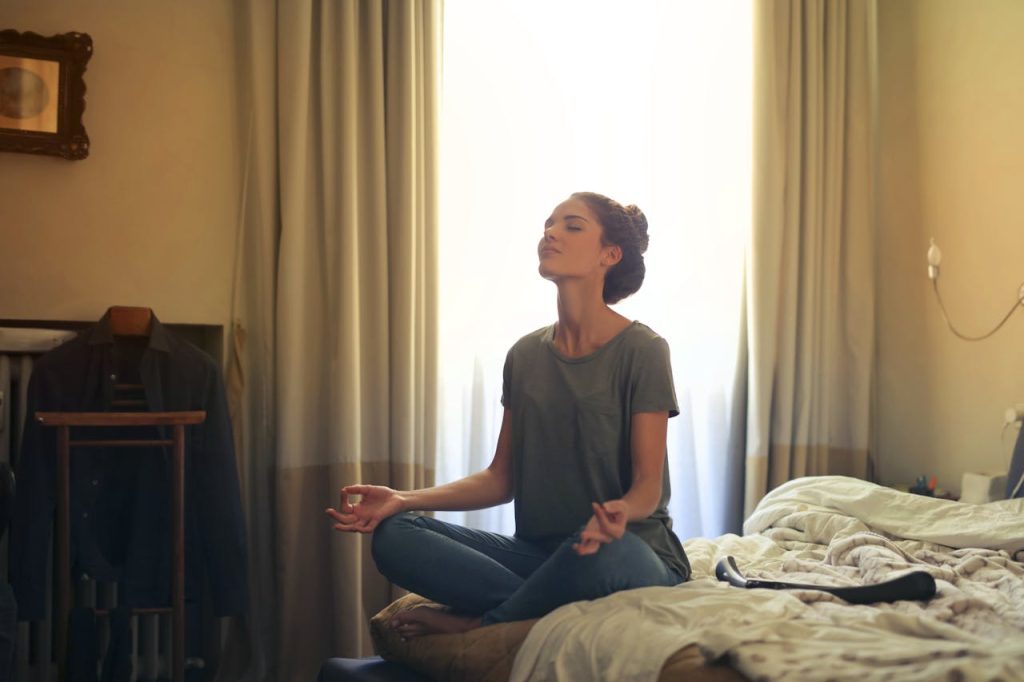
Mindfulness Meditation FAQs
Everything You Need to Know About the Mindfulness Meditation
Mindfulness meditation is a mental training practice focusing on the present moment while calmly acknowledging and accepting your feelings, thoughts, and bodily sensations. The goal is cultivating awareness without judgment, helping you achieve mental clarity and emotional balance.
Key Benefits:
- Reduces stress and anxiety
- Enhances emotional well-being
- Improves focus and concentration
- Promotes a sense of calm and relaxation
Mindfulness meditation trains the brain to be more aware of the present moment. By practicing regularly, you can learn to observe your thoughts and emotions without reacting to them impulsively. Over time, this leads to improved mental health, emotional stability, and stress reduction.
Steps to Practice:
- Find a quiet, comfortable place.
- Focus on your breath and clear your mind.
- Gently bring your attention back to your breath if your mind wanders.
Mindfulness meditation offers numerous benefits, both for the mind and body. Here’s a breakdown of some of the most significant advantages:
- Stress Reduction: Mindfulness helps to reduce stress levels by encouraging relaxation.
- Enhanced Focus: Regular practice improves concentration and cognitive function.
- Better Emotional Regulation: It enables you to manage emotions more effectively and increases self-awareness.
- Improved Sleep: Reduces anxiety and promotes a peaceful state of mind, leading to better sleep quality.
Yes! Mindfulness meditation has been proven to reduce symptoms of anxiety and depression significantly. By focusing on the present moment, you can break the cycle of negative thinking and emotional distress that often exacerbates these conditions.
The time you spend meditating depends on your preference and schedule. However, beginners often start with 5-10 minutes a day, gradually increasing to 20-30 minutes as they become more comfortable. Even a short meditation session can provide noticeable benefits.
Yes, mindfulness can be practiced during any activity. For example, you can practice mindfulness while eating, walking, or washing dishes. The key is to remain present and focused on the task without getting distracted.
Absolutely! Mindfulness meditation is an excellent choice for beginners. You don’t need special skills or equipment—just a quiet space and the willingness to focus your attention. Many people start with guided sessions to help them get the hang of it.
Staying focused during meditation can be challenging, especially for beginners. However, over time, you will become more accustomed to the practice. Here are a few tips to improve your focus:
- Use a guided meditation app or video.
- Focus on your breathing.
- Start with short sessions and gradually increase the duration.
It’s entirely normal for your mind to wander during meditation. When this happens, gently acknowledge the thought and return your attention to your breath or focal point. The more you practice, the easier it becomes to return to the present moment.
You can integrate mindfulness into daily life by practicing it during routine activities. Here are some easy ways to incorporate mindfulness into your day:
- Practice mindful breathing during stressful moments.
- Pay attention to the present moment while eating.
- Take mindful walks outside to connect with nature.
Yes, mindfulness meditation can improve sleep by reducing anxiety and promoting a relaxed mind. Studies show mindfulness enhances sleep quality, helping you fall asleep faster and enjoy more restful nights.
Guided mindfulness meditation sessions are led by an experienced instructor who walks you through the meditation process. They are great for beginners who need help staying focused or prefer step-by-step guidance.
While mindfulness meditation can benefit emotional well-being, it is not meant to replace therapy. If you are dealing with severe emotional or psychological issues, consider seeking professional help in addition to practicing mindfulness.
Meditation involves focusing one’s mind, often to achieve specific mental states. Mindfulness is the ability to maintain awareness in the present moment. Mindfulness can be practiced both during meditation and throughout daily life.
Meditating is not a “right” or “wrong” way, as meditation is a personal experience. The key is to remain present and non-judgmental. Over time, you will notice subtle improvements in your mental and emotional state, signaling that you’re on the right track.
Mindfulness meditation has been shown to help with chronic pain management. By focusing on the present moment and observing pain sensations without reacting emotionally, individuals can reduce the intensity and perception of pain.
Yes, there are numerous apps available that provide guided mindfulness meditation sessions. Some popular ones include:
- Headspace
- Calm
- Insight Timer
These apps offer meditation tracks for all experience levels, helping you meditate anywhere, anytime.
Yes, mindfulness meditation has been linked to increased creativity. Reducing mental clutter and improving focus allows the mind to tap into more profound, creative thoughts.
Finding a quiet place is essential for mindfulness meditation. Look for a calm, serene environment in your home, such as a bedroom, living room, or garden. If noise is unavoidable, use earplugs or listen to calming sounds to enhance focus.
Getting started is easy! You don’t need any special equipment. Here’s how to begin:
- Choose a quiet space.
- Start with short sessions (5-10 minutes).
- Focus on your breath and gently bring your mind back when it wanders.
- Consider using a guided meditation app.
- Home
- Getting Started with Meditation
- Explore Powerful Meditation Methods
- A Beginner’s Guide to Inner Peace
- Why Meditation Can Transform Your Life
- Mindfulness & Meditation Resources
- 10-Minute Anxiety Meditation You Need in Your Daily Routine
Retreats
Top 5 Meditation Sites You Need to Know for Inner Peace and Focus
🧘♂️ 1. Headspace
Website: www.headspace.com
- One of the most popular platforms for guided meditation and mindfulness.
- Offers structured programs for stress, sleep, focus, and anxiety.
- Includes a user-friendly app with animations and expert tips.
🧘♀️ 2. Calm
Website: www.calm.com
- Known for its soothing interface and soundscapes.
- It offers sleep stories, breathing exercises, and meditation tracks.
- Ideal for both beginners and advanced users.
🧘 3. Insight Timer
Website: www.insighttimer.com
- It offers the world's most extensive free library of guided meditations.
- It features thousands of teachers, live sessions, and music for mindfulness.
- Great for variety and exploring different meditation styles.
🧘♂️ 4. The Chopra Center
Website: www.chopra.com
- Founded by Deepak Chopra, this site blends meditation with Ayurvedic wellness.
- Offers guided sessions, spiritual growth content, and wellness courses.
- Well-respected in both scientific and spiritual wellness circles.
🧘♀️ 5. UCLA Mindful Awareness Research Center
Website: www.uclahealth.org/marc
- A research-based meditation resource from UCLA.
- Offers free guided meditations and mindfulness classes.
- It is backed by neuroscience and is ideal for users looking for evidence-based mindfulness.