
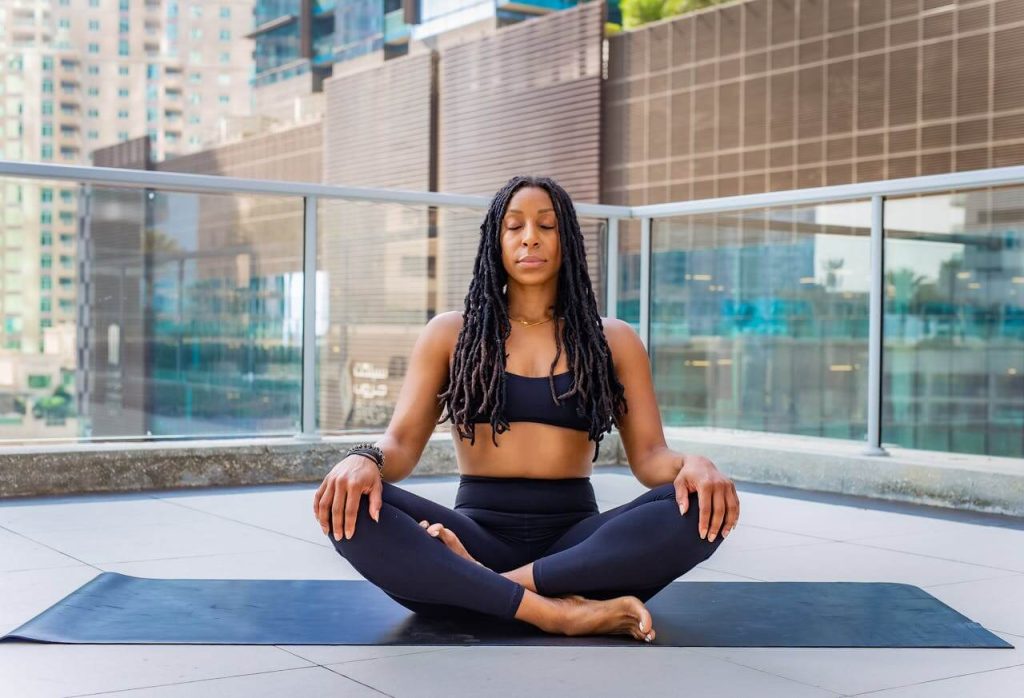
Discover how mindfulness overthinking techniques can reduce stress, calm your mind, and improve mental clarity. Learn practical tips to break free from overthinking today.
Overview
Overthinking can feel like a constant mental trap, leaving you anxious, stressed, and unable to focus on the present. In this blog, you will learn how mindfulness and overthinking techniques can help you break this cycle. We’ll explore practical strategies, step-by-step exercises, and lifestyle tips to cultivate a calmer, more focused mind. By the end of this guide, you will have actionable tools to reduce stress, improve clarity, and live more fully in the present moment.
What is overthinking?
Overthinking occurs when your mind continuously dwells on the same thoughts, worries, or scenarios, often in a repetitive and unproductive way. Common signs of overthinking include:
- Constantly replaying past events
- Worrying excessively about future outcomes
- Difficulty making decisions
- Feeling mentally exhausted
- Struggling to sleep due to racing thoughts
Overthinking doesn’t just impact mental health; it can also affect physical health by increasing stress hormones, disrupting sleep, and weakening the immune system.

What is Mindfulness?
Mindfulness is the practice of being fully present in the moment, without judgment or distraction. It involves paying attention to your thoughts, emotions, and surroundings with gentle awareness. Unlike overthinking, which traps you in a loop of worry, mindfulness encourages observation, acceptance, and clarity.
Practicing mindfulness can help you:
- Reduce stress and anxiety
- Improve focus and concentration
- Enhance emotional resilience
- Foster self-compassion
By combining mindfulness with overthinking awareness, you can train your mind to notice unproductive thought patterns and gently redirect your focus to the present moment.
How Mindfulness Helps Overthinking
Mindfulness overthinking techniques work because they interrupt the cycle of rumination and create a space for calm awareness. Here’s how mindfulness can specifically target overthinking:
- Awareness of Thoughts – Mindfulness teaches you to notice your thoughts without judgment. You start recognizing when you are overthinking before it spirals out of control.
- Redirection of Focus—Instead of being consumed by worries, mindfulness guides your attention to the present, whether it’s your breath, body sensations, or surrounding environment.
- Emotional Regulation – Overthinking often fuels anxiety and stress. Mindfulness encourages acceptance of emotions, which reduces their intensity and impact.
- Breaking the Habit Loop – Regular mindfulness practice rewires the brain to respond differently to triggers, preventing repetitive thought cycles from taking over.
Practical Mindfulness Overthinking Techniques
Here are actionable techniques you can use daily to reduce overthinking and cultivate mindfulness:
1. Mindful Breathing
Focus on your breath to anchor your mind. Follow these steps:
- Sit comfortably and close your eyes.
- Take slow, deep breaths in through your nose and out through your mouth.
- Notice the sensation of your breath entering and leaving your body.
- If your mind wanders, gently return your attention to your breathing.
Even 5-10 minutes of mindful breathing daily can significantly reduce overthinking.
2. Label Your Thoughts
This technique helps you separate yourself from your thoughts:
- When a thought arises, silently label it: “thinking,” “worrying,” or “planning.”
- Recognize it as just a thought, not a fact or action.
- Allow it to pass without engaging further.
Labeling thoughts increases awareness and reduces the intensity of overthinking.
3. Mindful Journaling
Writing your thoughts down can provide perspective:
- Spend 10-15 minutes daily noting what’s on your mind.
- Focus on observing thoughts rather than analyzing or judging them.
- Highlight recurring patterns to identify triggers.
Mindful journaling externalizes your thoughts, which helps reduce mental clutter.
4. Grounding Exercises
Grounding keeps you in the present:
- Notice five things you can see, four you can touch, three you can hear, two you can smell, and one you can taste.
- Practice this exercise whenever your mind starts racing.
This method helps break cycles of overthinking by redirecting attention to sensory experiences.
5. Body Scan Meditation
A body scan relaxes both mind and body:
- Lie down comfortably and close your eyes.
- Slowly bring attention to each part of your body, starting from your toes to your head.
- Notice any tension, discomfort, or sensations without judgment.
This exercise increases self-awareness and helps release stress stored in the body.
6. Mindful Walking
Turn your daily walks into mindful practice:
- Walk slowly and notice each step.
- Feel the ground beneath your feet and the movement of your legs.
- Observe sounds, smells, and sights around you.
Mindful walking integrates mindfulness into everyday activity, making it easier to manage overthinking throughout the day.

Lifestyle Tips to Support Mindfulness and Overthinking Practices
Alongside meditation and mindfulness exercises, lifestyle changes can reduce overthinking:
- Limit information overload—reduce excessive social media or news consumption.
- Practice gratitude—Focus on positive aspects of your life to counter negative thought spirals.
- Engage in creative activities—Drawing, painting, or music can redirect mental energy.
- Maintain a healthy routine—Sleep, diet, and exercise influence mental clarity.
- Seek support—Discuss worries with a therapist or trusted friend.
Common Mistakes to Avoid
When practicing mindfulness for overthinking, avoid these common mistakes:
- Expecting instant results – Mindfulness is a skill that develops over time.
- Judging your thoughts—Accept all thoughts without criticism.
- Practicing inconsistently – Daily practice yields the best results.
- Overcomplicating techniques—Start simple with breath awareness or short meditations.
The Benefits of Mindfulness Over Overthinking
Practicing mindfulness to manage overthinking has numerous benefits:
- Reduced anxiety and stress – Mindfulness calms the nervous system and prevents rumination.
- Improved focus and productivity – Clearing mental clutter allows you to concentrate better.
- Better emotional regulation—Respond to challenges instead of reacting impulsively.
- Enhanced overall well-being – Mindfulness fosters self-awareness and satisfaction in daily life.
How Mindfulness Meditation Hub Can Help
At Mindfulness Meditation Hub, we provide guided meditations, tutorials, and resources designed specifically to address mindfulness overthinking. Our services include:
- Guided meditations for stress relief and mental clarity
- Mindfulness exercises for beginners and advanced practitioners
- Supportive articles and resources for cultivating mindful habits
- Community support to help you stay consistent
With our step-by-step guidance, you can integrate mindfulness into your daily routine and effectively manage overthinking.
Final Thoughts
Overthinking doesn’t have to control your life. By incorporating mindfulness techniques into your daily routine, you can calm your mind, increase clarity, and regain control over your thoughts. From mindful breathing to journaling and walking meditation, the tools to reduce overthinking are accessible and effective.
Remember, the key is consistent practice and gentle self-awareness. Over time, mindfulness and overthinking techniques will help you break the cycle of rumination and live more fully in the present moment.