
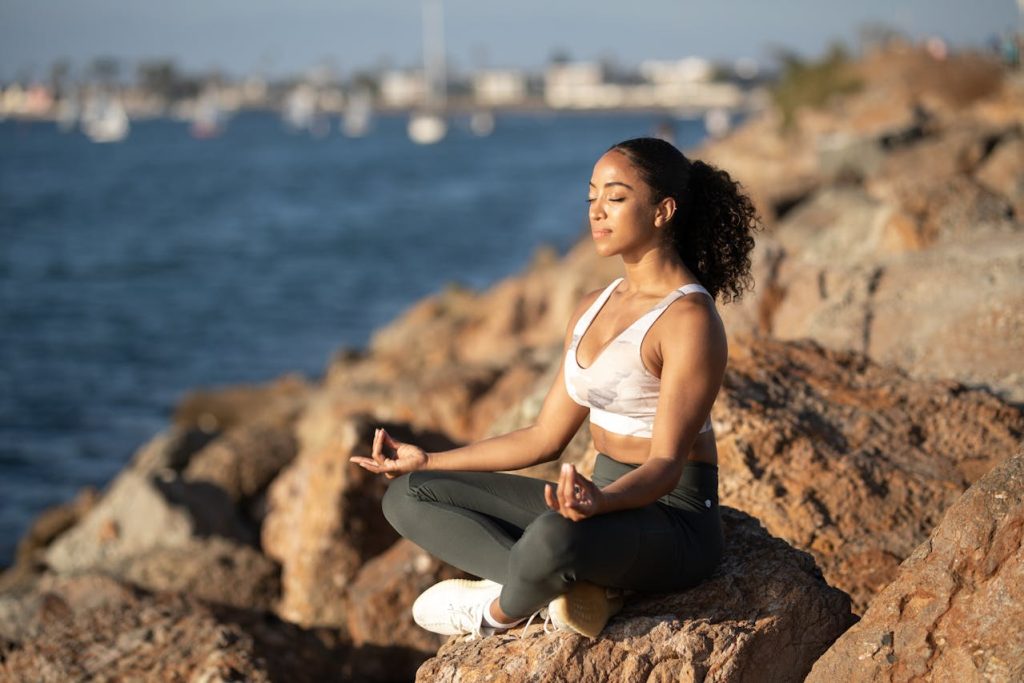
Discover effective mindfulness techniques to reduce stress, improve focus, and enhance well-being. Learn step-by-step practices you can apply daily for lasting results.
Overview
In this blog post, you’ll learn about practical mindfulness techniques that can help you reduce stress, increase focus, and achieve emotional balance. We’ll cover the basics of mindfulness and why it matters in today’s fast-paced world and provide a detailed guide to different techniques you can practice at home, at work, or anywhere in between. By the end of this article, you’ll have actionable steps to start your mindfulness journey and experience real transformation in your daily life.
What is Mindfulness?
Mindfulness is the practice of bringing your attention fully to the present moment. Instead of dwelling on the past or worrying about the future, mindfulness trains you to observe your thoughts, feelings, and surroundings with acceptance and without judgment.
Practicing mindfulness techniques regularly can:
- Reduce stress and anxiety
- Improve concentration and productivity
- Enhance emotional regulation
- Promote better sleep
- Strengthen overall well-being
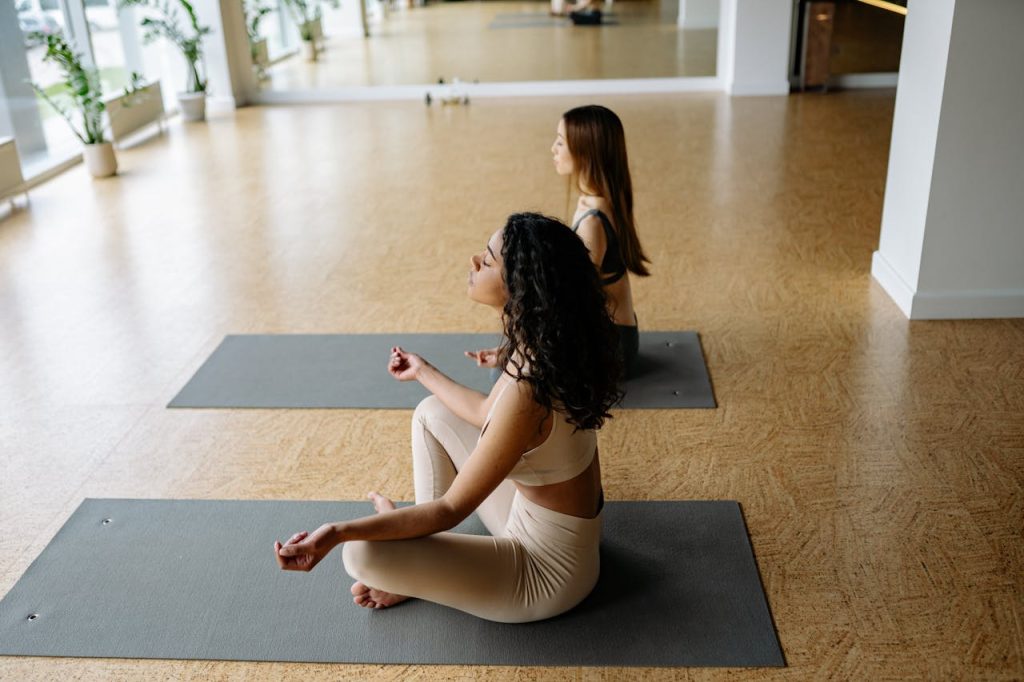
Why Mindfulness Is Essential Today
In today’s fast-paced, digital-driven world, our minds are often overstimulated. Constant notifications, work pressures, and personal responsibilities can leave us overwhelmed. Mindfulness offers a way to pause, reset, and ground yourself in the moment.
By using simple mindfulness techniques daily, you can:
- Create mental clarity for better decision-making
- Build resilience against stress
- Improve relationships by being more present
- Develop greater self-awareness
Effective Mindfulness Techniques You Can Start Today
1. Mindful Breathing
Breathing is the foundation of most mindfulness techniques. By focusing on your breath, you anchor your mind in the present.
How to Practice:
- Sit in a comfortable position.
- Close your eyes and take slow, deep breaths.
- Notice the sensation of air entering and leaving your body.
- If your mind wanders, gently bring it back to your breath.
This practice is powerful for calming anxiety and resetting your nervous system.
2. Body Scan Meditation
This technique helps you connect with your body and release hidden tension.
Steps to Try:
- Lie down or sit comfortably.
- Slowly shift your attention from head to toe.
- Notice any sensations, tension, or discomfort.
- Breathe deeply into each area before moving to the next.
A body scan is excellent for relaxation, especially before sleep.
3. Mindful Walking
Mindfulness doesn’t have to be limited to sitting still. Walking with awareness is a refreshing way to practice.
How to Practice:
- Walk slowly and deliberately.
- Focus on the sensation of your feet touching the ground.
- Notice your surroundings—the colors, sounds, and smells.
- Avoid distractions like phones or conversations.
This mindfulness technique is perfect for breaks during work or after long hours indoors.
4. Gratitude Journaling
Mindfulness is not only about awareness but also about appreciation. Gratitude journaling helps shift your focus to the positive aspects of life.
Steps:
- Each day, write down 3–5 things you are grateful for.
- Reflect on why they matter to you.
- Practice gratitude consistently to cultivate a positive mindset.
Over time, this strengthens emotional resilience and happiness.
5. Loving-Kindness Meditation
Also called Metta meditation, this technique focuses on compassion and emotional connection.
How to Practice:
- Sit comfortably and breathe deeply.
- Repeat phrases like
- “May I be happy. May I be healthy. May I live with ease.”
- Extend these wishes to loved ones, strangers, and even people you find challenging.
This practice improves empathy, reduces anger, and nurtures inner peace.
6. Mindful Eating
Food is often consumed in a rush, but eating can be turned into a mindfulness practice.
Steps to Try:
- Eat slowly and chew thoroughly.
- Notice the texture, flavor, and aroma of each bite.
- Put away distractions like phones or TV.
- Appreciate where your food came from.
Mindful eating not only enhances digestion but also prevents overeating.
7. Five Senses Practice
A quick way to ground yourself in stressful moments is the “Five Senses” technique.
How It Works:
- Acknowledge 5 things you can see.
- Notice 4 things you can touch.
- Pay attention to 3 things you can hear.
- Focus on 2 things you can smell.
- Identify 1 thing you can taste.
This quick exercise is perfect for reducing anxiety on the spot.
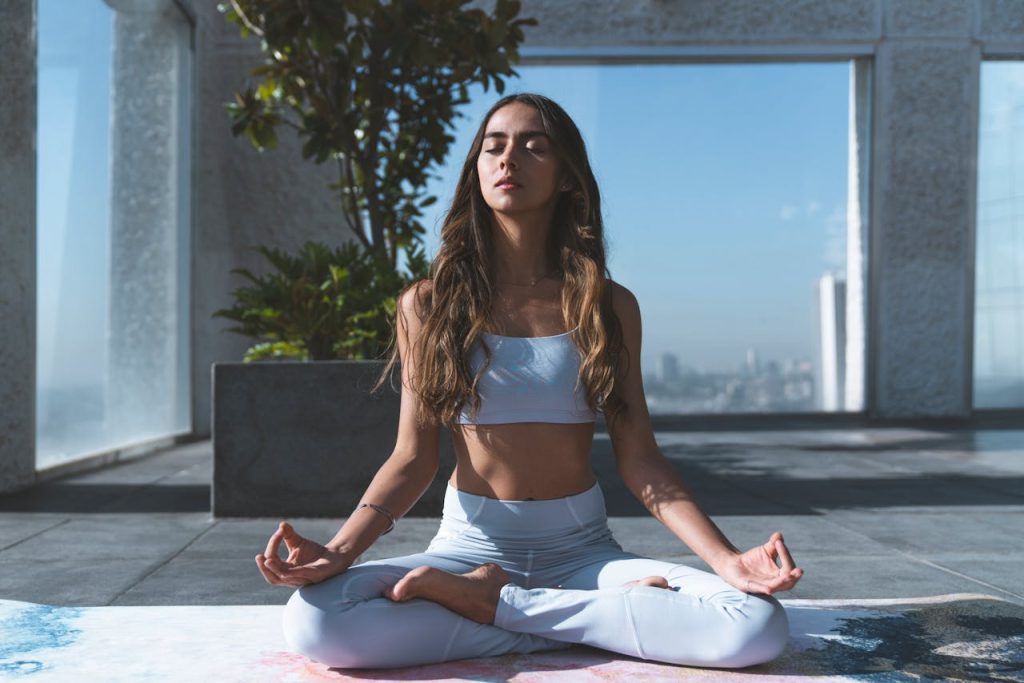
How to Incorporate Mindfulness Techniques into Daily Life
While each of these techniques is powerful, consistency is key. Here are some practical ways to include them in your routine:
- Start your morning with 5 minutes of mindful breathing.
- Use mindful walking during lunch breaks.
- Practice gratitude journaling before bed.
- Set reminders on your phone to pause and breathe.
- Join a guided meditation session for accountability.
The Benefits of Practicing Mindfulness Techniques Regularly
When mindfulness becomes part of your lifestyle, the results are transformative:
- Mental Benefits: Improved focus, memory, and clarity.
- Emotional Benefits: Reduced anxiety, better mood, and emotional balance.
- Physical Benefits: Lower blood pressure, better sleep, and reduced stress-related symptoms.
- Spiritual Benefits: Greater self-awareness and connection to the present moment.
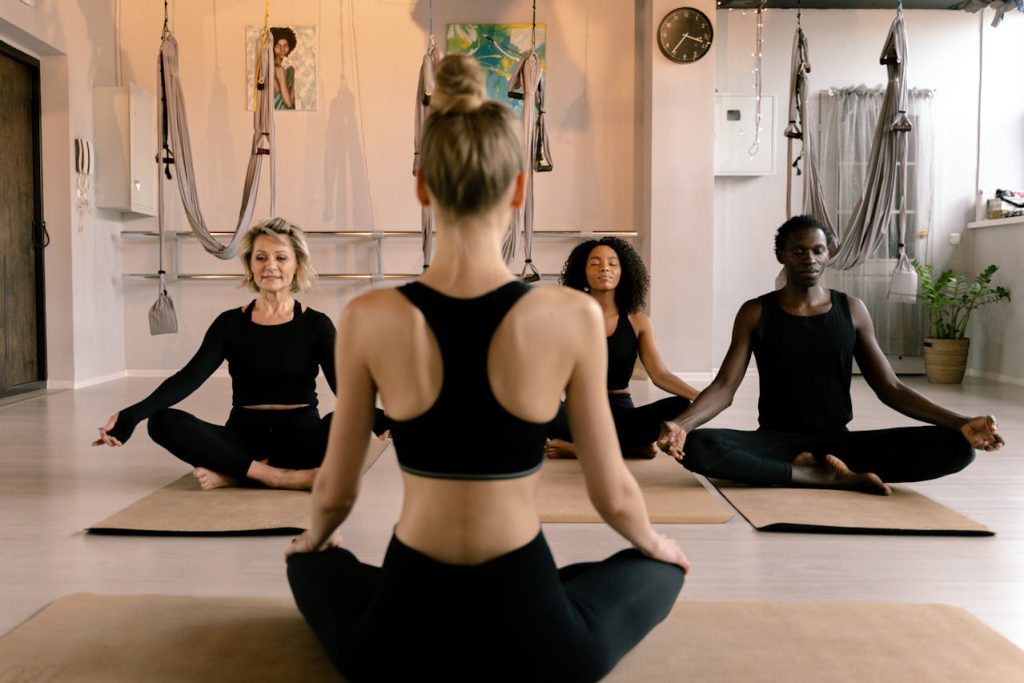
Why Choose Mindfulness Meditation Hub?
At Mindfulness Meditation Hub, we provide guided sessions, resources, and personalized practices to help you master these mindfulness techniques. Whether you’re a beginner or experienced practitioner, our goal is to support your journey toward calm, clarity, and well-being.
By joining us, you’ll gain:
- Access to guided meditations and workshops
- Step-by-step resources for beginners
- Techniques tailored for stress relief and personal growth
- A supportive community for your mindfulness practice
Final Thought
Mindfulness is not just a practice—it’s a lifestyle that transforms how you experience life. By consistently applying mindfulness techniques like mindful breathing, body scan meditation, gratitude journaling, and loving-kindness meditation, you can reduce stress, improve focus, and cultivate inner peace.
Start small, stay consistent, and allow mindfulness to create positive, lasting changes in your life.