

Discover the power of mirror watching for mindfulness, self-reflection, and emotional healing. Learn its benefits, techniques, and how it can transform your mental well-being.
Overview
This blog post explores mirror watching as a unique mindfulness and self-reflection practice. Readers will learn what mirror watching is, how it connects to meditation and self-acceptance, and step-by-step techniques for practicing it effectively. We’ll cover its benefits for emotional balance, stress reduction, and personal growth. By the end, you’ll know precisely how to begin mirror watching at home or with professional guidance for a more profound transformation.
What Is Mirror Watching?
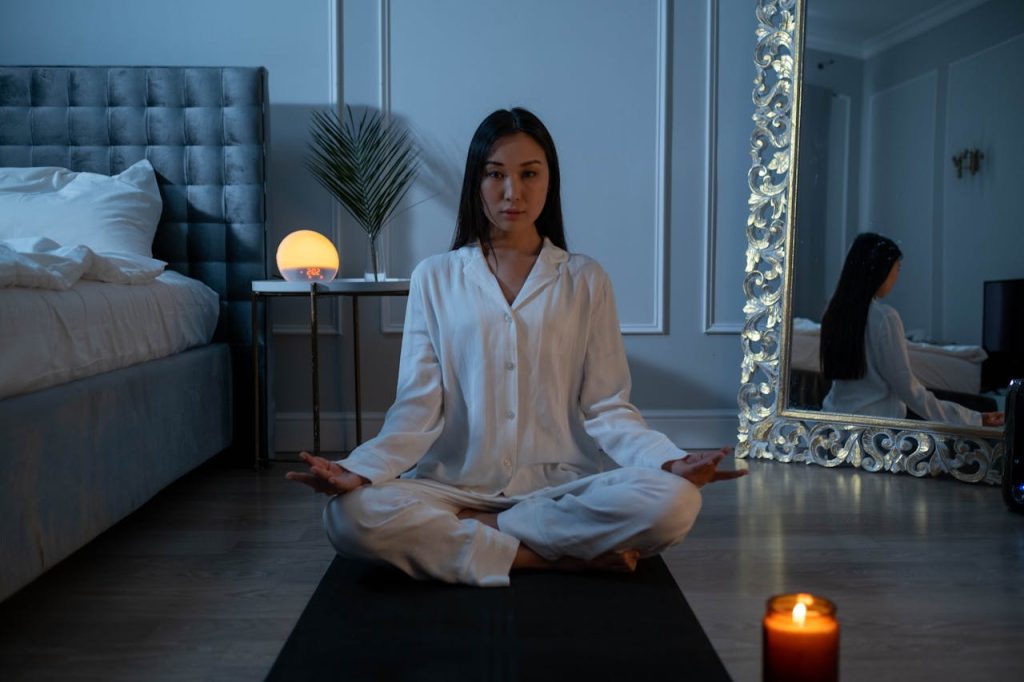
Mirror watching is a mindfulness practice where you intentionally look at your reflection to connect with yourself on a deeper level. Instead of just noticing how you look, you use the mirror as a tool for meditation, self-compassion, and inner peace.
Unlike a glance in the mirror while rushing to work, mirror watching invites you to slow down and observe your thoughts, emotions, and body language without judgment. Many people compare it to meditation, except your focus point is your own reflection.
Why Mirror Watching Matters
In today’s fast-paced world, we rarely take time to see ourselves honestly. Mirror watching creates space for:
- Emotional awareness – noticing how you feel in the present moment
- Self-acceptance – observing yourself without criticism
- Mind-body connection – becoming aware of posture, facial expressions, and energy
- Inner peace – calming the mind by focusing on the here and now
By practicing mirror watching regularly, individuals can experience a greater sense of clarity, presence, and inner confidence.
The Benefits of Mirror Watching
Mirror watching offers profound benefits for both mental and emotional well-being. Some of the most common include:
1. Stress Reduction
Just like traditional meditation, mirror watching encourages you to pause and breathe. As you gaze into your reflection, your nervous system begins to relax, lowering stress levels.
2. Improved Self-Esteem
Many people struggle with self-image. Mirror watching helps break negative self-talk patterns by creating space for acceptance and compassion toward oneself.
3. Emotional Healing
Unresolved emotions often show up in the face or body language. Looking into the mirror while breathing deeply allows suppressed emotions to rise, offering a chance for healing.
4. Enhanced Mindfulness
Mirror watching sharpens your awareness by helping you stay in the present moment. Instead of drifting into the past or future, you learn to stay grounded.
5. Better Relationships
When you practice self-compassion through mirror watching, it becomes easier to extend that same kindness and patience to others.
How to Practice Mirror Watching
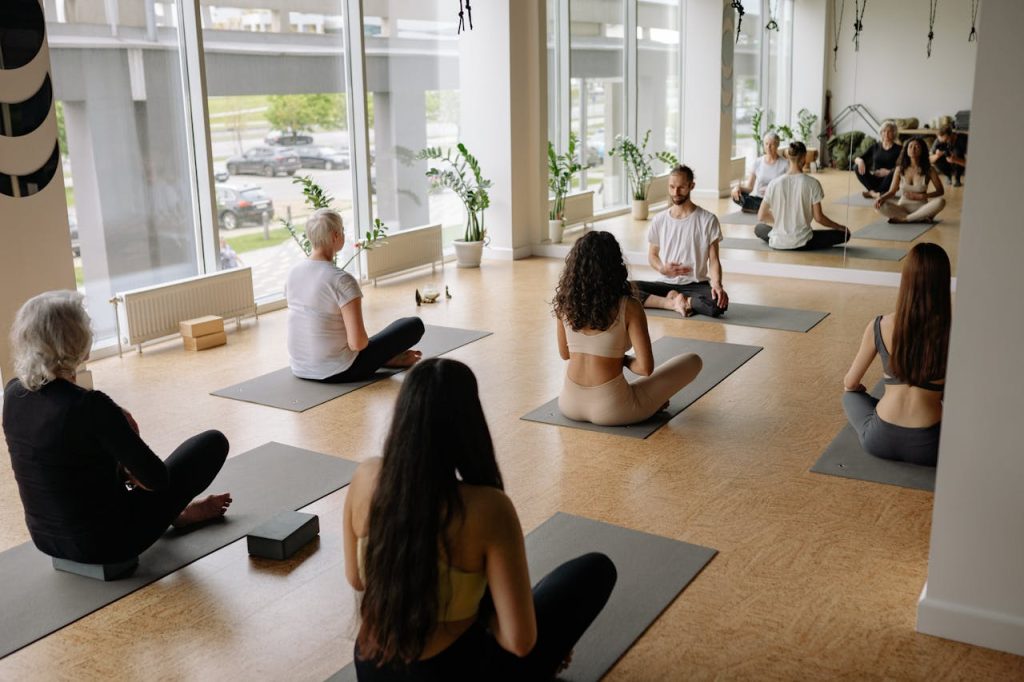
You don’t need expensive equipment or a meditation studio. All you need is a quiet space and a mirror.
Step 1: Create a Calm Environment
Find a comfortable place with minimal distractions. Dim lighting or natural light works best.
Step 2: Sit Comfortably
Sit in front of the mirror with your back straight and shoulders relaxed. Place your hands gently on your lap.
Step 3: Breathe Deeply
Take a few slow, deep breaths to center yourself before starting.
Step 4: Gaze Softly
Look into your reflection with a soft, non-judgmental gaze. Avoid focusing only on flaws—observe yourself as a whole being.
Step 5: Notice Thoughts and Feelings
As you watch yourself, thoughts and emotions may surface. Instead of pushing them away, acknowledge them.
Step 6: Practice Gratitude
After a few minutes, silently thank yourself for showing up. This gratitude reinforces positive self-connection.
Tips for Getting the Most Out of Mirror Watching
- Start small—just 2 to 3 minutes a day, gradually increasing over time
- Keep your focus on the breath if your mind wanders
- Practice at the same time daily for consistency
- Use affirmations such as “I am enough” while gazing into your eyes
- Be patient—mirror watching is a skill that develops with practice
Common Challenges and How to Overcome Them
Like any mindfulness practice, mirror watching can feel uncomfortable at first.
- Self-criticism: If you notice negative thoughts, gently shift toward kindness.
- Restlessness: Begin with short sessions and build up as your focus improves.
- Strong emotions: If emotions arise, let them flow without judgment. Consider journaling afterward.
Over time, these challenges transform into opportunities for deep healing and personal growth.

Professional Guidance for Mirror Watching
While mirror watching can be done at home, many people benefit from guided sessions led by mindfulness coaches or meditation professionals. At Mindfulness Meditation Hub, we offer personalized mirror watching practices that combine guided meditation, breathing techniques, and affirmations to help you connect with yourself more deeply.
Our approach makes it easier to:
- Release emotional blockages
- Strengthen daily mindfulness habits
- Build long-lasting self-confidence
- Experience inner peace in a safe, supportive environment
Is Mirror Watching Right for You?
If you are seeking a simple yet powerful way to reduce stress, improve emotional well-being, and strengthen self-acceptance, then mirror watching could be an excellent practice to explore.
It’s beneficial if you:
- Struggle with self-image or confidence
- Want a mindfulness practice beyond traditional meditation
- Are seeking emotional clarity and healing
- Desire a stronger connection with yourself
Final Thoughts
Mirror watching is more than just looking at your reflection—it’s about seeing yourself with compassion, presence, and mindfulness. When practiced consistently, it becomes a powerful tool for self-awareness, stress relief, and emotional healing.
At Mindfulness Meditation Hub, we guide individuals through this transformative journey, helping them discover inner calm and authentic self-connection. Whether practiced alone or with professional support, mirror watching can genuinely change the way you see yourself and the world around you.