
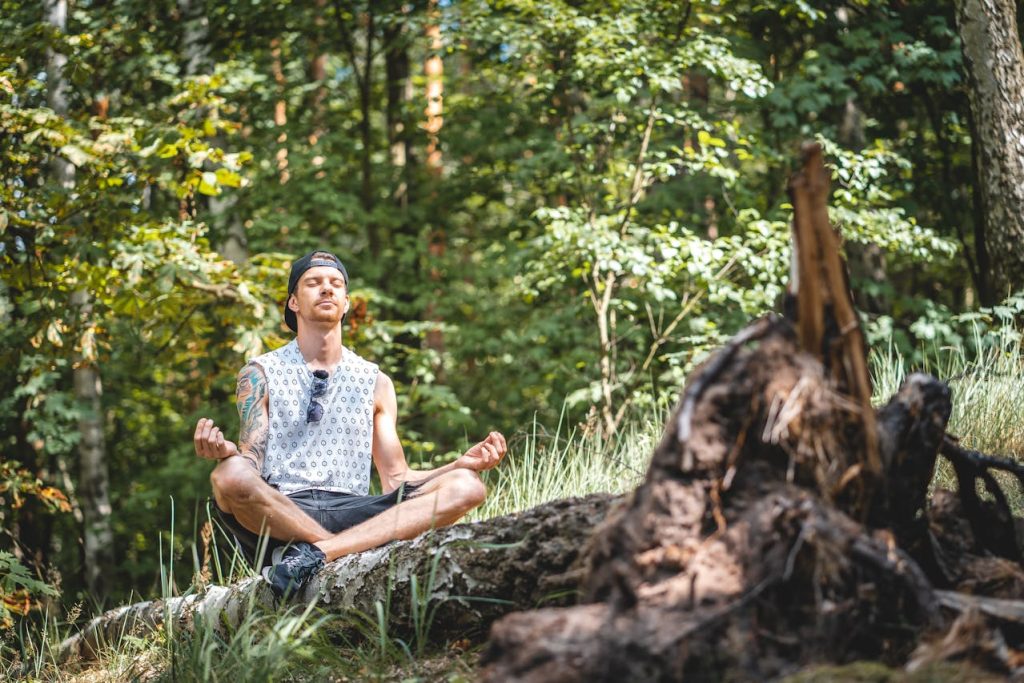
Discover the power of natural mindfulness to reduce stress, enhance focus, and improve overall well-being. Learn practical techniques to cultivate mindfulness in daily life.
Overview
In this blog post, readers will learn how to incorporate natural mindfulness into their daily lives. We’ll cover its benefits, practical exercises, and tips for cultivating mindfulness in everyday activities. By the end of this guide, readers will understand how to live more intentionally, reduce stress, and improve emotional well-being through simple, natural mindfulness practices.
What is Natural Mindfulness?
Natural mindfulness is the practice of being fully present in the moment without judgment. Unlike structured meditation sessions, it integrates awareness into everyday life, allowing you to experience each moment with clarity and calm.
Key aspects of natural mindfulness include:
- Awareness of the present: Not dwelling on the past or worrying about the future.
- Acceptance: Embracing your thoughts and feelings without judgment.
- Intentionality: Engaging fully in whatever you are doing.
By practicing natural mindfulness, you can cultivate a sense of peace, reduce anxiety, and enhance focus in your daily life.

Benefits of Natural Mindfulness
Incorporating natural mindfulness into your routine has numerous benefits for both mental and physical health:
1. Reduces Stress and Anxiety
Mindfulness helps you observe thoughts without attachment, which can significantly lower stress levels. By staying present, you avoid getting overwhelmed by worries about the past or future.
2. Improves Focus and Productivity
Practicing natural mindfulness trains your brain to focus on one task at a time. This heightened awareness can boost productivity and mental clarity.
3. Enhances Emotional Well-being
Mindfulness encourages emotional regulation, helping you respond calmly to challenges rather than reacting impulsively.
4. Supports Physical Health
Research shows that mindfulness can reduce blood pressure, improve sleep quality, and strengthen the immune system.
5. Fosters Better Relationships
Being present with others improves communication, empathy, and understanding in personal and professional relationships.

How to Practice Natural Mindfulness
Natural mindfulness doesn’t require special equipment or a meditation studio. It can be integrated into your everyday activities.
1. Mindful Breathing
Focus on your breath for a few minutes each day. Pay attention to the sensation of air entering and leaving your lungs.
Tips:
- Inhale deeply through your nose, exhale slowly through your mouth.
- Notice any tension in your body and release it with each exhale.
2. Mindful Eating
Savor every bite during meals. Notice the texture, taste, and aroma of your food.
Benefits:
- Prevents overeating
- Enhances appreciation for food
- Encourages healthy eating habits
3. Mindful Walking
Take a walk while paying attention to each step, the feeling of your feet on the ground, and the sounds around you.
Tip: Walk without distractions like your phone to fully experience the moment.
4. Mindful Listening
When conversing with others, listen without planning your response. Fully absorb what the other person is saying.
Benefit: Improves relationships and communication skills.
5. Mindful Observation
Spend a few minutes observing nature or your surroundings. Notice colors, patterns, and movements without judgment.
Tips for Incorporating Natural Mindfulness Daily
- Start Small: Begin with 5–10 minutes a day and gradually increase your practice.
- Create Triggers: Pair mindfulness with daily habits like brushing your teeth or drinking tea.
- Limit Multitasking: Focus on one task at a time to increase awareness and reduce mental clutter.
- Use Reminders: Set phone alarms or sticky notes to remind you to pause and breathe.
- Practice Self-Compassion: Don’t judge yourself if your mind wanders. Gently return to the present moment.
Mindfulness Exercises for Beginners
Here are simple exercises to help you cultivate natural mindfulness:
1. Body Scan
- Lie down or sit comfortably.
- Slowly focus on each part of your body from head to toe.
- Notice any tension or sensations without judgment.
2. Five Senses Exercise
- Observe your surroundings using all five senses.
- Name five things you can see, four things you can touch, three things you can hear, two things you can smell, and one thing you can taste.
3. Journaling
- Reflect on your day and write about moments where you were fully present.
- Journaling helps strengthen awareness and gratitude.
4. Mindful Pause
- Throughout the day, take a moment to pause, breathe, and reset.
- Even 30 seconds of mindfulness can reduce stress and improve focus.
Common Misconceptions About Mindfulness
- It’s Only Meditation: Mindfulness is about presence, not just sitting in meditation.
- You Must Empty Your Mind: Mindfulness involves observing thoughts, not suppressing them.
- It Requires Hours of Practice: Even a few minutes daily can have significant benefits.
How Natural Mindfulness Improves Your Life
Incorporating mindfulness naturally can transform your life:
- Better Mental Health: Less anxiety, depression, and stress.
- Improved Physical Health: Lower blood pressure, better sleep, stronger immunity.
- Enhanced Relationships: Greater empathy, improved communication, deeper connections.
- Increased Productivity: Better focus, reduced procrastination, more intentional living.
By practicing natural mindfulness consistently, you can experience a profound shift in how you perceive yourself, others, and the world around you.
Getting Started Today
- Choose Your Practice: Pick one mindfulness exercise that fits your lifestyle.
- Set a Routine: Dedicate specific times during the day for mindfulness.
- Stay Consistent: Even a few minutes daily creates lasting impact.
- Reflect and Adjust: Notice how mindfulness improves your mood, focus, and interactions.
Natural mindfulness is not a destination but a journey of continuous awareness and growth. By embracing the present moment, you can cultivate joy, clarity, and peace in everyday life.
Final Thoughts
Natural mindfulness is a simple yet powerful way to enhance your well-being. Whether you are a busy professional, student, or stay-at-home parent, integrating mindfulness into daily activities can reduce stress, improve focus, and foster meaningful relationships. Start small, remain consistent, and watch as your life transforms through the power of presence.