
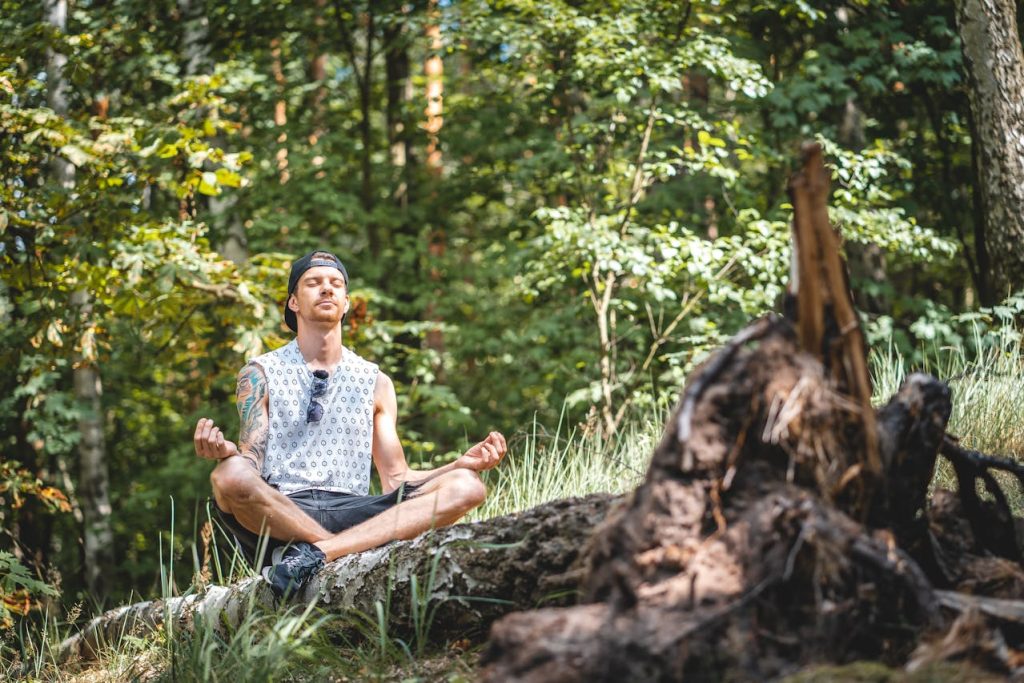
Discover the transformative power of nature and mindfulness. Learn practical tips to incorporate nature into your mindfulness practice for reduced stress, improved focus, and emotional balance.
Overview of the Blog Post
In this blog post, readers will learn how nature and mindfulness work together to enhance mental and emotional well-being. We’ll explore the science behind nature-based mindfulness, practical exercises to integrate nature into your daily practice, and the profound benefits of connecting with the natural world. By the end of this article, readers will have actionable strategies to deepen their mindfulness practice through nature and experience greater calm, clarity, and presence.
Introduction: The Power of Nature and Mindfulness
In today’s fast-paced world, stress and anxiety have become common challenges. Many people turn to mindfulness meditation to find balance, but combining mindfulness with the natural environment can amplify its benefits. Nature and mindfulness are deeply connected; spending time in nature while practicing mindfulness can enhance your mental clarity, emotional resilience, and overall sense of well-being.
Whether it’s a walk in the park, sitting by a river, or simply observing the sky from your backyard, nature provides the perfect backdrop for mindfulness practices.
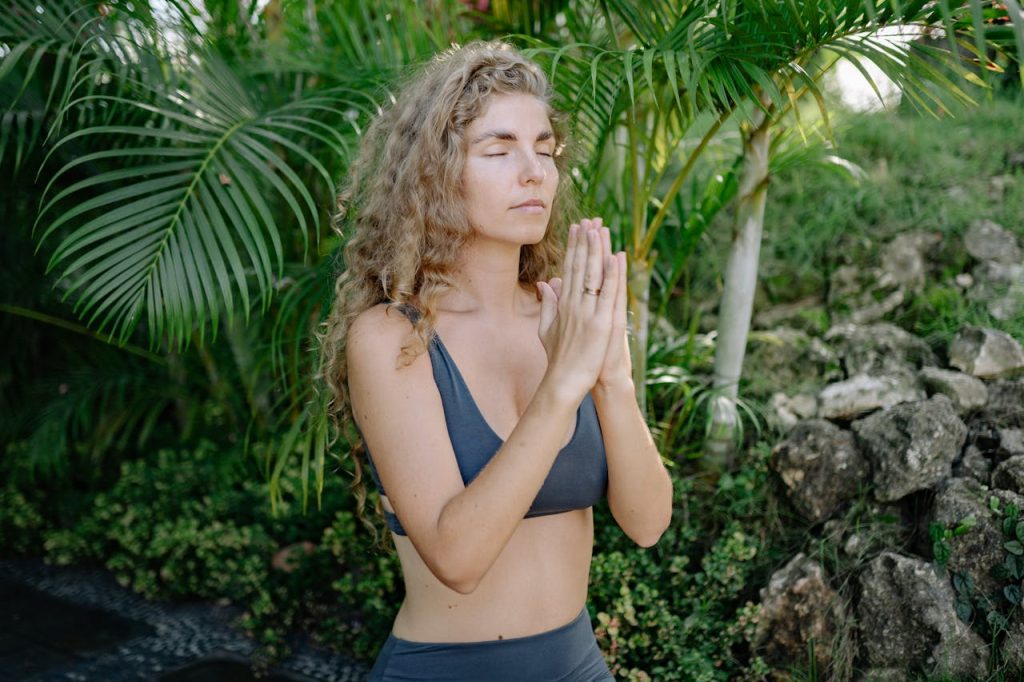
The Science Behind Nature and Mindfulness
Research has shown that being in nature has measurable effects on the brain and body. When combined with mindfulness, these effects can be even more profound.
- Reduced Stress: Nature exposure lowers cortisol levels, which are linked to stress. Mindfulness amplifies this effect by helping you stay present and let go of worries.
- Improved Focus: Spending time in natural environments improves attention and concentration. Mindfulness exercises like observing your surroundings further strengthen cognitive focus.
- Enhanced Emotional Health: Nature and mindfulness together promote positive emotions, reduce feelings of depression, and increase overall happiness.
- Better Physical Health: Regular mindful walks in nature can lower blood pressure, boost immunity, and improve sleep quality.
By combining mindfulness techniques with time spent in nature, individuals can unlock these synergistic benefits for both mental and physical health.
Practical Ways to Practice Nature and Mindfulness
Integrating nature and mindfulness into your routine doesn’t require hours of practice or specialized skills. Here are some practical ways to start:
1. Mindful Walking in Nature
- Choose a natural environment, such as a park, forest trail, or garden.
- Walk slowly and pay attention to your steps, the sound of leaves, the feel of the air, and the rhythm of your breathing.
- Let your mind focus on the present moment and observe thoughts without judgment.
2. Nature Observation Meditation
- Find a quiet spot outdoors.
- Pick an element of nature to focus on, such as a tree, flower, or bird.
- Observe its details carefully — colors, patterns, movements, and textures.
- Reflect on the interconnectedness of all living things.
3. Mindful Gardening
- Engage in gardening with full awareness.
- Notice the texture of the soil, the smell of plants, and the sensation of planting or watering.
- Gardening becomes a meditative practice, connecting you to nature and grounding your mind.
4. Listening to Nature
- Sit quietly outdoors and focus solely on the sounds around you: birds, wind, water, or rustling leaves.
- Use deep breathing to synchronize your awareness with natural rhythms.
- This practice encourages relaxation and helps release mental tension.
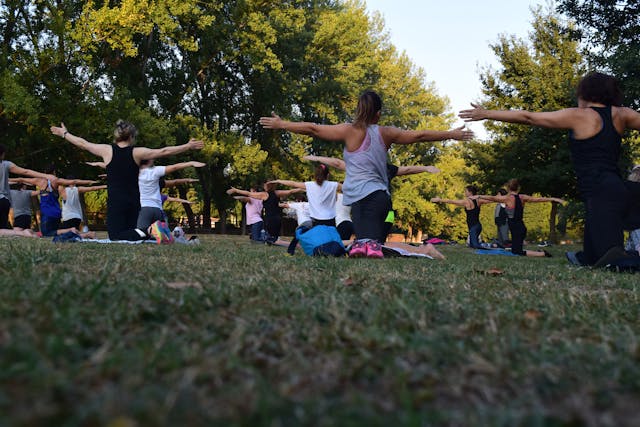
Benefits of Combining Nature and Mindfulness
Practicing nature and mindfulness together offers multiple benefits that extend to daily life:
- Increased Mindfulness: Nature naturally encourages you to slow down, making it easier to remain present and focused.
- Emotional Resilience: Exposure to natural environments combined with mindfulness reduces negative emotions and improves mood regulation.
- Enhanced Creativity: Being in nature while practicing mindfulness stimulates creativity and problem-solving skills.
- Deeper Connection: Regular practice fosters a sense of interconnectedness with the environment and a greater appreciation for life.
- Holistic Well-Being: Combining these practices supports both mental and physical health, creating a balanced lifestyle.
Tips for Incorporating Nature and Mindfulness Daily
- Start Small: Begin with 5–10 minutes of mindful observation outdoors and gradually increase the duration.
- Use Technology Wisely: Avoid distractions like phones; focus solely on it.
- Combine with Meditation: Incorporate mindful breathing or body scan exercises during your nature practice.
- Keep a Nature Journal: Reflect on your experiences, thoughts, and feelings while practicing nature-based mindfulness.
- Practice Gratitude: Express gratitude for the beauty of nature and the present moment.
Mindfulness Activities You Can Do Indoors with Nature
Even if you cannot go outdoors, you can still experience nature and mindfulness indoors:
- Place plants around your living space and observe them mindfully.
- Listen to natural soundscapes while meditating.
- Use visualizations to imagine being in a forest, beach, or meadow while practicing mindfulness.
- Engage in mindful breathing exercises while watching sunlight change throughout the day.
These practices remind you that nature can be experienced even when you are inside, keeping your mindfulness practice consistent.
Final Thought: Embrace the Harmony of Nature and Mindfulness
Integrating nature and mindfulness into your daily life can transform your mental, emotional, and physical well-being. By spending time in natural environments, observing the world with full attention, and practicing mindful techniques, you cultivate a deeper sense of calm, clarity, and balance.
Whether it’s through walks in the park, mindful gardening, or simple observation of your surroundings, the combination of nature and mindfulness provides a path to inner peace and holistic wellness. Start small, stay consistent, and let the natural world guide you toward a mindful, present life.