
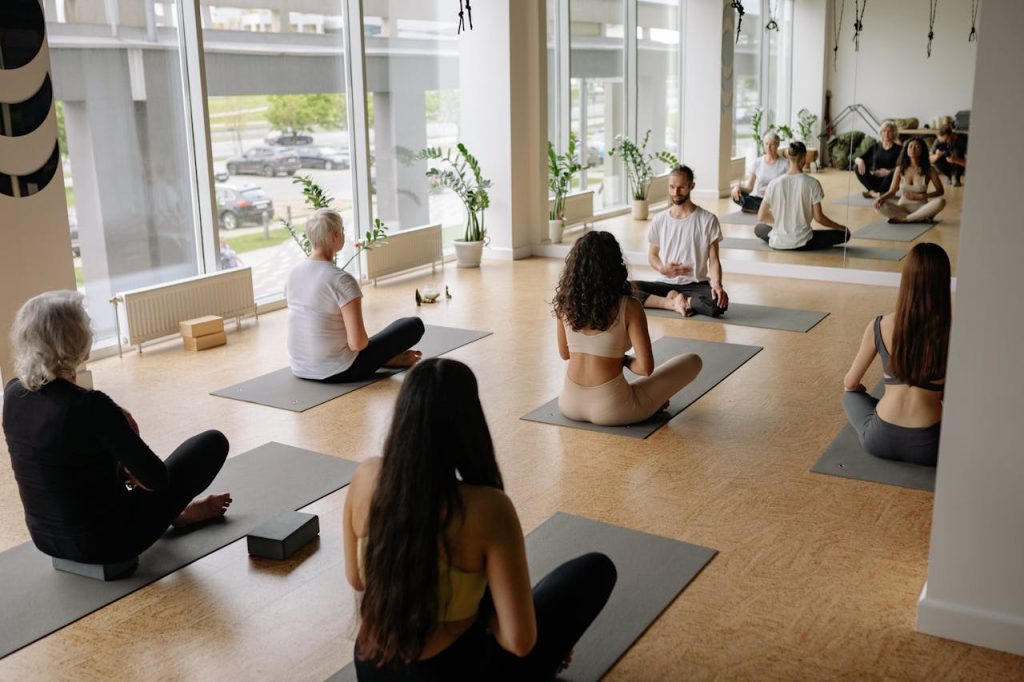
Discover observing thoughts meditation with practical techniques to quiet mental distractions, build self-awareness, and develop a more mindful daily life.
Have you ever sat quietly for a few minutes only to discover that your mind is filled with thoughts about yesterday’s conversations, tomorrow’s responsibilities, unfinished tasks, or completely unrelated memories?
This experience is entirely normal. The human mind naturally produces thoughts throughout the day, and meditation does not require you to stop this process.
Instead, observing thoughts meditation teaches you to notice what is happening in your mind without automatically reacting to every thought that appears.
Rather than trying to control, suppress, or judge your thinking, you practice becoming an impartial observer. You recognize thoughts as temporary mental experiences instead of treating every thought as a fact that requires your attention.
This simple shift can help you develop greater self-awareness, improve your relationship with your emotions, and become more intentional about how you respond to everyday situations.
At MindfulnessMeditationHub.com, we provide practical resources, exercises, and mindfulness techniques to help you explore these practices and incorporate them into your daily life. Whether you are completely new to meditation or have years of experience, our goal is to support your personal mindfulness journey.
How Does Observing Your Thoughts Work?
The basic principle behind this practice is simple: notice your thoughts without becoming completely absorbed in them.
For example, imagine you are sitting quietly when a thought appears:
“I have too much work to finish tomorrow.”
Your immediate reaction might be to start planning, worrying, or mentally reviewing everything you need to accomplish.
However, instead of following that thought, you can simply recognize it.
You might silently say:
“I am noticing a thought about work.”
Then, allow the thought to remain or disappear naturally. Bring your attention gently back to your breathing.
You are not trying to make the thought disappear. You are simply changing how you relate to it.

The Difference Between Thinking and Observing
Thinking involves actively engaging with mental content. Observing involves noticing that mental content without necessarily participating in it.
Consider these examples:
- Thinking: Repeatedly remembering an uncomfortable conversation.
- Observing: Noticing that a memory has appeared without replaying the entire conversation.
- Thinking: Worrying about an upcoming responsibility.
- Observing: Recognizing that worry is present and returning your attention to the present moment.
- Thinking: Judging yourself for making a mistake.
- Observing: Noticing self-critical thoughts without automatically accepting their message.
This distinction is important because it creates an opportunity to respond more thoughtfully instead of reacting automatically.
Benefits of Practicing Mindful Thought Observation
Developing awareness of your thoughts can influence how you experience everyday situations. Although meditation does not eliminate difficult emotions or guarantee specific outcomes, consistent practice can help strengthen useful mindfulness skills.
Here are several potential benefits.
1. Develop Greater Self-Awareness
Many people move through their daily routines without noticing how frequently their thoughts influence their decisions, moods, and behavior.
Mindful observation encourages you to recognize recurring mental patterns.
For example, you might notice that you frequently anticipate negative outcomes before important meetings or become self-critical when something does not go according to plan.
Recognizing these patterns is a valuable first step toward making more intentional choices.
2. Create Space Between Thoughts and Reactions
A thought does not always require an immediate response.
Suppose someone sends you a message that feels frustrating. Your first reaction might be anger or disappointment.
With mindfulness practice, you can learn to notice the emotion, recognize the thoughts associated with it, and pause before responding.
This does not mean ignoring your feelings. It means giving yourself an opportunity to respond with greater awareness.
3. Improve Emotional Awareness
Thoughts and emotions often appear together.
For instance, a stressful situation might produce thoughts such as:
- “I cannot handle this.”
- “Everything is going wrong.”
- “I should have done something differently.”
By observing these experiences, you can begin identifying the connection between your thoughts, feelings, and reactions.
Over time, this awareness may support a more thoughtful relationship with difficult emotions.
4. Strengthen Present-Moment Awareness
The mind frequently moves between past experiences and future possibilities.
You might spend breakfast thinking about yesterday’s problems or worry about tomorrow while spending time with family.
Mindfulness encourages you to recognize when your attention has wandered and gently return to what is happening now.
Your breath, physical sensations, sounds, and surroundings can all serve as anchors.
5. Build a More Balanced Relationship With Your Thoughts
Not every thought deserves the same level of attention.
Some thoughts are helpful, some are ordinary, and others may be influenced by temporary emotions or assumptions.
Learning to observe thoughts without attachment can help you understand that having a thought does not automatically make it true.
This perspective can encourage greater mental flexibility and self-compassion.
How to Practice Observing Thoughts Meditation: A Step-by-Step Guide
You do not need special equipment, an expensive meditation space, or years of experience to begin.
A quiet location and a few minutes of uninterrupted time are enough for your first session.
Follow these steps to get started.
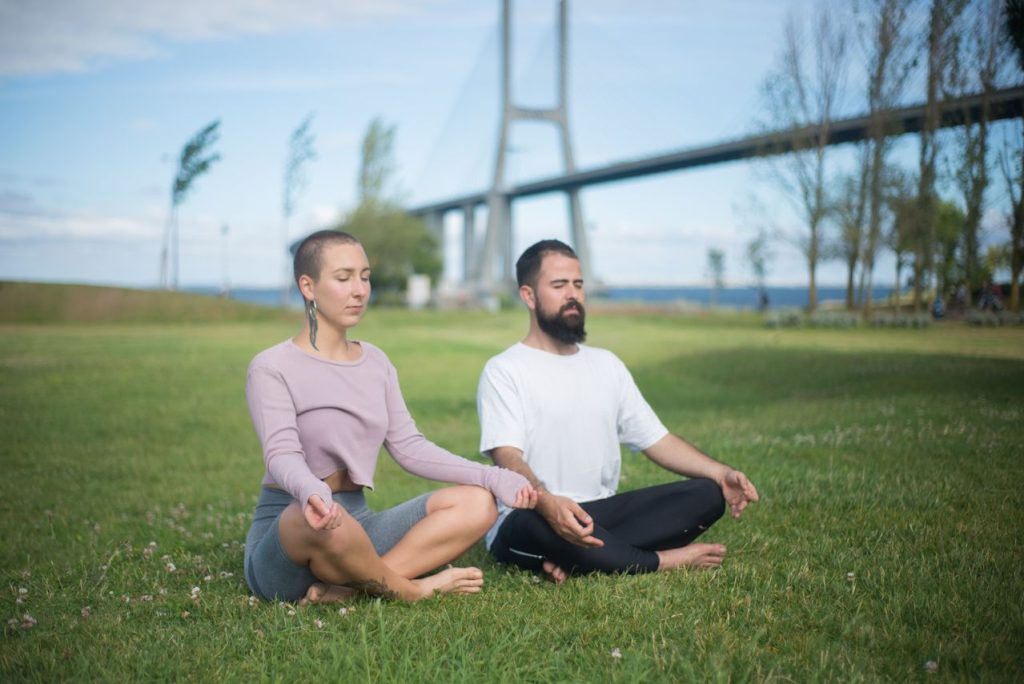
Step 1: Find a Comfortable Position
Choose a place where you can sit comfortably without unnecessary distractions.
You can sit on a meditation cushion, a chair, or the floor.
Keep your back naturally upright without making your posture unnecessarily stiff. Allow your hands to rest comfortably on your legs.
Close your eyes if that feels comfortable, or maintain a soft gaze toward the floor.
Step 2: Begin With Your Breathing
Take a few natural breaths.
Notice how the air enters and leaves your body. Pay attention to the movement of your chest or abdomen.
There is no need to control your breathing or make it deeper than usual.
Your breath serves as an anchor that helps you return to the present moment whenever your attention wanders.
Step 3: Allow Thoughts to Appear Naturally
After settling into your breathing, begin noticing the thoughts that enter your awareness.
You might experience:
- Memories from the past.
- Plans for the future.
- Random images or ideas.
- Worries about responsibilities.
- Judgments about yourself.
- Thoughts about the meditation itself.
Do not try to manufacture thoughts or force your mind to become completely quiet.
Simply notice whatever naturally appears.
Step 4: Observe Without Judging
This is the central part of the practice.
When a thought appears, acknowledge it without deciding whether it is good, bad, useful, or unnecessary.
You can use gentle mental labels such as:
- Planning.
- Remembering.
- Worrying.
- Imagining.
- Judging.
For example, if you begin thinking about an unfinished project, simply recognize, “Planning.”
Then allow your attention to settle again.
Step 5: Avoid Following Every Thought
Sometimes, one thought leads to another.
You might remember an upcoming appointment, then think about transportation, then remember something you forgot to purchase.
Before long, you are mentally planning your entire day.
When you notice this happening, there is no reason to criticize yourself.
Recognize that your attention has wandered and gently return to observing.
Step 6: Finish With a Moment of Reflection
After five to ten minutes, gradually bring your attention back to your surroundings.
Notice your body, the sounds around you, and your breathing.
Before ending your session, ask yourself:
- What types of thoughts appeared most frequently?
- Did I notice any recurring mental patterns?
- Was I able to return my attention without judging myself?
- What did I learn about my awareness?
You do not need to find a meaningful answer every time. The purpose is simply to become more familiar with your experience.
Different Techniques for Observing Thoughts Without Attachment
There is no single method that works for everyone. Experimenting with different mindfulness techniques can help you discover an approach that feels natural.
1. The Passing Clouds Technique
Imagine your thoughts as clouds moving across the sky.
Some clouds are large and noticeable, while others are small and disappear quickly.
Instead of trying to hold onto them or push them away, allow each thought to pass naturally.
The sky represents awareness, while the clouds represent temporary mental experiences.
This visualization can be especially helpful when you feel overwhelmed by frequent thoughts.
2. Mental Labeling
Mental labeling involves identifying the general category of a thought.
For example:
- “Remembering” when recalling a past event.
- “Planning” when thinking about future activities.
- “Worrying” when anticipating something negative.
- “Judging” when evaluating yourself or another person.
Keep the labels short and neutral.
The objective is not to analyze every thought but to recognize what is happening without becoming deeply involved.
3. The Thought-Watching Technique
Imagine yourself sitting beside a quiet river.
Each thought represents a leaf floating along the water.
You can notice the leaf without picking it up or trying to change its direction.
This technique encourages you to develop a more relaxed relationship with mental activity.
4. Open Awareness Practice
In open awareness meditation, you allow your attention to remain receptive to whatever enters your experience.
You may notice breathing, sounds, physical sensations, emotions, and thoughts.
Rather than concentrating exclusively on one object, you practice recognizing different experiences as they arise.
This technique can be useful for people who already feel comfortable with basic mindfulness exercises.
Common Mistakes to Avoid When Observing Your Thoughts
Beginners sometimes assume that meditation should produce a completely silent mind.
This misunderstanding can make the practice unnecessarily frustrating.
Here are some common mistakes and how to approach them differently.
Trying to Stop All Thoughts
Thoughts are a natural part of mental activity. Trying to eliminate them can create additional frustration.
Instead: Practice noticing thoughts and allowing them to come and go.
Judging Yourself for Getting Distracted
Your attention will wander. This is not evidence that you are failing.
Instead: Treat each moment of noticing as another opportunity to practice awareness.
Analyzing Every Thought
Mindfulness is not the same as spending a meditation session investigating every memory or idea.
Instead: Recognize the general nature of a thought and return to your chosen point of awareness.
Expecting Immediate Results
You may not notice dramatic changes after your first few sessions.
Instead: Focus on consistency rather than measuring every meditation by how peaceful you feel afterward.
Confusing Observation With Emotional Suppression
Allowing thoughts to pass does not mean ignoring important emotions, avoiding responsibilities, or refusing to address difficult situations.
Instead: Acknowledge your experience and make thoughtful decisions when action is necessary.
A Simple 7-Day Mindfulness Practice Plan
If you want to make this practice part of your routine, begin with a manageable schedule.
The following seven-day plan offers a simple introduction.
| Day | Practice | Duration |
|---|---|---|
| Day 1 | Notice your breathing and recognize when your mind wanders. | 5 minutes |
| Day 2 | Observe thoughts without trying to change them. | 5 minutes |
| Day 3 | Practice labeling thoughts such as planning or remembering. | 7 minutes |
| Day 4 | Use the passing clouds visualization. | 7 minutes |
| Day 5 | Notice the connection between thoughts and emotions. | 10 minutes |
| Day 6 | Practice open awareness of thoughts, sounds, and sensations. | 10 minutes |
| Day 7 | Combine your favorite techniques and reflect on the experience. | 10 minutes |
Remember that this schedule is a starting point, not a performance target.
If five minutes feels more comfortable than ten, stay with five minutes. The goal is to establish a sustainable practice.
How to Incorporate Thought Awareness Into Everyday Life
Meditation does not have to happen only when you are sitting quietly.
You can develop mindful awareness during ordinary activities throughout your day.
Here are some practical opportunities.
During your morning routine: Notice the thoughts that appear when you wake up. Instead of immediately becoming involved in your to-do list, take a moment to recognize your mental state.
While working: When you notice yourself switching between tasks or becoming distracted, pause briefly and identify what has captured your attention.
During conversations: Notice internal reactions while listening to someone. This can help you become more aware of assumptions and automatic judgments.
Before responding emotionally: If something frustrates you, recognize the thoughts and feelings that arise before deciding how to respond.
Before sleeping: Spend a few minutes noticing your thoughts without turning bedtime into another opportunity to solve every problem.
These small moments of awareness can help make mindfulness a practical part of everyday living.
Frequently Asked Questions
1. What is the purpose of observing thoughts during meditation?
The purpose is to develop awareness of mental activity without automatically reacting to every thought. This can help you recognize recurring thinking patterns, understand your reactions, and develop a more intentional relationship with your thoughts.
2. Is observing thoughts meditation suitable for beginners?
Yes. Beginners can start with short sessions of five minutes. Focus on noticing thoughts, using your breath as an anchor, and returning your attention whenever it wanders. You do not need previous meditation experience.
3. Should I ignore my thoughts during meditation?
No. Ignoring thoughts is different from observing them. Instead of suppressing mental activity, acknowledge that a thought has appeared and allow it to pass without becoming unnecessarily involved.
4. How long should I practice each day?
Five to ten minutes is a reasonable starting point. As you become more comfortable, you can gradually increase the duration. Consistency and a comfortable routine are generally more useful than forcing yourself into long sessions.
5. Can observing thoughts help with overthinking?
Mindful observation may help you recognize repetitive thinking patterns and become less automatically involved in them. However, it does not guarantee that overthinking will disappear. If persistent thoughts significantly interfere with daily life, professional support may also be helpful.
6. What should I do when negative thoughts appear?
Acknowledge the thought without criticizing yourself. You can mentally label it as worrying, judging, or remembering. Then gently return your attention to your breathing. If a thought brings up an important concern, you can address it outside your meditation session.
7. What is the difference between observing thoughts and controlling thoughts?
Controlling thoughts involves attempting to change, suppress, or direct mental activity. Observation involves recognizing thoughts as they arise without automatically engaging with them. The second approach emphasizes awareness rather than control.
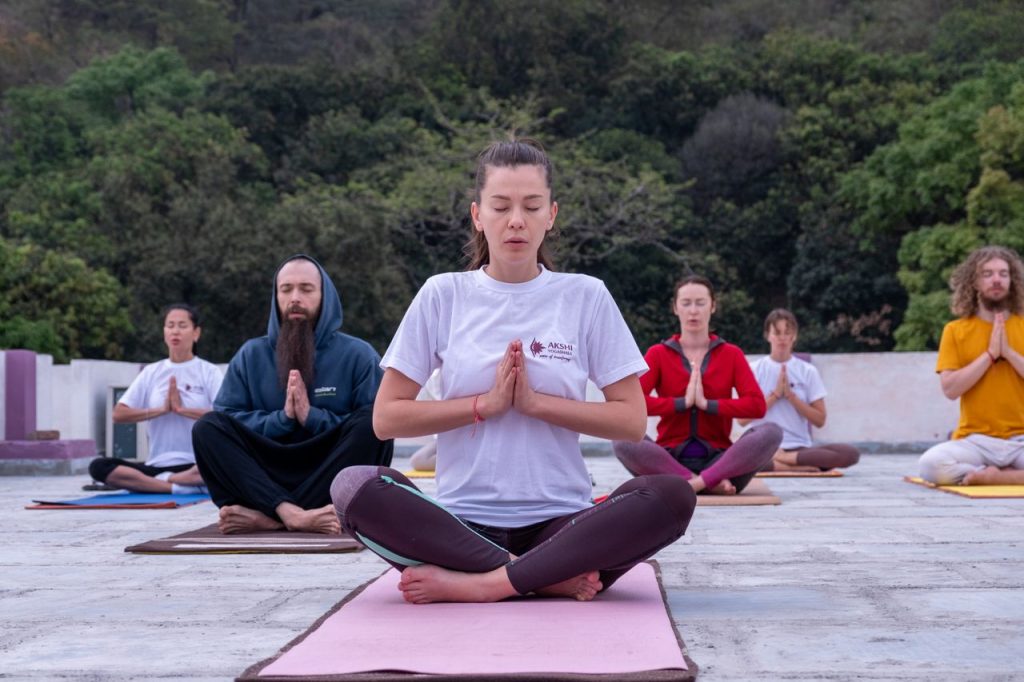
Start Building a More Mindful Relationship With Your Thoughts
Your mind does not need to become completely silent for you to experience the value of mindfulness. Thoughts will appear, emotions will change, and your attention will naturally move between different experiences.
What matters is learning to recognize these experiences without allowing every thought to determine your next reaction.
Through observing thoughts meditation, you can begin developing greater awareness of your mental patterns, practice responding more intentionally, and become more present in everyday life.
Start with a few quiet minutes each day. Be patient with yourself, remain curious about your experiences, and remember that mindfulness is a practice rather than a destination.
At MindfulnessMeditationHub.com, we believe that mindfulness should be practical, accessible, and meaningful in everyday life.
Explore our meditation guides, mindfulness exercises, and practical resources to discover techniques that fit your lifestyle. Whether you are taking your first step into meditation or deepening an established practice, we are here to support your journey toward greater awareness and intentional living.
Visit MindfulnessMeditationHub.com today and take your next step toward a more mindful life.
Related Topics
- Guide to Meditation: Techniques, Benefits & How to Get Started
- Mindfulness Meditation for Anxiety: Calm Your Mind
- Mindfulness & Meditation Resources
- Guided Meditations for Stress Relief, Focus, & Emotional Balance
- Mindfulness and Meditation for Anxiety: A Complete Guide
- Steps to Meditate: A Complete Guide for Beginners
- Meditation for Beginners: A Simple Guide to Start Your Journey