
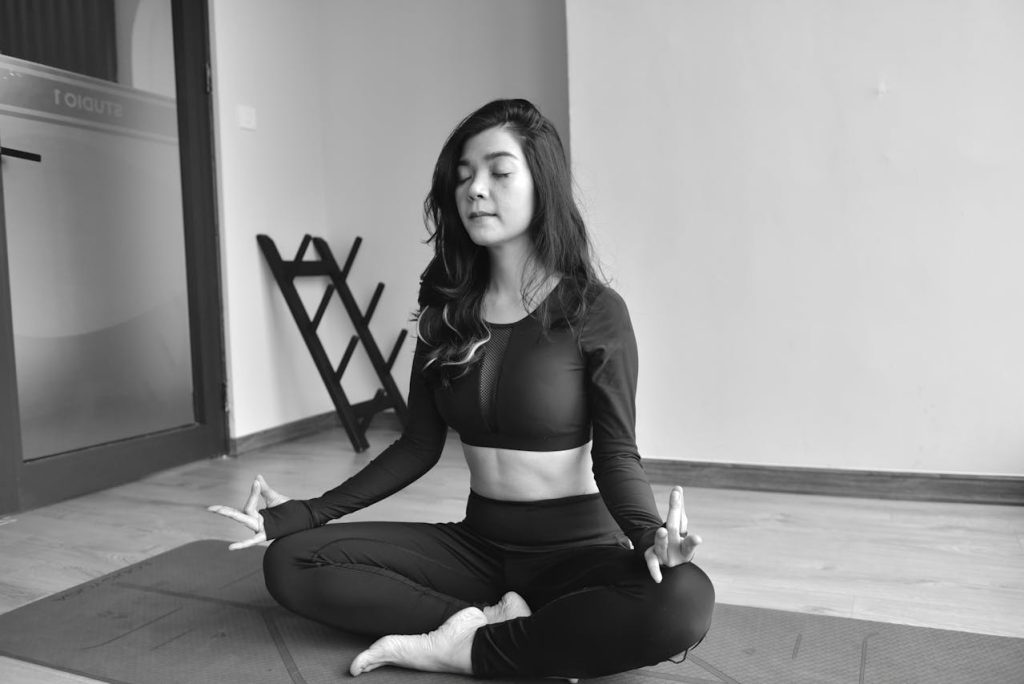
Discover what open-hearted awareness really means, how it transforms your life, and ways to practice it daily. Learn how our guided meditations support your journey.
Overview of This Blog Post
In this blog, you’ll learn:
- What openhearted awareness actually is (beyond the buzzword)
- The scientific and spiritual significance behind the practice
- How it differs from mindfulness and traditional meditation
- Real-life benefits such as reduced anxiety and improved connection
- Practical steps to cultivate openhearted awareness daily
- How Mindfulness Meditation Hub supports your journey through guided meditations and resources
Whether you’re new to mindfulness or seeking deeper connection in your spiritual practice, this guide offers insight and tools for embracing a more openhearted way of being.
What Is Openhearted Awareness?
Openhearted awareness is a state in which the mind is relaxed, and the Heart is engaged with warmth, compassion, and receptivity. It goes beyond simply noticing thoughts or sensations—it invites you to experience the present moment with emotional openness and unconditional acceptance.
Unlike traditional focused meditation, openhearted awareness is more about being than doing. You’re not trying to change or fix anything; you’re welcoming each moment with a heart-centered attitude.

The Science and Spiritual Roots of Openhearted Awareness
Openhearted awareness is rooted in both Buddhist practices and modern mindfulness-based cognitive science. Neuroscientific studies show that:
- Engaging the heart centre in meditation activates the parasympathetic nervous system, reducing stress.
- Emotional openness leads to greater resilience and better interpersonal relationships.
- Cultivating this awareness reduces self-referential thinking, which is linked to anxiety and depression.
Spiritually, openhearted awareness invites a sense of unity, love, and connection with all beings. It’s about living with your Heart wide open—without judgment, fear, or resistance.
Open-Hearted Awareness vs. Traditional Mindfulness
While mindfulness involves observing the present moment non-judgmentally, open-hearted awareness adds the dimension of compassion and love. Here’s a quick comparison:
| Traditional Mindfulness | Open-Hearted Awareness |
|---|---|
| Observing thoughts neutrally | Embracing thoughts with compassion |
| Often breath-focused | Heart-centered and body-inclusive |
| Detached awareness | Warm, connected presence |
| Emphasizes stillness | Allows fluid emotional experience |
In essence, open-hearted awareness deepens mindfulness by softening the heart and encouraging emotional engagement.
Benefits of Practicing Openhearted Awareness
Developing openhearted awareness can radically change the quality of your mind and emotions. Some of the benefits include:
- Reduced Anxiety and Stress: As feelings flow through you easily, you stop being resistant to what’s going on.
- Greater Compassion: For self and others, resulting in better relationships.
- Deepened Meditation Practice: It allows you to connect to a higher state of consciousness.
- Increased Emotional Intelligence: You learn to witness emotions without being overwhelmed.
- Better Coping Mechanisms: Especially during emotional turmoil or life transitions.
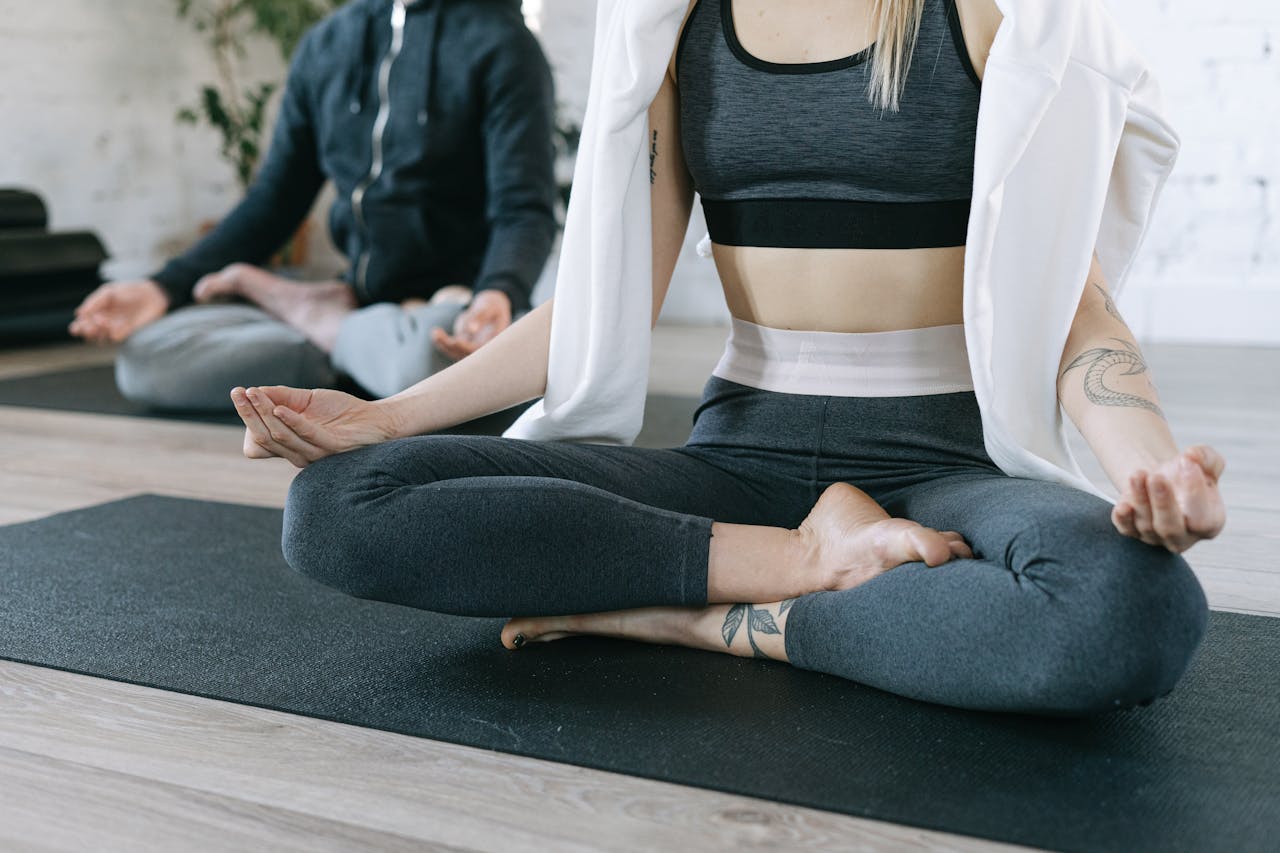
How to Cultivate Openhearted Awareness
Cultivating openhearted awareness is a gradual journey that starts with intention and consistency. Here are practical ways to begin:
1. Create a Sacred Space for Stillness
- Find a quiet and cozy spot.
- Light a candle or put on some soothing music to help you space out.
- Make yourself really comfy and take a big deep breath in.
2. Start With the Breath, Move to the Heart
- Begin with a few minutes of mindful breathing.
- Gradually shift your focus to the area around your Heart.
- Visualize warmth, light, or loving energy emanating from this space.
3. Use Affirmations or Mantras
- “I open my heart to this moment.”
- “May I meet this with love?“
- “All is welcome here.”
Repeat these gently during your meditation to anchor your awareness.
4. Practice Loving-Kindness Meditation
- Send loving thoughts to yourself, loved ones, neutral people, and even difficult individuals.
- This expands your Heart’s capacity for love and reduces defensiveness.
5. Notice Without Fixing
- When emotions arise, don’t push them away or analyze them.
- Say silently: “This too belongs,“ or “It’s okay to feel this.”
6. Engage With Nature
- Spending time in nature opens the Heart naturally.
- Let yourself feel awe, peace, and connection with the Earth.
Common Misconceptions About Openhearted Awareness
Let’s clear up a few myths:
- “It’s just being emotional all the time.”
- Not at all. It’s about welcoming emotions, not being ruled by them.
- “I have to feel love all the time.”
- No—true openhearted awareness allows space for all emotions, even sadness, anger, or fear.
- “It’s a passive state.”
- On the contrary, this awareness can lead to compassionate action and deeper presence.
Why Openhearted Awareness Is More Important Than Ever
In a fast-paced and disengaged world, being openhearted is healing against loneliness and emotional anesthesia. When we live in this state:
- We bond more deeply with one another.
- We’re more resilient than ever in a crisis.
- We heal inner wounds through compassion, not avoidance.
How Mindfulness Meditation Hub Supports Your Journey
At Mindfulness Meditation Hub, we believe that openhearted awareness is not just a practice—it’s a way of life.
We offer:
Guided meditations specifically designed to awaken heart-centered awareness.
Daily breathing exercises to ground and centre you
Audio sessions to help release emotional tension and deepen self-compassion
A supportive online community for sharing your experience and growth
Whether you’re just beginning or deepening your spiritual journey, our resources are tailored to support openhearted awareness every step of the way.
Real Stories, Real Impact
“Practicing openhearted awareness through your meditations has changed the way I relate to my anxiety. I’m finally able to sit with my feelings without being afraid.“ – Jenna M.
“Your heart-centred meditations helped me reconnect with myself after a painful breakup. Thank you for offering this.“ – Carlos T.
Start Your Openhearted Journey Today
Now that you understand what openhearted awareness really means, it’s time to incorporate it into your daily life. This practice doesn’t require perfection—it requires presence.
Let Mindfulness Meditation Hub guide you with our loving, science-backed approach to spiritual well-being.
Final Thoughts
Openhearted awareness isn’t simply a method of meditation. It’s a sacred doorway through which to meet all of life with a loving, vulnerable, and awake presence. Develop the habit, and you will not only change your state of mind but also change your entire mindset.
Related Topics
- A Guided Meditation for Coming Home to Yourself
- A Guided Meditation to Reset and Let Go
- The Top 10 Guided Meditations of 2020
- Try This Self-Guided Meditation Retreat for Rest and Restoration
- A Guided Meditation Script to Help Kids Explore Feelings About Change
- A 12-Minute Meditation to Widen Your Perspective
- A 5-Minute Meditation to Shift From Overwhelm to Opportunity
- A 12-Minute Meditation to Cultivate Gratitude for Small Things
- A Guided Meditation to Set Your Intentions for the New Year
- A 3-Minute Meditation to Calm Your Mind
- This Loving-Kindness Meditation is a Radical Act of Love
- A 12-Minute Meditation for Grief and Loss
- A Meditation on Endings