
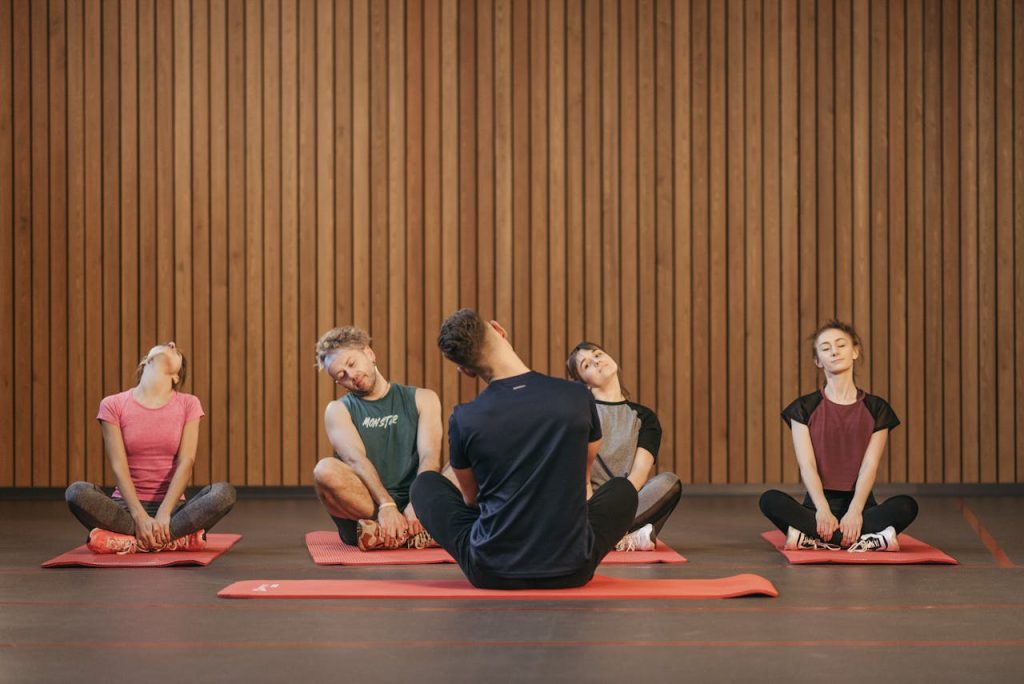
Discover how a person being patient can transform life. Learn mindfulness strategies, meditation tips, and practical advice to cultivate patience and emotional resilience.
Overview:
In today’s fast-paced world, patience is more than a virtue—it’s a skill. This blog post explores what it means to be a patient person, why it’s essential for mental and emotional health, and practical ways to cultivate patience through mindfulness and meditation. By the end of this article, readers will understand the benefits of patience, learn techniques to stay calm in challenging situations, and discover how patience can improve personal and professional relationships.
Understanding a Person Being Patient
A patient person is someone who can remain calm, composed, and tolerant in the face of delays, obstacles, or difficulties. Patience is not passive; it is an active practice of managing emotions, thoughts, and reactions.
Key characteristics of a person being patient include:
- Emotional regulation: Staying calm even under stress.
- Resilience: Recovering from setbacks without frustration.
- Empathy: Understanding others’ perspectives without judgment.
- Long-term focus: Prioritizing future benefits over immediate gratification.
Being patient allows individuals to make thoughtful decisions rather than reacting impulsively, leading to healthier relationships and better outcomes in both personal and professional life.
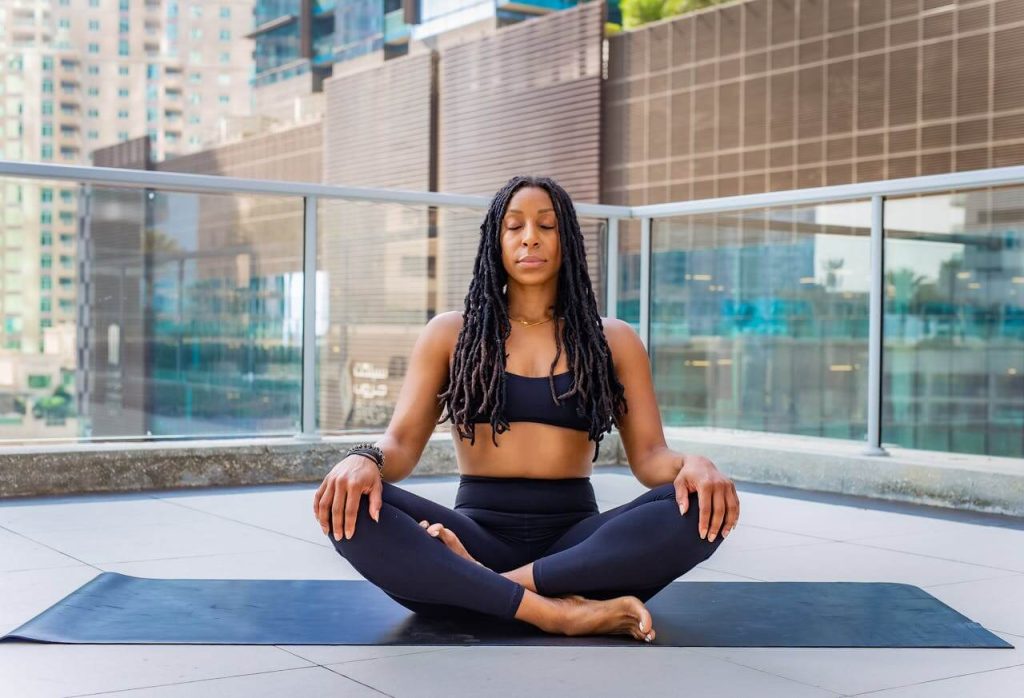
Why Patience Matters
Patience is a cornerstone of emotional intelligence. Here are some reasons why a person being patient experiences positive changes:
1. Mental Clarity and Stress Reduction
A patient mindset helps reduce anxiety and stress. Instead of reacting to every inconvenience, a patient person can approach challenges calmly, leading to clearer thinking and better problem-solving.
2. Improved Relationships
People gravitate toward patient individuals. Being patient strengthens trust, communication, and empathy in relationships, whether at home, work, or in social settings.
3. Personal Growth and Self-Discipline
Patience teaches self-control and perseverance. A person being patient can stay focused on goals and handle setbacks without losing motivation, which is essential for long-term personal development.
4. Better Decision-Making
Patience allows time for reflection, research, and perspective. This thoughtful approach minimizes mistakes and enhances decision-making, whether in financial matters, career moves, or personal relationships.
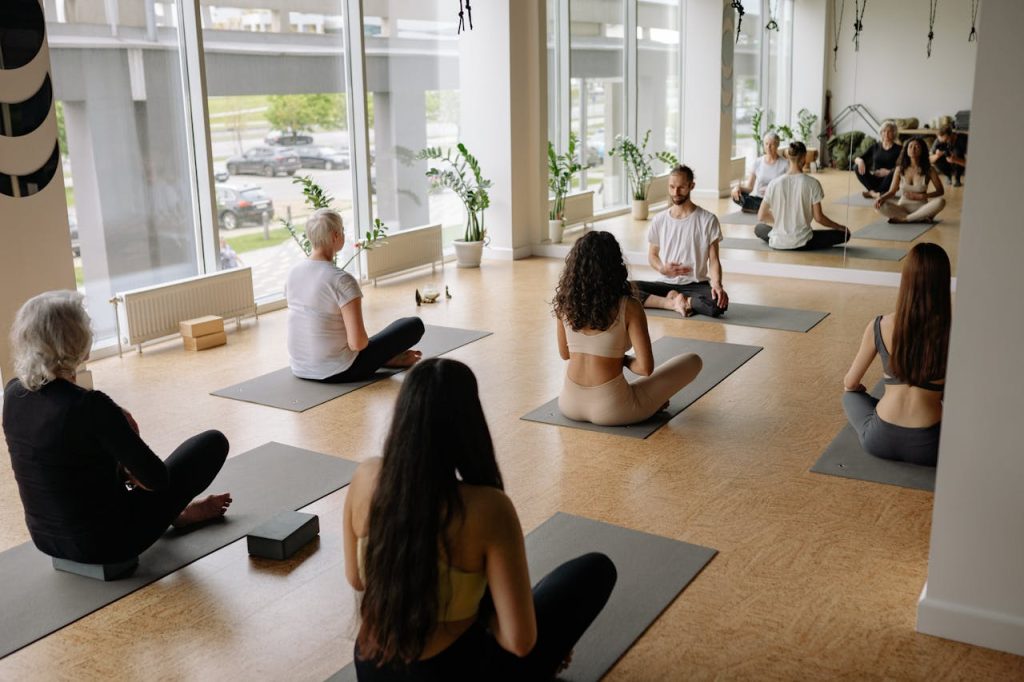
Mindfulness Techniques to Cultivate Patience
Mindfulness is a powerful tool for becoming a patient person. By training the mind to stay present, you can reduce impulsive reactions and increase emotional resilience.
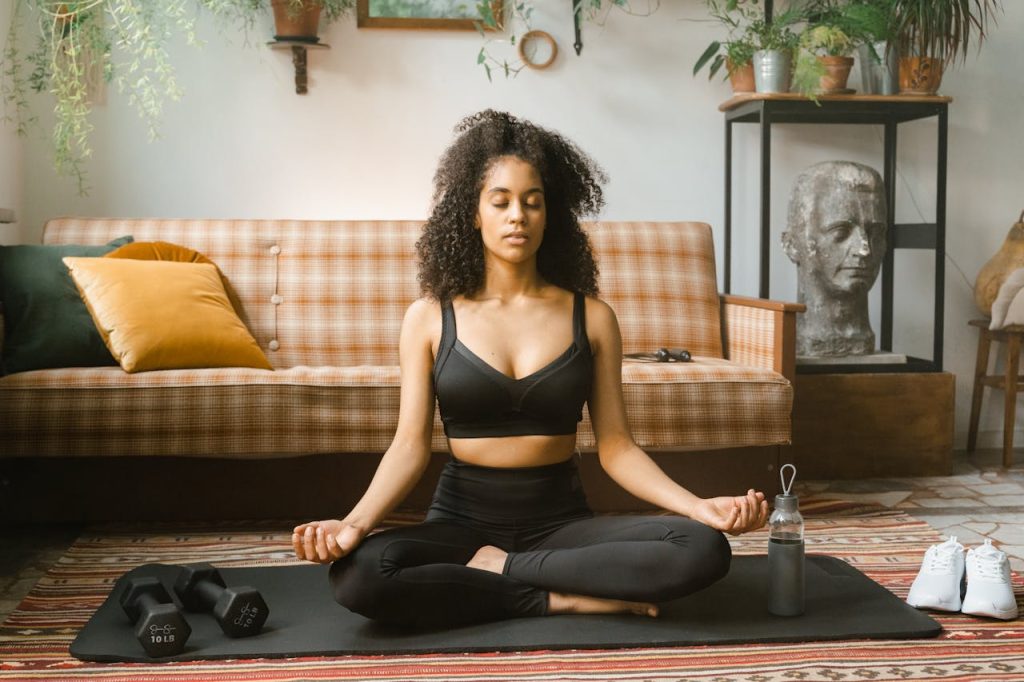
1. Meditation for Patience
Regular meditation helps calm the mind and promotes awareness of emotional triggers. Here’s how to start:
- Sit in a quiet place and close your eyes.
- Focus on your breath, noticing inhalation and exhalation.
- When distractions arise, gently return your focus to breathing.
- Practice 10–20 minutes daily to enhance patience and emotional stability.
2. Deep Breathing Exercises
Deep breathing activates the parasympathetic nervous system, which helps control stress responses:
- Inhale deeply for 4 seconds.
- Hold your breath for 4 seconds.
- Exhale slowly for 6 seconds.
- Repeat this cycle 5–10 times during stressful moments.
3. Mindful Observation
A person being patient can observe situations without judgment:
- Notice your surroundings and focus on small details.
- Practice patience by accepting situations as they are, rather than how you want them to be.
- Journaling can enhance reflection and reinforce patience over time.
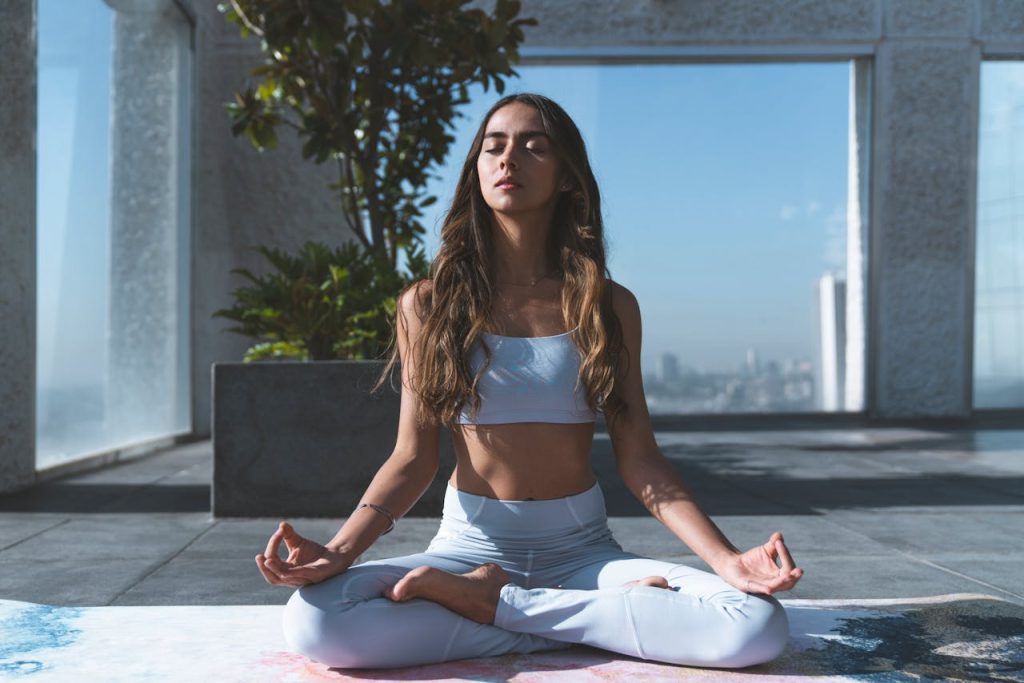
Daily Habits to Enhance Patience
Incorporating patience into daily life helps reinforce a calm, mindful mindset:
Set Realistic Expectations
- Avoid overcommitting or expecting immediate results.
- Accept that growth and change take time.
Practice Gratitude
- Focus on what you have rather than what you lack.
- Gratitude reduces frustration and fosters contentment.
Pause Before Reacting
- When triggered, take a moment to breathe and reflect.
- Responding thoughtfully rather than reacting impulsively strengthens patience.
Embrace Challenges
- See obstacles as opportunities for growth.
- A person being patient views difficulties as a chance to practice calmness and resilience.
Benefits of Being a Patient Person
Adopting patience as a core trait has measurable benefits:
- Reduced stress: Calm reactions to challenges lower stress hormones.
- Healthier relationships: Patience fosters empathy and understanding.
- Better productivity: Focusing on long-term goals enhances efficiency and decision-making.
- Emotional resilience: A patient mindset strengthens mental fortitude.
- Enhanced mindfulness: Staying present increases awareness and reduces impulsive behavior.
Mindfulness Practices for Work and Life
Applying mindfulness in daily activities helps cultivate a person’s patience:
- Mindful eating: Pay attention to flavors, textures, and sensations during meals.
- Mindful walking: Notice your surroundings, steps, and breath while walking.
- Digital detox: Reduce screen time to increase patience and presence.
- Mindful listening: Listen actively without interrupting, fostering understanding and patience in conversations.
Common Misconceptions About Patience
Some people confuse patience with passivity or tolerance of injustice. However, a person being patient:
- It is not passive—they act wisely and at the right time.
- Sets boundaries while remaining calm.
- Practices patience as an active choice, not avoidance.
Final Thought
A person being patient cultivates mental clarity, emotional resilience, and stronger relationships. Through mindfulness techniques, meditation, and conscious daily habits, anyone can develop patience as a core strength. Whether in personal life, professional settings, or spiritual growth, patience allows you to respond thoughtfully, embrace challenges, and lead a more fulfilling life.
Start your journey today by practicing mindful breathing, meditation, and reflection. With consistency, patience will become not just a skill, but a way of life.