
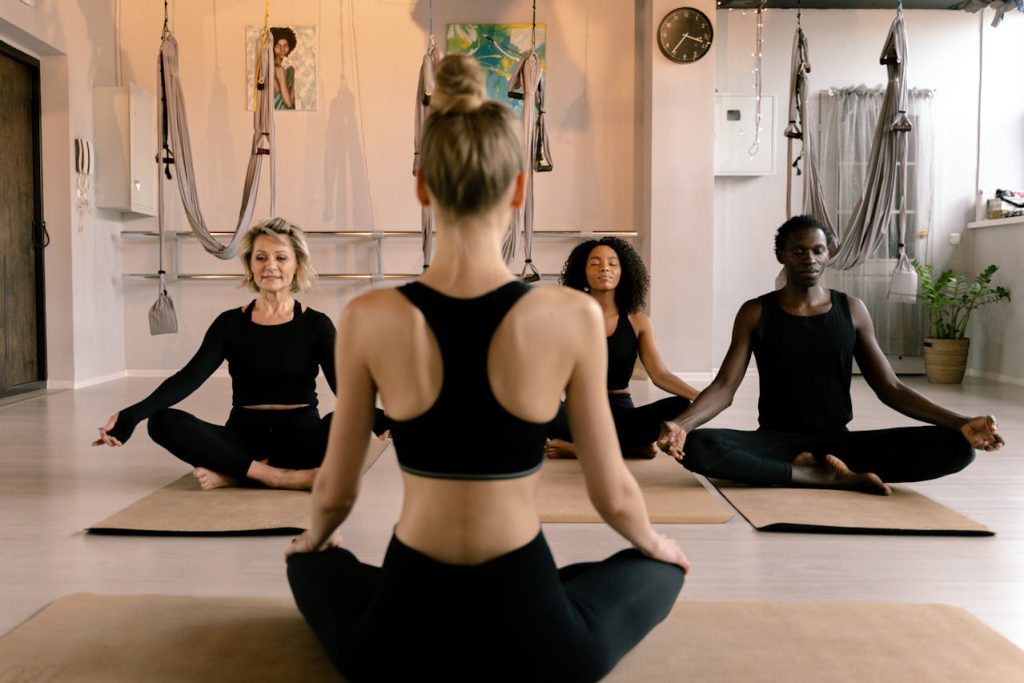
Discover how relaxing meditation can calm your mind, ease stress, and restore balance. Learn techniques, benefits, and how our guided sessions help you experience deeper peace.
Overview—What You Will Learn
In this comprehensive guide, you will learn:
- What relaxing meditation truly means
- The science behind its calming effects
- The top benefits for your mental, emotional, and physical health
- Step-by-step relaxing meditation techniques you can start today
- How to set up your environment for the deepest relaxation
- Common mistakes beginners make—and how to avoid them
- Why joining our guided relaxing meditation sessions helps you progress faster
By the end of this blog post, you’ll understand EXACTLY how to use relaxing meditation to reduce stress, release tension, quiet your thoughts, and feel more grounded every day.
Relaxing Meditation: A Complete Guide to Calming the Mind and Body
Stress is one of the most common issues people struggle with today. Between work, digital overload, and constant responsibilities, it’s easy to feel overwhelmed. This is where relaxing meditation becomes a powerful tool—not just for your mind, but for your overall well-being.
Relaxing meditation is a gentle, accessible practice that helps you unwind, release tension, and restore inner peace. Whether you’re a beginner or someone who has tried meditation before, this guide will give you everything you need to deepen your practice and transform your daily routine.
At Mindfulness Meditation Hub, we offer guided relaxing meditation sessions designed to support your emotional, mental, and physical balance—helping you experience peace in a way that feels natural and enjoyable.
What Is Relaxing Meditation?
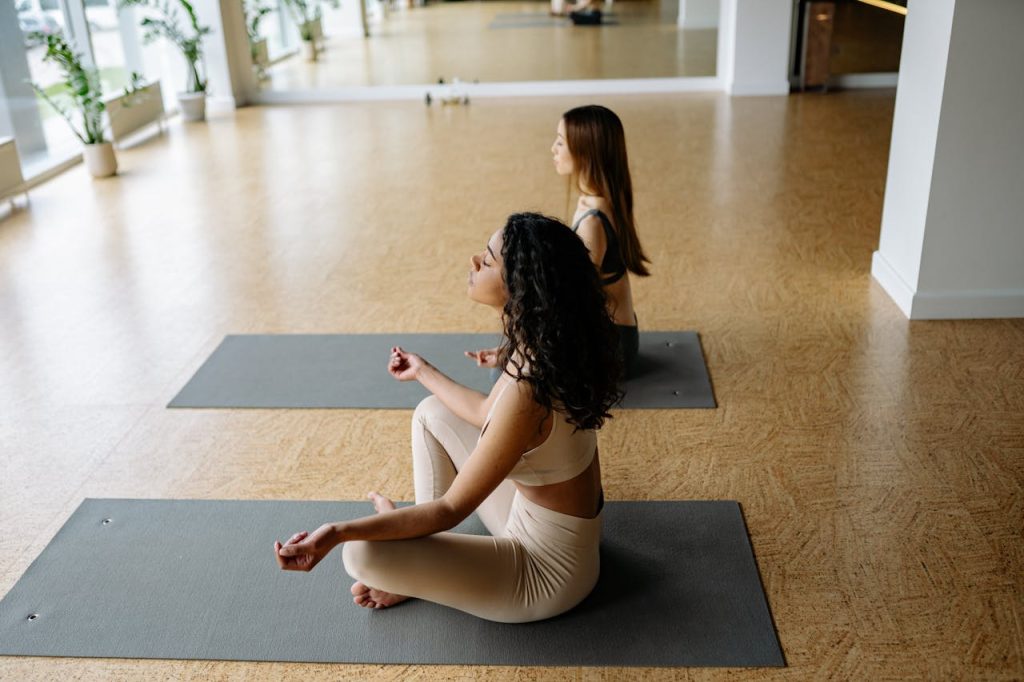
Relaxing meditation is a form of mindfulness and breath-centered practice that encourages your mind and body to slow down. Instead of trying to “empty your mind,” this practice guides you to gently observe your thoughts, calm your breath, and soften any internal tension.
Relaxing meditation typically includes:
- Slow breathing techniques
- Visualization
- Body scanning
- Gentle focus on the present moment
- Calming music or voice guidance
The goal is simple:
To help your mind unwind and your nervous system reset.
This type of meditation is suitable for all ages, all backgrounds, and all experience levels. It’s one of the easiest forms of meditation to start—and one of the most effective for relieving stress.
Benefits of Relaxing Meditation
Practicing relaxing meditation consistently can transform how you feel daily. Some of the most significant benefits include:
1. Reduced Stress Levels
Relaxing meditation helps activate the parasympathetic nervous system—the part responsible for rest, recovery, and emotional balance.
2. Better Sleep
People who practice relaxing meditation before bed report falling asleep faster and waking up fewer times during the night.
3. Improved Focus and Mental Clarity
Once the mind is relaxed, concentration improves naturally. This helps with work performance, studying, and daily decision-making.
4. Emotional Balance
Relaxing meditation helps regulate emotions, easing feelings of anxiety, irritability, and overwhelm.
5. Reduced Muscle Tension
Mind-body relaxation exercises can reduce headaches, shoulder tension, jaw tightness, and general muscle discomfort.
6. Strengthened Mindfulness
You become more present, more aware, and more connected to yourself and your surroundings.
7. Increased Overall Happiness
Relaxation boosts serotonin and dopamine—two neurotransmitters linked to happiness, peace, and emotional stability.
Practicing relaxing meditation, even 5–10 minutes a day, can bring noticeable improvements.
How Relaxing Meditation Works (The Science Behind It)
The effectiveness of relaxing meditation is rooted in neuroscience. When you practice, your brain shifts from beta waves (the active thinking state) into alpha and theta waves, which are associated with:
Research also shows that meditation lowers cortisol—the stress hormone—which is why people feel lighter, calmer, and more centered afterward.
Relaxing meditation literally retrains your brain to respond to stress differently.
Types of Relaxing Meditation You Can Practice
Here are some of the most effective and easy-to-start forms of relaxing meditation:
1. Breath-Focused Relaxation
Slow breathing stabilizes your nervous system.
Try this:
Inhale for 4 seconds → Hold for 2 seconds → Exhale for 6 seconds.
2. Body Scan Meditation
You slowly relax each part of your body from head to toe, releasing tension gradually.
3. Guided Relaxing Meditation
You follow a calming voice (like the ones we offer), making it easier to stay focused.
Guided meditation is especially helpful for beginners because it reduces overthinking and helps you drop into relaxation faster.
4. Visualization Meditation
You imagine peaceful scenes—such as a beach, forest, or candle flame—to shift your mind into a calm state.
5. Music-Assisted Relaxation
Relaxing meditation music enhances mood, slows breathing, and deepens calm.
All of these can be practiced alone, but guided sessions help you achieve better results with less effort.
How to Practice Relaxing Meditation: Step-by-Step Guide
Here’s a simple, relaxing meditation routine you can follow today:
Step 1: Find a Comfortable Space
Choose a quiet place where you won’t be interrupted.
Step 2: Sit or Lie Down Comfortably
Your posture should feel relaxed, not stiff.
Step 3: Close Your Eyes and Breathe Naturally
Take a few slow breaths to settle your mind.
Step 4: Focus on Your Breath
Feel the air moving in and out. Don’t force anything.
Step 5: Relax Your Body
Start at your head and move downward:
- Relax your forehead
- Soften your jaw
- Drop your shoulders.
- Release your stomach
- Relax your legs and feet.
Step 6: Let Thoughts Pass Easily
If thoughts appear, acknowledge them gently and return to your breath.
Step 7: Stay for 5–10 Minutes
Even a short session can create deep relaxation.
Step 8: End Slowly
Open your eyes and stretch gently.
Practicing this daily supports long-term peace and clarity.
How to Create the Perfect Environment for Relaxing Meditation
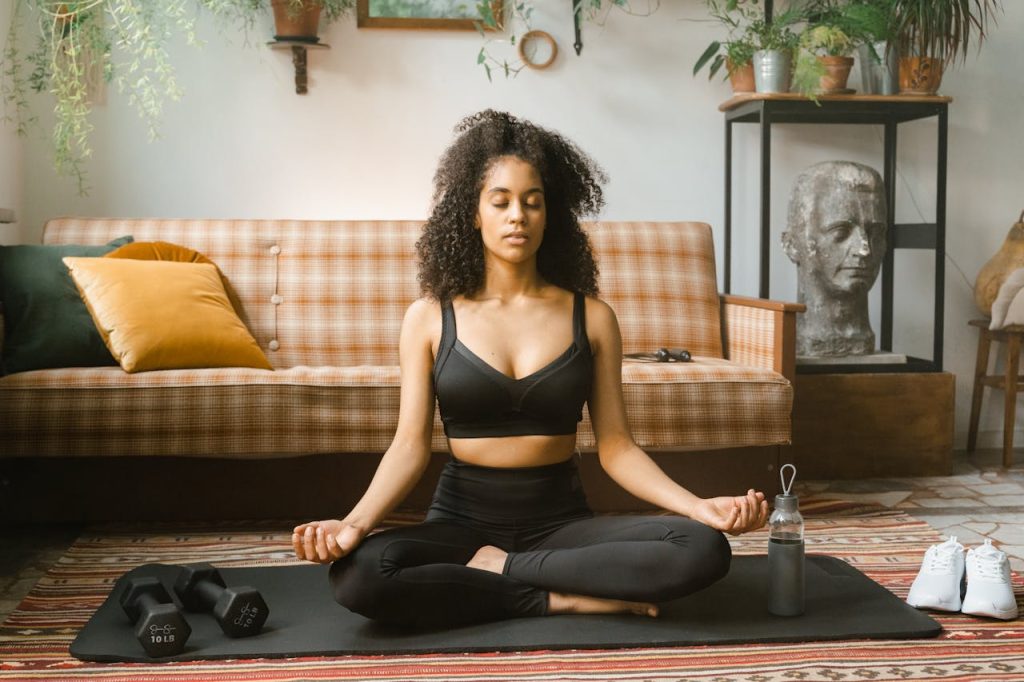
To deepen your experience, consider:
- Soft lighting
- A clean, uncluttered space
- Calming music or nature sounds
- A comfortable cushion or mat
- A light blanket for warmth
- A scented candle or essential oils
Your environment should feel safe, peaceful, and inviting.
Common Mistakes to Avoid in Relaxing Meditation
Even though relaxing meditation is simple, beginners often make these mistakes:
- Trying too hard to “stop thinking”
- Sitting in uncomfortable positions
- Expecting instant results
- Feeling frustrated when thoughts appear
- Comparing their progress to others
- Meditating only when stressed, not consistently
Remember—relaxing meditation is a practice, not perfection.
Why Choose Our Guided Relaxing Meditation Sessions?
At Mindfulness Meditation Hub, we specialize in high-quality guided meditations created to help you:
- Relax instantly
- Release emotional stress
- Improve focus
- Sleep better
- Heal from burnout
- Build long-term mindfulness
Our sessions are thoughtfully designed for beginners and experienced meditators alike. With calming voices, soothing music, and professionally crafted scripts, you’ll experience deeper relaxation than meditating alone.
We make relaxing meditation easy, enjoyable, and accessible for everyone.
Final Thought: Start Your Journey with Relaxing Meditation Today
Relaxing meditation is one of the most powerful tools for grounding your mind, calming your emotions, and restoring balance in your daily life. Whether you’re stressed, overwhelmed, or simply seeking more peace, this practice can help you reset and reconnect with yourself.
With our guided relaxing meditation sessions, you don’t need experience—just a willingness to breathe, soften, and let go.
FAQs for Relaxing Meditation
What is relaxing meditation?
Relaxing meditation is a calming practice that focuses on breathing, mindfulness, and gentle awareness to help the mind and body unwind.
How often should I practice relaxing meditation?
For best results, practice relaxing meditation at least 5–10 minutes daily.
Can beginners do relaxing meditation easily?
Yes, relaxing meditation is one of the simplest and most beginner-friendly forms of meditation.
What are the main benefits of relaxing meditation?
It reduces stress, improves sleep, enhances focus, supports emotional balance, and relaxes the nervous system.
Do I need a quiet space for relaxing meditation?
A quiet space is helpful, but not required. Even a calm corner can work well.
How long does a relaxing meditation session usually last?
Most sessions range from 5 to 20 minutes, depending on preference and experience.
Can relaxing meditation help with anxiety?
Yes, relaxing meditation helps calm the mind, regulate emotions, and reduce anxious thoughts.
Should I sit or lie down during relaxing meditation?
Both are acceptable. Choose whichever position feels comfortable and sustainable.
Is guided relaxing meditation more effective than solo meditation?
Guided meditation can be easier and more effective, especially for beginners, because it provides structure and focus.
Can relaxing meditation improve sleep quality?
Absolutely. Practicing before bedtime helps slow the mind and prepare the body for restful sleep.
What should I do if my mind keeps wandering?
Gently bring your focus back to your breath. Wandering thoughts are normal and part of the practice.
Can I listen to music during relaxing meditation?
Yes. Soft, calming music can enhance focus and relaxation.
How quickly will I feel results from relaxing meditation?
Many people feel calmer after their first session, but lasting benefits come from consistent practice.
Is relaxing meditation safe for everyone?
Yes, relaxing meditation is safe for all ages and fitness levels.
Do you offer guided relaxing meditation sessions?
Yes, we provide professionally curated guided relaxing meditation sessions to support deep peace, stress relief, and emotional balance.