
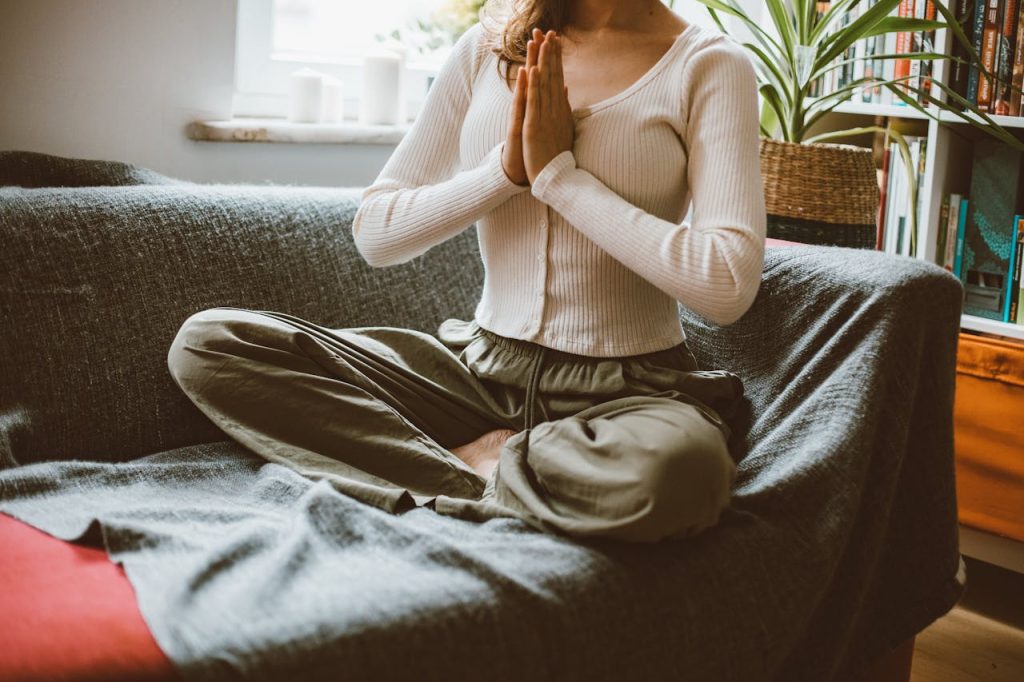
Discover how stress meditation can calm your mind, reduce anxiety, and improve overall well-being. Learn practical techniques and benefits of mindfulness practices today.
Overview
Stress affects nearly everyone in today’s fast-paced world, often leaving us feeling overwhelmed, anxious, and emotionally drained. This blog post will guide you through the practice of stress meditation, explaining what it is, how it works, and why it’s one of the most effective tools for managing everyday pressures.
Readers will learn:
- What stress meditation is and how it works
- The science-backed benefits of meditation for stress relief
- Simple meditation techniques for beginners and busy lifestyles
- How to build a regular mindfulness routine
- Why professional guidance can accelerate your progress
By the end of this article, you’ll not only understand the power of stress meditation, but you’ll also feel confident about taking the first steps toward a calmer, more balanced life.
Understanding Stress and Its Impact
Why Stress Is So Common Today
Stress is the body’s natural response to challenges, but in modern life, constant work demands, digital overload, financial worries, and personal responsibilities often push us into a state of chronic stress. This prolonged state of tension can affect both mental and physical health.
Effects of Chronic Stress
- Increased anxiety and irritability
- Trouble focusing and poor memory
- Sleep disturbances
- High blood pressure and heart issues
- Weakened immune system
This is where stress meditation becomes a powerful practice to break the cycle of tension and bring balance back into daily life.
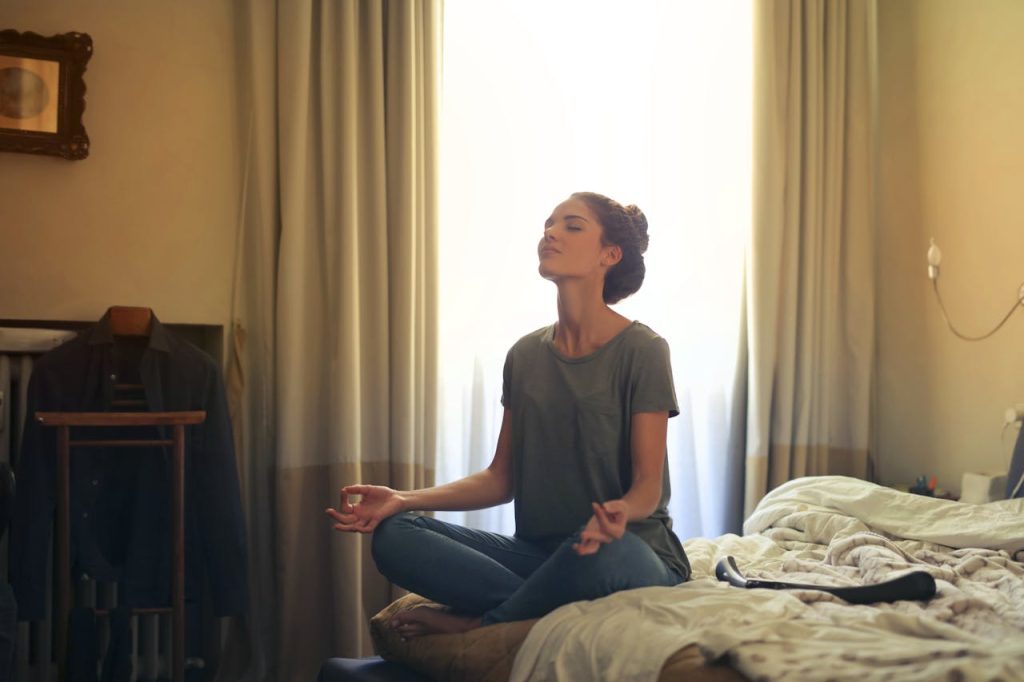
What Is Stress Meditation?
Stress meditation is the practice of using mindfulness, breathing techniques, and guided focus to calm the nervous system and reduce the overwhelming effects of stress. Unlike temporary distractions, meditation addresses the root cause of stress by training the mind to stay present instead of spiraling into worry about the past or future.
Key Elements of Stress Meditation
- Focused Breathing: Shifting attention to slow, deep breaths.
- Mindfulness Awareness: Observing thoughts and emotions without judgment.
- Guided Visualization: Using calming mental imagery to promote relaxation.
- Body Scanning: Releasing physical tension by mindfully noticing each body part.
The Science Behind Stress Meditation
Research shows that regular meditation lowers cortisol levels (the primary stress hormone), improves emotional regulation, and enhances resilience. Studies have also found that mindfulness practices strengthen the prefrontal cortex—the part of the brain responsible for decision-making and emotional control.
In other words, stress meditation rewires the brain to handle challenges with clarity and calmness rather than fear and reactivity.
Benefits of Stress Meditation
Practicing stress meditation consistently offers both immediate and long-term benefits, including:
- Reduced anxiety and emotional tension
- Improved sleep quality
- Lower blood pressure and heart rate
- Increased focus and productivity
- Greater emotional balance
- Stronger resilience during life challenges
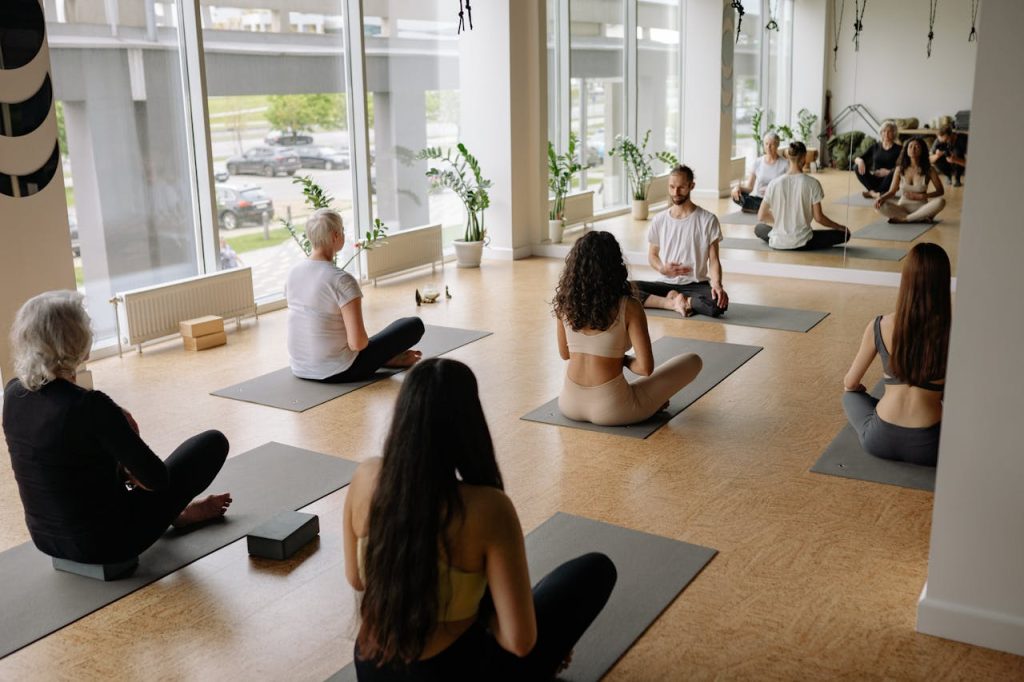
How to Practice Stress Meditation
1. Simple Breathing Meditation
- Find a quiet place.
- Sit comfortably with your back straight.
- Close your eyes and inhale slowly through your nose.
- Exhale gently through your mouth.
- Repeat for 5–10 minutes, focusing only on your breath.
2. Body Scan Meditation
- Lie down or sit in a comfortable position.
- Start by noticing the top of your head.
- Slowly move your awareness down through your body.
- Notice areas of tension and consciously relax them.
3. Guided Stress Meditation
Using a professional guide or recorded session helps beginners stay focused. Guided meditations combine soothing voice instructions with calming music or soundscapes, making the practice accessible to anyone.
4. Mindful Breaks at Work
Even a few minutes of mindful breathing or silent observation during your workday can significantly reduce stress.
Building a Stress Meditation Routine
Consistency is key when it comes to meditation. Here’s how you can make it a regular part of your lifestyle:
- Start with just 5–10 minutes daily.
- Set a specific time each day (morning or evening).
- Create a peaceful environment at home.
- Use apps or professional guidance for structure.
- Be patient—results build gradually with regular practice.
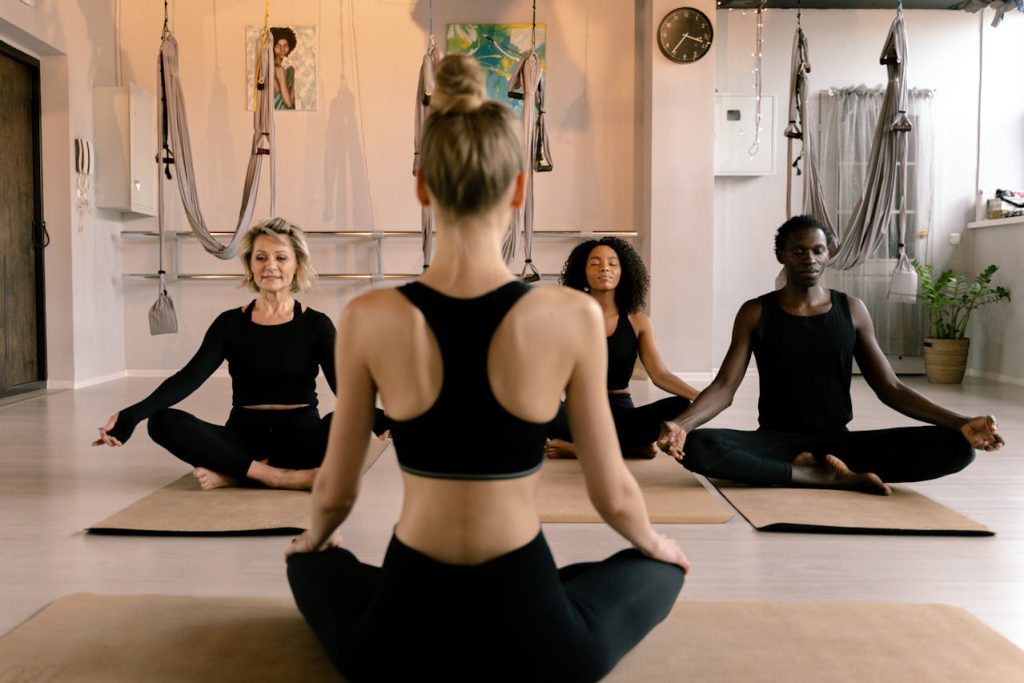
Why Choose Professional Guidance?
While anyone can begin practicing stress meditation on their own, having professional guidance accelerates progress. At Mindfulness Meditation Hub, we offer structured meditation sessions, guided practices, and resources designed to support your journey.
Benefits of professional guidance include:
- Personalized meditation strategies
- Expert-led sessions to keep you consistent
- Supportive resources to deepen your practice
- Faster stress reduction results
Stress Meditation and Long-Term Wellness
Meditation is not just about short-term relief—it’s about building a long-term foundation for mental clarity, emotional resilience, and physical health. Over time, stress meditation helps individuals feel more grounded, less reactive, and more capable of handling life’s challenges with ease.
Final Thoughts
Stress is an inevitable part of life, but suffering from it doesn’t have to be. Stress meditation is a natural, science-backed, and highly effective way to reduce anxiety, improve focus, and enhance overall well-being. By committing to regular practice—whether through guided sessions or self-meditation—you can transform your relationship with stress and embrace a calmer, more balanced lifestyle.
At Mindfulness Meditation Hub, we’re here to guide you every step of the way. If you’re ready to experience the benefits of stress meditation, explore our guided sessions and resources designed to help you achieve lasting inner peace.